
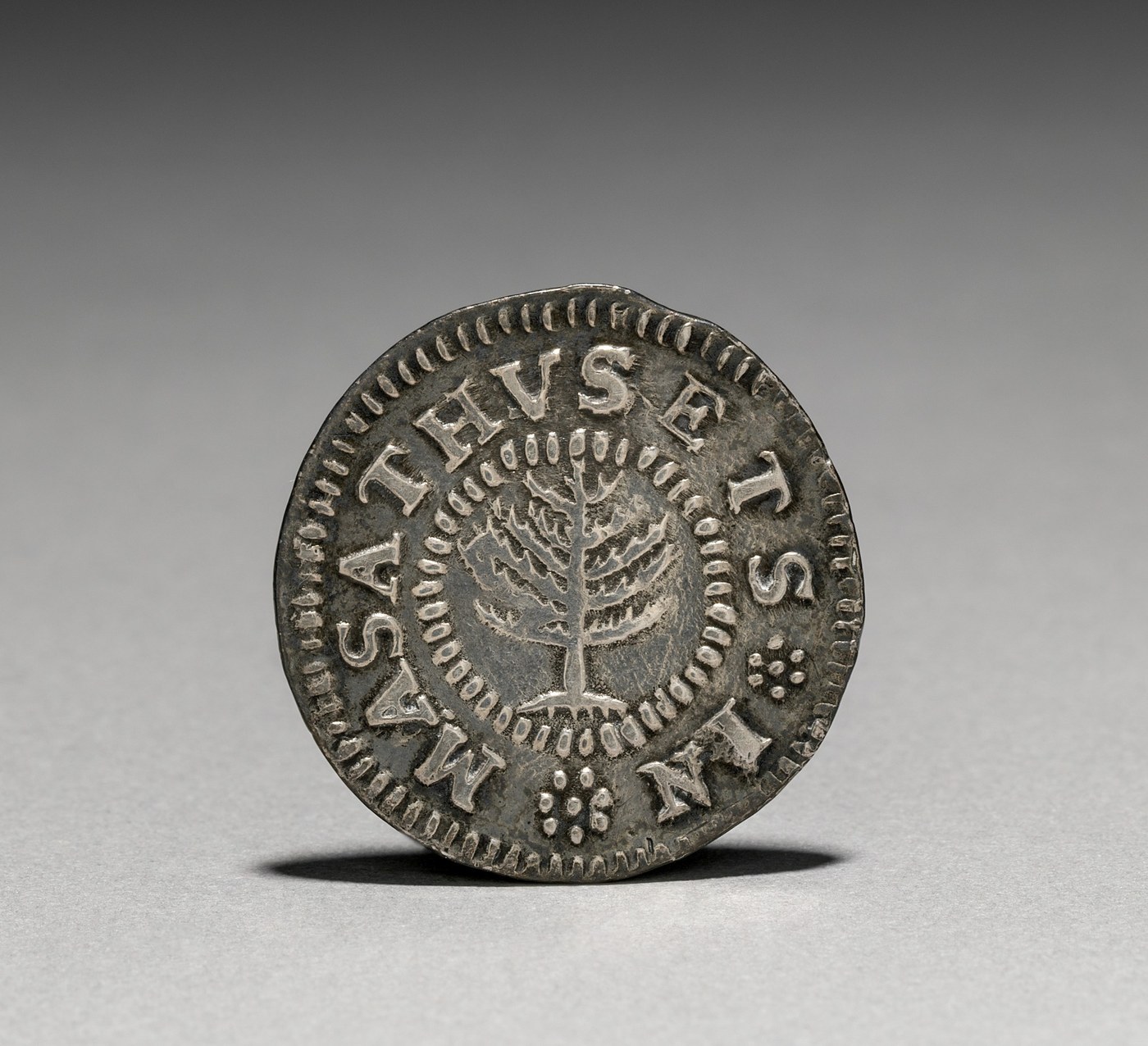
Pine Tree Shilling
Silver shilling from the Boston mint, struck about 1667–1674 but dated 1652, showing a pine tree beside the legend MASSACHUSETTS.
- Country
- United States (colonial Massachusetts)
- Denomination
- 1 Shilling
- Metal
- Silver
Got a coin like this?
Identify any coin from a photo, free.
Overview
The Pine Tree Shilling is one of the earliest coins made in what became the United States. It was produced at the Boston mint in colonial Massachusetts and is part of the broader Massachusetts silver series that also includes the New England, Willow Tree, and Oak Tree coinages. The design seen here places a pine tree at the center of the obverse, encircled by the legend MASSACHUSETTS above and IN COLONY below, all within a beaded border.
Although the coins carry the date 1652, the Pine Tree type was actually struck later, roughly 1667 to 1674 for the larger planchets photographed here. The frozen 1652 date was used across most of the Massachusetts silver to disguise how long the unauthorized mint had been operating. As a hand-struck silver shilling (twelve pence), it circulated as real money in the colony rather than as a commemorative piece.
History & Background
Massachusetts opened its own mint in Boston in 1652, run by silversmith John Hull together with his partner Robert Sanderson, to relieve a chronic shortage of coin in the colony. Because only the English Crown was supposed to authorize coinage, minting money was a bold and legally risky act. To avoid drawing attention to how long the mint had been running, nearly all of its silver was dated 1652 regardless of the year it was actually made.
The Pine Tree design was the last and most plentiful of the Massachusetts tree types, following the cruder Willow Tree and Oak Tree issues. Coins on the larger, thinner planchets — the style corresponding to the 1667–1674 period — were struck by hand with a hammer, which is why surviving pieces often show uneven flans, off-center detail, and slightly clipped edges. The Boston mint continued producing silver into the early 1680s before English pressure brought it to a close.
How to Identify
The photographed coin shows the classic obverse: a pine tree at the center, MASSACHUSETTS curving across the top, IN COLONY below, and a beaded (dotted) border ringing the design. The reverse, not visible here, normally carries the legend NEW ENGLAND with AN(no) DOM(ini) 1652 and the Roman-numeral denomination XII marking the shilling (twelve pence).
These are hand-hammered silver coins, so no two are identical. Expect irregular, somewhat ragged edges, tree detail that may be soft or doubled, and legends that do not always sit perfectly centered. Companion denominations in the same series (sixpence marked VI, threepence marked III) look similar but are smaller and thinner, so the marked XII and the larger diameter confirm the shilling.
Value & Collectibility
Genuine Pine Tree Shillings are scarce, historically important, and consistently valuable. Even well-worn, honestly circulated examples typically trade in the low-to-mid four figures, while sharp, well-centered, problem-free pieces can reach the high four to five figures. Rare die varieties, unusually strong strikes, or coins with distinguished pedigree can command substantially more at specialist auction.
Condition, centering, and originality drive price heavily. Bent, holed, heavily clipped, or corroded pieces sell for far less than clean examples. Because values are high and the type is so widely reproduced, most collectors buy Pine Tree Shillings only when they are certified by a major grading service — an unauthenticated coin should be treated with caution regardless of how convincing it looks.
Frequently asked questions
Why does the coin say 1652 if it was made later?
Almost all Massachusetts silver was intentionally frozen at the date 1652 to hide how long the unauthorized Boston mint had been operating. The Pine Tree type on larger planchets was actually struck around 1667–1674 despite the 1652 date.
What does the XII on the reverse mean?
XII is the Roman numeral for twelve, marking the coin as a shilling worth twelve pence. Related coins in the series are marked VI (sixpence) and III (threepence).
Is the Pine Tree Shilling made of real silver?
Yes. It was struck in silver to circulate as money in colonial Massachusetts, not as a token or commemorative.
Why do these coins look so uneven?
They were struck by hand with a hammer rather than a machine press, so irregular flans, off-center designs, and ragged edges are normal and expected on genuine examples.
Are Pine Tree Shillings valuable?
Yes. Authentic examples are scarce early American coins that typically sell from the low four figures in worn grades up to five figures for high-quality pieces, with rare varieties bringing more.
Pine Tree Shilling guides
In-depth guides for identifying, valuing, and collecting Pine Tree Shilling.
Other coins you may enjoy
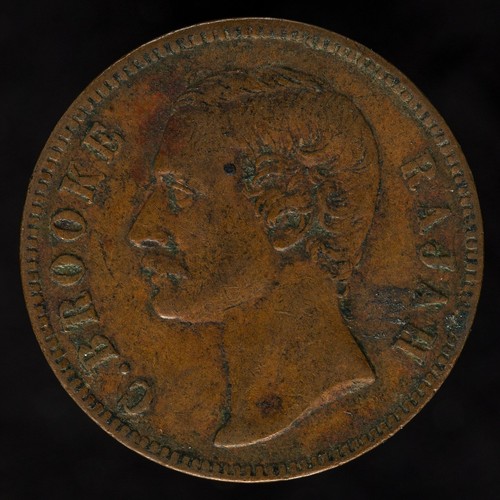
Sarawak One Cent
1870
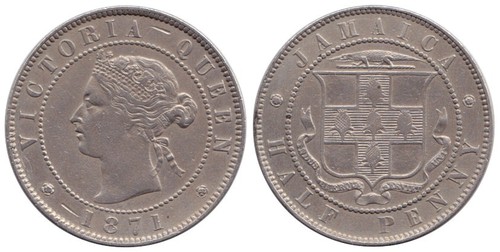
Jamaica Half Penny
1871
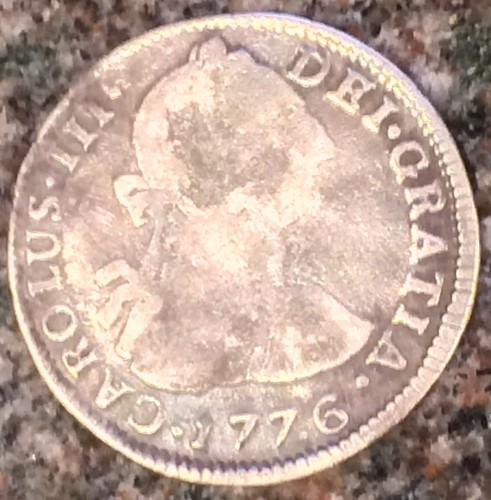
Spanish Colonial 2 Reales (Milled)
1732–1772 (pillar) and 1772–1825 (portrait); example dated 1776
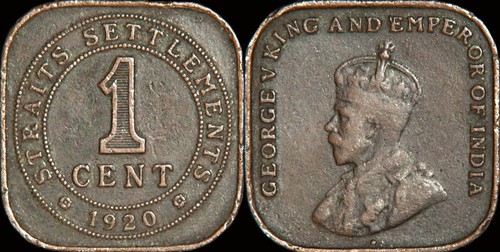
Straits Settlements One Cent
1919–1926 (this type)
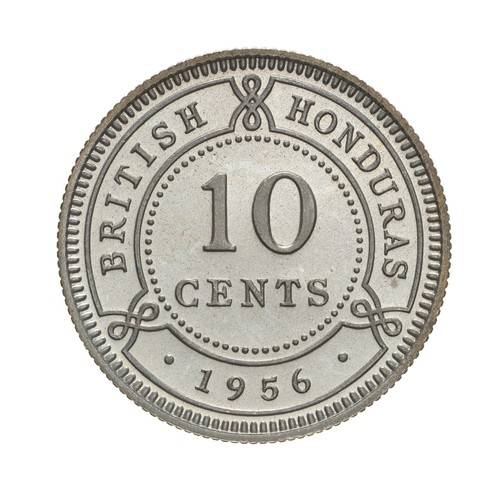
British Honduras 10 Cents
1956
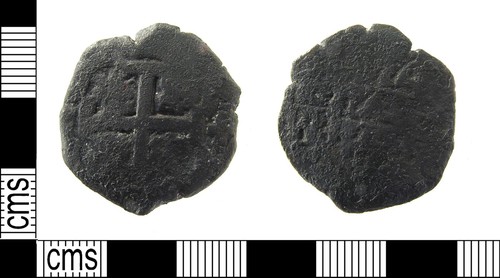
Spanish Colonial 1 Real (Bourbon)
1700-1746
Bermuda Half Penny
1909
British North Borneo One Cent
1884–1886
British Honduras One Cent
1885–1894 (Victoria); this example 1889
British North Borneo Half Cent
1885
Counterstamped 8 Reales
Charles IV era (1788-1808), host coin; counterstamps and hole added later
Fugio Cent
1787