
Coin Encyclopedia
Search and identify coins from around the world — with country, denomination, metal, mint, history, and how to tell them apart.
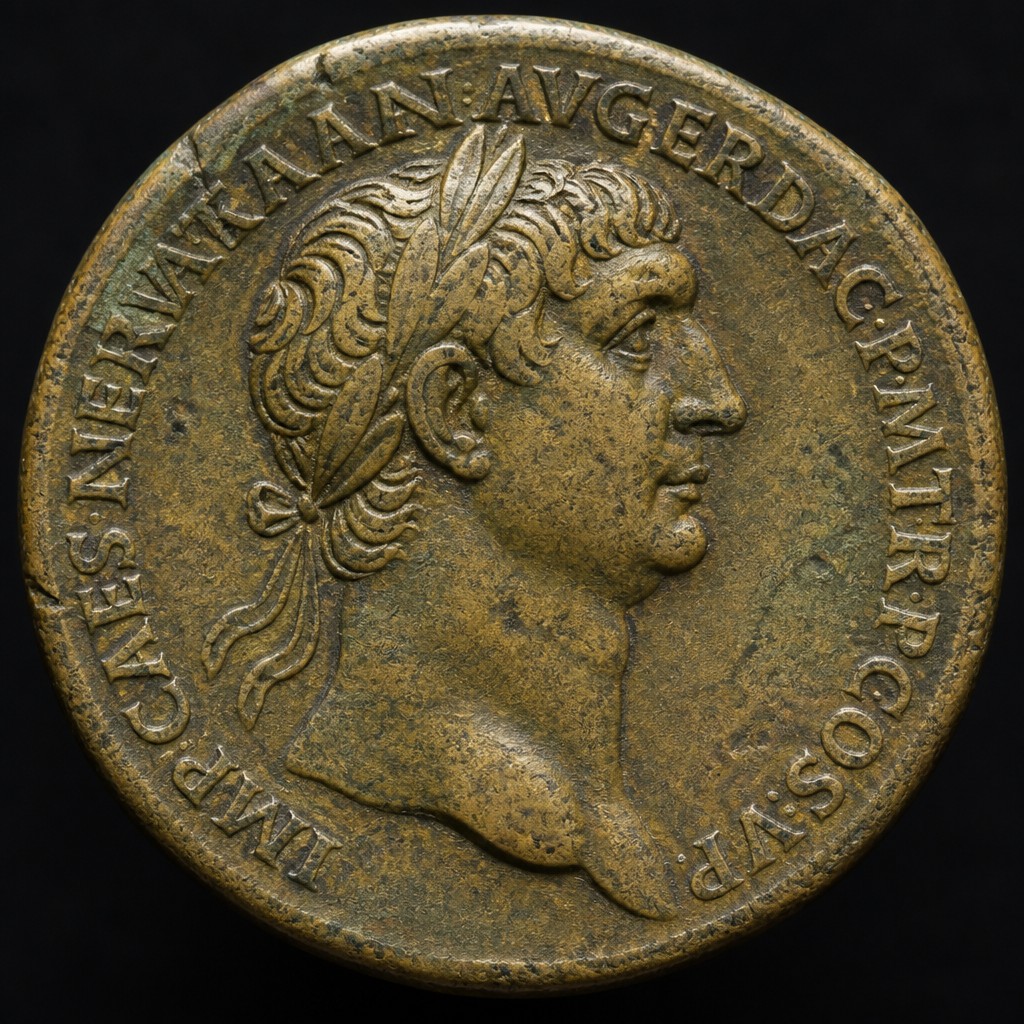
Trajan Sestertius
A large bronze coin of Trajan, whose reign brought the Roman Empire to its greatest territorial extent, with reverses celebrating Dacian conquest, public works, and Trajan's Column.
Ancient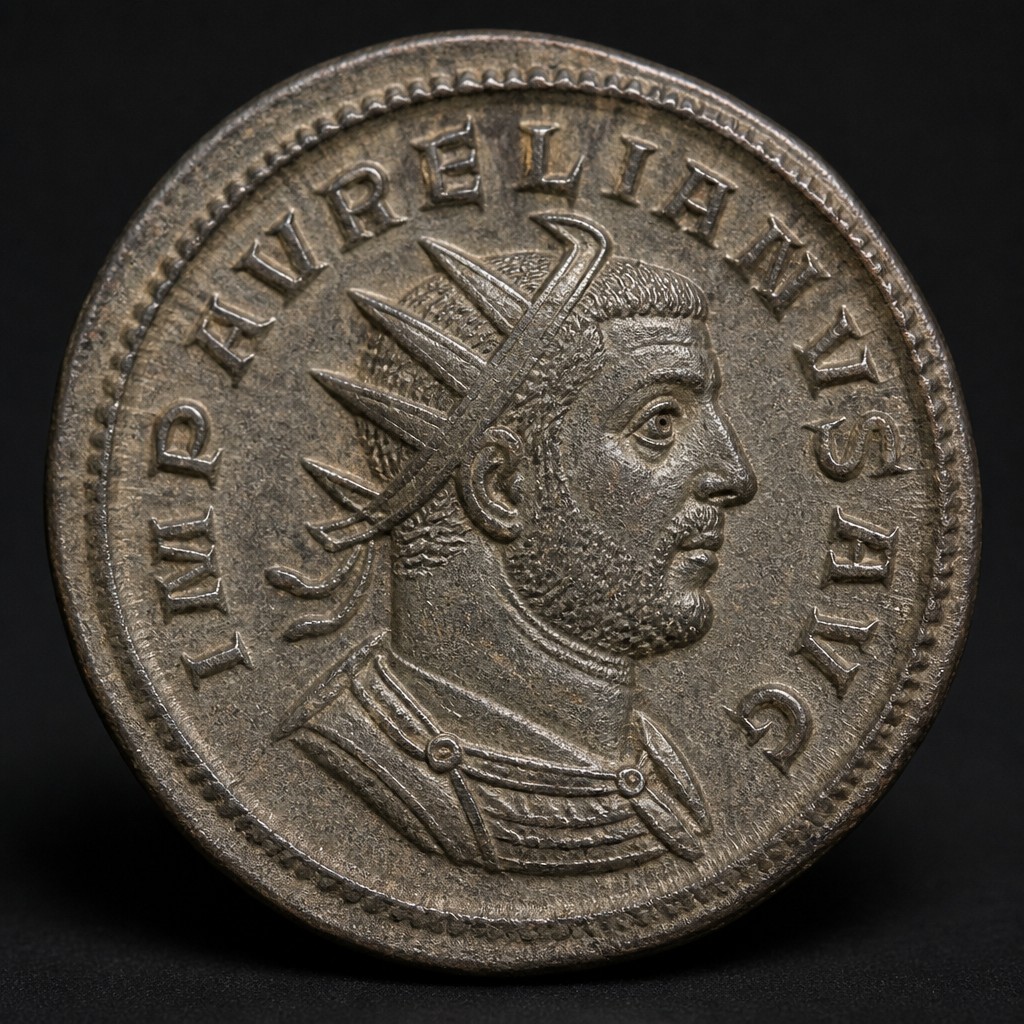
Aurelian Antoninianus
Radiate coin of Aurelian, the soldier-emperor who reunited the fractured Roman Empire and enacted a major coinage reform introducing standardized silver content marked with XXI or KA.
Ancient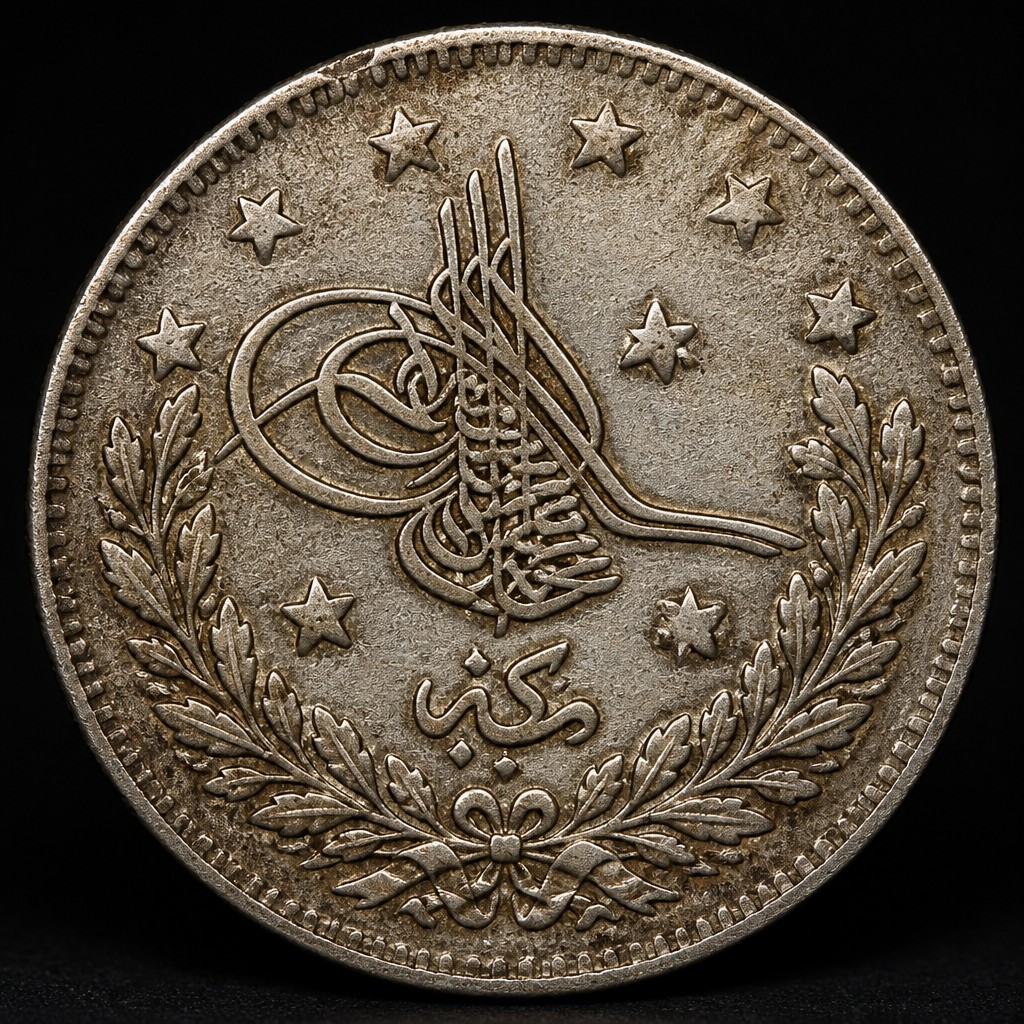
Ottoman Para
A small fractional Ottoman coin, historically 1/40 of a kurus, struck for centuries in varying metals as the empire's lowest everyday denomination.
World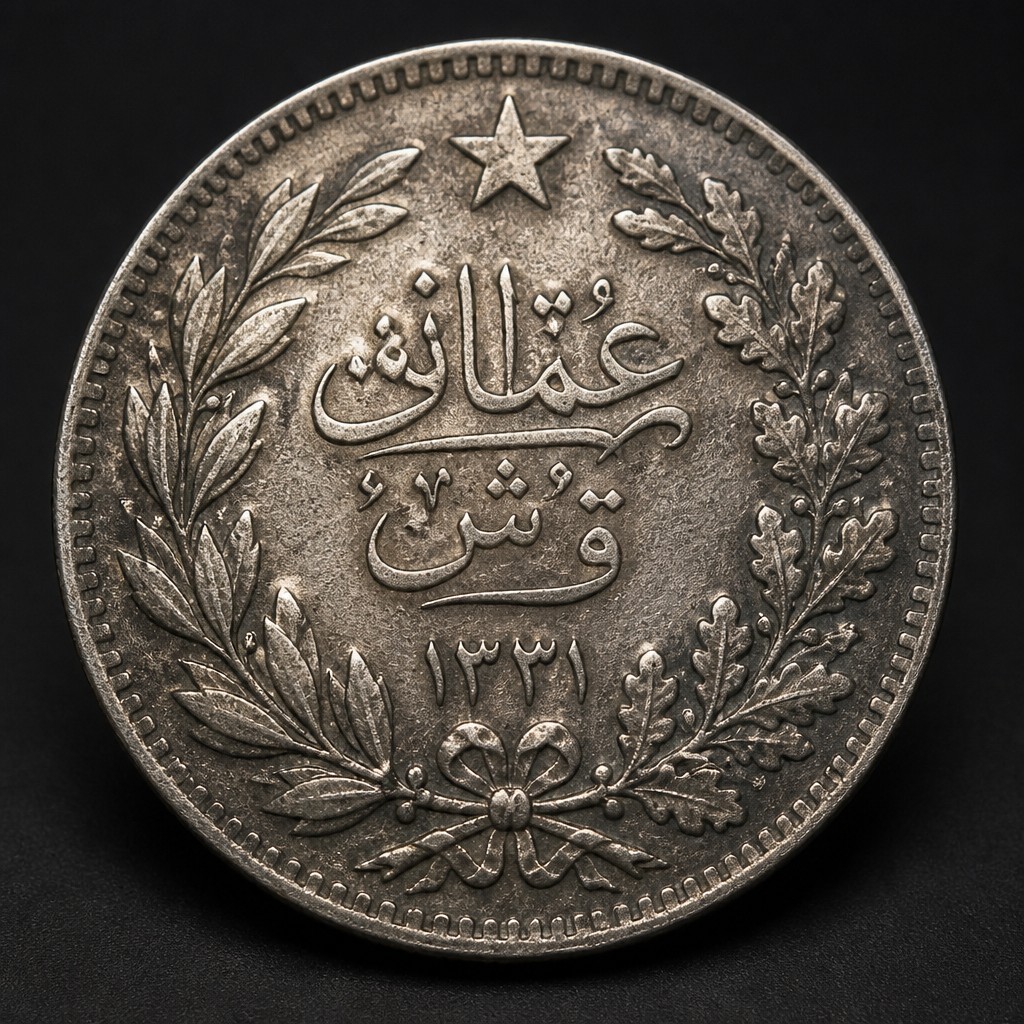
Ottoman Kurus (Piastre)
The standard Ottoman monetary unit for centuries, struck in silver or base metal bearing the sultan's tughra, later becoming a subunit of the Ottoman lira after 1844.
World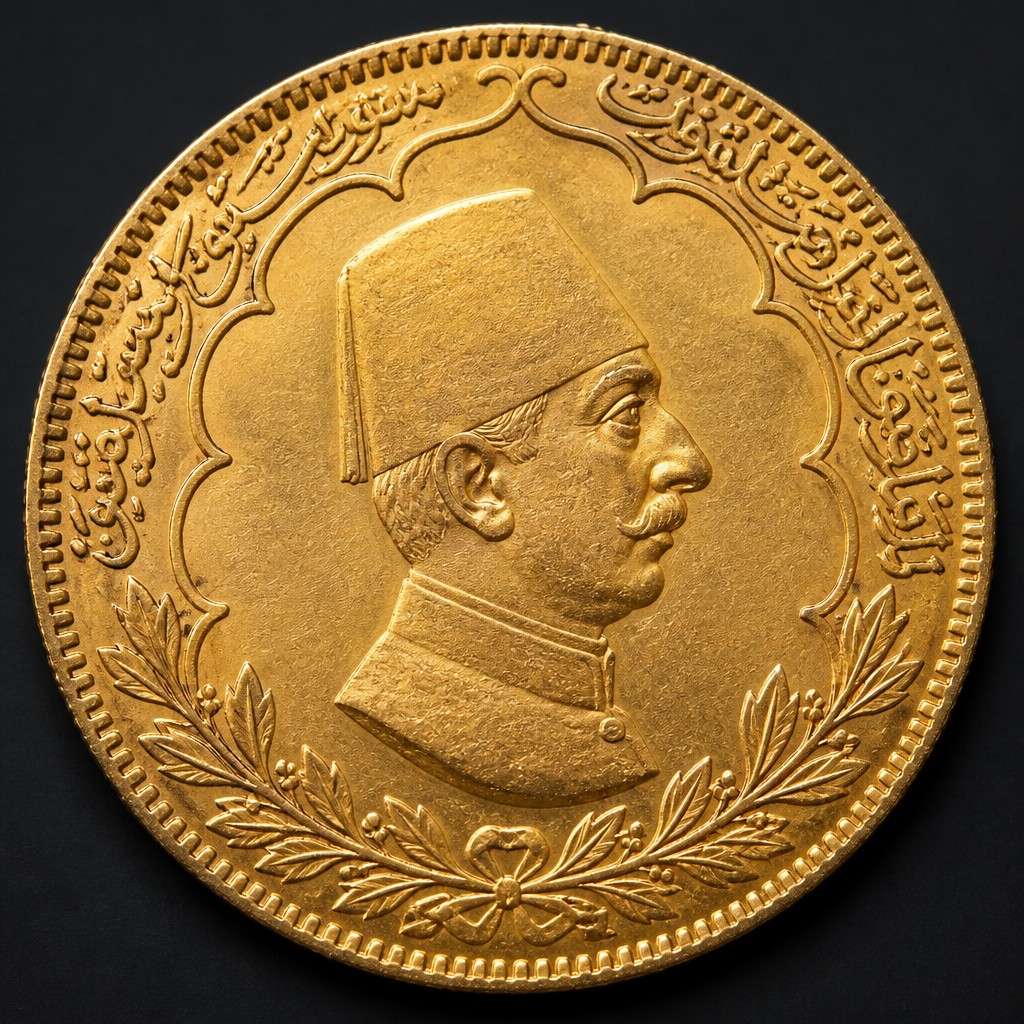
Ottoman Gold 500 Kurus (Abdulhamid II)
A substantial gold coin struck under Sultan Abdulhamid II, equal to five Ottoman lira, bearing his tughra and used both for circulation and as a store of wealth.
World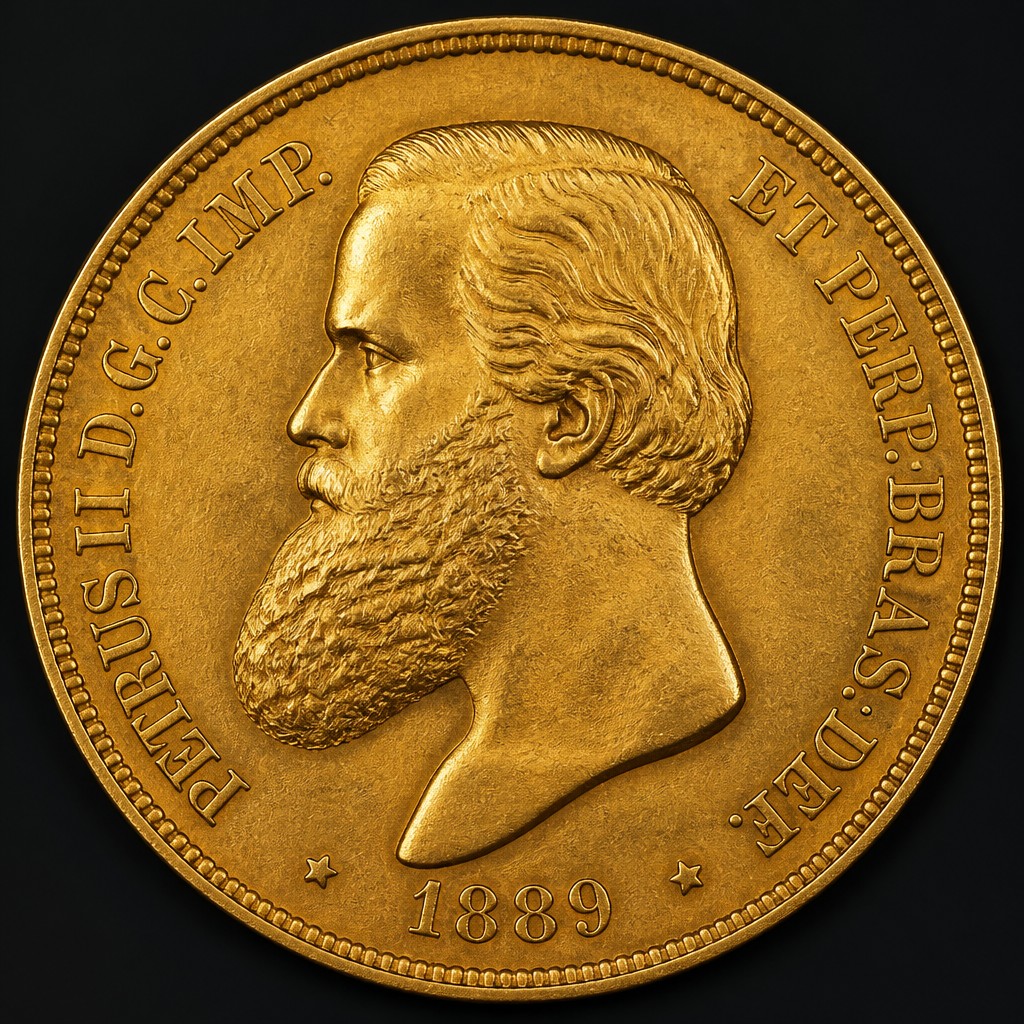
Brazilian 20000 Reis Gold
The highest-value gold coin of the Empire of Brazil, struck intermittently under Emperor Pedro II to support the country's monetary reserves and international trade.
Latin American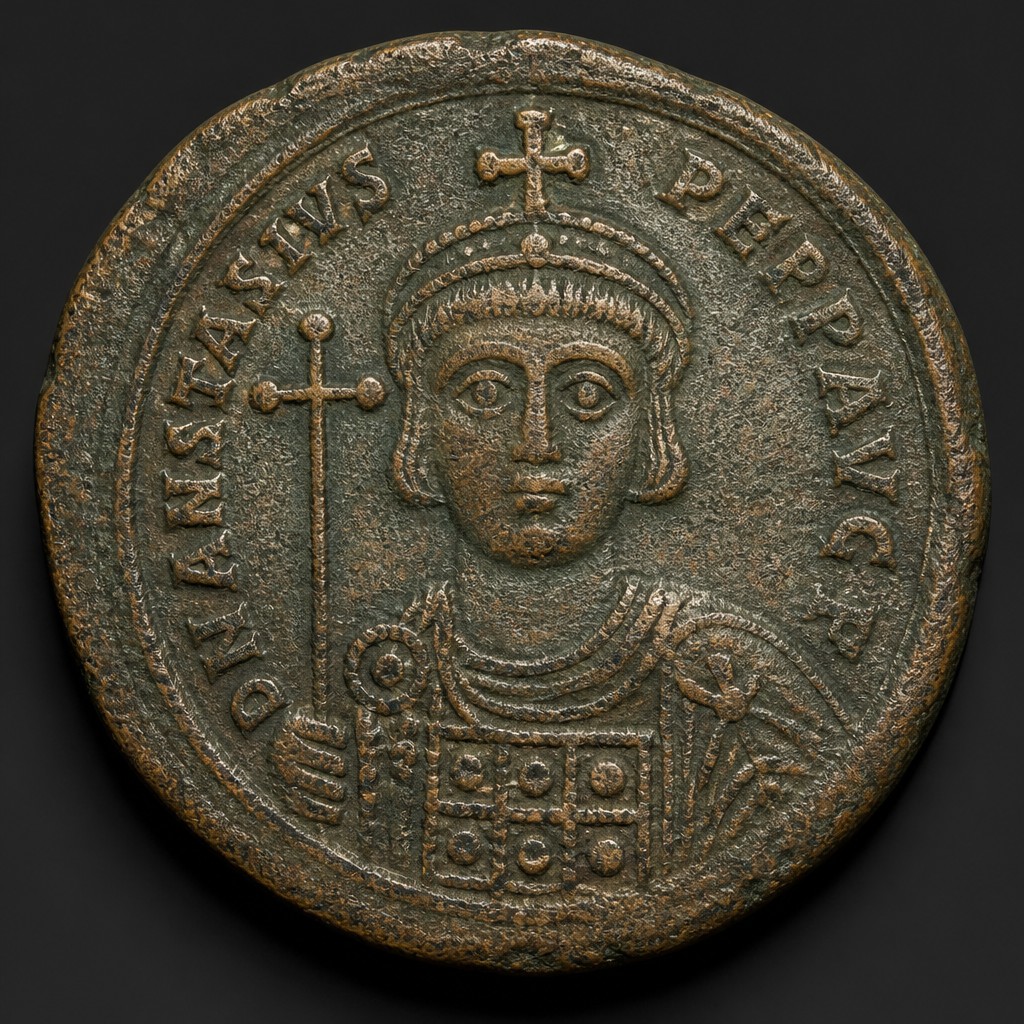
Byzantine Follis
The large bronze workhorse coin of everyday Byzantine commerce, reformed by Emperor Anastasius I in 498 AD with a prominent Greek numeral denoting its value of 40 nummi.
Ancient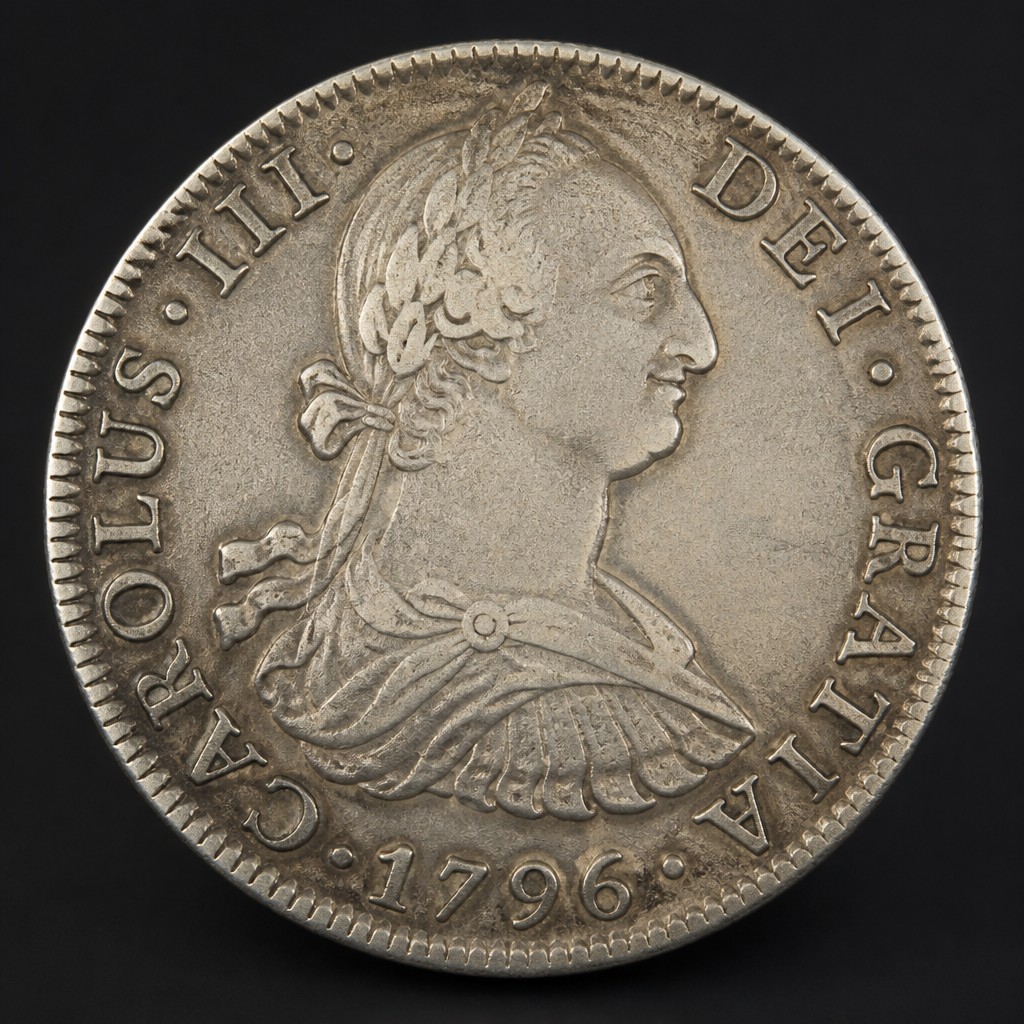
Spanish 8 Reales (Piece of Eight)
The legendary 'piece of eight,' Spain's silver dollar-sized coin that became the world's first truly global currency and the direct ancestor of the U.S. dollar.
World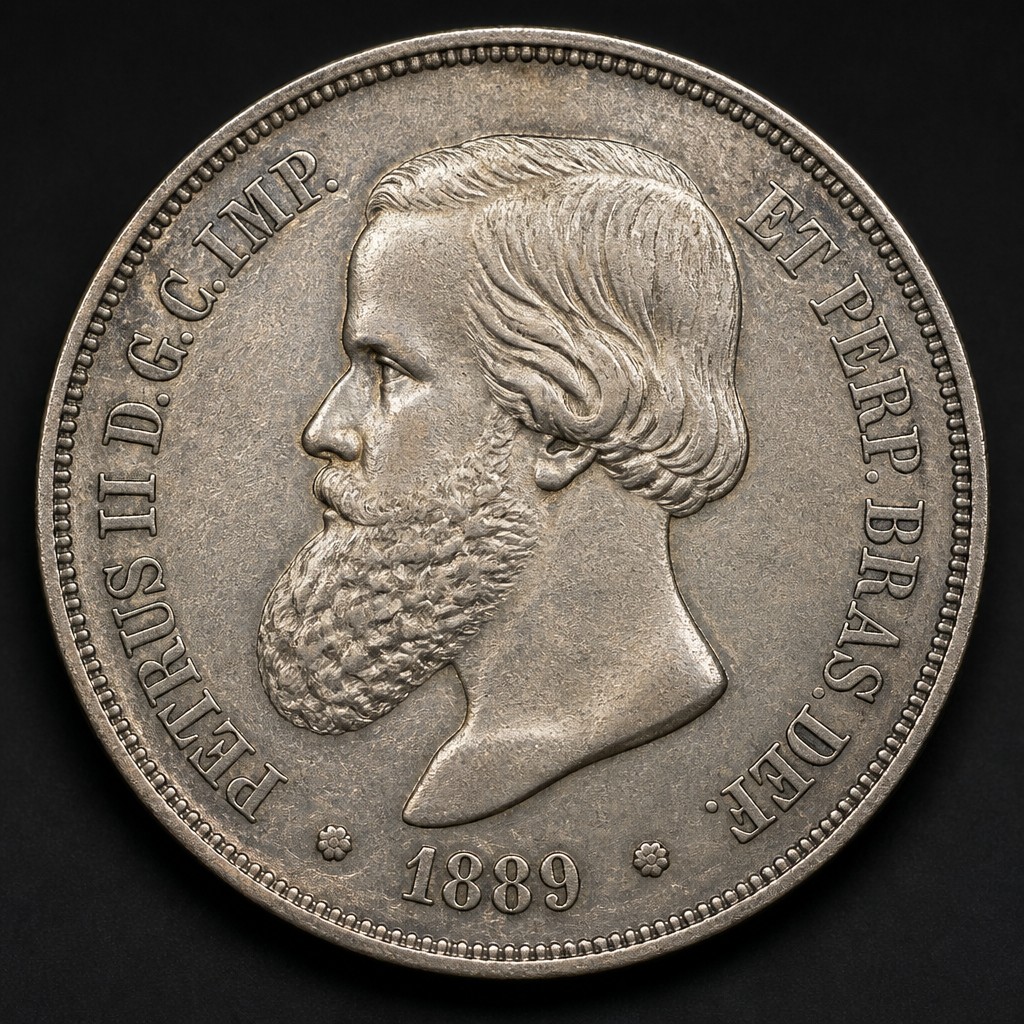
Brazilian 2000 Reis Silver
The largest common silver coin of the Brazilian Empire, bearing the portrait of Emperor Pedro II across several design types spanning his long reign.
Latin American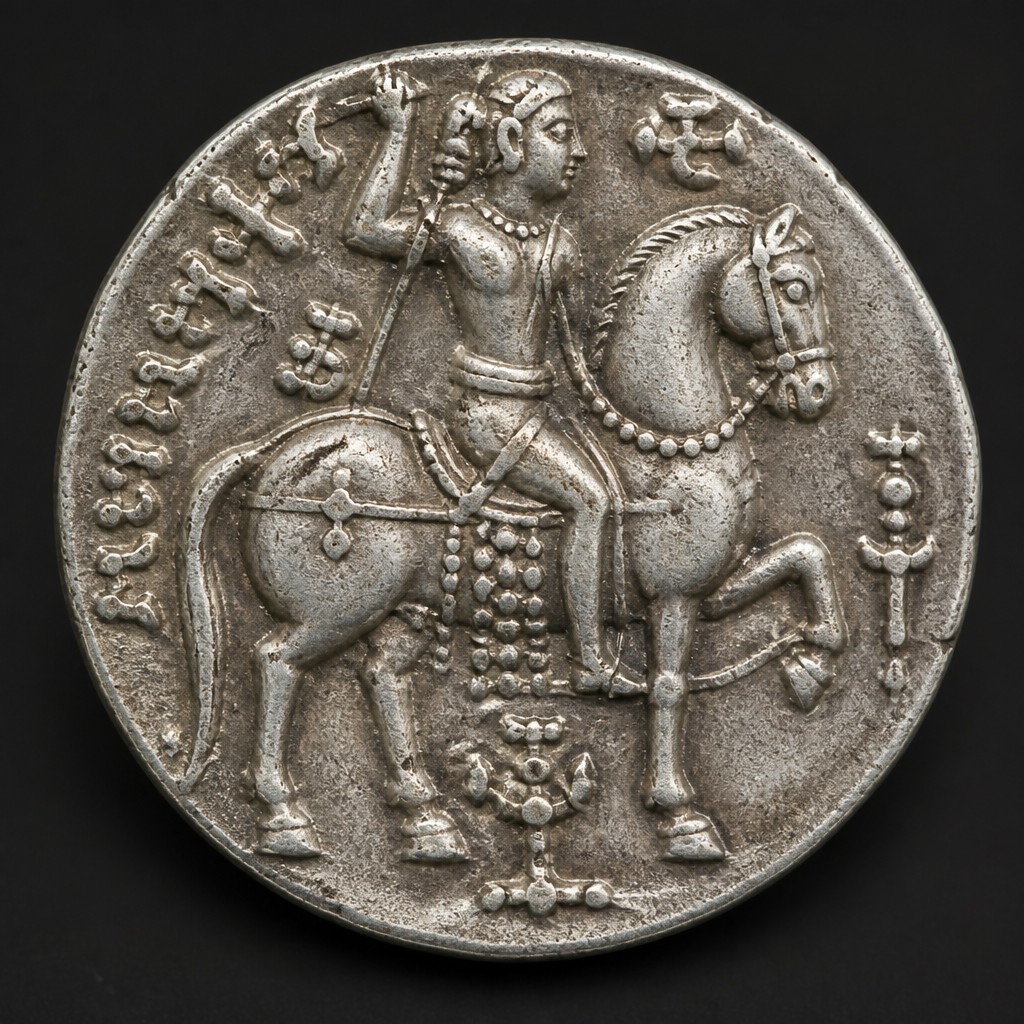
Guptas 'Horseman' Silver Coin
Silver coin of the Gupta Empire showing the king on horseback, struck after Gupta conquest of western India in imitation of earlier Western Kshatrapa silver coinage.
Ancient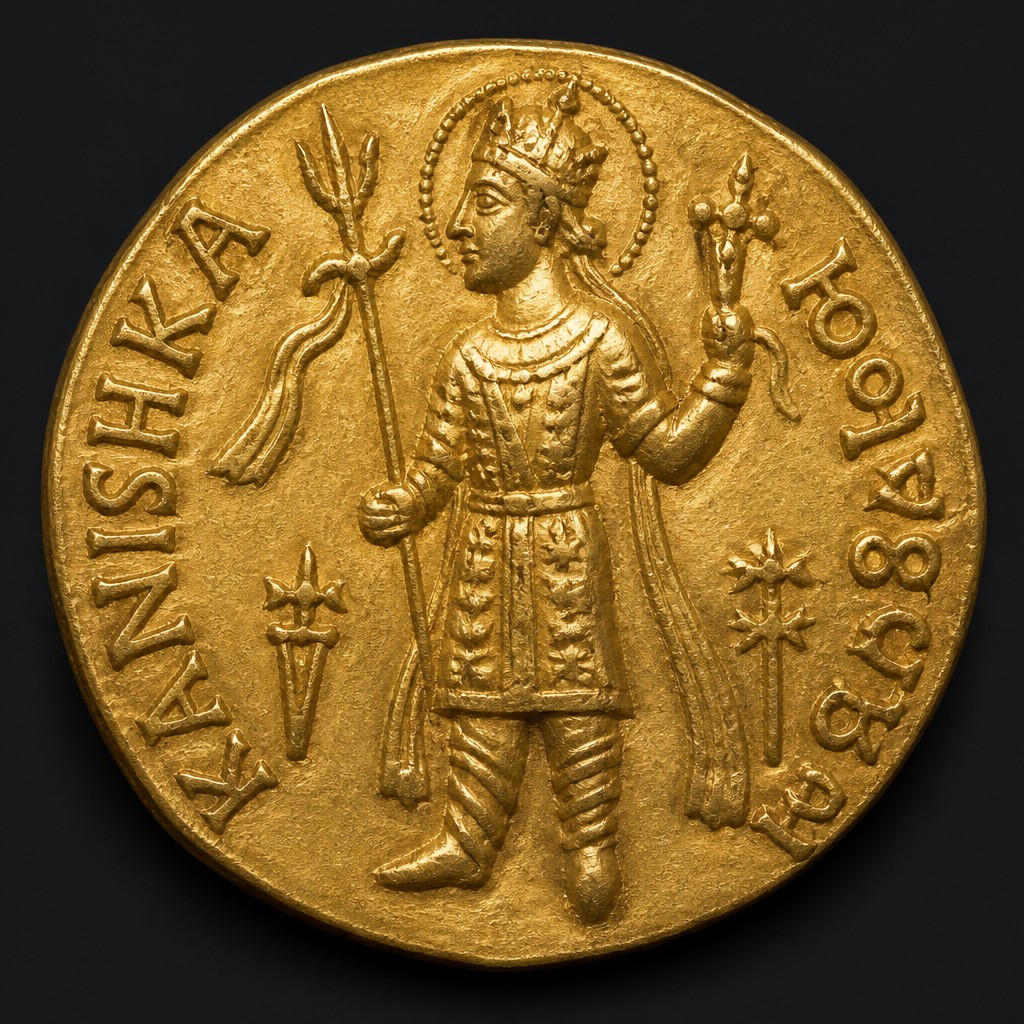
Kushan Gold Dinar of Kanishka
A gold dinar of the great Kushan emperor Kanishka I, famous for its rich mix of Greek, Iranian, Indian, and Buddhist deities depicted on the reverse.
Ancient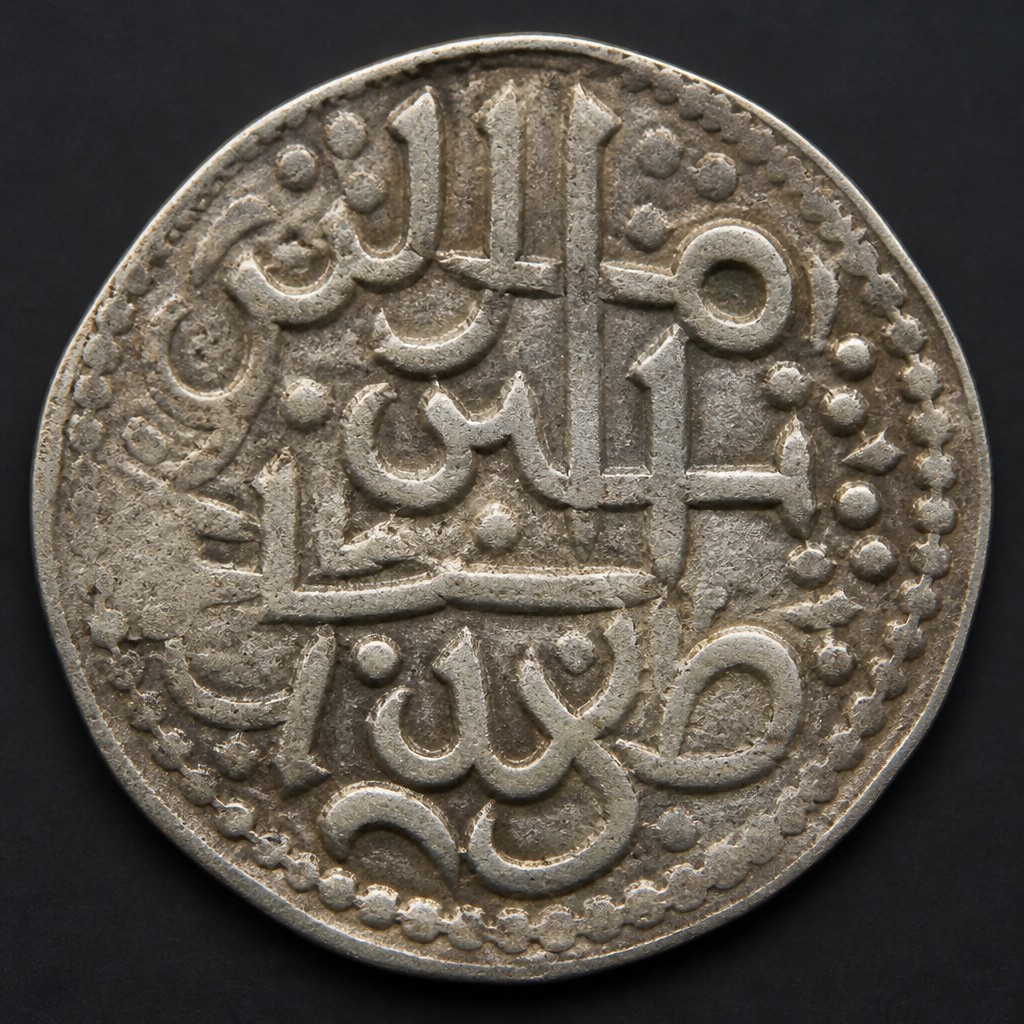
Ottoman Silver Akce
A tiny silver coin that served as the basic everyday currency unit of the Ottoman Empire for centuries, gradually shrinking in size and silver content as inflation took hold.
World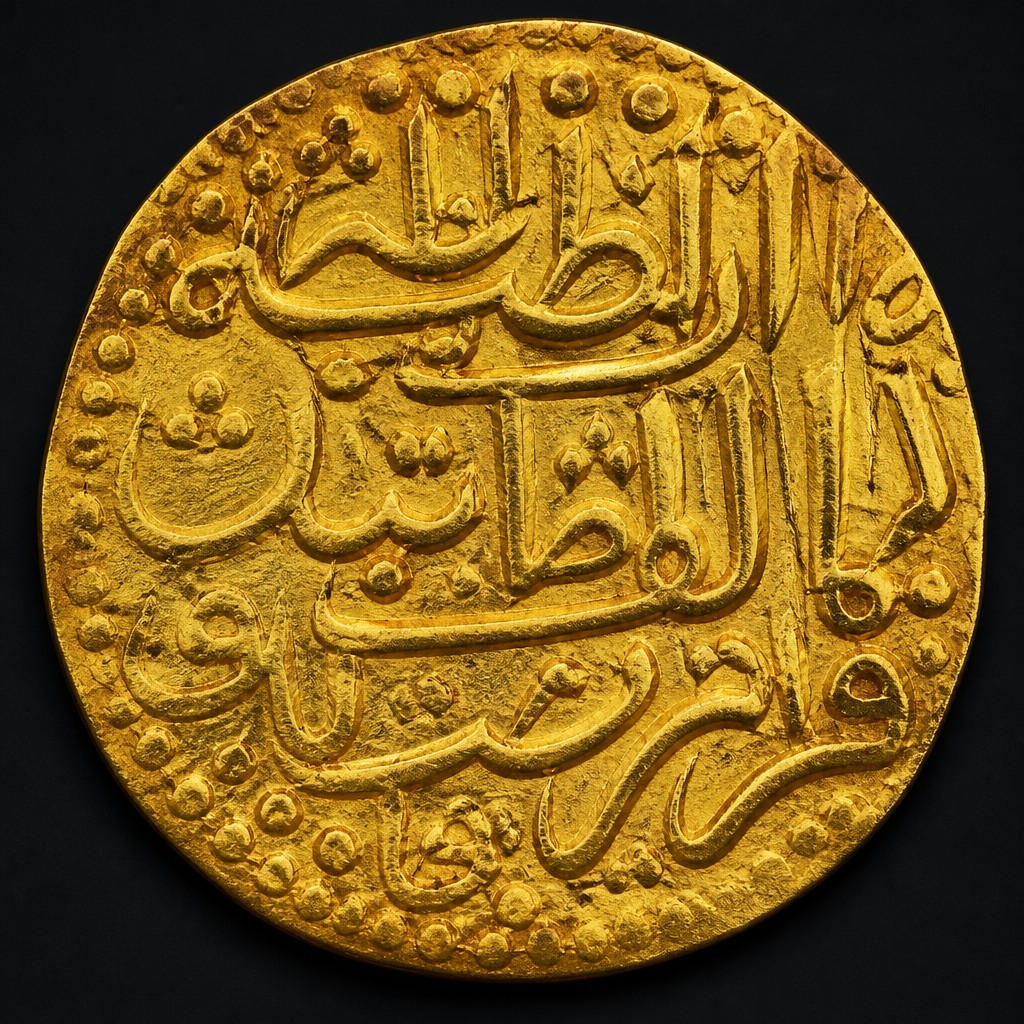
Ottoman Gold Sultani
The principal gold trade coin of the early Ottoman Empire, struck to match the weight and fineness of the Venetian ducat so it could compete in Mediterranean commerce.
World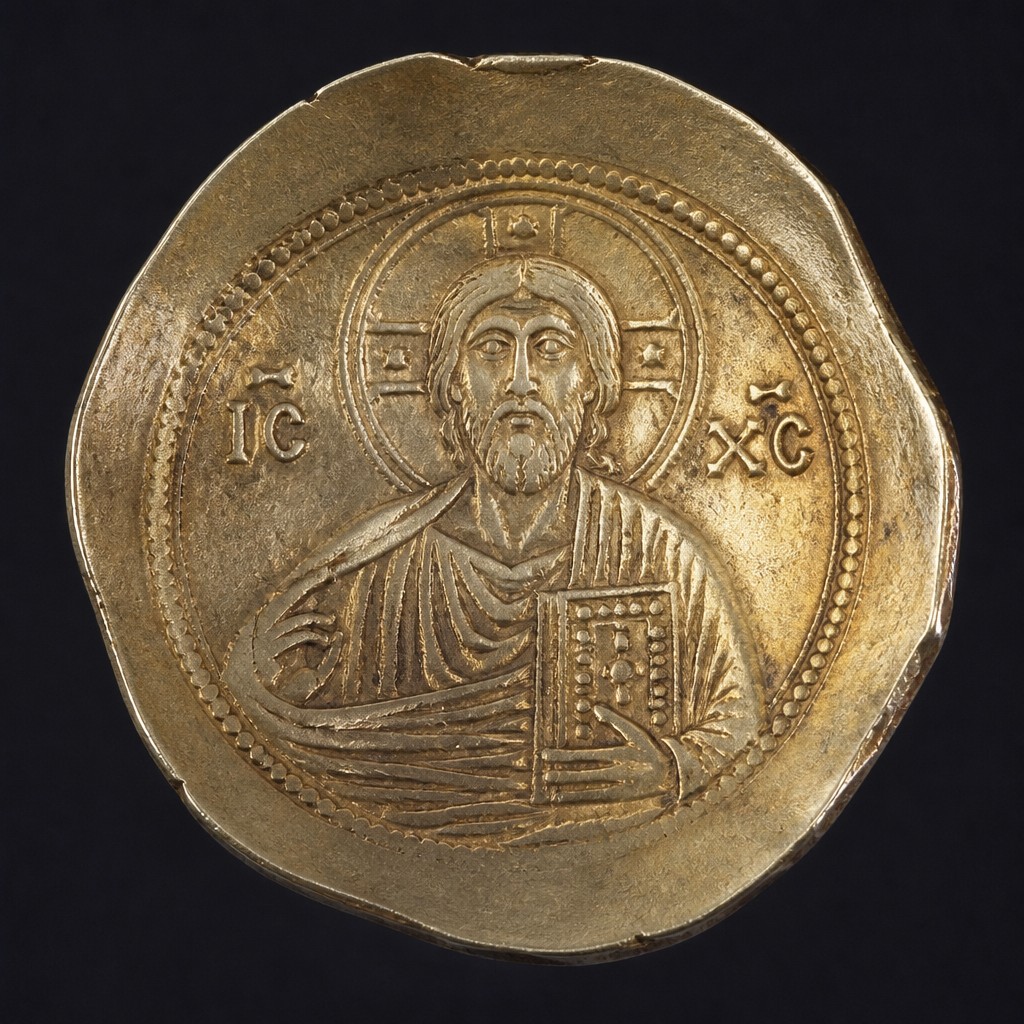
Byzantine Electrum Aspron Trachy (Scyphate)
A distinctive cup-shaped Byzantine coin struck in electrum after Alexios I Komnenos's currency reform, featuring religious imagery and a concave scyphate flan.
Ancient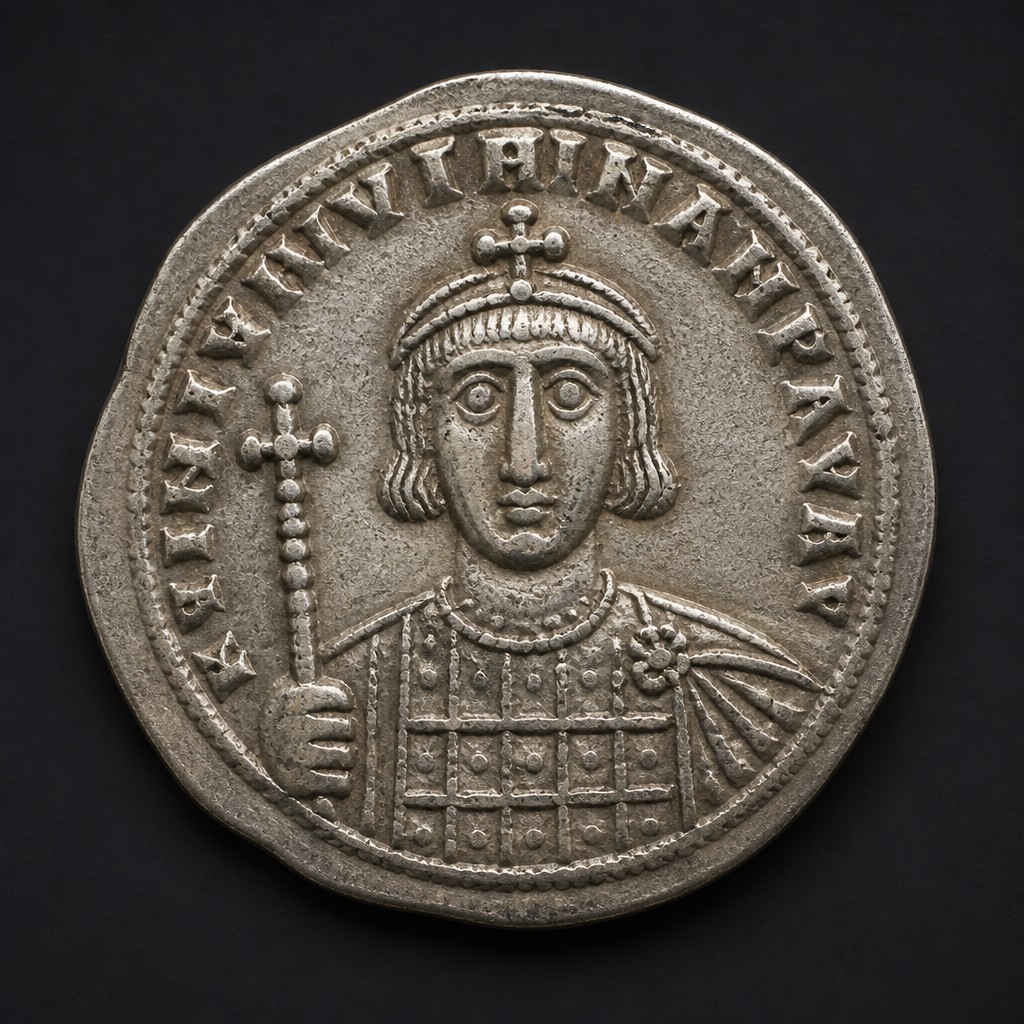
Byzantine Miliaresion
The main large silver coin of the middle Byzantine Empire, introduced in the 8th century and typically featuring a plain cross on steps, reflecting the era's Iconoclast religious tensions.
Ancient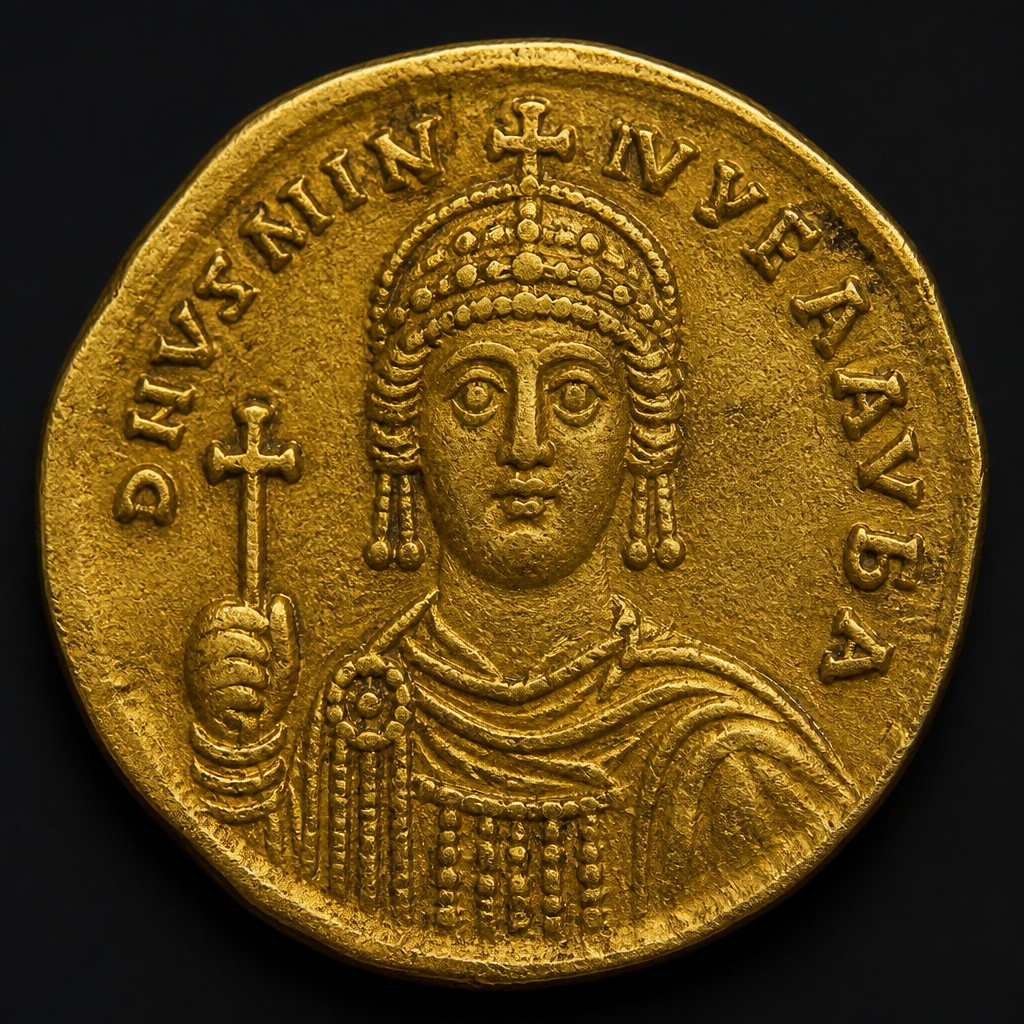
Byzantine Gold Semissis
A scarce half-value gold fraction of the Byzantine solidus, struck in smaller numbers than the tremissis and often associated with ceremonial or donative purposes.
Ancient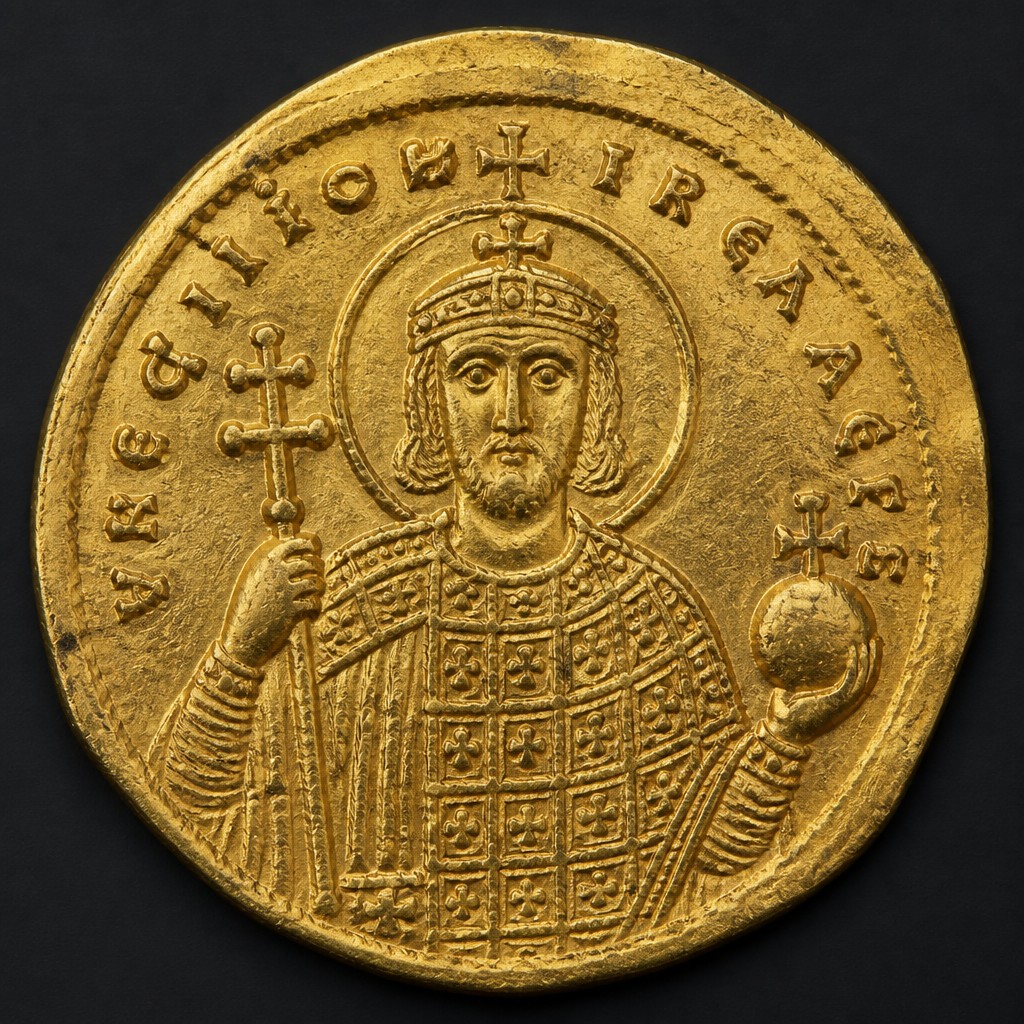
Byzantine Gold Histamenon Nomisma
A distinctive concave (cup-shaped) Byzantine gold coin introduced in the 10th century as the full-weight companion to the flat tetarteron nomisma.
Ancient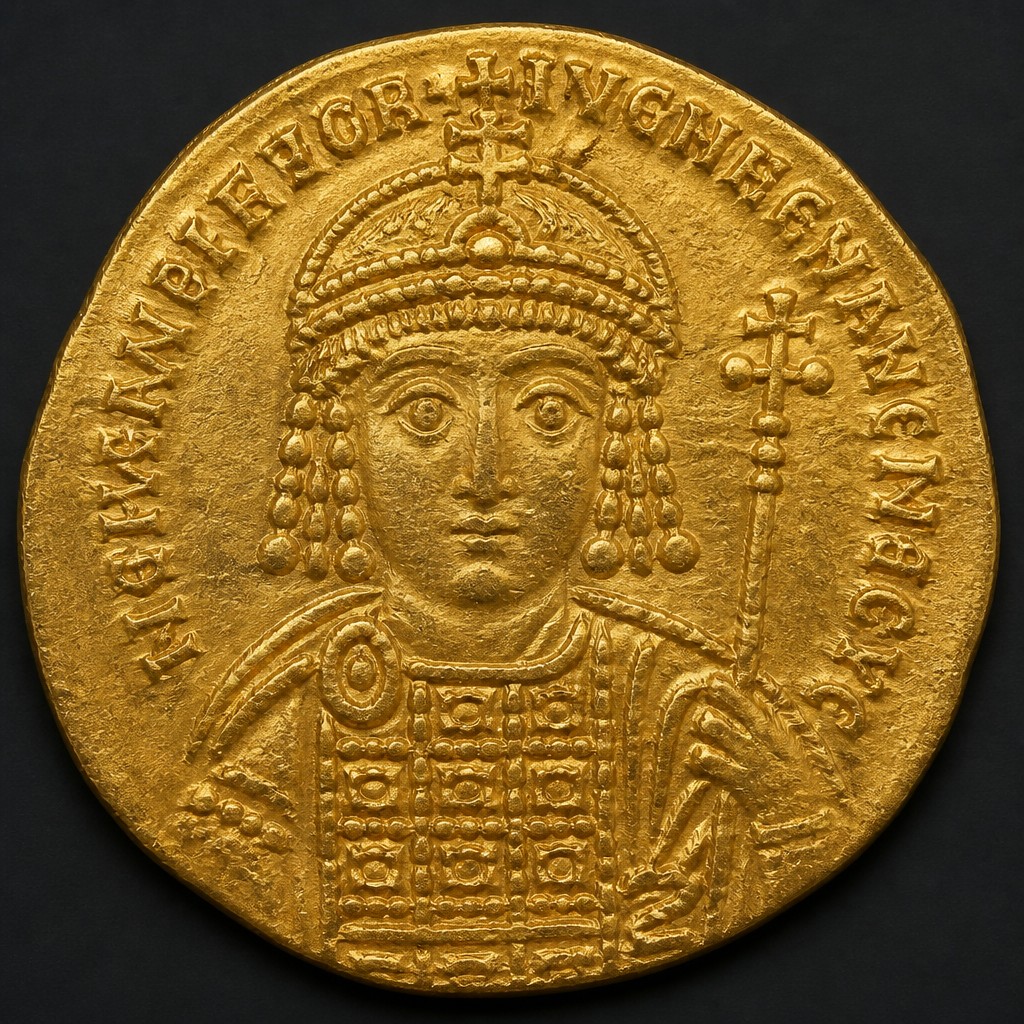
Byzantine Gold Solidus
The gold standard coin of the Byzantine Empire for over 700 years, prized in medieval trade as far away as India and Scandinavia under the nickname "bezant."
Ancient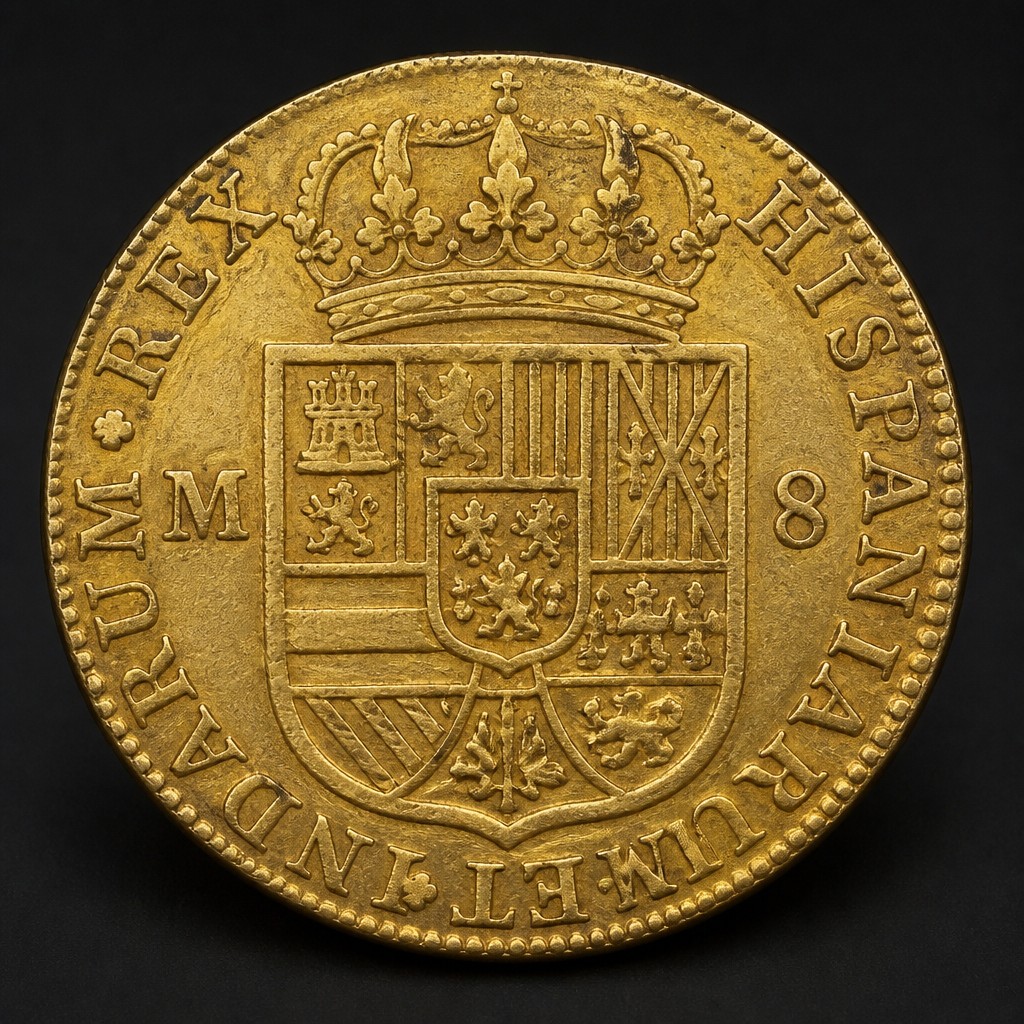
Spanish Gold Doubloon
A popular name for large Spanish colonial gold coins, typically two, four, or eight escudos, forever associated with pirate treasure and sunken Spanish galleons.
World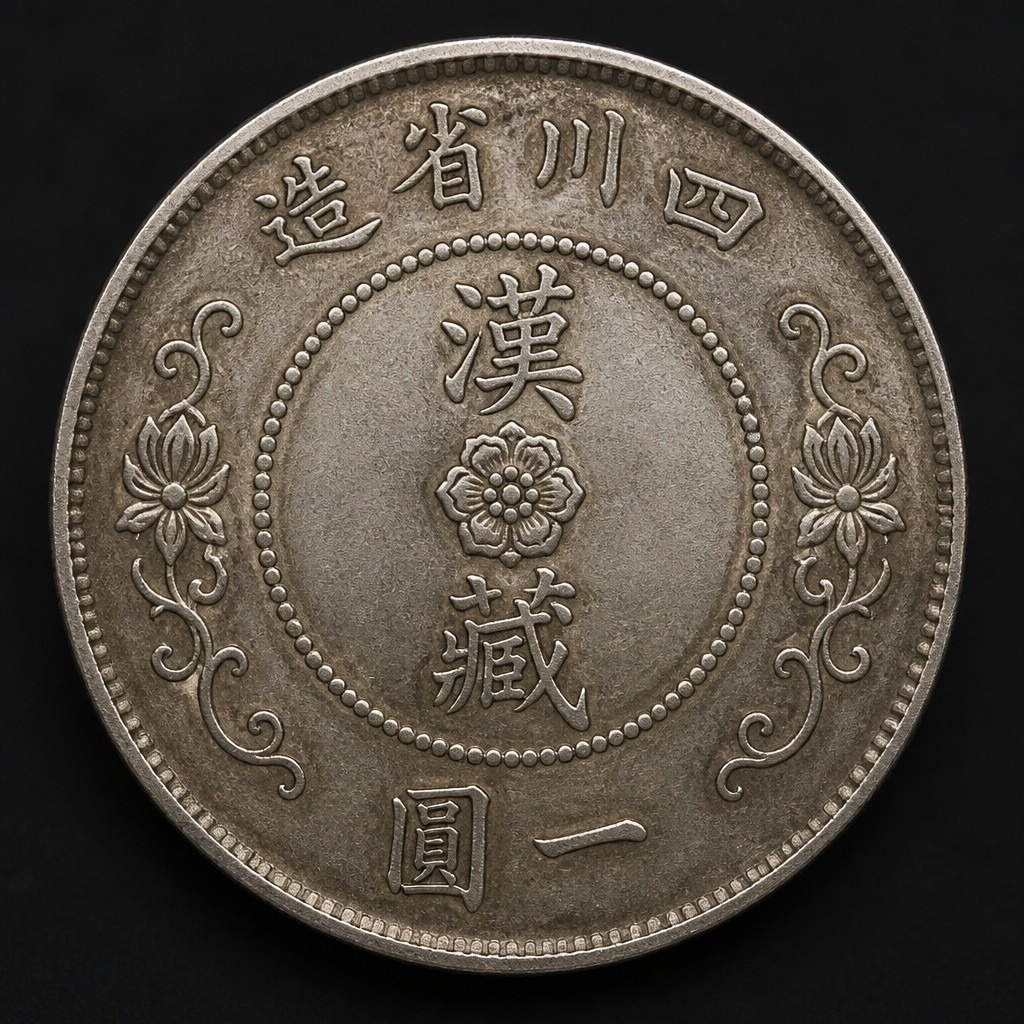
Chinese Szechuan Rupee (Tibet-related)
Silver rupee struck by China's Szechuan provincial mint to compete with British Indian rupees circulating in Tibet, blending a Chinese ruler's portrait with an Indian-style coin format.
Asian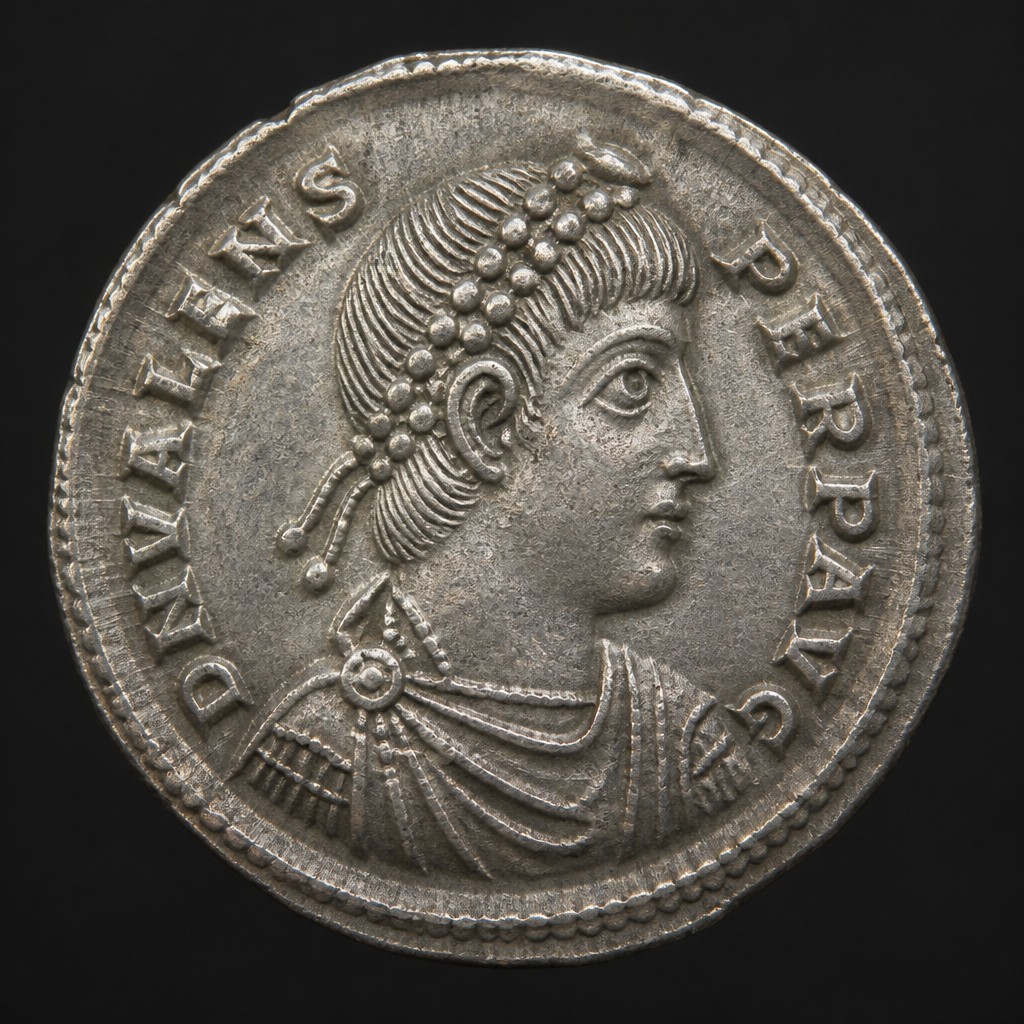
Valens Siliqua
A thin silver siliqua of Valens, eastern Roman emperor who died at the disastrous Battle of Adrianople against the Goths in 378 AD.
Ancient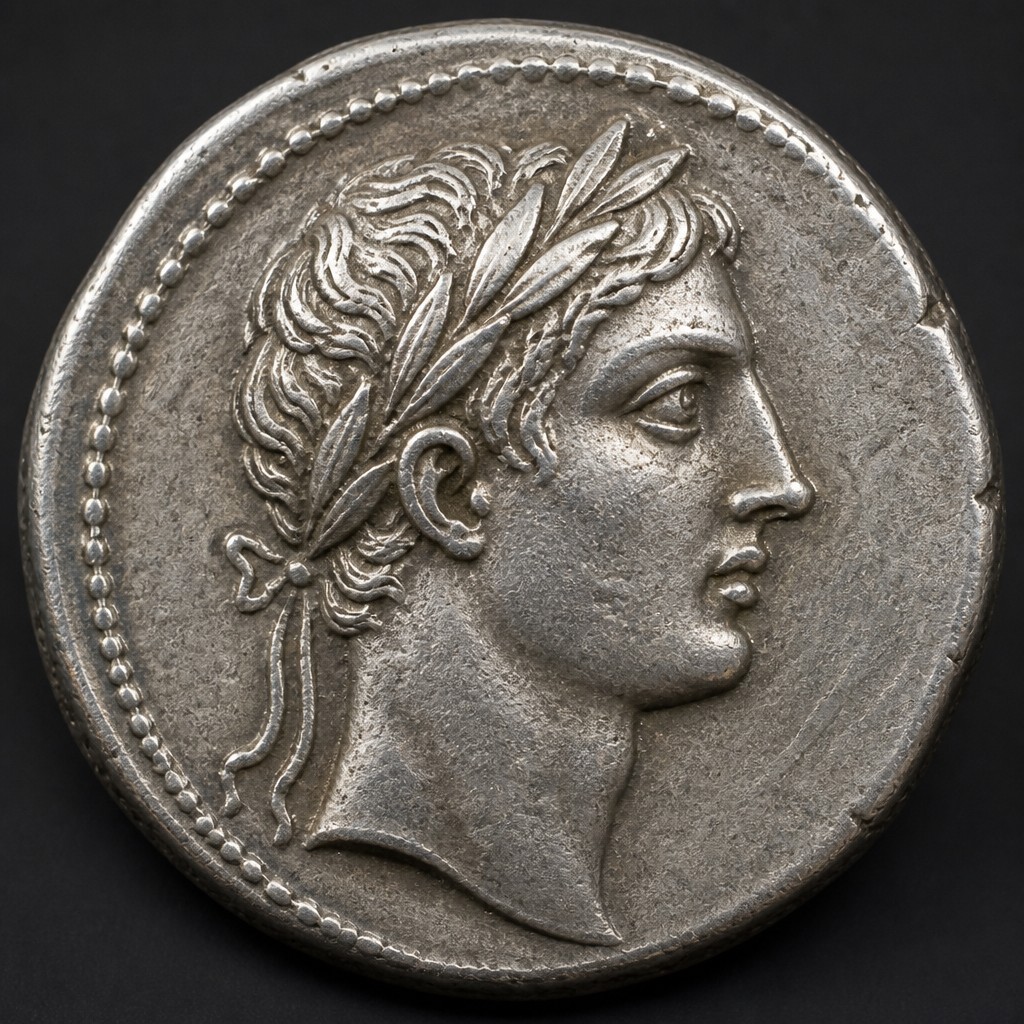
Ides of March Denarius (EID MAR)
A denarius struck by Brutus in 42 BC commemorating Julius Caesar's assassination, showing daggers and a liberty cap — one of the most famous and valuable ancient coins ever made.
Ancient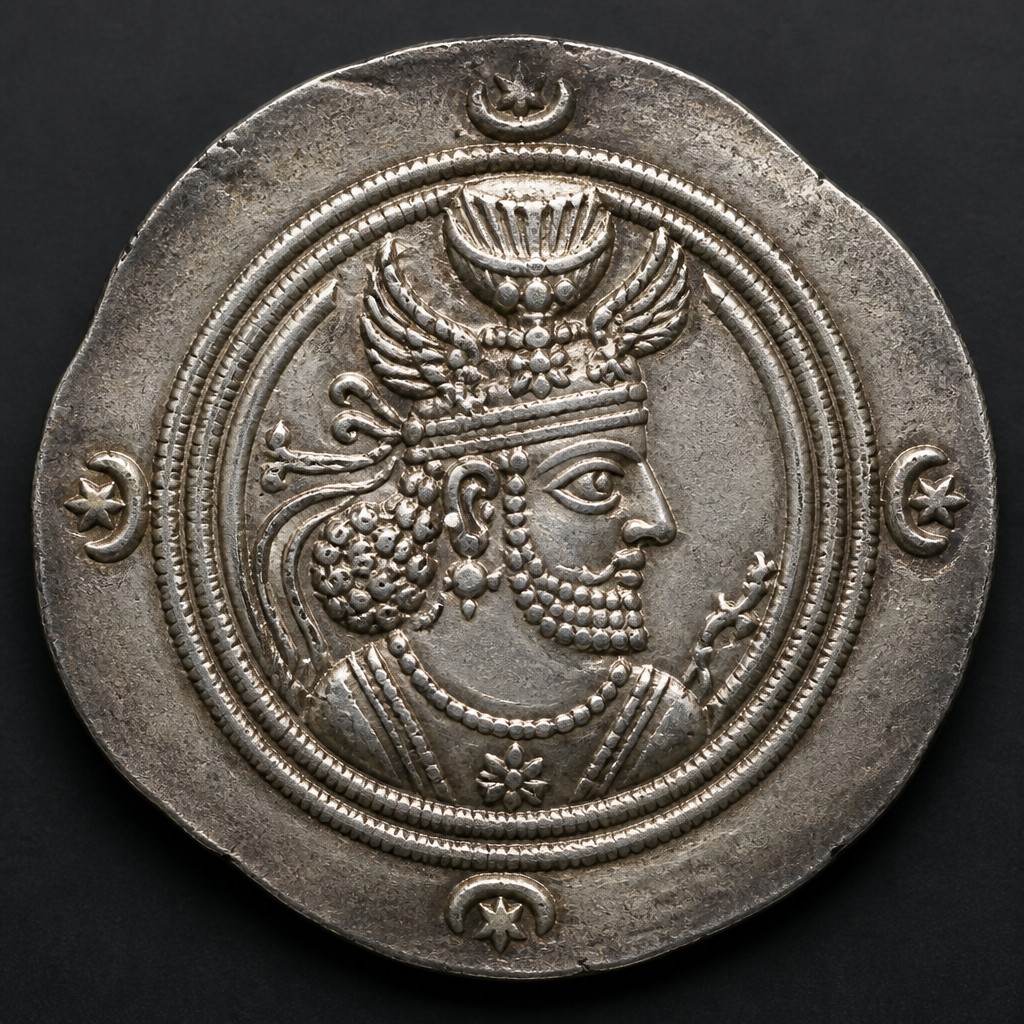
Sassanian Silver Drachm
The standard silver coin of the Sasanian Persian Empire, featuring an elaborately crowned king's portrait and a Zoroastrian fire altar with attendants, struck for over four centuries.
Ancient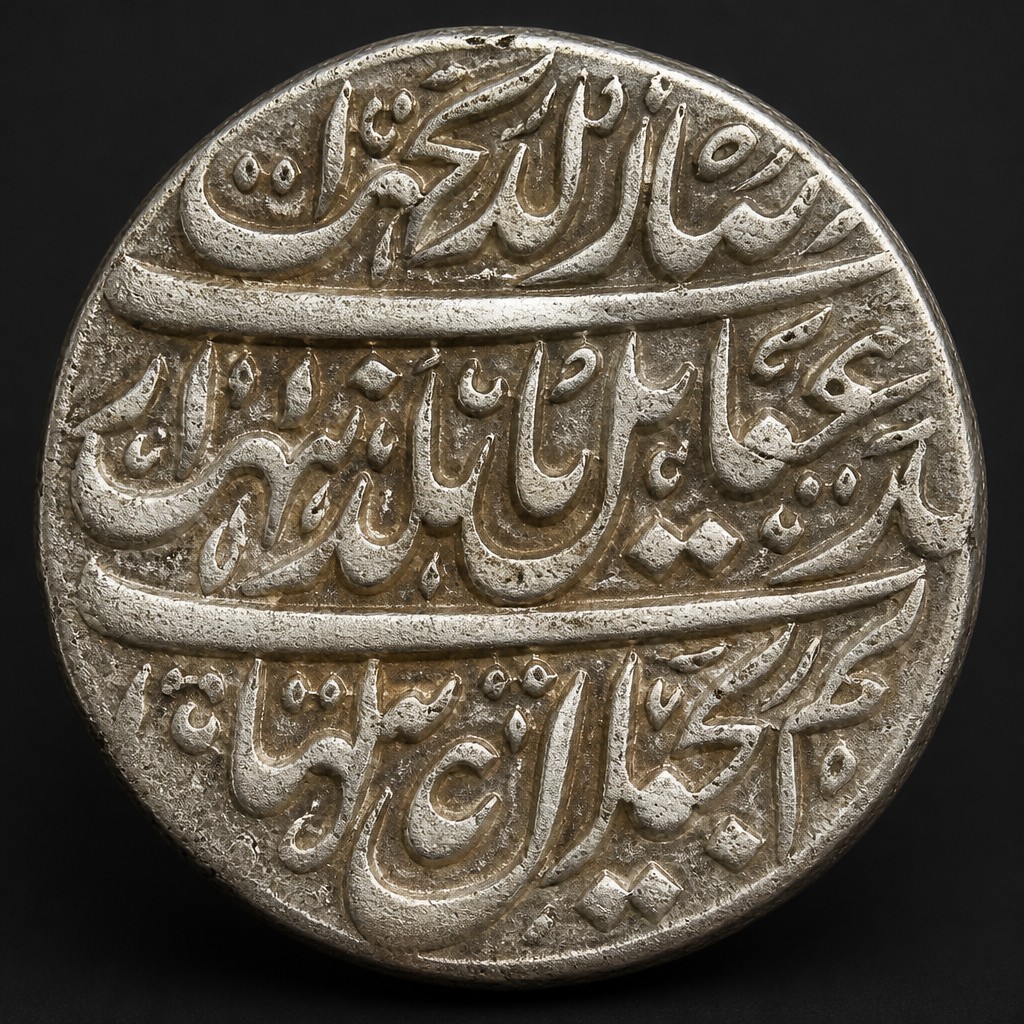
Mughal Silver Rupee (Akbar)
A silver rupee struck under Emperor Akbar, who standardized the denomination's weight and calligraphic design, establishing a coin type that shaped Indian currency for centuries.
Asian