
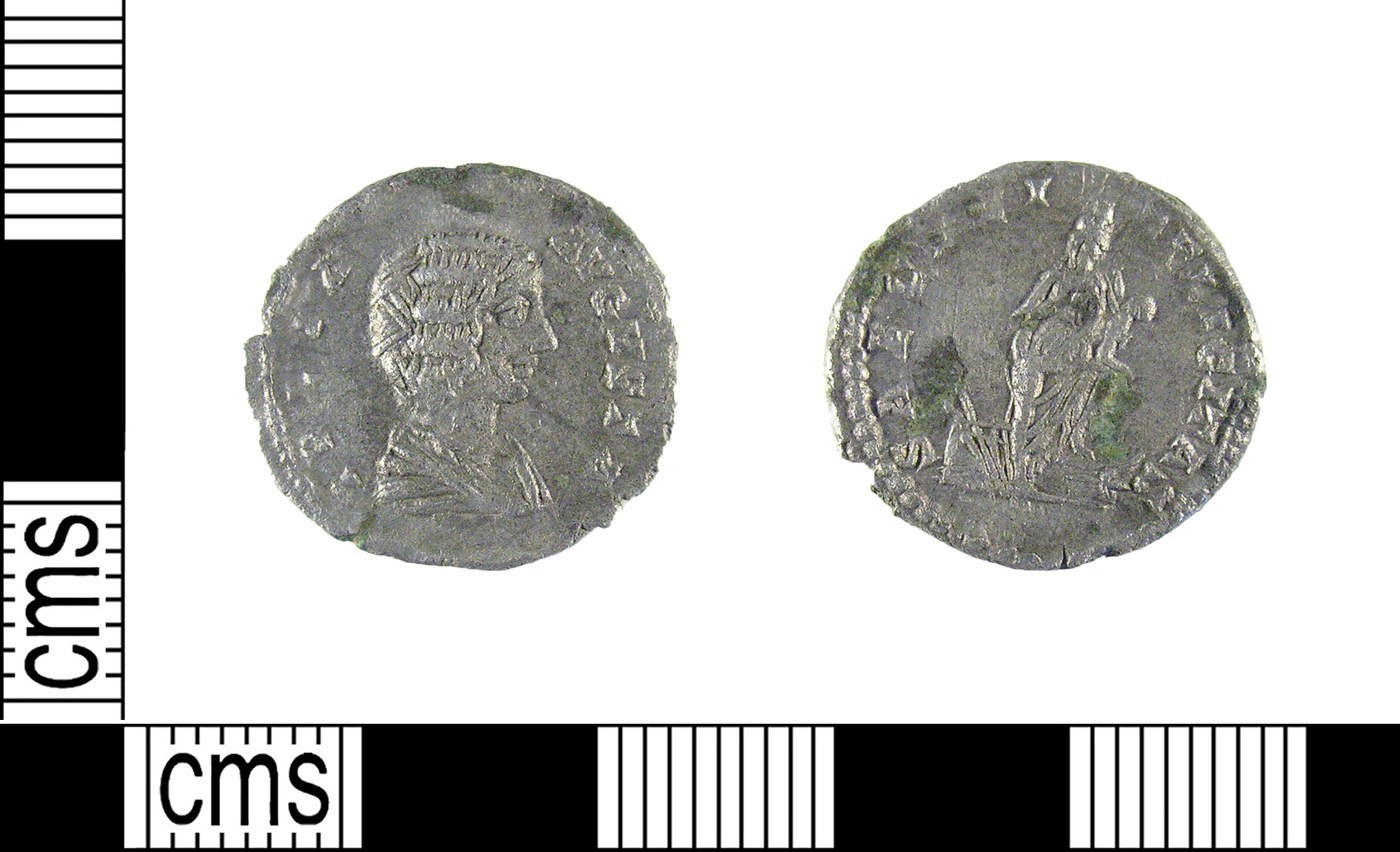
Denarius of Julia Domna
Roman silver denarius of the empress Julia Domna (193-217 CE), with her draped bust and a standing goddess or personification on the reverse.
- Country
- Roman Empire
- Denomination
- Denarius
- Metal
- Silver
Got a coin like this?
Identify any coin from a photo, free.
Overview
The Denarius of Julia Domna is a small silver coin of the Roman Empire struck in the name of Julia Domna, wife of the emperor Septimius Severus and mother of Caracalla and Geta. The obverse carries her draped bust facing right, with her hair dressed in the distinctive tiered, wave-and-bun style of the Severan court. The reverse, as on this example, shows a draped standing figure — typically a goddess or personified virtue such as Pietas, Pudicitia, Juno, Venus, or Vesta.
As a denarius, this was the standard everyday silver coin of the Roman world, roughly 18-20 mm across and light in the hand. Coins in Julia Domna's name were produced in large numbers across the Severan period, which makes them one of the more accessible ways for collectors to own a genuine ancient Roman empress portrait in silver.
History & Background
Julia Domna (c. 160-217 CE) came from a prominent family of Emesa in Roman Syria and became empress when her husband Septimius Severus seized power in 193 CE, founding the Severan dynasty. She held the title Augusta and appeared on the imperial coinage throughout her husband's reign and into the reigns of her sons Caracalla and Geta, giving her name a presence on Roman silver across roughly a quarter-century.
Imperial women were regularly honored on coinage, and Julia Domna's issues are especially rich. Their reverses advertise the virtues and religious roles associated with an empress — piety, chastity, motherhood, and the protection of the great goddesses — reinforcing the dynasty's public image. Because she outlived Septimius Severus and remained influential under Caracalla, her coins were struck over an unusually long span for an imperial consort.
The denarius itself was the backbone of the Roman monetary system. By Julia Domna's era its silver content had already been reduced from earlier standards, part of a long slide that would eventually see the denarius replaced. Her coins therefore sit near the end of the classic silver denarius tradition.
How to Identify
The key is the obverse portrait and legend. Look for a female bust facing right with elaborately arranged, ridged hair framing the face, accompanied by a legend built around her name — most often IVLIA DOMNA AVG or simply IVLIA AVGVSTA. The absence of a male emperor's portrait, combined with that hairstyle and name, marks the coin as hers.
The reverse on this piece shows a draped figure standing, usually holding an attribute (a patera, scepter, child, or offering) with an identifying legend around the edge such as PIETAS, VENVS, IVNO, VESTA, or PVDICITIA. The specific goddess or personification depends on the individual type; the standing pose and drapery are the shared visual cue.
In hand it should be a small silver coin, about 18-20 mm in diameter and typically around 2.5-3.5 grams, hand-struck so the flan is slightly irregular and the strike often off-center. Genuine metal shows a soft gray silver surface, sometimes with toning or find patina, rather than a bright modern shine or a yellowish base-metal cast.
Value & Collectibility
Julia Domna denarii are among the more affordable genuine ancient Roman silver coins because they were struck in quantity and survive in large numbers. Worn but clearly identifiable examples commonly change hands in the low-to-mid tens of dollars, while well-centered, sharply detailed portraits with attractive toning bring more. Scarcer reverse types and exceptional condition push prices higher.
Condition and eye appeal drive value: a clear, well-centered portrait, complete legends, and a fully struck reverse figure matter far more than for modern machine-struck coins, where every piece is identical. Encrustation, corrosion, tooling, or harsh cleaning reduce desirability.
Because reverse types vary widely and ancient prices swing with the market, confirm any figure against recent auction results for the same type and grade. Coins from a reputable dealer or with third-party ancient certification carry less authenticity risk, which is worth paying a premium for.
Frequently asked questions
Who was Julia Domna?
She was a Roman empress from Syria, wife of Septimius Severus and mother of the emperors Caracalla and Geta. She held the title Augusta and appeared on imperial coinage from 193 CE into the reign of her sons.
How do I know the portrait is Julia Domna and not another empress?
Look for her name in the obverse legend, usually IVLIA DOMNA AVG or IVLIA AVGVSTA, combined with a right-facing female bust wearing the distinctive tiered Severan hairstyle. The name in the legend is the decisive clue.
What is the standing figure on the reverse?
It is a goddess or personified virtue such as Pietas, Pudicitia, Juno, Venus, or Vesta. The reverse legend names the figure. Julia Domna's coins used many such types, so the exact one depends on the individual coin.
Is a Julia Domna denarius made of real silver?
Yes, the denarius was Rome's standard silver coin, though by this period its silver content had been reduced. Expect a small coin about 18-20 mm across and roughly 2.5-3.5 grams with a gray silver surface.
Are these coins rare or valuable?
They are widely available rather than rare, since they were minted in large numbers. Most identifiable examples are modestly priced, while well-centered, sharply struck coins and scarcer reverse types command higher premiums.
Denarius of Julia Domna guides
In-depth guides for identifying, valuing, and collecting Denarius of Julia Domna.
Other coins you may enjoy
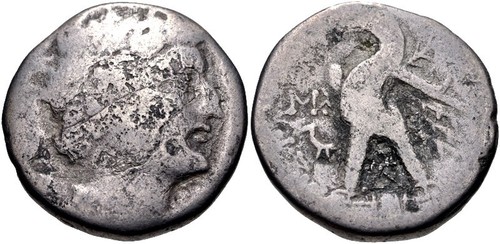
Tetradrachm of Ptolemy XII
80-51 BC
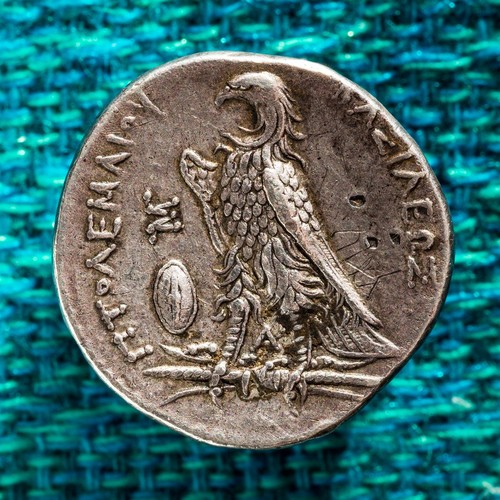
Tetradrachm of Ptolemy I
305-283 BC
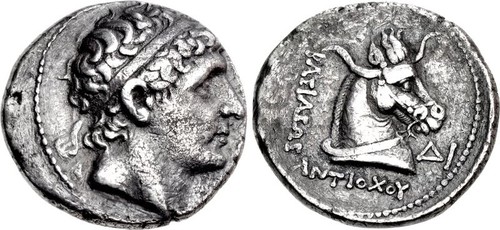
Tetradrachm of Antiochos I Soter
281-261 BC
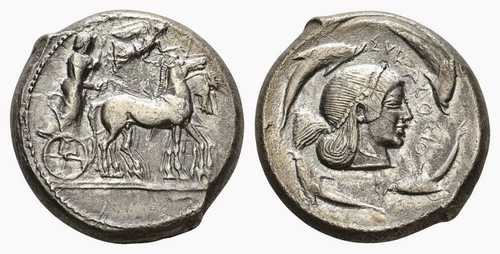
Syracuse Tetradrachm
c. 5th-4th century BC (Classical period)
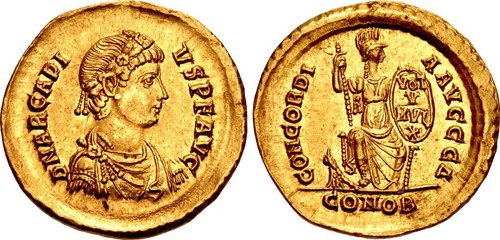
Solidus of Arcadius
AD 395-402
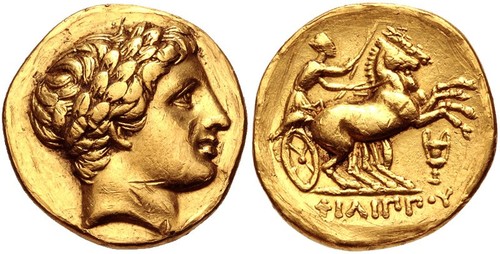
Philip III Gold Stater
323-317 BC
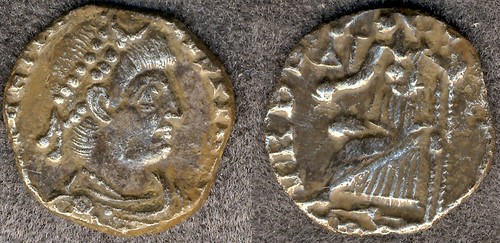
Siliqua of Gratian
AD 367-383
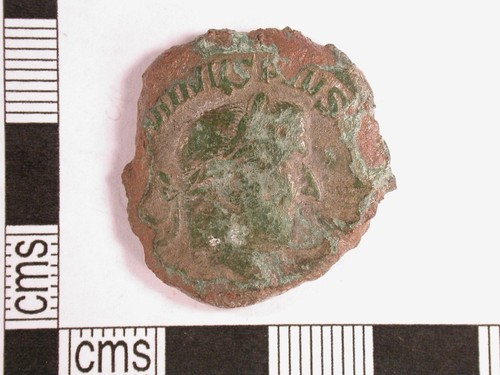
Sestertius of Maximinus Thrax
235-238 AD
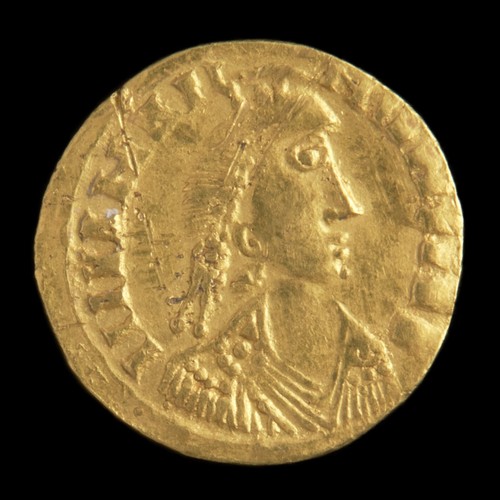
Solidus of Valentinian III
AD 425-455
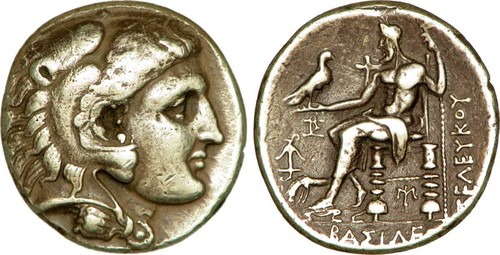
Seleucus I Nicator Tetradrachm
Late 4th-3rd century BC
Nummus of Magnentius
AD 350-353
Follis of Galerius
AD 308-310