
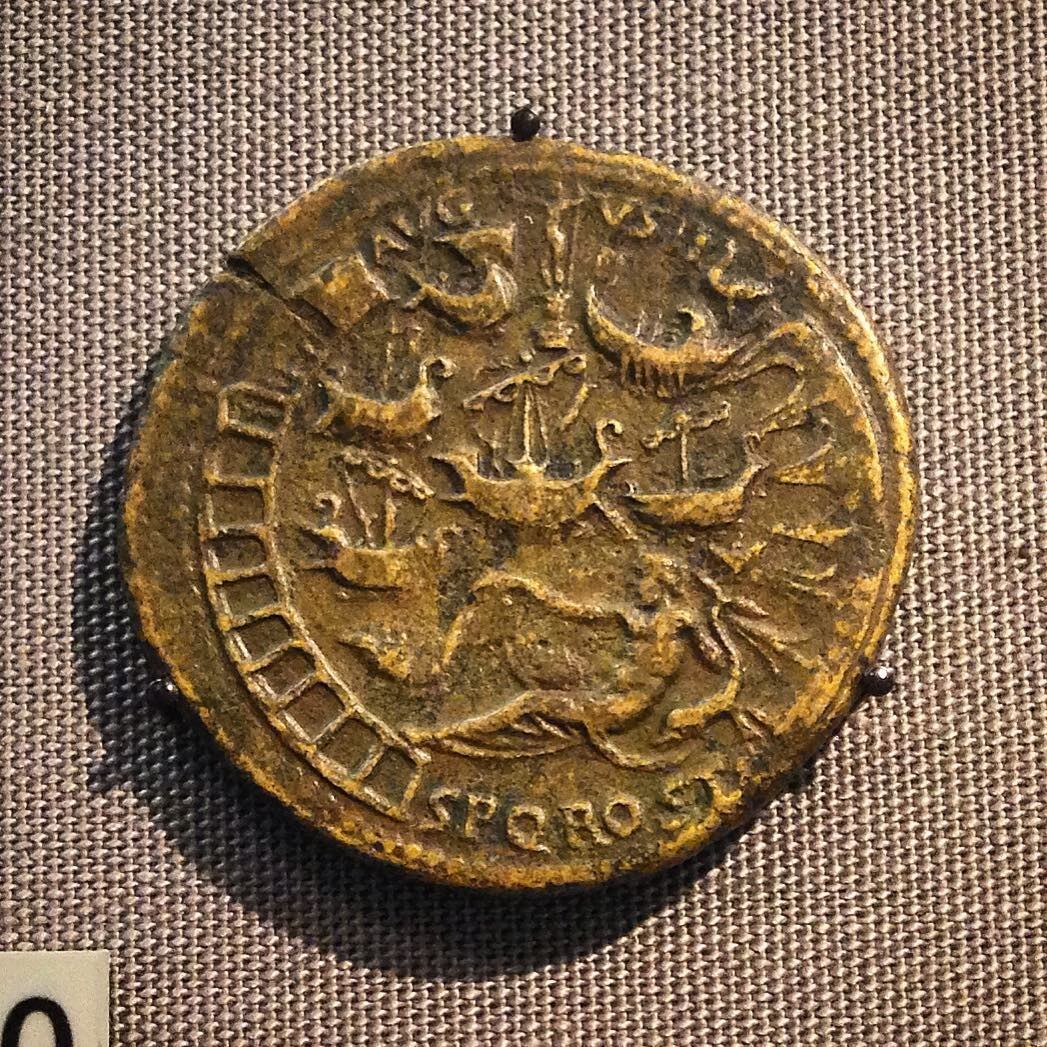
Sestertius of Nero (Port of Ostia)
A large brass sestertius of the emperor Nero (54–68 AD) showing his portrait on one side and a bird's-eye view of the harbour at Ostia on the other.
- Country
- Roman Empire
- Denomination
- Sestertius
- Metal
- Brass
Got a coin like this?
Identify any coin from a photo, free.
Overview
This is a Roman brass sestertius struck under the emperor Nero, one of the most celebrated architectural coin types of the ancient world. One face carries a laureate portrait of Nero facing right, while the reverse presents an ambitious aerial-style view of the harbour of Ostia, the port that supplied grain to the city of Rome.
The sestertius was the largest of the everyday Roman brass denominations, and its broad flan gave engravers room for detailed scenes. The Ostia reverse is packed with incident: curved breakwater moles, ships riding at anchor, a reclining river or sea god in the foreground, a figure or statue crowning the harbour entrance, and small architectural structures around the basin. It is a prized type among collectors of Roman Imperial bronze because of its scale, its historical subject, and the sheer complexity of its design.
History & Background
Nero ruled the Roman Empire from 54 to 68 AD, and his coinage includes some of the finest large brass pieces of the first century. The Port of Ostia sestertius commemorates the artificial harbour, known as Portus, that had been begun under the emperor Claudius and completed in the Neronian period to secure Rome's grain supply from Egypt and the provinces.
The type is generally dated to the middle and later part of Nero's reign, when the imperial mint at Rome (and, for a period, a mint at Lugdunum in Gaul) produced abundant and artistically accomplished aes coinage. The harbour scene is essentially a piece of political messaging, advertising the emperor as guarantor of the food supply and master of great public works. After Nero's fall in 68 AD his portrait coinage largely ceased, which fixes this issue firmly within his fourteen-year reign.
Because it was a striking and popular design, the Ostia sestertius was collected and admired in later centuries, and it has been reproduced and copied many times, from Renaissance-era "Paduan" medallic imitations to modern replicas.
How to Identify
Begin with size and metal. A sestertius is a large, heavy coin, typically around 34–36 mm across, struck in golden-toned brass (the Roman alloy orichalcum) rather than red copper or silver. Genuine ancient examples usually show an earthy brown, green, or reddish patina over the brass core.
The obverse shows a mature male portrait, Nero, facing right, usually laureate, with a heavy neck and distinctive features, encircled by a Latin legend giving his names and titles. The defining feature is the reverse: a schematic bird's-eye view of the harbour at Ostia. Look for the enclosing arms of the breakwater, multiple small ships within the basin, a large figure of a reclining deity along the bottom, and a standing figure or statue at the top of the harbour mouth. Small letters in the field or exergue often abbreviate the harbour name and the senatorial mint formula.
The combination of Nero's right-facing portrait with this crowded harbour panorama is unmistakable and does not occur on any other emperor's coinage, which makes secure identification straightforward once the reverse scene is recognized.
Value & Collectibility
Authentic Nero Port of Ostia sestertii are scarce and highly sought after, and they sit at the upper end of the Roman bronze market. Even worn, corroded, or heavily smoothed genuine examples generally command prices in the hundreds to low thousands of dollars, while well-centered pieces with clear harbour detail and attractive patina can reach into the many thousands or higher at auction.
Condition drives value dramatically here: the appeal of the type lies in the legibility of the harbour scene, so coins with sharp moles, distinct ships, and a strong portrait bring substantial premiums over tired, smoothed, or tooled specimens. Provenance and the quality of the patina also matter a great deal to specialist buyers.
Because of the type's fame and value, the market is full of later copies, casts, and "Paduan" imitations, some of them centuries old and collectible in their own right but worth a fraction of a genuine ancient strike. Any significant purchase should rest on expert attribution or third-party authentication rather than appearance alone.
Frequently asked questions
What is shown on the reverse of this coin?
The reverse is a bird's-eye view of the harbour at Ostia, the port of Rome. It shows the curving breakwaters, ships at anchor, a reclining river or sea god at the bottom, and a standing figure or statue at the top of the harbour mouth.
Who is the man on the front?
The portrait is the Roman emperor Nero, who reigned from 54 to 68 AD. He is shown facing right, usually wearing a laurel wreath, surrounded by a Latin legend of his imperial titles.
What is the coin made of?
It is a sestertius struck in brass, the golden-toned Roman alloy called orichalcum. Ancient examples normally carry a brown, green, or reddish patina over the brass, not the bright yellow of fresh metal.
Are most of these coins genuine or copies?
Because the type is famous and valuable, it has been widely imitated, including old Renaissance 'Paduan' versions and modern casts. Genuine ancient strikes exist but any high-value purchase should be authenticated by a specialist.
Why was the port of Ostia put on a coin?
The harbour secured Rome's grain supply, so depicting it advertised the emperor as provider of food and builder of great public works. It was a piece of imperial propaganda as much as a picture of a real place.
Sestertius of Nero (Port of Ostia) guides
In-depth guides for identifying, valuing, and collecting Sestertius of Nero (Port of Ostia).
Other coins you may enjoy
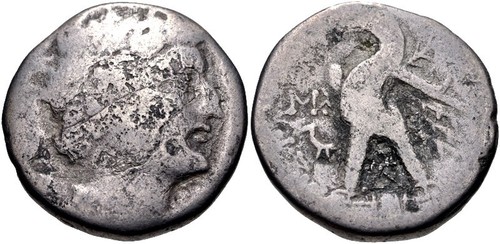
Tetradrachm of Ptolemy XII
80-51 BC
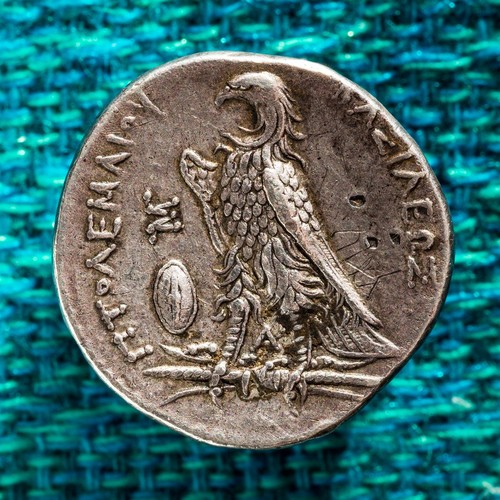
Tetradrachm of Ptolemy I
305-283 BC
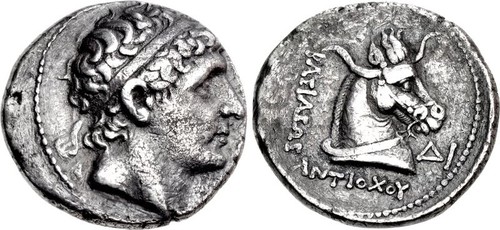
Tetradrachm of Antiochos I Soter
281-261 BC
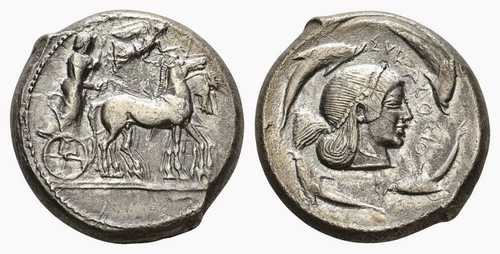
Syracuse Tetradrachm
c. 5th-4th century BC (Classical period)
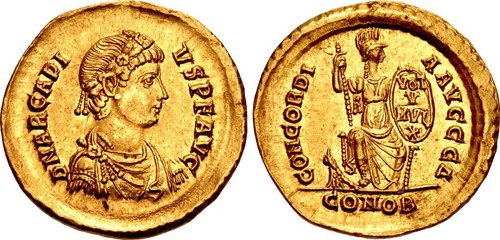
Solidus of Arcadius
AD 395-402
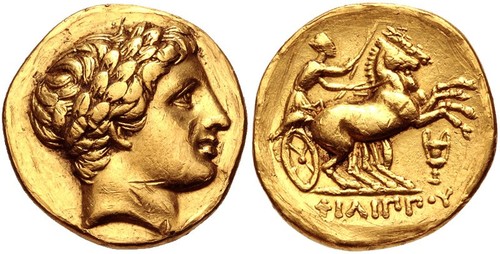
Philip III Gold Stater
323-317 BC
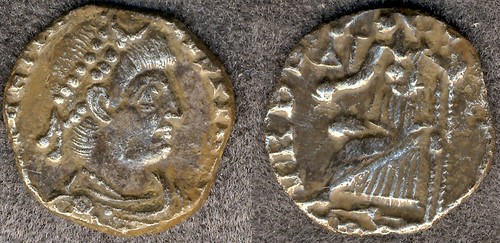
Siliqua of Gratian
AD 367-383
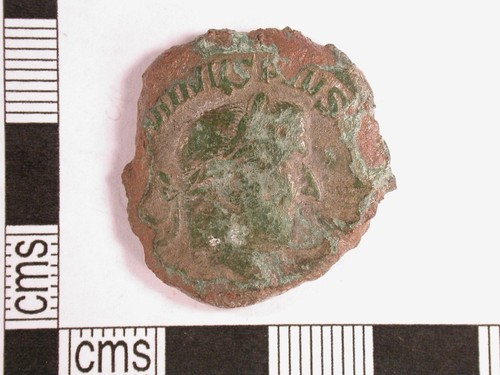
Sestertius of Maximinus Thrax
235-238 AD
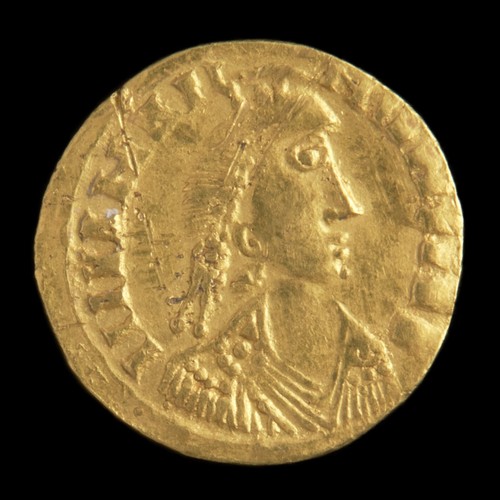
Solidus of Valentinian III
AD 425-455
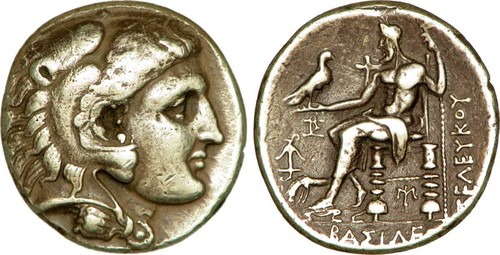
Seleucus I Nicator Tetradrachm
Late 4th-3rd century BC
Nummus of Magnentius
AD 350-353
Follis of Galerius
AD 308-310