
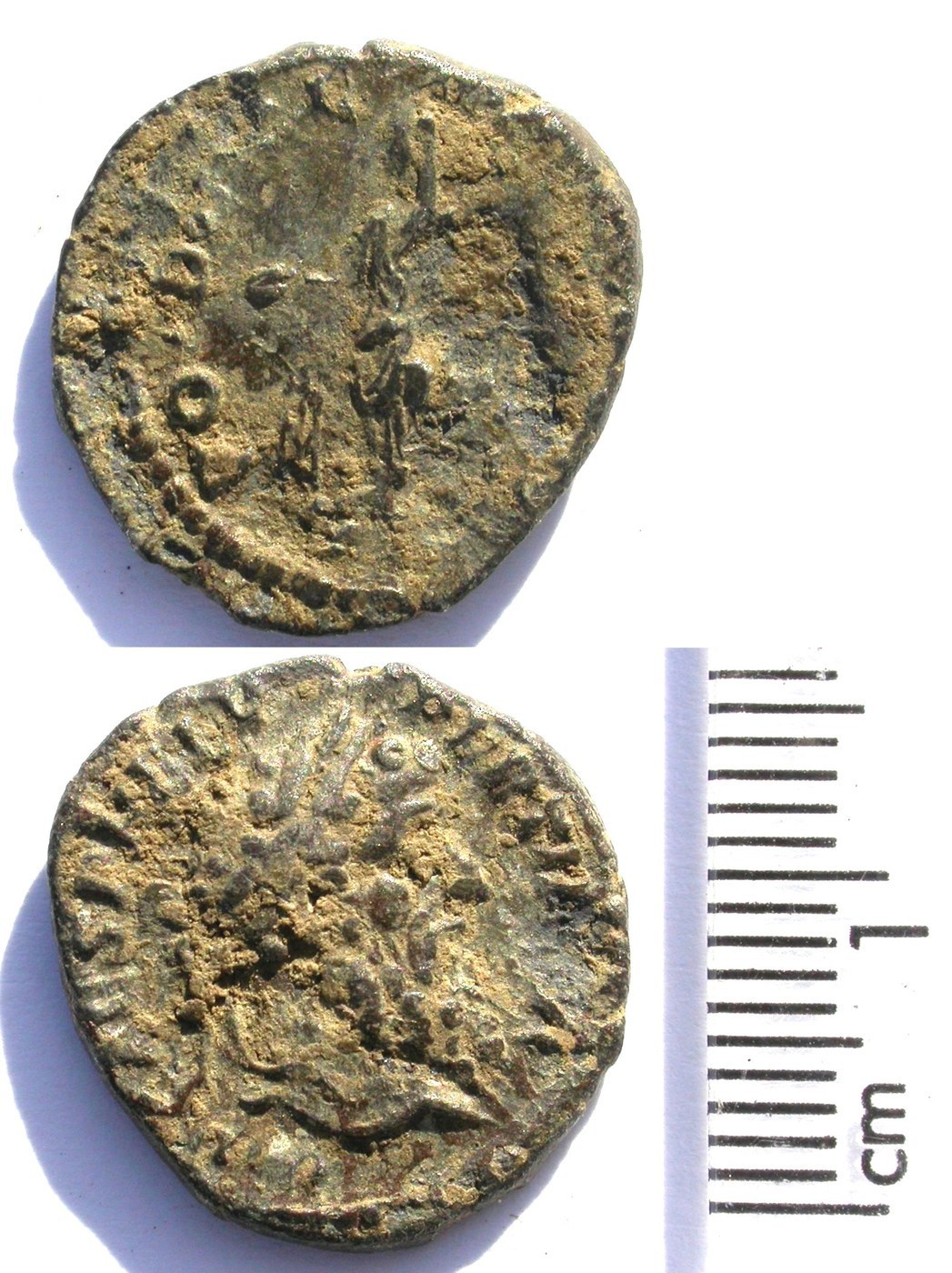
Denarius of Pertinax
A rare silver denarius of Pertinax, Roman emperor for 86 days in 193 AD, showing his laureate portrait and a personification reverse.
- Country
- Roman Empire
- Denomination
- Denarius
- Metal
- Silver
Got a coin like this?
Identify any coin from a photo, free.
Overview
This is a Roman silver denarius struck for the emperor Pertinax (Publius Helvius Pertinax), whose reign lasted only about three months in the year 193 AD. The obverse carries his laureate head facing right, encircled by his imperial titulature, while the reverse typically shows a standing personification such as Providentia, Ops, Laetitia, or Aequitas holding attributes appropriate to the legend.
Because Pertinax ruled for so short a time, coinage in his name was produced only in a brief window at the mint of Rome. Denarii are the most commonly encountered silver denomination, but even these are genuinely scarce compared with the coinage of longer-reigning emperors, and the type is a prized target for collectors of the Roman imperial series.
The portrait is distinctive: a mature, bearded man with receding hair, reflecting that Pertinax came to the throne as an experienced senator and general already in his sixties.
History & Background
Pertinax was proclaimed emperor on 1 January 193 AD following the assassination of Commodus, opening the turbulent "Year of the Five Emperors." A career soldier and administrator of humble birth, he attempted to restore discipline and sound finances, but his reforms antagonized the Praetorian Guard, who murdered him on 28 March 193 after a reign of roughly 86 days.
His coinage was struck at Rome during those few weeks. The reverse legends emphasize themes of stability and legitimacy that suited a reformer trying to reassure the state, including PROVID(entia) DEOR(um), OPI DIVIN(ae), LAETITIA TEMPOR(um), AEQVIT(as) AVG, and vows for the future (VOT DECEN). Many carry the title COS II, marking his second consulship held that year.
After his death the throne was effectively auctioned to Didius Julianus, and Pertinax was later deified by Septimius Severus, who styled himself the avenger of Pertinax. Because production was so brief, surviving coins are comparatively few, which is why they remain historically significant and collectible today.
How to Identify
The defining feature is the obverse legend, which for the denarius reads IMP CAES P HELV PERTIN AVG ("Emperor Caesar Publius Helvius Pertinax Augustus") around a laureate, bearded head facing right. The portrait shows an older man with a full beard and receding hairline, quite different from the younger idealized emperors of the era.
The reverse presents a standing figure or personification with a matching legend: common types include Providentia raising a hand toward a star, Ops seated, Laetitia with wreath and sceptre, and Aequitas holding scales and cornucopia. Many reverses end in COS II or carry vota legends such as VOT DECEN TR P COS II. The metal is silver, and a genuine denarius of this period is roughly 17–19 mm across and about 2.5–3.4 grams.
Because the reign was so short, all authentic pieces come from the mint of Rome; there are no provincial or branch-mint denarii. Read both legends fully before attributing the coin, since the portrait alone can resemble other bearded emperors of the Severan period.
Value & Collectibility
Pertinax denarii are scarce and command strong prices relative to common Roman silver. Because of the very short reign, even worn examples carry a meaningful premium, and well-centered coins with a clear portrait and legible legends sell for substantially more. Exact figures vary widely with condition, style, and the specific reverse type.
As a guide, heavily worn or problem coins tend to sell in the low-to-mid hundreds of dollars, attractive Very Fine examples in the mid-hundreds to low thousands, and choice, well-struck pieces well into the thousands. Rare reverse types and superb portraits can exceed these ranges at auction.
Authenticity is the single biggest factor for value: this is a heavily forged emperor, so confirmed genuine, professionally attributed coins are worth far more than uncertain ones. For any purchase or appraisal, rely on a reputable ancient-coin specialist or third-party authentication rather than a single online listing.
Frequently asked questions
Why are Pertinax coins so rare?
Pertinax reigned for only about 86 days in 193 AD, so coinage was struck for a very short period at the mint of Rome, leaving relatively few surviving pieces compared with longer-reigning emperors.
What does the obverse legend say?
The denarius obverse typically reads IMP CAES P HELV PERTIN AVG, Latin for "Emperor Caesar Publius Helvius Pertinax Augustus," around his laureate, bearded head facing right.
What is on the reverse?
Reverses usually show a standing personification such as Providentia, Ops, Laetitia, or Aequitas, with a legend reflecting stability and legitimacy, often ending in COS II or carrying vota inscriptions.
Are these coins often faked?
Yes. Because Pertinax is a short-lived and desirable emperor, both modern forgeries and tooled or altered coins exist. Buy only from reputable specialists or with third-party authentication.
How big is a genuine Pertinax denarius?
A silver denarius of this period is roughly 17–19 mm in diameter and about 2.5–3.4 grams. Coins far outside this range warrant caution.
Denarius of Pertinax guides
In-depth guides for identifying, valuing, and collecting Denarius of Pertinax.
Other coins you may enjoy
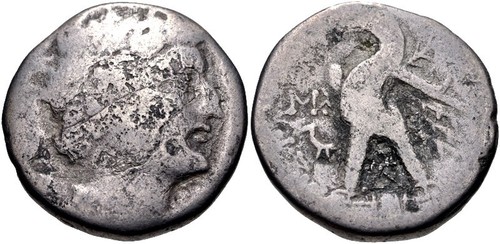
Tetradrachm of Ptolemy XII
80-51 BC
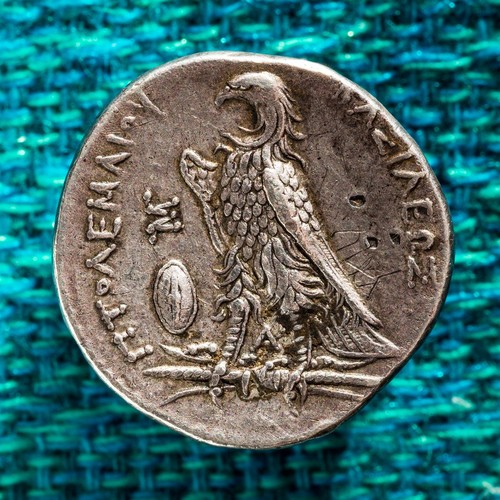
Tetradrachm of Ptolemy I
305-283 BC
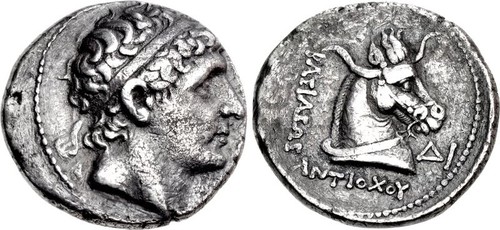
Tetradrachm of Antiochos I Soter
281-261 BC
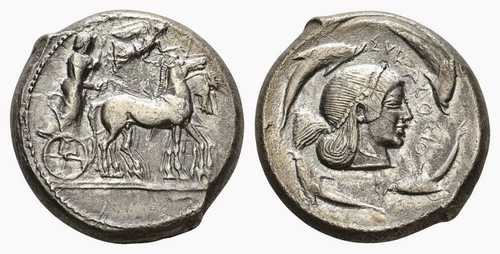
Syracuse Tetradrachm
c. 5th-4th century BC (Classical period)
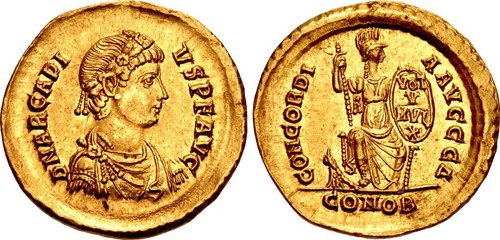
Solidus of Arcadius
AD 395-402
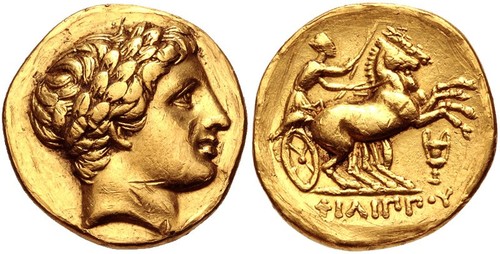
Philip III Gold Stater
323-317 BC
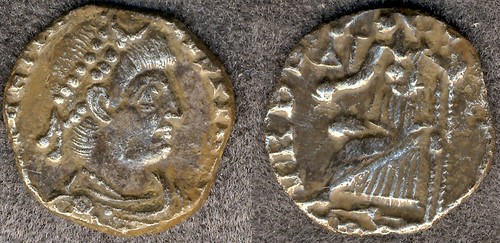
Siliqua of Gratian
AD 367-383
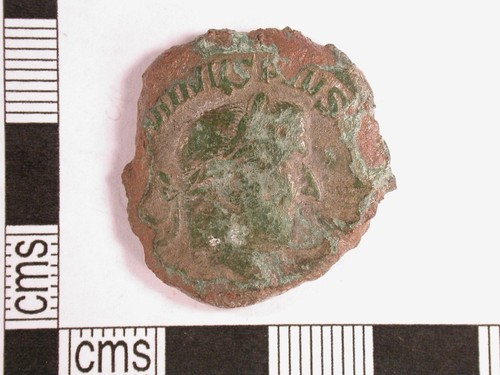
Sestertius of Maximinus Thrax
235-238 AD
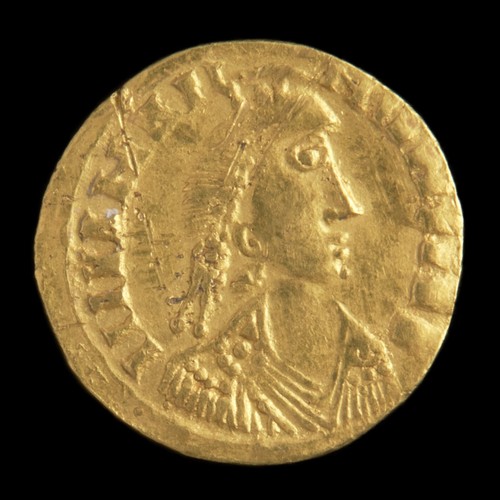
Solidus of Valentinian III
AD 425-455
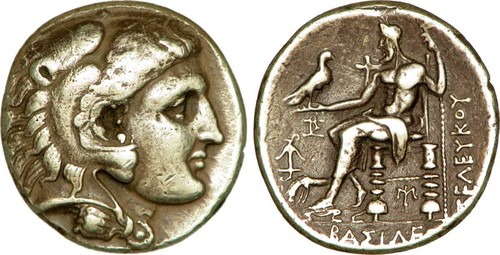
Seleucus I Nicator Tetradrachm
Late 4th-3rd century BC
Nummus of Magnentius
AD 350-353
Follis of Galerius
AD 308-310