
How to Identify the Denarius of Pertinax
Confirm a Pertinax denarius by its IMP CAES P HELV PERTIN AVG legend, older bearded portrait, silver fabric, and personification reverse.
Read the full Denarius of Pertinax encyclopedia entry →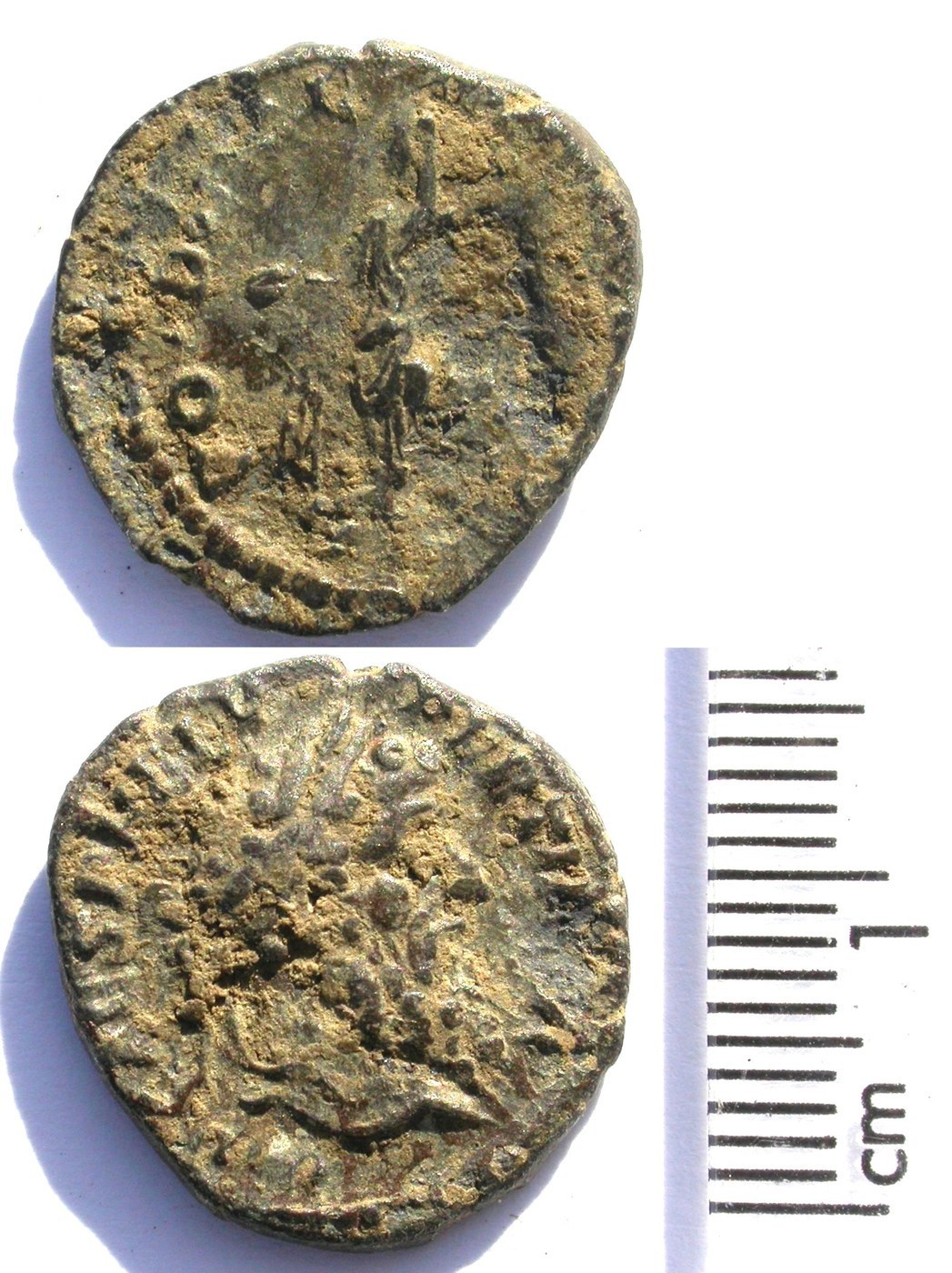
Begin with the obverse legend, which is the most reliable diagnostic. A genuine Pertinax denarius reads IMP CAES P HELV PERTIN AVG around a laureate head facing right. The portrait itself is a strong clue: Pertinax is shown as a mature man in his sixties with a full beard and receding hairline, not the youthful or heavily curled portraits of many contemporaries. Read the whole legend rather than relying on the face alone.
Examine the reverse and its legend together. Authentic types show a single standing or seated personification with an inscription that matches the figure: Providentia reaching toward a star (PROVID DEOR COS II), Ops seated (OPI DIVIN TR P COS II), Laetitia with wreath (LAETITIA TEMPOR AVG), Aequitas with scales and cornucopia (AEQVIT AVG TR P COS II), or vota legends such as VOT DECEN TR P COS II. The recurring COS II reference to his second consulship in 193 is a useful confirmation.
Check the physical fabric. This should be a silver coin roughly 17–19 mm across and about 2.5–3.4 grams, struck (not cast), with the slightly irregular flan and hand-engraved style of a Roman imperial denarius. All genuine pieces come from the mint of Rome, so there are no branch-mint marks to look for; a coin claiming an unusual mint or an unusually perfect, seam-edged flan is suspect.
Be alert to look-alikes and fakes. Bearded Severan-era emperors such as Septimius Severus and Pescennius Niger can resemble Pertinax at a glance, so the legend is decisive. Because Pertinax is highly desirable, cast copies, transfer-die forgeries, and tooled coins (where details are re-engraved to improve a worn piece) are common. Weigh and measure the coin, look for casting bubbles or a soft mushy strike, and compare the portrait style against published references. For any coin of real value, obtain attribution and authentication from a reputable ancient-coin specialist or grading service before buying.
Frequently asked questions
How do I tell Pertinax from other bearded emperors?
Read the obverse legend. Pertinax denarii carry IMP CAES P HELV PERTIN AVG. Similar bearded portraits of Septimius Severus or Pescennius Niger have different legends, so the inscription, not the face, is the deciding factor.
What weight and size should I expect?
A genuine denarius of this period is about 17–19 mm in diameter and roughly 2.5–3.4 grams of silver, struck on a slightly irregular hand-made flan. Cast or off-weight pieces should be treated with suspicion.
Are there any mint marks to check?
No. Pertinax denarii were all struck at the mint of Rome during his brief reign, so there are no branch-mint marks. Attribution relies on the obverse and reverse legends and the reverse type instead.
How can I be confident a Pertinax coin is authentic?
Because this emperor is frequently forged, compare style and legends to trusted references, check weight and diameter, and look for casting or tooling. For meaningful purchases, rely on a reputable specialist dealer or third-party authentication.