
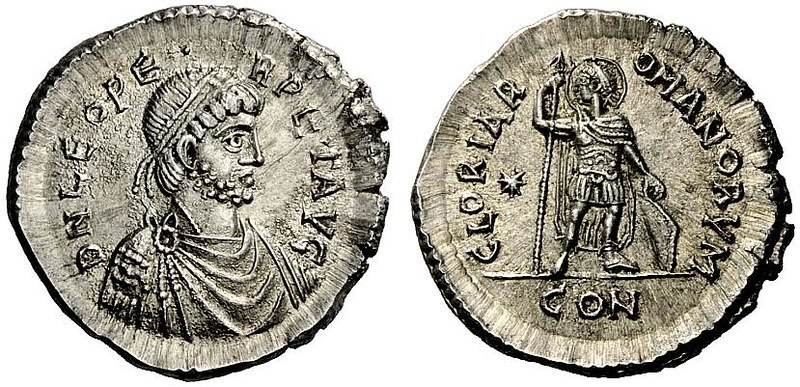
Miliarense of Leo I
Eastern Roman silver miliarensis of Leo I (AD 457-474), showing his diademed bust and a standing military figure with spear and shield.
- Country
- Roman Empire
- Denomination
- Miliarensis
- Metal
- Silver
Got a coin like this?
Identify any coin from a photo, free.
Overview
The Miliarense of Leo I is a silver coin of the Eastern Roman (early Byzantine) Empire, struck during the reign of Leo I from AD 457 to 474. The obverse carries the emperor's bust wearing a pearl diadem, while the reverse shows a standing figure holding a spear and shield, a military-triumph image typical of late Roman silver.
The miliarensis was a mid-value silver denomination that sat between the gold and the smaller silver coins of the period. Compared with the everyday bronze of the fifth century, surviving miliarenses of Leo I are relatively scarce, and their broad, thin silver flans and formal imperial imagery make them a recognizable and desirable late-Roman type.
History & Background
Leo I, sometimes called Leo the Thracian, ruled the Eastern Roman Empire from 457 to 474 and was the first emperor known to have been crowned by the Patriarch of Constantinople, a moment that signalled the growing role of the Church in imperial ceremony. His reign fell in the decades when the Western Empire was collapsing while the East consolidated the institutions that would become Byzantium.
The miliarensis was a silver denomination of the late Roman monetary system, introduced in the fourth century and struck alongside the gold solidus and the smaller silver siliqua. By Leo's day silver was minted in far smaller quantities than gold, so the miliarensis was more a prestige and donative coin than a workhorse of daily trade. Pieces were produced at the major Eastern mints, above all Constantinople.
The standing spear-and-shield reverse belongs to a long tradition of late-Roman military-victory imagery, presenting the emperor or an imperial figure as the armed guarantor of Roman strength (gloria Romanorum). Struck as the Western half of the empire dissolved, coins like this show the East still projecting the old message of Roman power in silver.
How to Identify
Identify this type first by the diademed imperial bust on the obverse: a profile wearing a pearl diadem, usually draped and cuirassed, with a Latin legend built around the name LEO (commonly forms such as D N LEO PERPET AVG). The name in the legend is the surest confirmation that the coin belongs to Leo I rather than another fifth-century ruler.
The reverse shows a standing figure holding a spear and a shield, an armed military or triumphal image, typically with a legend on the theme of Roman glory (GLORIA ROMANORVM) and a mint mark in the exergue. It is struck in silver on a broad, comparatively thin flan; a miliarensis generally runs roughly 20-24 mm across and about 4 to 5.5 grams, the exact target depending on whether it is a heavier or lighter miliarensis standard.
Because silver of this era tones, expect grey or darker surfaces rather than bright white metal. Look for a mint mark in the reverse exergue (Constantinople issues are the most common) and for the crisp, formal style of an official late-Roman die.
Value & Collectibility
As a scarce silver denomination of a fifth-century emperor, the Miliarense of Leo I is valued well above the empire's common bronze, and genuine examples are actively sought by collectors of late-Roman and early-Byzantine coinage. Because relatively few survive and condition varies widely, prices span a broad range rather than a single figure.
Worn or off-centre pieces with weak legends sit at the lower end, while well-centred coins with a clear portrait, sharp reverse, and attractive toning command substantial premiums. Silver of this period is prone to porosity, cracking, and old cleaning, all of which weigh on value.
Because the type is scarce and frequently imitated, value is best judged against recent auction results for comparable grade, and a specialist attribution to mint and issue is worth having. Third-party certification reduces risk on higher-value examples.
Frequently asked questions
What is a miliarensis?
The miliarensis was a silver denomination of the late Roman Empire, ranking between the gold solidus and the smaller silver siliqua. In Leo I's time it was struck in modest numbers and often served as a prestige or donative coin rather than everyday change.
Who was Leo I?
Leo I, known as Leo the Thracian, was Eastern Roman emperor from AD 457 to 474. He ruled from Constantinople during the final decades of the Western Empire and was the first emperor recorded as crowned by the Patriarch.
What is shown on the coin?
The obverse shows Leo I in profile wearing a pearl diadem, with a Latin legend naming him. The reverse shows a standing figure holding a spear and shield, a military-glory image typical of late-Roman silver, usually with a mint mark below.
Is it made of real silver?
Yes. The miliarensis is a silver coin, struck on a broad, fairly thin flan of roughly 20-24 mm and about 4 to 5.5 grams. Genuine examples usually show grey or dark toning rather than bright white metal.
Is a miliarense of Leo I rare?
Silver of this reign is much scarcer than the period's bronze, and well-preserved miliarenses are genuinely uncommon. Exact survival numbers are unknown, so scarcity and price are best gauged from recent auction records for similar coins.
Miliarense of Leo I guides
In-depth guides for identifying, valuing, and collecting Miliarense of Leo I.
Other coins you may enjoy
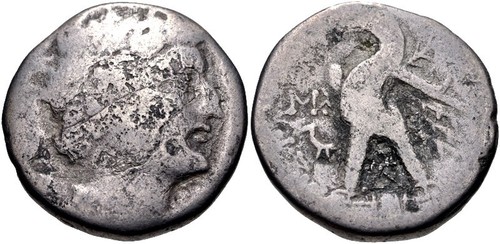
Tetradrachm of Ptolemy XII
80-51 BC
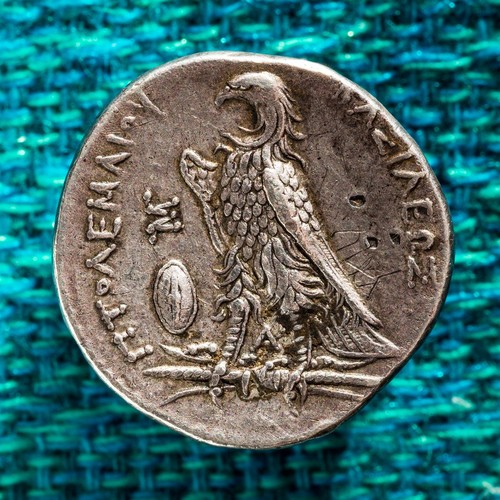
Tetradrachm of Ptolemy I
305-283 BC
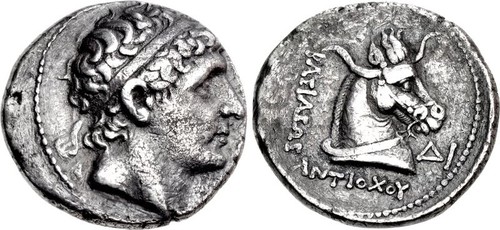
Tetradrachm of Antiochos I Soter
281-261 BC
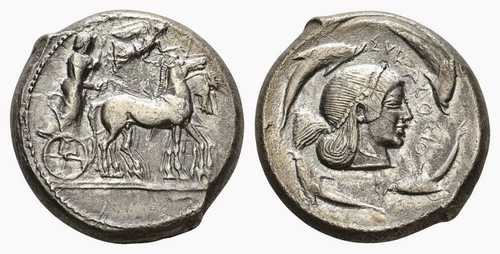
Syracuse Tetradrachm
c. 5th-4th century BC (Classical period)
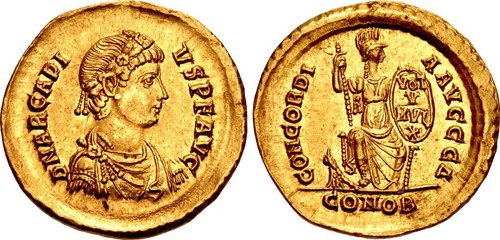
Solidus of Arcadius
AD 395-402
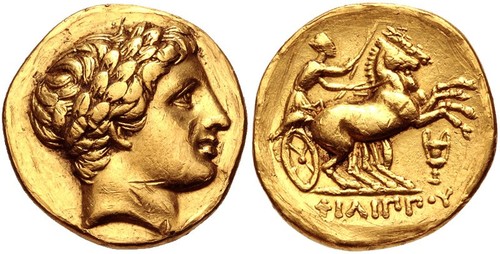
Philip III Gold Stater
323-317 BC
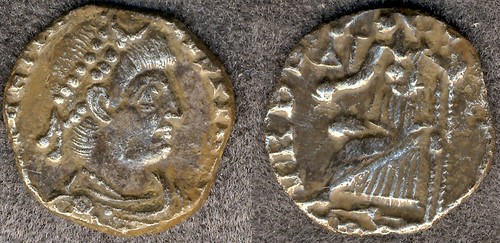
Siliqua of Gratian
AD 367-383
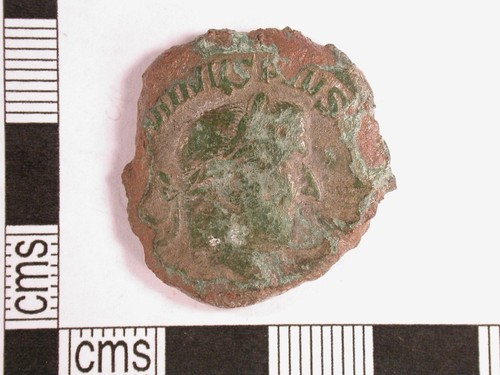
Sestertius of Maximinus Thrax
235-238 AD
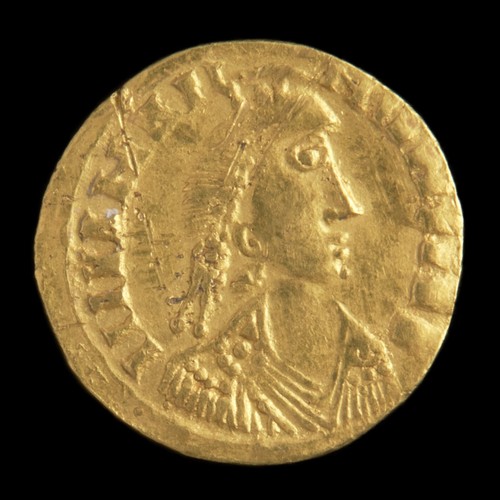
Solidus of Valentinian III
AD 425-455
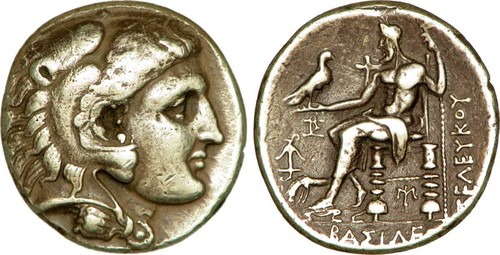
Seleucus I Nicator Tetradrachm
Late 4th-3rd century BC
Nummus of Magnentius
AD 350-353
Follis of Galerius
AD 308-310