
Coin Encyclopedia
Search and identify coins from around the world — with country, denomination, metal, mint, history, and how to tell them apart.
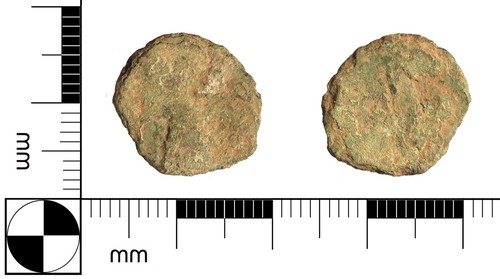
Unidentified Ancient Coin
A worn ancient bronze coin whose exact type is not yet identifiable — a right-facing profile portrait on one side and a faded design on the other.
Ancient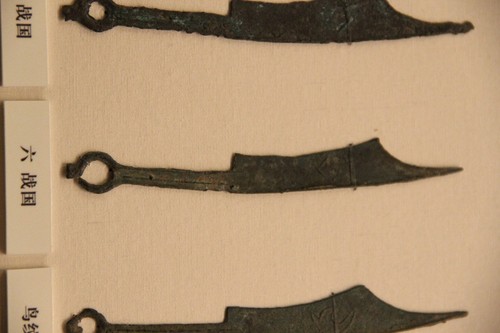
Warring States Knife Coin
A cast bronze knife coin (dao bi) of China's Warring States period, shaped like a small blade with a ringed handle and cast inscriptions.
Ancient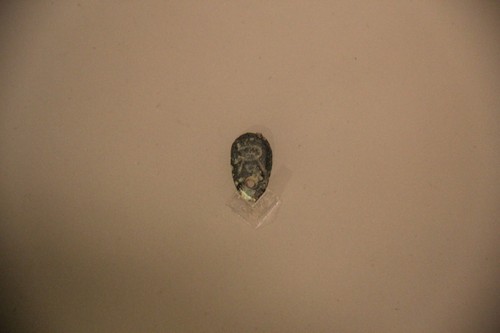
Chu State Ant-Nose Coin
A small cast bronze cowrie-shaped coin of the Chu state, bearing a face-like Chinese inscription in relief, nicknamed ant-nose or ghost-face money.
Ancient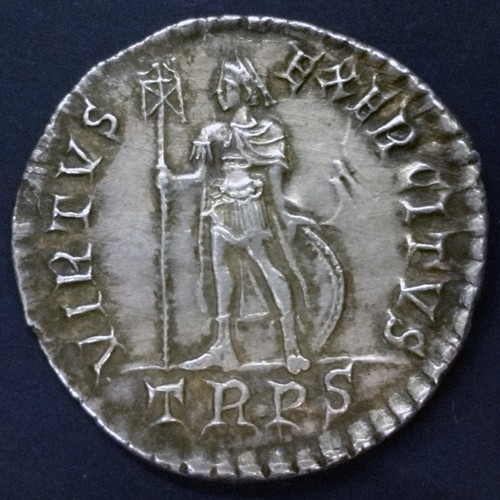
Hoxne Hoard Siliqua
A small late-Roman silver siliqua of the type found in Britain's Hoxne Hoard, with an imperial portrait and a standing figure or personified virtue.
Ancient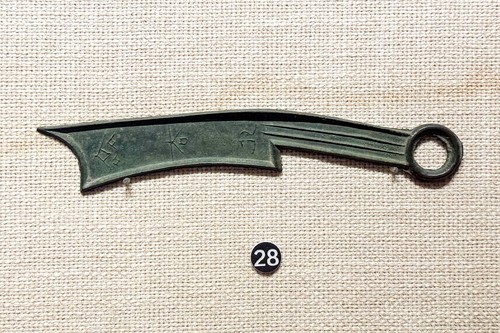
Qi State Knife Coin
A cast bronze knife-shaped coin of the ancient state of Qi, with Chinese characters running down the curved blade and a ringed handle terminal.
Ancient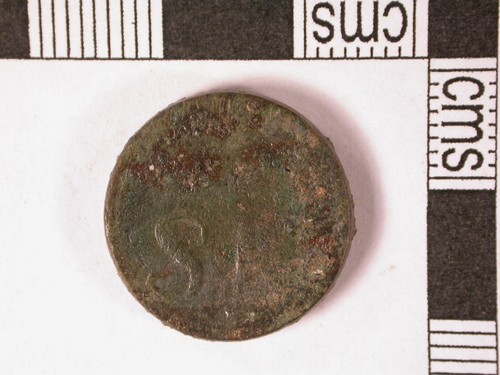
Coin Weight for Louis d'Or
A small bronze monetary weight used to verify a gold Louis d'Or on a balance, showing a worn royal profile and a heraldic reverse.
Token/weight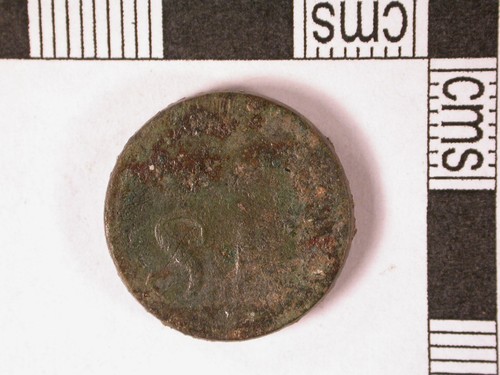
Louis d'Or Coin Weight
A French bronze monetary weight (poids monétaire) made to check the weight of a gold Louis d'Or, not a coin itself but a money-changer's balance weight.
Coin Weight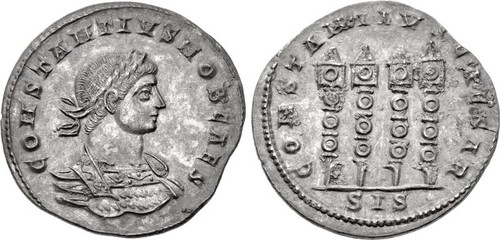
Miliarensis of Constantius II
A late Roman silver miliarensis of Emperor Constantius II (AD 327–361), showing his diademed portrait and a standing reverse figure.
Ancient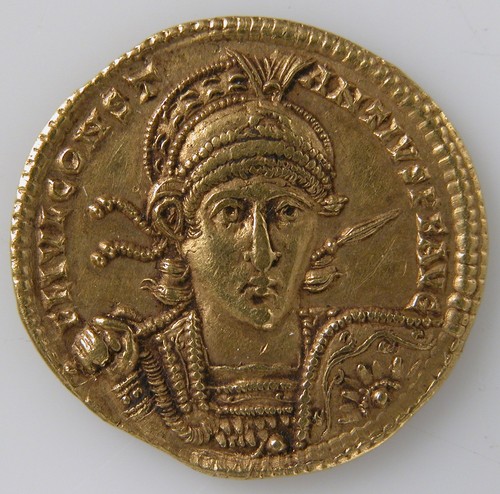
Solidus of Constantius II
Late Roman gold solidus of Emperor Constantius II (337-361 AD), showing his diademed bust facing right paired with a seated-figure reverse.
Ancient Coins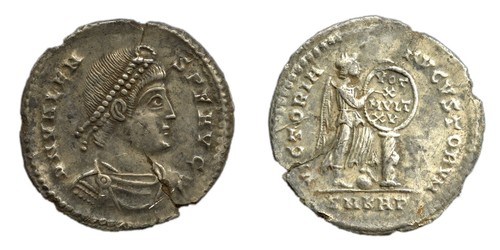
Arles Miliarensis
A late Roman silver miliarensis of the 4th century AD, with a diademed imperial portrait and an armed standing figure holding spear and shield.
Ancient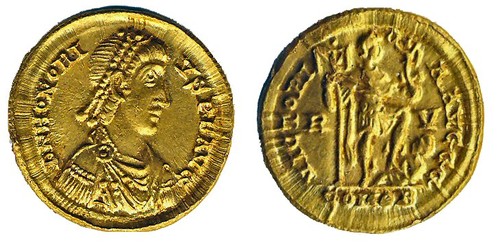
Solidus of Honorius
A late Roman gold solidus of Emperor Honorius (r. 393-423 CE), with his diademed bust and an armored standing figure holding a spear and shield.
Ancient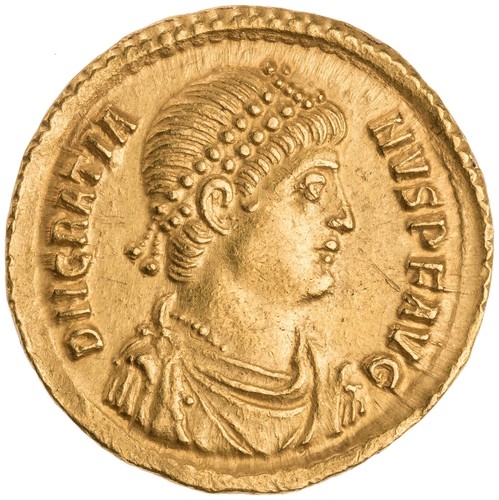
Solidus of Gratian
Late Roman gold solidus of Emperor Gratian (r. 367–383 CE), showing his curly-haired, diademed, draped and cuirassed portrait.
Ancient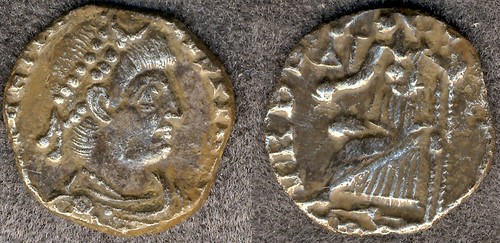
Siliqua of Gratian
A small late Roman silver siliqua of the emperor Gratian (AD 367-383), with his diademed bust on the obverse and a standing figure or personification on the reverse.
Ancient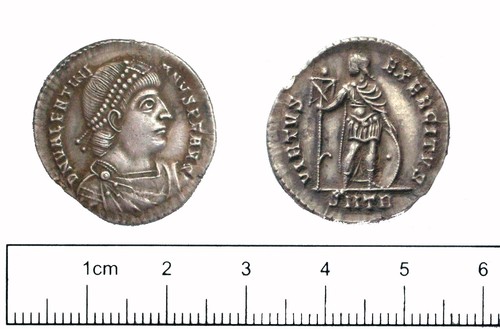
Miliarense of Valentinian I
A late Roman silver miliarensis of Valentinian I (AD 364-375), with a pearl-diademed imperial portrait and an armed standing figure holding spear and shield.
Ancient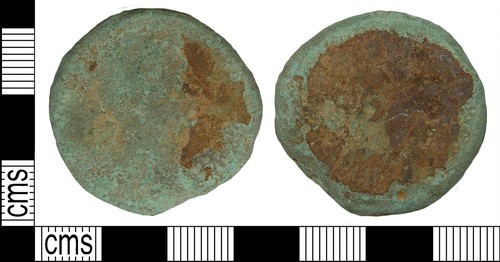
Sestertius of Commodus
A large Roman bronze sestertius of Emperor Commodus (180–192 AD), his laureate bearded head on one side and a standing figure on the other.
Ancient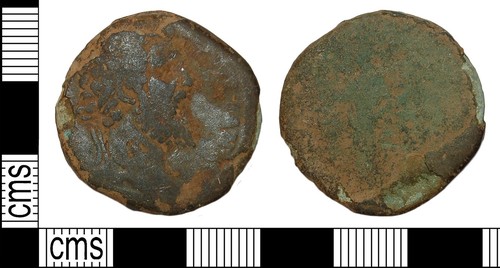
Sestertius of Didius Julianus
A large bronze/orichalcum sestertius of Didius Julianus, the emperor who reigned only weeks in 193 AD — rare, historically charged, and much sought after.
Ancient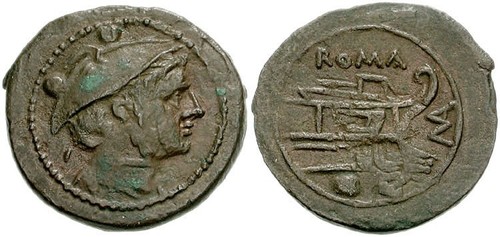
Manlius Vulso Æ Sextans
Small Roman Republican bronze sextans signed by the moneyer Manlius Vulso, with a capped male head and the classic prow reverse marked ROMA.
Ancient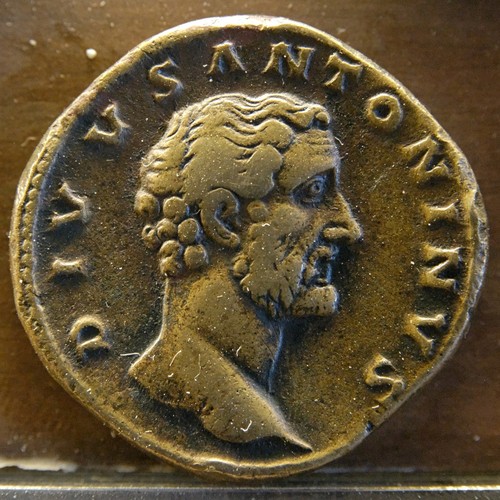
Sestertius of Antoninus Pius
Large Roman bronze coin of Emperor Antoninus Pius, with his bearded profile head and a standing deity or figure on the reverse.
Ancient Coins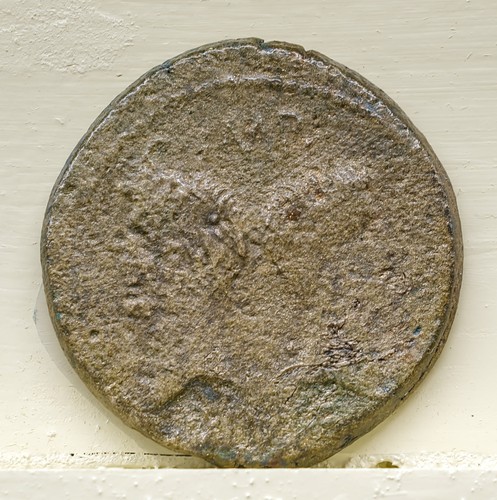
Nemausus As/Dupondius (Crocodile Type)
The famous crocodile of Nimes: a large Roman provincial bronze with paired heads of Agrippa and Augustus and a crocodile chained to a palm.
Ancient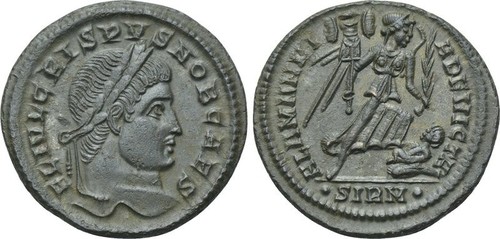
Follis of Crispus
A small bronze follis of Crispus, eldest son of Constantine the Great, with his diademed bust and a winged Victory reverse (317-326 AD).
Ancient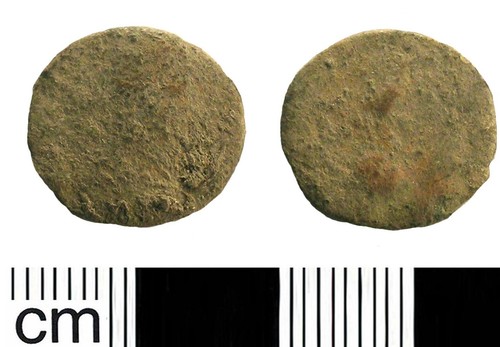
Half Centenionalis of Constans or Constantius II
A small mid-4th-century Roman bronze attributed to Constans or Constantius II, sons of Constantine the Great, worn but identifiable by its imperial portrait and era.
Ancient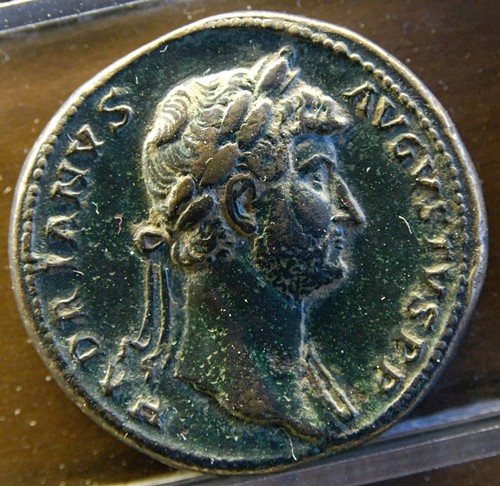
Sestertius of Hadrian
Large Roman bronze sestertius of Emperor Hadrian, showing his bearded curly-haired profile and a standing draped figure with a Latin legend on the reverse.
Ancient Coins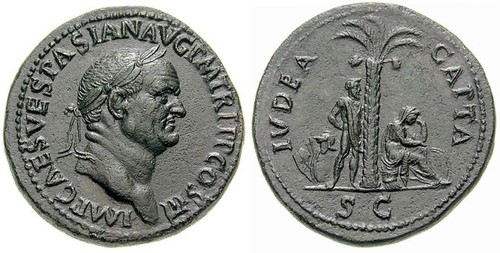
Sestertius of Vespasian (Iudaea Capta)
Large Roman bronze sestertius of Vespasian (AD 70–71) marking the conquest of Judaea, with a palm tree and mourning captives on the reverse.
Ancient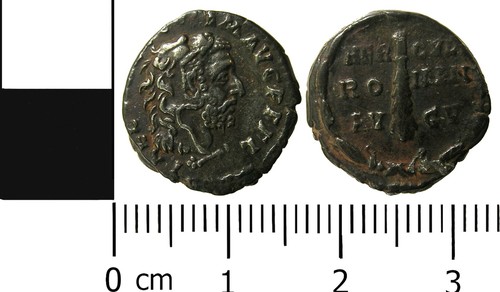
Denarius of Commodus
A silver denarius of the Roman emperor Commodus (180–192 AD), with his laureate bearded portrait and a standing deity or personification on the reverse.
Ancient