
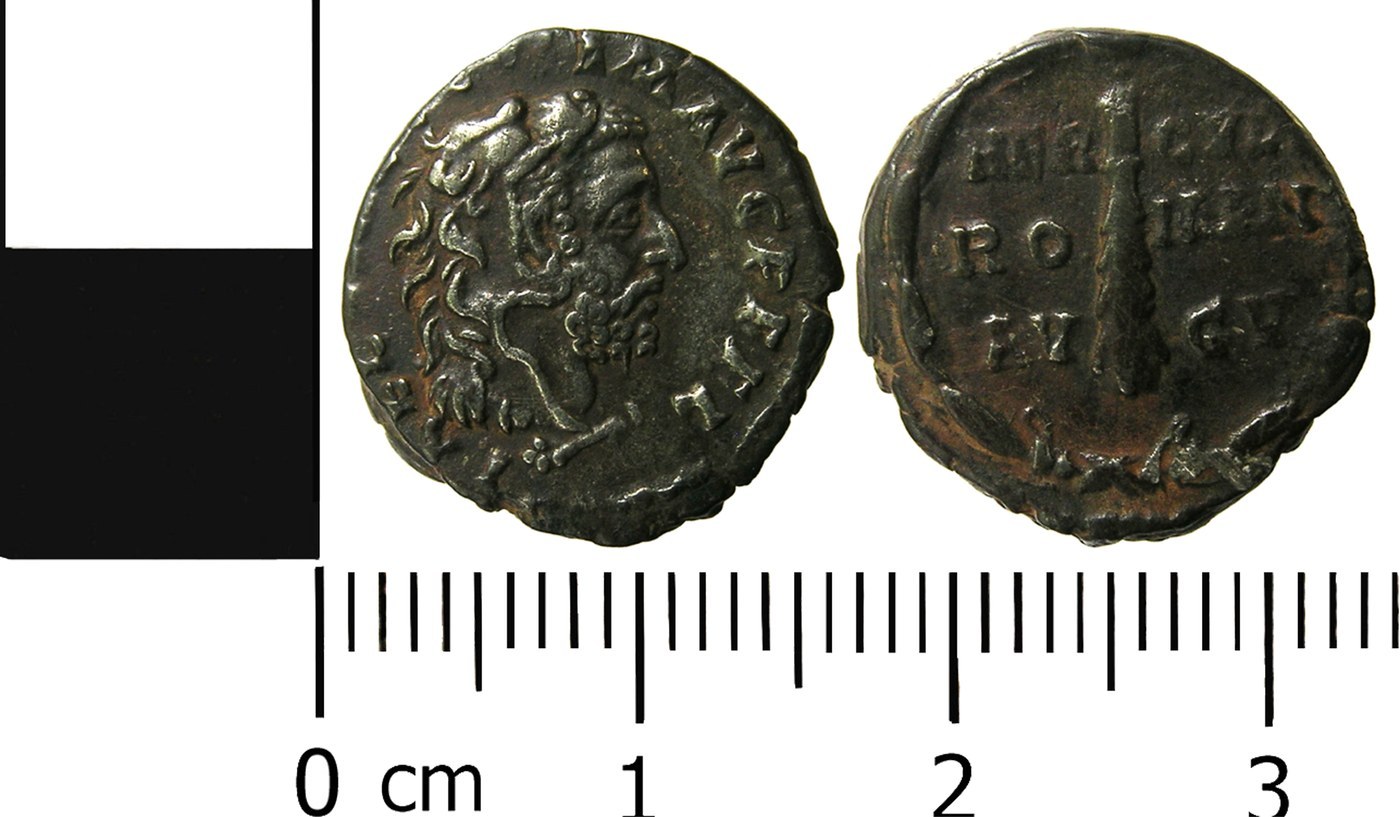
Denarius of Commodus
A silver denarius of the Roman emperor Commodus (180–192 AD), with his laureate bearded portrait and a standing deity or personification on the reverse.
- Country
- Roman Empire
- Denomination
- Denarius
- Metal
- Silver
Got a coin like this?
Identify any coin from a photo, free.
Overview
The denarius of Commodus is a small silver coin struck during the sole reign of Commodus, the son of Marcus Aurelius who ruled the Roman Empire from 180 to 192 AD. The obverse carries a right-facing laureate portrait of the emperor, bearded in the fashion of his dynasty, surrounded by a Latin legend giving his name and titles. The reverse commonly shows a single standing figure, most often a deity or a personified virtue such as Fortuna, Fides, Providentia, or Libertas, accompanied by an inscription naming the concept.
The examples shown here are typical circulated silver denarii of this type: a laureate bearded head on one face and a standing figure holding attributes such as a scepter, cornucopia, or military standard on the other. As the everyday silver coin of the high empire, the denarius of Commodus was produced in large numbers and survives today in a wide range of conditions.
These coins are widely collected as an accessible way to own a portrait denarius of a well-known Roman emperor, and they appear frequently in the market and in period hoards.
History & Background
Commodus came to sole power in 180 AD on the death of his father Marcus Aurelius, ending the run of so-called adoptive "good emperors" and beginning a reign remembered for autocracy, extravagance, and the emperor's obsession with the arena as a gladiator. His coinage spans this whole period, and its titles and reverse themes were updated repeatedly as he took new honors and, late in his reign, increasingly associated himself with Hercules and divine imagery.
The denarius had been the backbone of the Roman silver currency for centuries by this time. Under the Antonine emperors its silver content had already been reduced from earlier standards, and pieces of Commodus generally contain a lower fineness than first-century denarii, though they still read and circulate as good silver coins. The mint of Rome produced the great majority of his denarii, striking many reverse types honoring gods, imperial virtues, military success, and the emperor's own claimed achievements.
Commodus was assassinated in 192 AD, an event that plunged the empire into civil war the following year. Because his coins were struck throughout a twelve-year reign and buried in numerous hoards, denarii bearing his portrait are common finds and a familiar part of Roman imperial coinage.
How to Identify
Start with the obverse portrait and legend. Commodus is shown as a right-facing laureate head with a short curly beard, and the surrounding Latin legend contains his name in forms built around COMMODVS, ANTONINVS, and imperial titles such as M COMMODVS ANT P or L AEL AVREL COMM. Reading the legend is the surest way to confirm the emperor, since bearded Antonine portraits can resemble one another.
The reverse typically shows a single standing figure. This may be a deity or a personification holding identifying attributes, for example Fortuna with a cornucopia and rudder, Fides holding standards or a plate of fruit, or a figure with a scepter and patera. A short reverse legend names the personification or records a title, and the letters in the field help pin down the exact type.
Physically these are small, thin silver coins, generally about 17–19 mm in diameter and light in weight. Genuine examples show honest wear, toning that ranges from bright gray to darker patina, and the somewhat uneven flans and off-center strikes normal for hand-struck ancient coinage.
Value & Collectibility
Denarii of Commodus are affordable ancient Roman silver coins rather than rarities. Worn but identifiable examples with a clear portrait typically sell in the low tens of dollars, while attractive, well-centered coins with sharp detail and pleasing toning bring more, often into the low hundreds depending on grade and reverse type.
Value is driven mainly by condition, eye appeal, and the desirability of the reverse. Popular or historically resonant types, especially later issues tied to his Hercules imagery, and coins in exceptional preservation command premiums, while common reverses in worn grades sit at the bottom of the range. As always with silver denarii, strong metal quality, full legends, and a bold portrait matter most.
Because the type is common, most examples are valued as collectible portrait coins of a famous emperor rather than as scarce investment pieces. Exact prices vary with the market, the seller, and third-party grading.
Frequently asked questions
Is a denarius of Commodus made of real silver?
Yes. The denarius was Rome's standard silver coin, though by Commodus's reign its fineness had been reduced from earlier standards, so these are lower-purity silver than first-century denarii.
Why is the emperor shown with a beard?
A short beard was the fashion of the Antonine dynasty. Commodus, like his father Marcus Aurelius, is regularly portrayed bearded, which is normal for emperors of this period.
What do the standing figures on the reverse mean?
They are usually deities or personified virtues such as Fortuna, Fides, or Providentia, holding attributes like a cornucopia, scepter, or standards. A short legend names the figure or the title being celebrated.
Are these coins valuable?
They are affordable rather than rare. Worn examples often sell in the low tens of dollars, with well-preserved or desirable types reaching higher. Condition and reverse type drive most of the value.
How can I tell it is Commodus and not another emperor?
Read the obverse legend, which contains his name in forms based on COMMODVS and ANTONINVS. The bearded portrait style helps, but the Latin legend is the reliable identifier.
Denarius of Commodus guides
In-depth guides for identifying, valuing, and collecting Denarius of Commodus.
Other coins you may enjoy
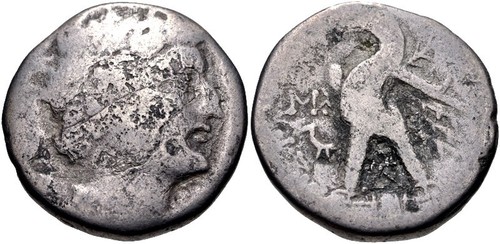
Tetradrachm of Ptolemy XII
80-51 BC
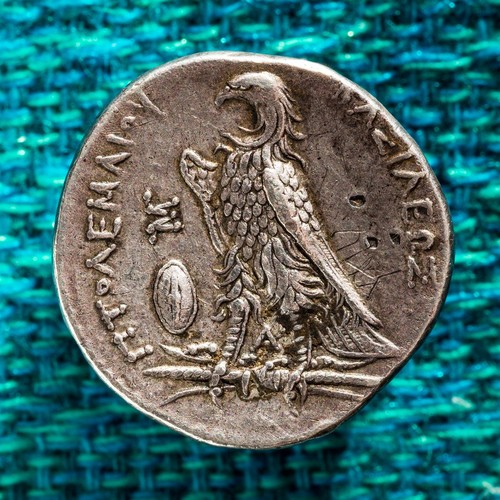
Tetradrachm of Ptolemy I
305-283 BC
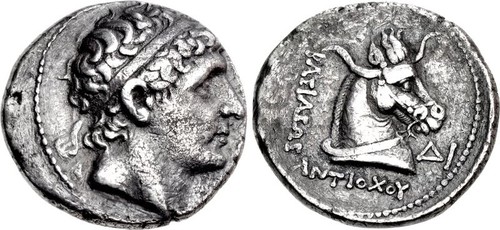
Tetradrachm of Antiochos I Soter
281-261 BC
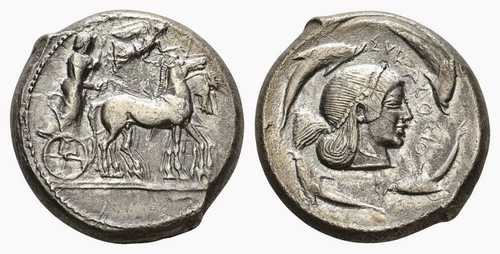
Syracuse Tetradrachm
c. 5th-4th century BC (Classical period)
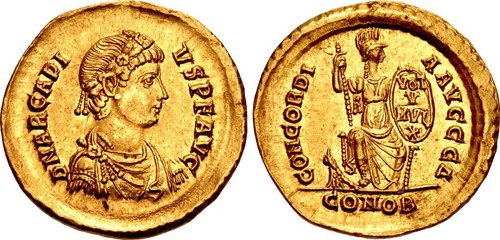
Solidus of Arcadius
AD 395-402
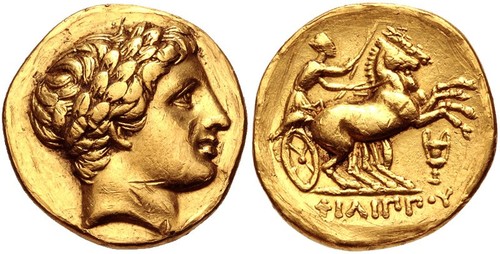
Philip III Gold Stater
323-317 BC
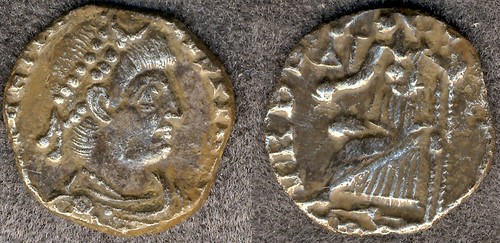
Siliqua of Gratian
AD 367-383
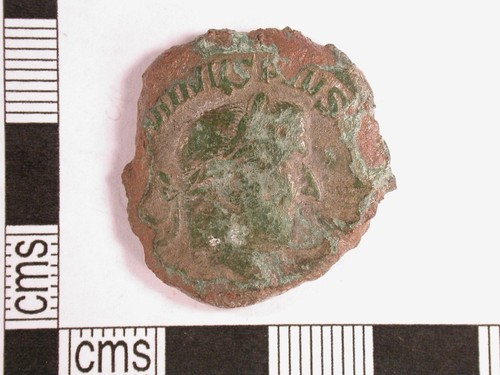
Sestertius of Maximinus Thrax
235-238 AD
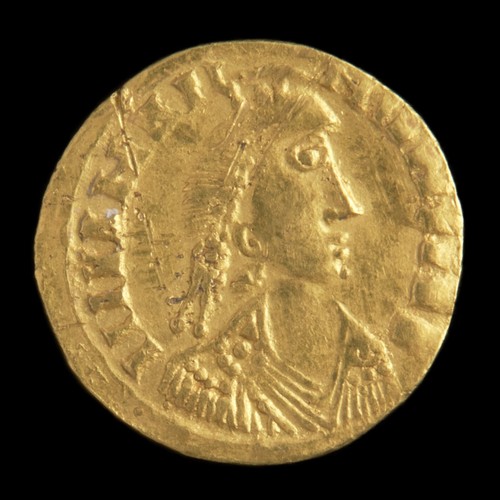
Solidus of Valentinian III
AD 425-455
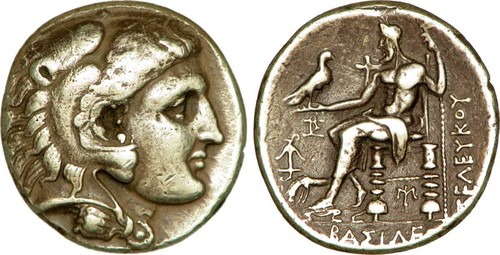
Seleucus I Nicator Tetradrachm
Late 4th-3rd century BC
Nummus of Magnentius
AD 350-353
Follis of Galerius
AD 308-310