
How to Identify the Denarius of Commodus
A collector's guide to attributing a Commodus denarius by its legend, laureate bearded portrait, reverse type, size, and metal, and spotting fakes.
Read the full Denarius of Commodus encyclopedia entry →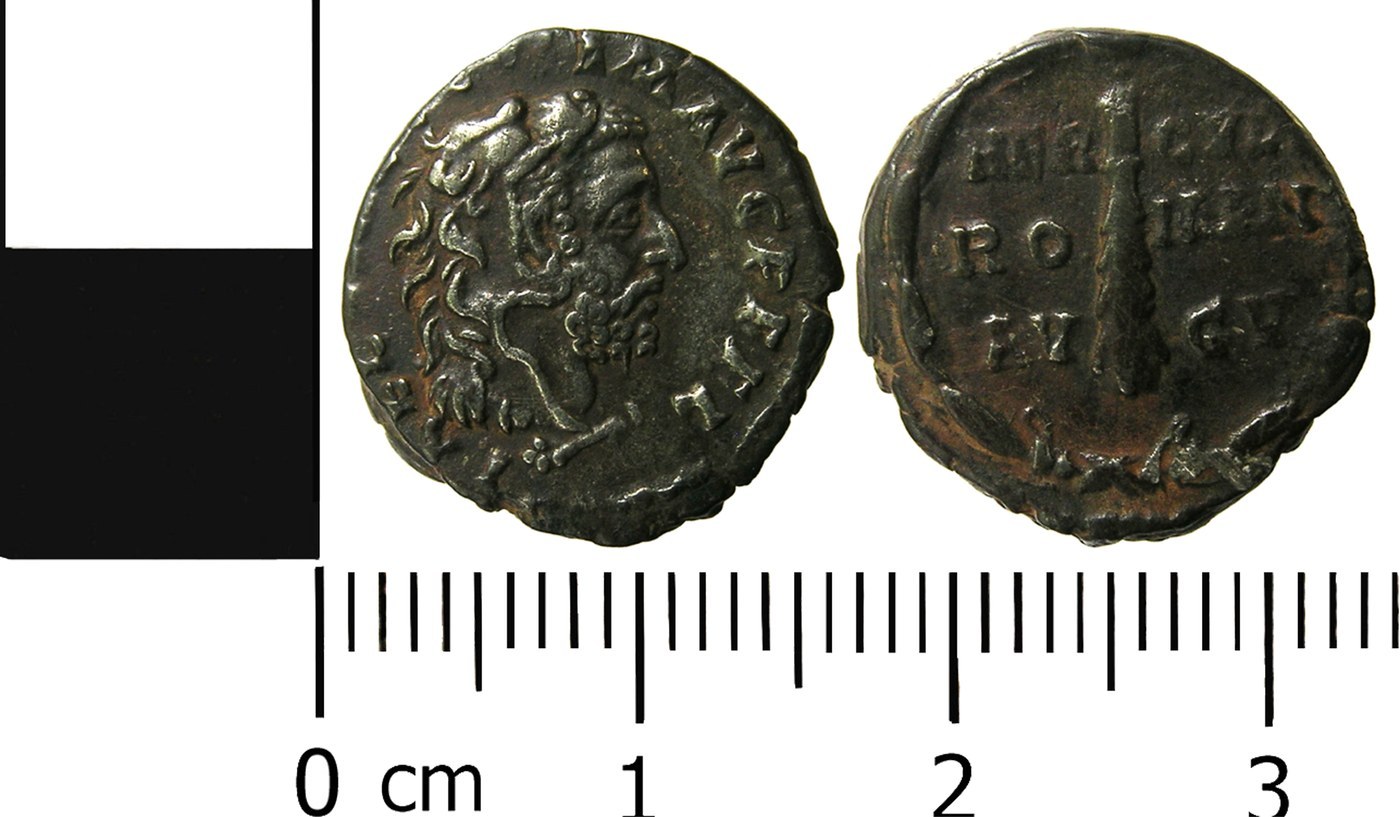
Begin with the crown and the legend. The denarius shows the emperor in a laurel wreath rather than a spiked radiate crown, which distinguishes the silver denarius from the radiate antoninianus. Then read the Latin legend circling the portrait: for this type it should contain the emperor's name in forms such as M COMMODVS ANTONINVS AVG or L AEL AVREL COMM. The legend, not the face alone, is the dependable way to confirm the ruler, because Antonine emperors were all portrayed bearded and can look alike.
Study the portrait style. Commodus appears as a right-facing laureate head with a full, curly beard and hair, and his features grow fuller and more mature on later issues. The attributes he carries and the exact titles in the legend shift through the reign, so a legible legend helps narrow the date as well as the identity.
Examine the reverse for a standing figure and its attributes. Most reverses depict a single deity or personification; identify it by what it holds, for example a cornucopia and rudder for Fortuna, standards for Fides or military types, or a scepter and patera for other virtues. Read the reverse legend, which names the personification or records an honor, and note any letters in the field that distinguish the specific variety.
Check size, weight, and metal. Genuine denarii are small, thin silver coins around 17–19 mm across and only a few grams in weight, with honest wear and natural toning. Be cautious of look-alikes and fakes: contemporary base-metal "limes" copies and modern cast or struck forgeries exist for popular emperors like Commodus. Warning signs include a soft, sandy surface from casting, seams on the edge, incorrect weight or size, lettering that does not match published legends, and a portrait or fabric that looks too crisp and modern. When in doubt, compare against reference examples and buy from reputable dealers who guarantee authenticity.
Frequently asked questions
What is the single most reliable identifier?
The obverse legend. Look for the emperor's name in forms based on COMMODVS and ANTONINVS around the laureate portrait; the reverse type and style support the attribution but the legend confirms it.
How do I tell a denarius from an antoninianus of the same era?
A denarius portrait wears a laurel wreath, while an antoninianus shows a spiked radiate crown. The radiate crown marks the double-denarius denomination, so the wreath points to the silver denarius.
How can I spot a fake Commodus denarius?
Watch for wrong weight or diameter, a sandy or seamed surface from casting, lettering that does not match known legends, and detail that looks too fresh. Comparing to reference coins and buying from trusted sellers is the best protection.
Should I clean a coin like this?
Generally avoid aggressive cleaning. Harsh cleaning can scratch the surface and strip natural toning, reducing both detail and value; gentle handling and stable storage are preferred.