Coin Weight for Louis d'Or
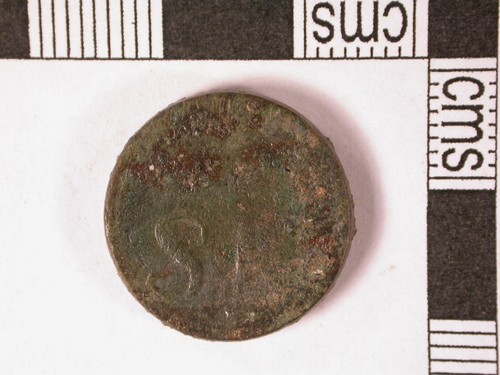
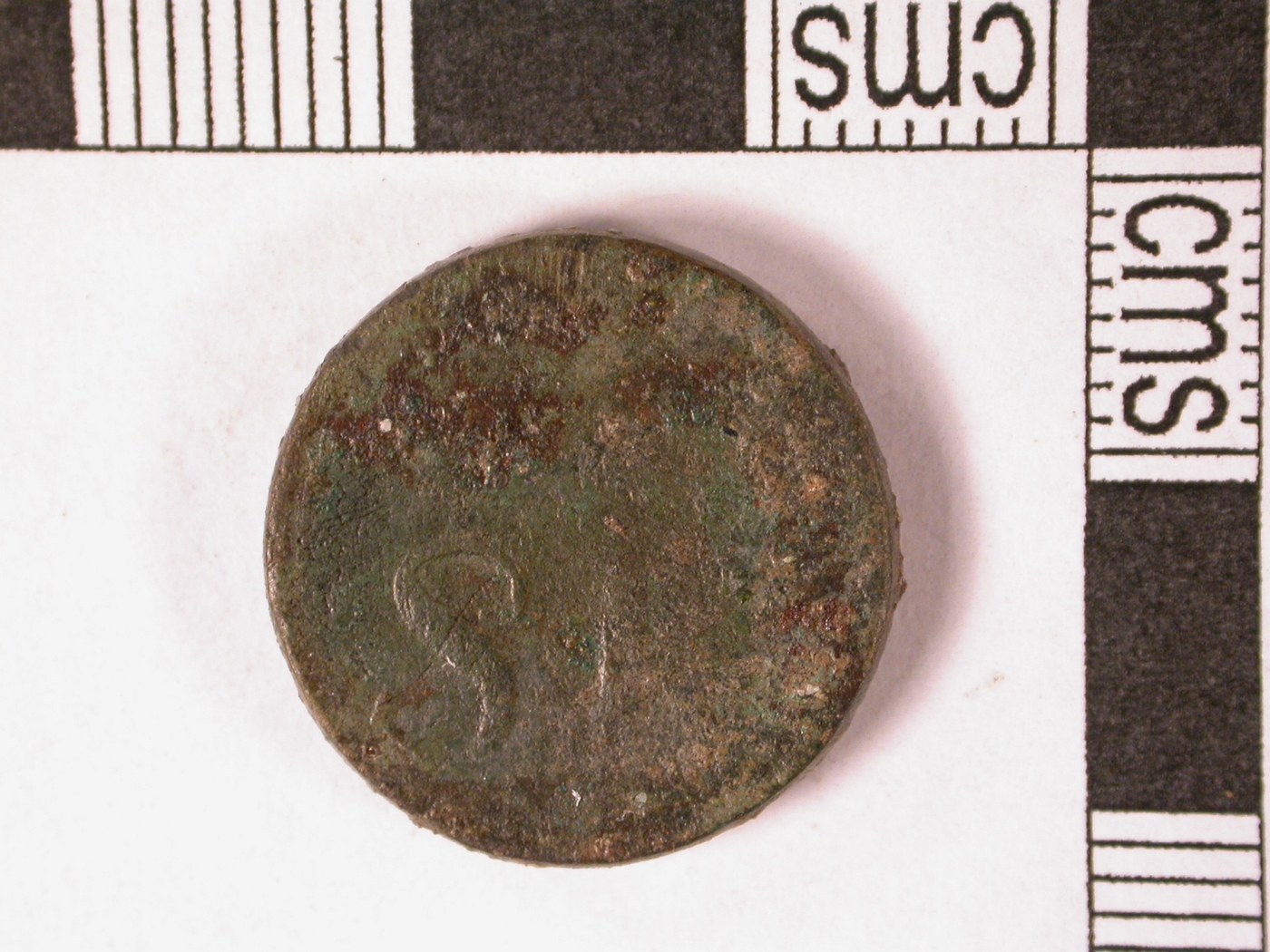
A small bronze monetary weight used to verify a gold Louis d'Or on a balance, showing a worn royal profile and a heraldic reverse.
- Country
- France
- Denomination
- Coin Weight
- Metal
- Bronze
Got a coin like this?
Identify any coin from a photo, free.
Overview
This is a coin weight (poids monetaire), not a coin. It is a small bronze reference weight made to match the exact mass of a French gold Louis d'Or, so that a merchant, banker, or money-changer could place it on one pan of a balance and the gold coin on the other to confirm the coin was full weight and had not been clipped or worn down.
The example shown carries a worn male profile on one face, echoing the royal portrait found on the gold coin it represents, and a heraldic or ornamental device on the other. It is struck or cast in bronze rather than precious metal, because its job was to be a durable, stable standard rather than a piece of money.
History & Background
The Louis d'Or was France's principal gold coin from its introduction under Louis XIII in 1640 through the reigns of Louis XIV, XV, and XVI, until the monetary reforms of the Revolutionary and Napoleonic period. Because gold coins were valued by their metal content, a coin that was underweight, clipped, or heavily worn was worth less than face value.
To guard against this, money-changers and merchants kept sets of small coin weights in fitted cases, each weight calibrated to a specific gold denomination such as the Louis d'Or and its fractions and multiples. These weights were produced by official and private makers across France (and neighboring countries that handled French gold) throughout the 18th and into the 19th century.
With the adoption of the metric system and the franc after the Revolution, and the gradual shift to milled coinage that was harder to clip, the everyday need for coin weights faded. Surviving pieces are collected today as artifacts of pre-modern commerce.
How to Identify
Obverse: a male profile portrait, here worn, imitating the royal bust that appeared on the Louis d'Or itself. The wear is typical, as these small pieces were handled constantly and were never protected as valuables.
Reverse: a heraldic or ornamental design, commonly a crowned coat of arms, fleur-de-lis, cross, or a maker's or verification device. Some weights also carry stamped control or adjuster marks.
Physical clues: the piece is small and made of bronze (a copper alloy), giving it a brown, coppery tone quite unlike the yellow of the gold coin it stands in for. It is typically thick and squarish or round for its size, since the object was engineered to hit a precise mass rather than to look like currency. There is usually no denomination or date in the coin sense; any numerals or letters relate to the weight standard, the maker, or verification.
Value & Collectibility
Value depends on condition, how clearly the design and any marks survive, and whether the weight can be tied to a known maker or fitted set. A single, well-worn bronze weight is an affordable historical collectible; crisper examples with legible arms, legends, or adjuster's marks bring more.
Complete cased sets of monetary weights, or weights with documented attributions, are worth considerably more than loose single pieces. Because this object is a weight rather than a gold coin, its value comes from its history and craftsmanship, not bullion content. For a specific figure, compare recent sales of similar French coin weights and, for a set or an unusually fine piece, seek a specialist opinion.
Frequently asked questions
Is this a coin?
No. It is a coin weight, a small bronze reference mass used on a balance to check that a gold Louis d'Or was full weight and had not been clipped or worn.
Why is there a portrait if it isn't money?
The profile imitates the royal bust on the actual Louis d'Or so the weight could be quickly matched to the coin it represented. It is decorative and identifying, not a currency portrait.
Why is it bronze and not gold?
The weight only needed to be a stable, durable standard. Bronze is hard-wearing and cheap, so there was no reason to make the reference piece from precious metal.
Does it have a date or denomination?
Not in the way a coin does. Any marks usually indicate the weight standard, the maker, or an official verification, rather than a face value or mint year.
What was the Louis d'Or?
It was France's main gold coin from 1640 until the Revolutionary era, struck under Louis XIII through Louis XVI, which is the coin this weight was made to check.
Coin Weight for Louis d'Or guides
In-depth guides for identifying, valuing, and collecting Coin Weight for Louis d'Or.