
How to Identify the Coin Weight for Louis d'Or
Tell a Louis d'Or coin weight from a coin by its bronze metal, thick squared form, worn royal profile, and heraldic reverse.
Read the full Coin Weight for Louis d'Or encyclopedia entry →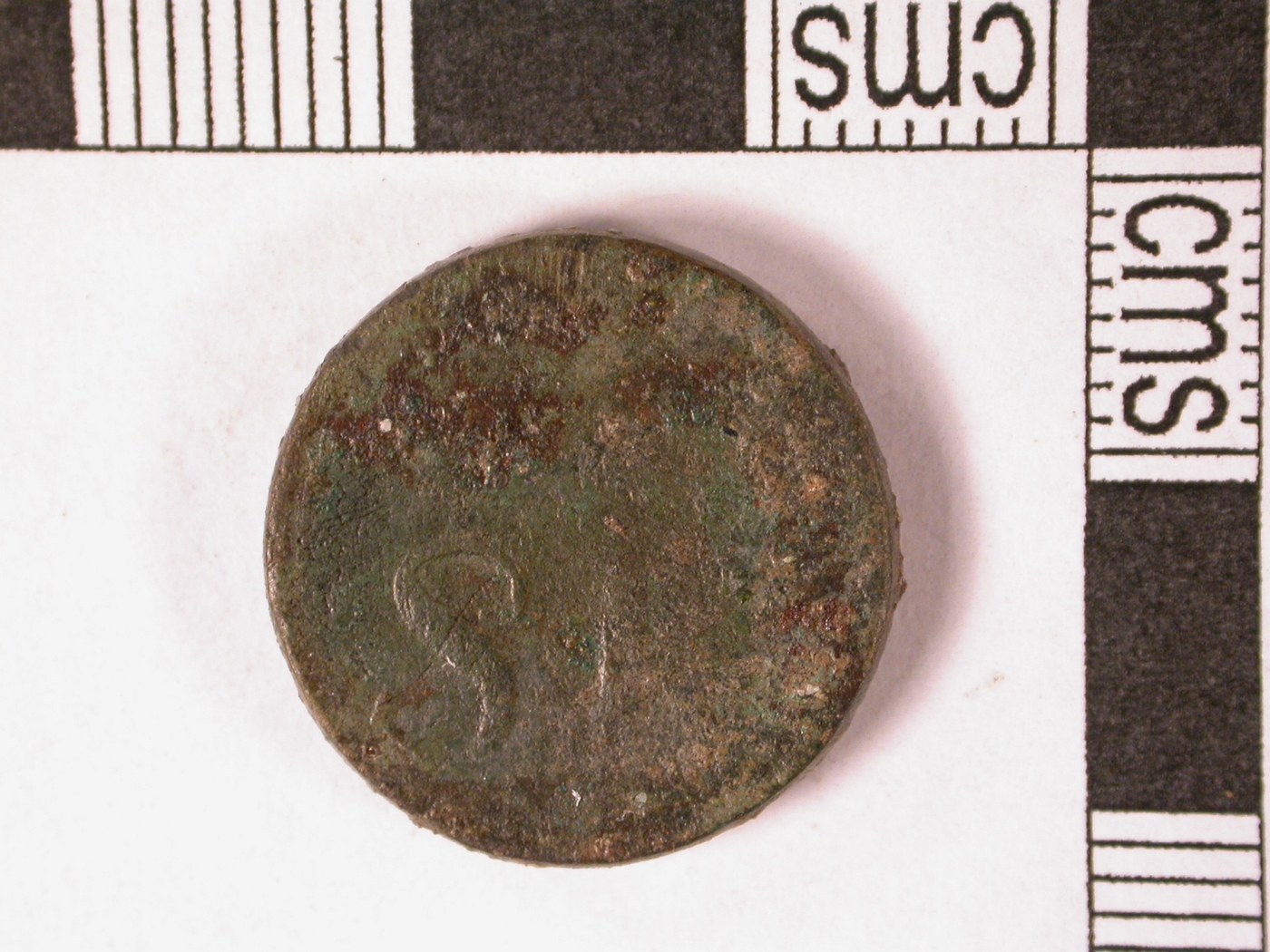
Confirm it is a weight, not a coin. The first clue is the metal and heft: a Louis d'Or coin weight is bronze, brown and coppery, and feels dense and thick for its small size because it was engineered to a precise mass. A real Louis d'Or is yellow gold and thin. If the piece is coppery, blocky, and has no clear currency denomination, you are almost certainly looking at a monetary weight.
Read the obverse. Expect a male profile portrait, often heavily worn, imitating the royal bust of the gold coin. Constant handling means these faces are frequently smoothed down, so do not expect coin-quality detail. A soft, rubbed portrait is normal and consistent with genuine use.
Check the reverse. Look for a heraldic or ornamental device, such as a crowned shield, fleur-de-lis, cross, or a maker's or verification stamp. Small punched control marks are a good authenticity sign, since official weights were often stamped by adjusters or guilds. There should be no coin-style date or face value.
Rule out look-alikes. Do not confuse this weight with the gold coin itself (wrong color and weight), with a jeton or token (thinner, made to be handled as a game or reckoning piece), or with a modern replica or novelty. Weights sit heavier and thicker in the hand than tokens of the same diameter, because mass, not appearance, was the whole point.
Authenticate with care. The strongest confirmation is the actual mass: a genuine weight should be close to the historical standard for the Louis d'Or it represents, allowing for wear and cleaning loss. Legible maker's or verification marks add confidence and value. For an unusually fine piece, or one from a fitted set, have it assessed by a specialist in numismatic weights and scales before buying or selling.
Frequently asked questions
How can I quickly tell the weight from an actual Louis d'Or?
Color and mass. The weight is coppery bronze and feels thick and dense, while the gold coin is yellow, thin, and lighter for its diameter. The weight also lacks a coin-style denomination and date.
The portrait is almost worn flat. Is that a problem?
No. Coin weights were handled constantly and rarely protected, so worn, rubbed portraits are normal and do not by themselves indicate a fake.
What marks should I look for?
Small punched control, adjuster, or maker's stamps are a good sign of a genuine official weight and can help attribute and value the piece. They relate to the weight standard, not a face value.
Is it worth weighing the piece?
Yes. A genuine weight should sit near the historical standard for the Louis d'Or, allowing for wear. A mass far off from that standard is a warning sign worth investigating.