
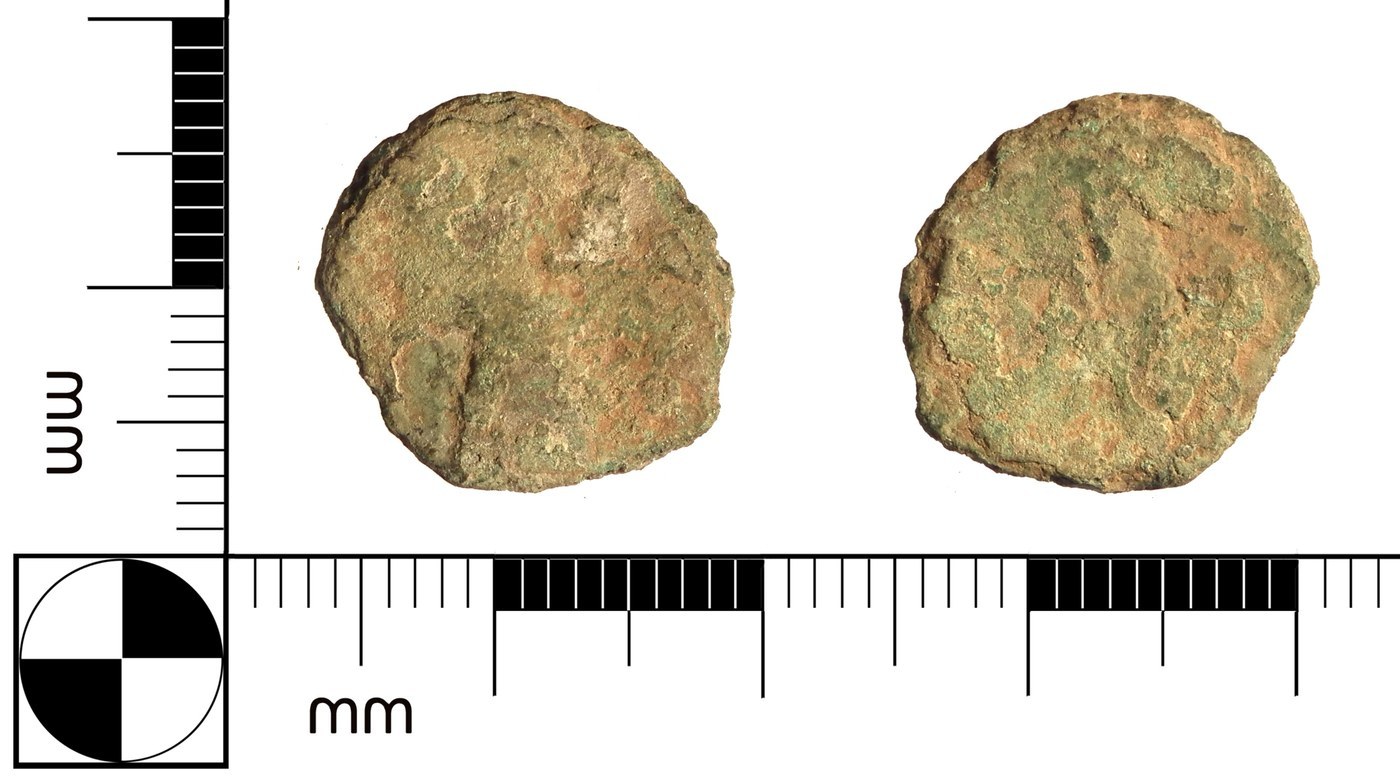
Unidentified Ancient Coin
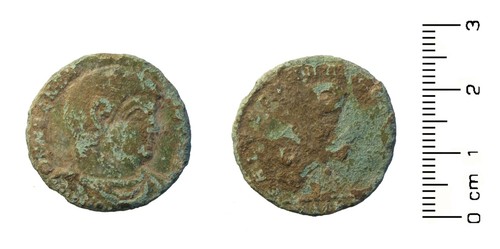
A worn ancient bronze coin whose exact type is not yet identifiable — a right-facing profile portrait on one side and a faded design on the other.
- Country
- Roman/British
- Denomination
- Unknown
- Metal
- Bronze
Got a coin like this?
Identify any coin from a photo, free.
Overview
This is an unidentified ancient bronze coin: a small, heavily worn base-metal piece that carries the hallmarks of the Roman-period coinage found across the former Roman world, including Roman Britain, but whose precise ruler, mint and denomination can no longer be read with confidence. The example shown has a right-facing profile portrait on the obverse and a worn design on the reverse, consistent with the classic layout of Roman bronze coinage of roughly the 1st to 3rd century AD.
Rather than describing a single named type, this entry covers the common situation collectors and finders face when a genuinely old bronze turns up too worn, corroded or off-struck to attribute. The right-facing bust and the greenish-brown surfaces are typical of ancient bronze, but without a legible legend the coin sits in an "unattributed" category until closer study, cleaning or expert review narrows it down.
Because it is unidentified, treat every specific claim about its emperor, date or value as provisional. The safe statements are that it appears to be an ancient bronze of Roman style, that its imagery follows the standard portrait-and-reverse formula, and that further identification work is needed before it can be catalogued precisely.
History & Background
Roman bronze coinage was produced in enormous quantities from the late Republic through the Empire and circulated widely, including throughout Roman Britain from the 1st to the early 5th century AD. Denominations such as the as, dupondius, sestertius and the later small bronzes were everyday money, struck at mints across the empire and often carrying an emperor's portrait facing right on the obverse and a deity, personification or commemorative scene on the reverse.
Coins of this kind stayed in use for long periods and passed through many hands, so it is normal to find them worn nearly smooth. Centuries of burial add corrosion and surface deposits that can obscure the legend and design entirely. A great many bronzes recovered today — as metal-detector finds, ground finds or from old accumulations — reach us in exactly this condition, which is why "unidentified ancient bronze" is such a familiar description.
The broad 1st–3rd century AD window given here reflects the general style of the piece rather than a documented date; the true range could be narrower or slightly wider once the type is pinned down. Nothing about the coin's history can be stated precisely until the portrait, legend or reverse can be matched to a known issue.
How to Identify
Obverse (portrait side): a worn right-facing profile bust, the standard position for a Roman emperor or member of the imperial family on ancient bronze. On this example the surrounding legend — normally the ruler's name and titles running around the edge — is not clearly legible, which is the main obstacle to attribution.
Reverse: a worn design whose subject cannot be made out with confidence. Roman bronze reverses commonly show a standing deity or personification, an altar, an animal or a commemorative device, usually with a legend and sometimes letters in the field or in the exergue (the space below the main design). Size and metal: a bronze (base-metal) coin with the brown-to-green tone typical of aged copper alloy; ancient bronzes are usually hand-struck and so are often slightly irregular in shape, off-centre, or unevenly thick.
The honest identification here is provisional: right-facing bust, worn reverse, bronze fabric, ancient (Roman-style) manufacture. To go further you would look for any surviving letters, a mint mark, the reverse subject, and precise diameter and weight, then compare against reference catalogues — see the paired identification guide for how to work through those steps.
Value & Collectibility
Common worn Roman-period bronzes are among the more affordable ancient coins, and an unidentified, heavily worn example generally sits at the low end. Pieces that cannot be attributed and show little detail are usually worth only a modest amount, valued more as a genuine ancient artefact than for rarity.
Value rises sharply with legibility and condition. If the coin can be attributed to a specific emperor and reverse type, and especially if the portrait and legend are sharp, it moves from "unidentified bronze" into a catalogued type that may carry a real premium. Corrosion, pitting, and harsh cleaning reduce value, while stable, well-patinated surfaces are preferred.
Because the type is not established, treat any price as a broad range rather than a figure. The most useful next step for value is identification: a confirmed attribution, ideally with a specialist opinion, does more to establish worth than any estimate made while the coin remains unidentified.
Frequently asked questions
Why is this coin listed as unidentified?
Because it is too worn or corroded to read its legend and reverse clearly. It looks like an ancient Roman-style bronze, but the exact ruler, mint and denomination can't be confirmed yet.
Is it definitely Roman?
The right-facing portrait, bronze fabric and overall style are consistent with Roman-period coinage, including Roman Britain, but without a legible legend that remains a likely attribution rather than a certainty.
How old is it?
The style suggests roughly the 1st to 3rd century AD, but that range is based on appearance, not a readable date. The true period may narrow once the type is identified.
Is an unidentified ancient bronze valuable?
Usually only modestly. Worn, unattributed bronzes are affordable ancient artefacts; value increases significantly if the coin can be attributed to a specific emperor and reverse type in good condition.
Should I clean it to identify it?
Be cautious. Aggressive cleaning can strip patina and detail and lower both value and legibility. Conservation of ancient coins is best left to experienced hands or a professional.
Unidentified Ancient Coin guides
In-depth guides for identifying, valuing, and collecting Unidentified Ancient Coin.
Other coins you may enjoy
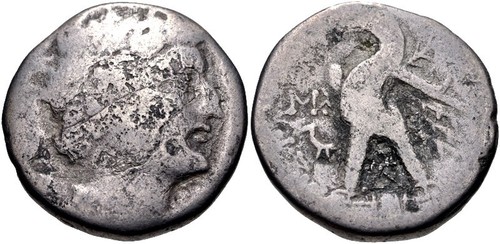
Tetradrachm of Ptolemy XII
80-51 BC
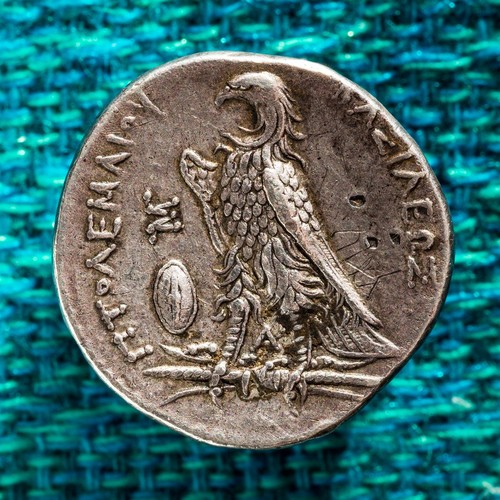
Tetradrachm of Ptolemy I
305-283 BC
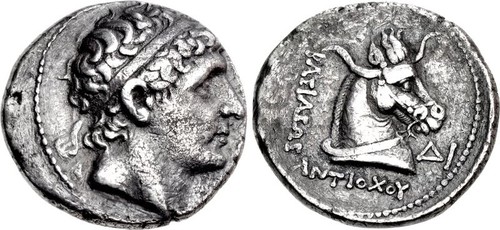
Tetradrachm of Antiochos I Soter
281-261 BC
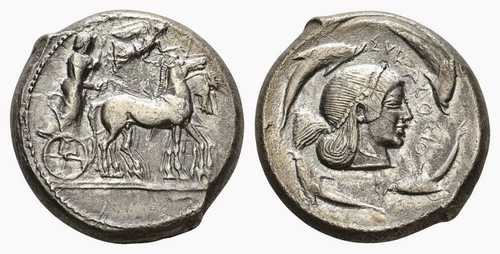
Syracuse Tetradrachm
c. 5th-4th century BC (Classical period)
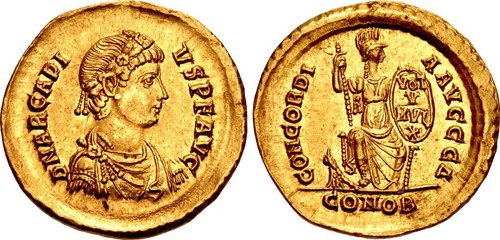
Solidus of Arcadius
AD 395-402
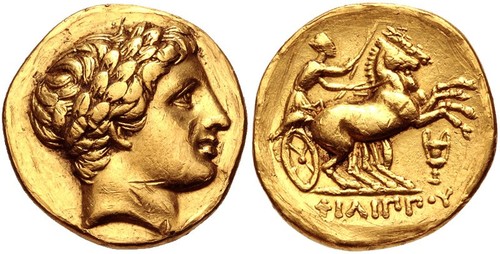
Philip III Gold Stater
323-317 BC
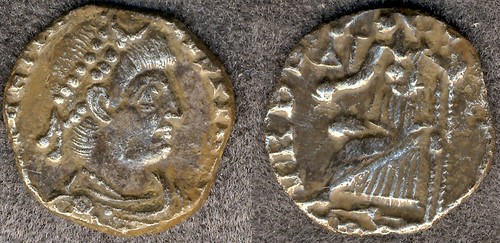
Siliqua of Gratian
AD 367-383
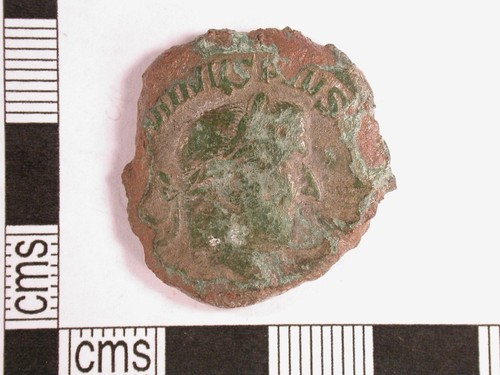
Sestertius of Maximinus Thrax
235-238 AD
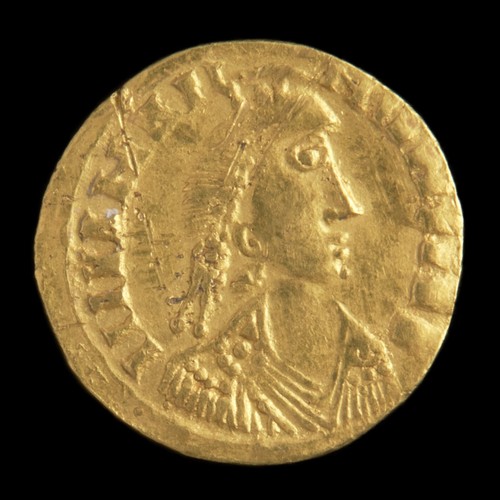
Solidus of Valentinian III
AD 425-455
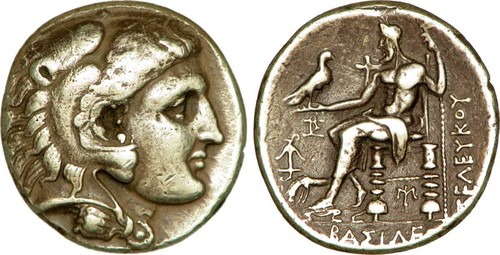
Seleucus I Nicator Tetradrachm
Late 4th-3rd century BC
Nummus of Magnentius
AD 350-353
Follis of Galerius
AD 308-310