
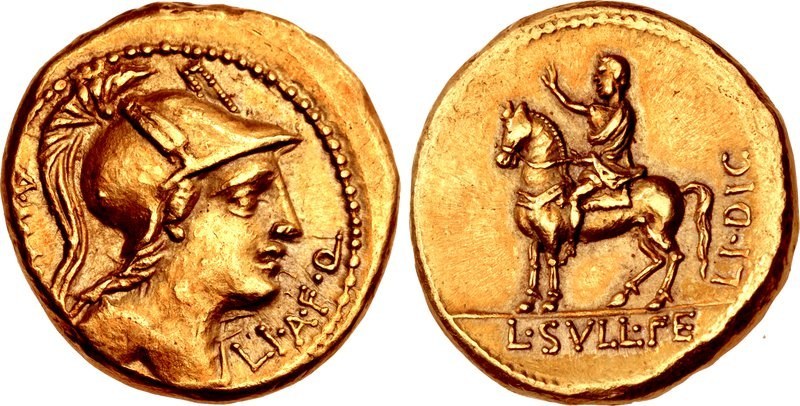
Aureus of A. Manlius Vulso
A rare late-Republican Roman gold aureus of the moneyer A. Manlius Vulso, c. 80 BC, showing a capped head and a horseman carrying a military ensign.
- Country
- Roman Republic
- Denomination
- Aureus
- Metal
- Gold
Got a coin like this?
Identify any coin from a photo, free.
Overview
This is a Roman Republican gold aureus attributed to the moneyer A. Manlius Vulso, struck around 80 BC during the turbulent Sullan period at Rome. Aurei of this date are gold coins produced in very small numbers compared to the everyday silver denarius, and they belong to the earliest sustained phase of Roman gold coinage before it became a regular imperial issue.
The obverse shows a head wearing a Phrygian cap, facing left, while the reverse depicts a horseman riding to the right carrying a military ensign or standard. Both the capped head and the mounted figure with a standard are martial, propagandistic images typical of the late Republic, when moneyers used coin designs to advertise military authority and family prestige. As a gold piece of this era, it is a scarce and highly prized type.
History & Background
Rome minted gold only occasionally during the Republic, chiefly in moments of war and political upheaval when large payments to armies were required. The years around 80 BC fall in the aftermath of the civil wars won by Lucius Cornelius Sulla, a time when commanders and their appointed moneyers struck gold aurei alongside silver to fund and reward troops.
The aureus was the standard Roman gold denomination, valued at 25 silver denarii, though its weight and exact rating shifted over time before Augustus later stabilized it. A moneyer such as A. Manlius Vulso would have been one of the officials responsible for the mint, placing his name and chosen imagery on the coinage as both a public duty and a display of family standing.
Because Republican gold was issued sparingly and in limited quantity, comparatively few examples survive today. Surviving aurei of this period are important documents of the late Republic's militarized politics, and they are studied closely by numismatists and cataloged in standard references to the Roman Republican coinage.
How to Identify
Identify this type first by metal and size: it is a small, dense gold coin, noticeably heavier for its diameter than a silver or bronze piece of similar size, and struck by hand so the flan is slightly irregular rather than perfectly round. Genuine ancient aurei show high-relief, hand-engraved detail and off-center strikes rather than machine precision.
The obverse diagnostic is a head wearing a Phrygian cap, the soft pointed cap with a forward-curling tip, facing left. The reverse shows a horseman galloping or riding to the right while holding a military ensign or standard aloft. A moneyer's name or abbreviated legend referencing Manlius is typically present in the field or along the border; ancient Roman legends are abbreviated and often partially off the flan.
Because designs and legends vary across the Republican series, confirm the attribution by matching the specific head-and-horseman pairing and the surviving letters of the name against a standard catalog of Roman Republican coinage rather than relying on the imagery alone.
Value & Collectibility
Roman Republican gold aurei are among the more valuable ancient coins because gold was struck rarely and in small quantities, so surviving examples are scarce. A genuine, attributable aureus of this period generally commands a substantial sum, typically ranging from the low thousands into the tens of thousands of dollars, with exceptional strikes and provenanced pieces reaching considerably higher at specialist auction.
Value is driven by authenticity, strike quality, centering, wear, and the completeness of the legend, as well as the pedigree of prior ownership. A sharply struck, well-centered coin with clear detail and a documented collection history will far outperform a worn, clipped, or off-center example.
Because high-value ancient gold is a frequent target for forgery, any coin at this level should be authenticated by a specialist in ancient numismatics and, ideally, accompanied by an established provenance. Ranges given here are broad context only; actual prices depend entirely on the individual coin and current market.
Frequently asked questions
What is an aureus?
The aureus was the principal Roman gold coin, valued in the Republic and early Empire at 25 silver denarii. Its weight and rating varied over time before being standardized under Augustus. Gold was struck only occasionally in the Republic, making early aurei scarce.
Who was A. Manlius Vulso?
He was a Roman moneyer, one of the officials responsible for the mint, whose name appears on this gold issue struck around 80 BC. Republican moneyers placed their names and chosen imagery on the coinage as both a civic duty and a display of family prestige.
What do the images on the coin mean?
The obverse shows a head in a Phrygian cap facing left, and the reverse a horseman riding right with a military ensign. Both are martial images common in the late Republic, when moneyers used coin designs to advertise military authority and family standing.
Why is this coin so valuable?
Rome struck gold only rarely during the Republic and in small quantities, so genuine aurei of this era are scarce. Authenticity, strike quality, and provenance can push values from the low thousands into the tens of thousands of dollars for exceptional examples.
How can I tell if mine is authentic?
High-value ancient gold is frequently forged, so an aureus like this should be examined by a specialist in ancient coins. Genuine examples show hand-engraved high-relief detail, correct gold weight, and slightly irregular hand-struck flans, ideally backed by documented provenance.
Aureus of A. Manlius Vulso guides
In-depth guides for identifying, valuing, and collecting Aureus of A. Manlius Vulso.
Other coins you may enjoy
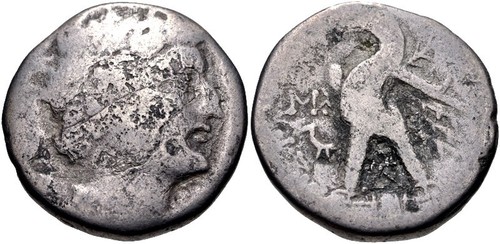
Tetradrachm of Ptolemy XII
80-51 BC
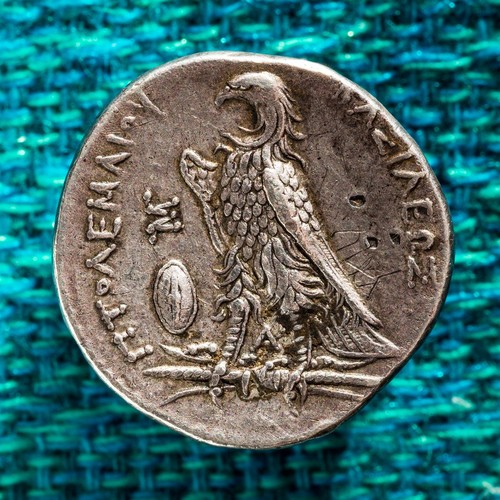
Tetradrachm of Ptolemy I
305-283 BC
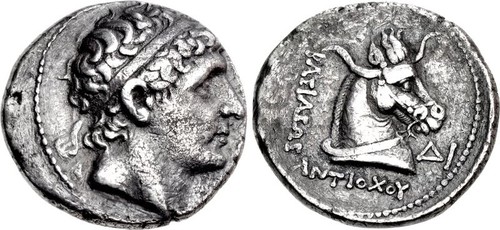
Tetradrachm of Antiochos I Soter
281-261 BC
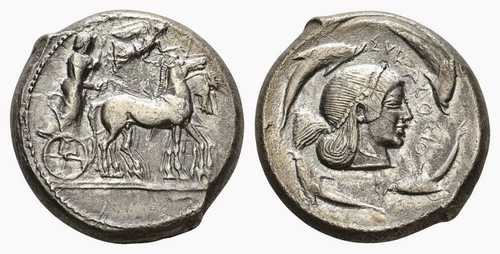
Syracuse Tetradrachm
c. 5th-4th century BC (Classical period)
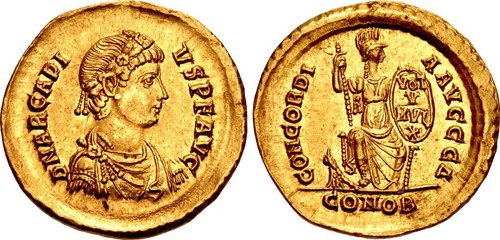
Solidus of Arcadius
AD 395-402
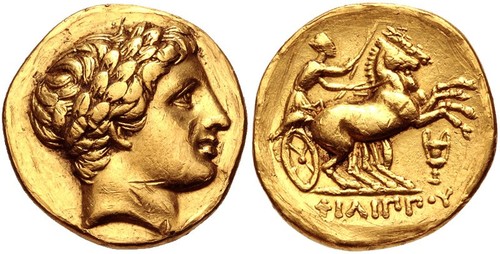
Philip III Gold Stater
323-317 BC
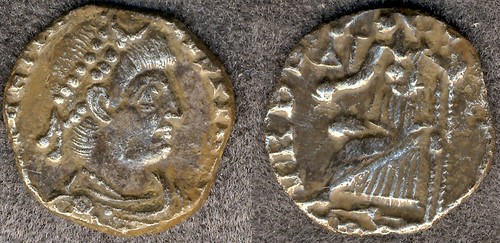
Siliqua of Gratian
AD 367-383
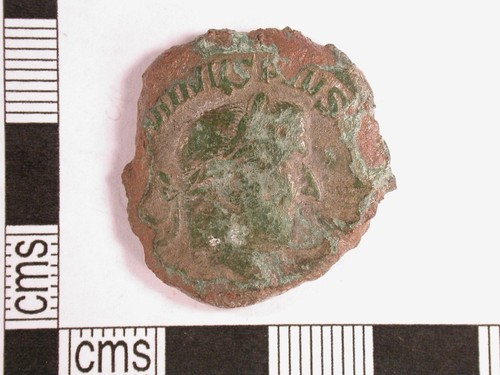
Sestertius of Maximinus Thrax
235-238 AD
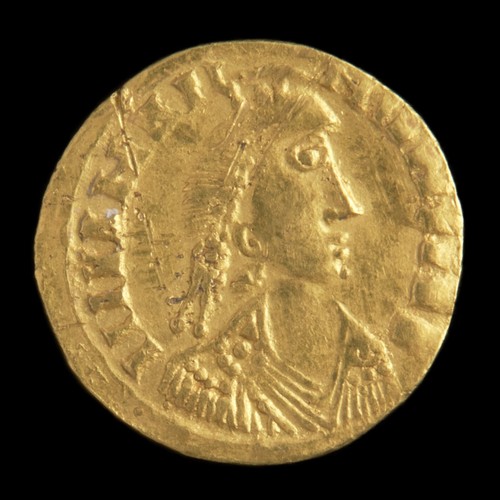
Solidus of Valentinian III
AD 425-455
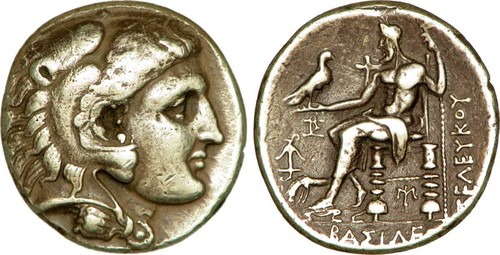
Seleucus I Nicator Tetradrachm
Late 4th-3rd century BC
Nummus of Magnentius
AD 350-353
Follis of Galerius
AD 308-310