
How to Identify the Unidentified Ancient Coin
A step-by-step collector's guide to attributing a worn ancient bronze: reading the portrait, legend, reverse, size and metal before authentication.
Read the full Unidentified Ancient Coin encyclopedia entry →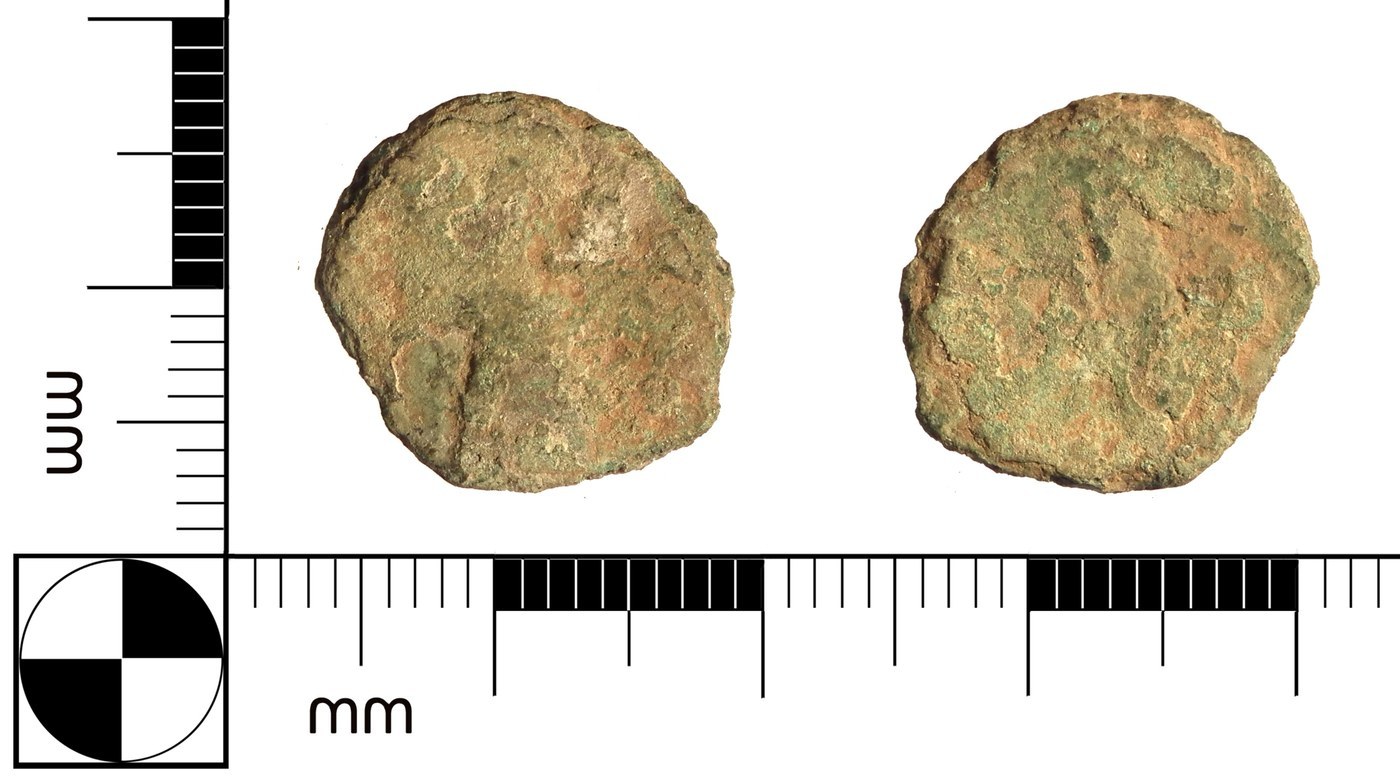
Begin with the fabric and portrait. Confirm you are looking at an ancient bronze: a base-metal coin with a brown-to-green patina, usually hand-struck and slightly irregular rather than perfectly round and machine-even. A right-facing profile bust, as on this coin, is the standard obverse position for a Roman emperor or imperial family member, so it points toward Roman-period coinage of roughly the 1st–3rd century AD as a starting hypothesis.
Hunt for any surviving letters. The obverse legend normally runs clockwise around the bust and gives the ruler's name and titles; even a few readable characters can be matched against reference lists to suggest an emperor. Use raking light (a lamp held low to the side) and gentle magnification to pick out worn lettering. Record the letters exactly as you see them, including gaps, since partial legends are often enough for a specialist to narrow the field.
Study the reverse and any control marks. Roman bronze reverses commonly show a standing figure — a deity or personification — an altar, an animal or a commemorative device, with a legend around the edge and sometimes letters in the field or in the exergue (the strip below the design). Note the reverse subject, any mint mark or field letters, and how the design is positioned. Then measure the coin: record the diameter in millimetres and the weight in grams, because size and weight together help separate denominations such as small bronzes from larger sestertius-sized pieces.
Compare against look-alikes and later imitations. Not every worn right-facing bronze is an official Roman imperial coin — the same broad style covers provincial issues, later Roman bronzes, Byzantine and other ancient coinages, as well as much later tokens, jetons and cast reproductions made to resemble antiquities. Uniform surfaces with no patina, a seam around the edge, or crisp modern-looking lettering are warning signs of a cast copy rather than a struck ancient coin.
Authenticate before you conclude. Genuine ancient bronzes are struck (not cast), show wear consistent with age, and carry a stable patina rather than fresh paint or artificial colouring. If real value or attribution is at stake, avoid cleaning and seek an opinion from an experienced ancient-coin dealer, a numismatic society, or a formal authentication service. Treat this coin as an ancient bronze of Roman style until a specific ruler, mint and denomination can be confirmed against catalogue references.
Frequently asked questions
What should I look for first?
Confirm it is a struck bronze with a patina and an ancient, slightly irregular fabric, then look for a right-facing portrait and any legible letters in the legend. Those set the starting hypothesis.
What measurements help identify it?
Record the diameter in millimetres and the weight in grams, plus the reverse subject and any mint mark or field letters. Size and weight help distinguish denominations and narrow the date range.
How can I tell a genuine ancient coin from a reproduction?
Genuine ancient bronzes are struck and show age-consistent wear and a stable patina. A visible casting seam, bubbly surfaces, no patina, or crisp modern lettering suggest a cast copy or a much later imitation.
Should I clean it before identifying?
Generally no. Harsh cleaning can remove patina and surviving detail, hurting both legibility and value. Use light and magnification first, and leave any conservation to a professional.