
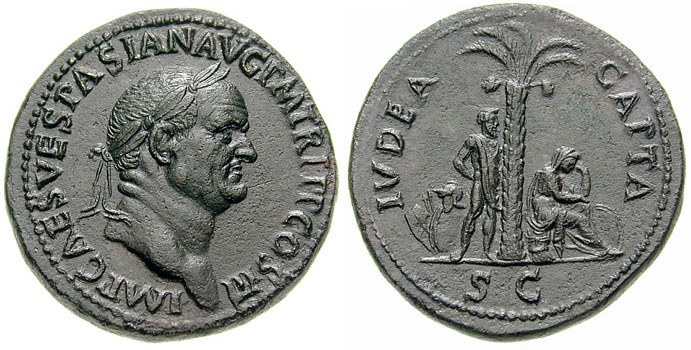
Sestertius of Vespasian (Iudaea Capta)
Large Roman bronze sestertius of Vespasian (AD 70–71) marking the conquest of Judaea, with a palm tree and mourning captives on the reverse.
- Country
- Roman Empire
- Denomination
- Sestertius
- Metal
- Bronze
Got a coin like this?
Identify any coin from a photo, free.
Overview
The Iudaea Capta sestertius is one of the most historically evocative coins of the early Roman Empire. Struck in bronze under the emperor Vespasian, it commemorates Rome's suppression of the Jewish revolt and the fall of Jerusalem in AD 70. The example shown here is dated to the AD 70–71 issues and carries the laureate portrait of Vespasian on the obverse.
The reverse displays the famous "Judaea Capta" type: a palm tree symbolizing the province of Judaea, flanked by figures that typically include a mourning captive and, on many dies, the standing emperor or a bound prisoner. The sestertius is a large, heavy coin, and its broad flan gave the die engravers room for a detailed, propagandistic composition celebrating the victory.
History & Background
Vespasian, the first emperor of the Flavian dynasty, came to power in AD 69 after the turmoil of the Year of the Four Emperors. He had commanded Roman forces against the Jewish revolt in Judaea, and after his elevation the campaign was completed by his son Titus, who captured Jerusalem and destroyed the Second Temple in AD 70.
To advertise this victory across the empire, the Flavian mint at Rome produced an extensive series of "Judaea Capta" coins in gold, silver, and bronze from AD 70 onward. The large bronze sestertius was among the most visible, circulating widely and broadcasting the message that the province had been subdued. The legend IVDAEA CAPTA ("Judaea captured") appears on many issues, sometimes abbreviated or varied.
The type was struck over several years under Vespasian and continued in modified form under Titus. It ranks among the earliest and most recognizable examples of Roman coinage used deliberately as imperial propaganda for a specific military triumph.
How to Identify
This is a large bronze coin, typically around 33–35 mm in diameter and heavy in hand, consistent with the sestertius denomination of the Flavian period. The metal is a bronze (orichalcum) that usually shows brown, green, or reddish patina on surviving pieces.
The obverse shows the laureate head of Vespasian facing right, surrounded by a Latin legend giving his name and titles, usually beginning IMP CAES VESPASIAN AVG with additional abbreviations for his powers and consulships. The reverse centers on a palm tree, the emblem of Judaea, with mourning or captive figures beside it; the standing emperor, a bound prisoner, or a seated grieving woman (Judaea personified) are common elements. Many dies carry the inscription IVDAEA or IVDAEA CAPTA, and the large letters S C (Senatus Consulto) commonly appear in the field on the bronze denominations.
Because the dies were cut by hand and the type was issued over multiple years, exact figures, legends, and arrangements vary from coin to coin. The unmistakable combination of Vespasian's portrait, the palm tree, and the mourning-captive imagery is the key to the type.
Value & Collectibility
Iudaea Capta coins are among the most sought-after of all Roman issues because of their dramatic historical association with the fall of Jerusalem, so they command a strong premium over ordinary Vespasian bronzes. Values depend heavily on the specific reverse composition, the sharpness of the portrait and captive figures, the quality of the patina, and overall wear.
Heavily worn or corroded sestertii with a recognizable but soft design generally sell for hundreds of dollars, while well-centered examples with clear detail and attractive surfaces reach into the low-to-mid thousands. Exceptional, high-grade pieces with fine style and strong provenance can bring substantially more at specialist auctions.
Because of the type's fame and value, it is frequently faked and also sometimes offered as a modern tourist replica. Provenance, expert attestation, and purchase from established ancient-coin dealers or auction houses are important before paying a significant sum.
Frequently asked questions
What does 'Iudaea Capta' mean?
It is Latin for "Judaea captured" (also spelled Judaea/Judea Capta). The legend and imagery commemorate Rome's suppression of the Jewish revolt and the fall of Jerusalem in AD 70 under Vespasian and his son Titus.
What is the palm tree on the reverse?
The palm tree was a well-known emblem of the province of Judaea. On these coins it stands as the centerpiece of the victory type, usually flanked by mourning captives or the standing emperor.
Is a sestertius made of gold or silver?
No. The sestertius is a large bronze (orichalcum) denomination. Judaea Capta coins were also struck in gold (aureus) and silver (denarius), but this heavy bronze piece is the sestertius.
How much is a Vespasian Judaea Capta sestertius worth?
Because of its fame, it far outsells ordinary Roman bronzes. Worn examples often bring hundreds of dollars, and well-preserved pieces can reach into the thousands, with exceptional coins selling for much more at auction.
Are there fakes of this coin?
Yes. Its historical importance and value make it one of the more commonly faked and replicated Roman types. Seek expert attestation and buy from reputable ancient-coin dealers before paying a premium.
Sestertius of Vespasian (Iudaea Capta) guides
In-depth guides for identifying, valuing, and collecting Sestertius of Vespasian (Iudaea Capta).
Other coins you may enjoy
Tetradrachm of Ptolemy XII
80-51 BC
Tetradrachm of Ptolemy I
305-283 BC
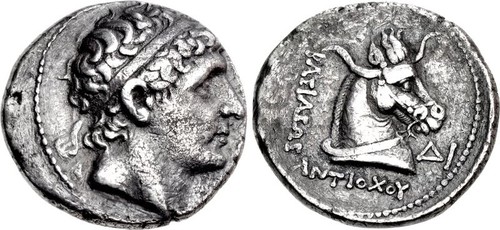
Tetradrachm of Antiochos I Soter
281-261 BC
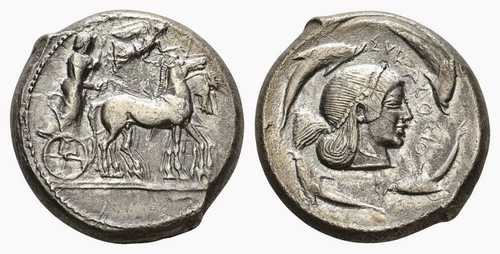
Syracuse Tetradrachm
c. 5th-4th century BC (Classical period)
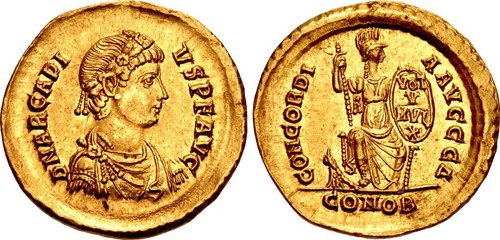
Solidus of Arcadius
AD 395-402
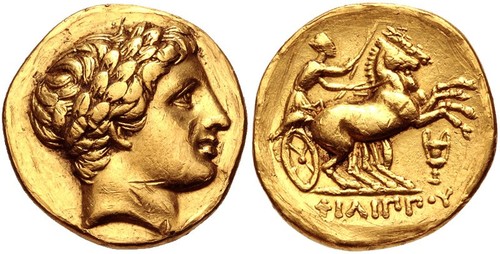
Philip III Gold Stater
323-317 BC
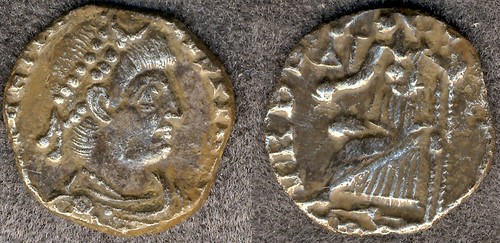
Siliqua of Gratian
AD 367-383
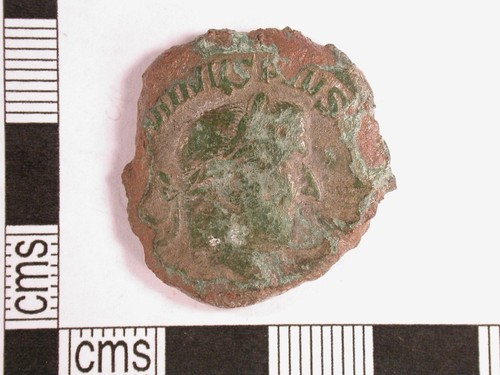
Sestertius of Maximinus Thrax
235-238 AD
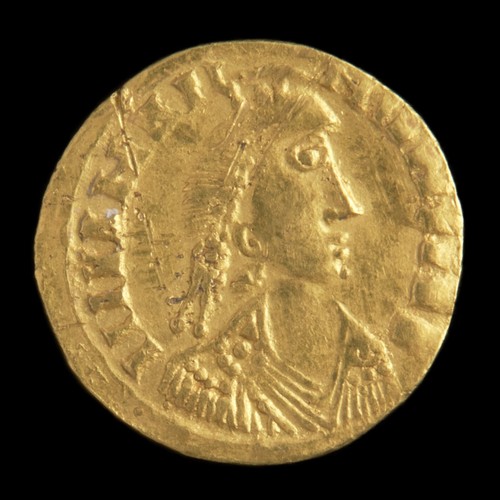
Solidus of Valentinian III
AD 425-455
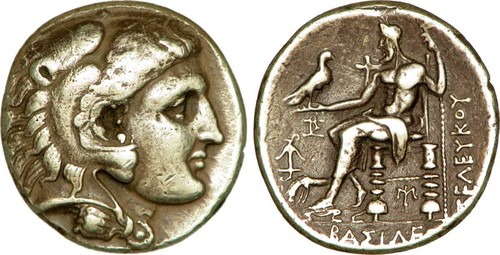
Seleucus I Nicator Tetradrachm
Late 4th-3rd century BC
Nummus of Magnentius
AD 350-353
Follis of Galerius
AD 308-310