
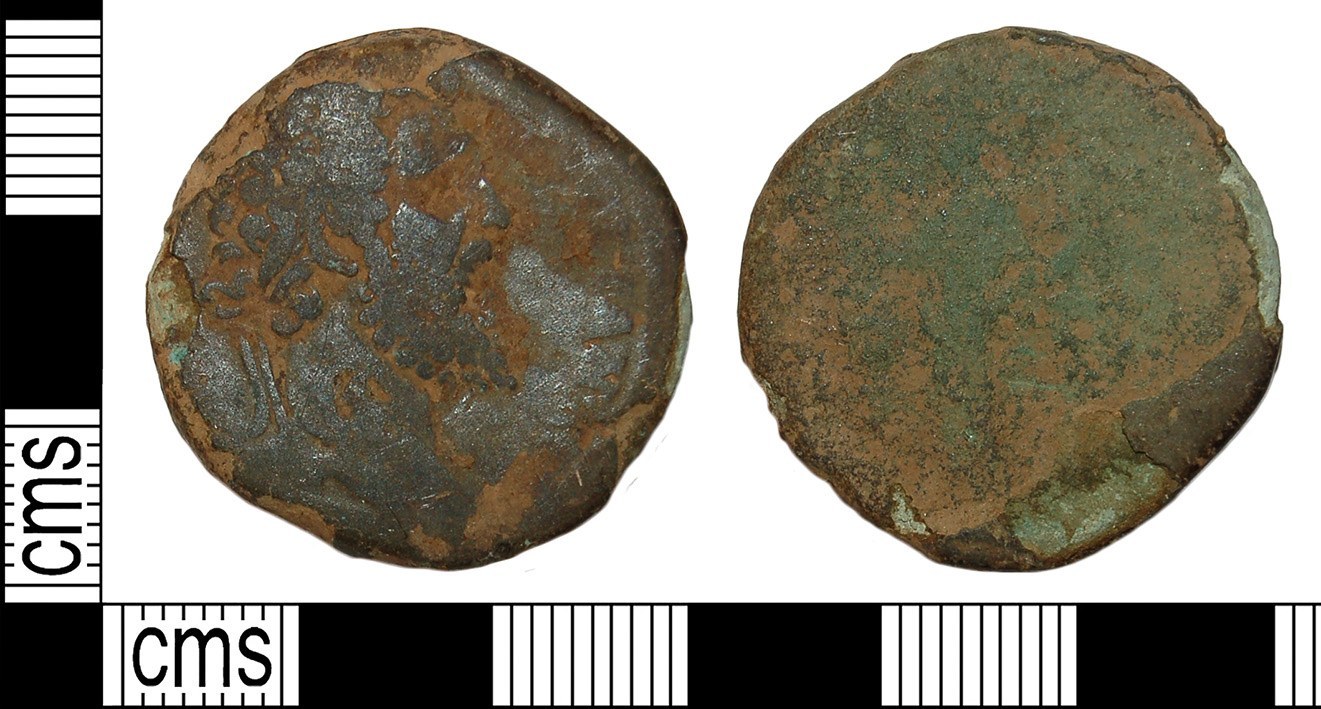
Sestertius of Didius Julianus
A large bronze/orichalcum sestertius of Didius Julianus, the emperor who reigned only weeks in 193 AD — rare, historically charged, and much sought after.
- Country
- Roman Empire
- Denomination
- Sestertius
- Metal
- Bronze/Orichalcum
Got a coin like this?
Identify any coin from a photo, free.
Overview
This is a sestertius, the largest of the everyday Roman bronze denominations, struck for the short-lived emperor Didius Julianus in 193 AD. The obverse shows his laureate, bearded head facing right, surrounded by a Latin legend giving his name and imperial titles. The reverse carries a standing allegorical figure (a personification) with an accompanying legend — the kind of Fortuna-, Concordia- or Fortitude-style image the Roman mint used to broadcast the virtues and stability of a new reign.
What makes the piece remarkable is the emperor behind it. Didius Julianus held power for only about two months, so every coin bearing his portrait comes from a single, very brief burst of minting at Rome. Sestertii of his reign are genuinely scarce, and a well-preserved example is a prized item among collectors of the Roman imperial series.
As a large bronze the coin is substantial in hand — broad and heavy — and its bold portraiture makes it one of the more dramatic ways to own a coin of the chaotic "Year of the Five Emperors."
History & Background
Marcus Didius Julianus became emperor in one of the most notorious episodes in Roman history. After the murder of Pertinax in March 193, the Praetorian Guard effectively auctioned the throne, and Didius Julianus won by promising the soldiers the largest donative. He entered office deeply unpopular, seen by the people and Senate as having bought the empire rather than earned it.
His reign lasted only roughly nine weeks, from late March to the start of June 193 AD. Provincial armies refused to accept him, and Septimius Severus marched on Rome. Abandoned by the Guard and condemned by the Senate, Didius Julianus was killed around 1 June 193, and Severus took power. Because his rule was so short, the imperial mint at Rome produced coinage in his name for only a matter of weeks.
This makes 193 AD one of the pivotal years of the empire — the so-called Year of the Five Emperors (Pertinax, Didius Julianus, Pescennius Niger, Clodius Albinus and Septimius Severus). A sestertius of Didius Julianus is therefore a direct artifact of that crisis, struck in the narrow window before his fall.
How to Identify
Begin with the obverse portrait: a mature, bearded man's head facing right, usually laureate, with a legend that includes forms of the name IMP CAES M DID(IVS)... IVLIAN(VS) AVG. Reading that name in the legend is the single most decisive identification, since the portrait style resembles other emperors of the late 2nd century. The reverse shows a standing personification — a draped figure holding attributes such as a rudder, cornucopia, patera or standard — with a virtue legend and the letters S C (Senatus Consulto) marking it as senatorial bronze coinage.
Confirm the physical type. A sestertius is a large bronze/orichalcum coin, typically around 30 mm across and roughly 20–25 g, far bigger and heavier than a silver denarius or the smaller as and dupondius. The metal is a brassy orichalcum that tones to brown, green or reddish patina with age.
The presence of S C on the reverse and the sheer size distinguish this from Didius Julianus's silver denarii, which share similar legends and reverse figures but are small and made of silver. If the name in the legend is anything other than Didius Julianus, the coin is a different ruler despite a similar look.
Value & Collectibility
Sestertii of Didius Julianus are scarce and desirable because of his extremely short reign, and they generally command far more than common bronzes of longer-ruling emperors. Depending on condition, patina and the strength of the portrait, genuine examples typically trade from the mid hundreds into the thousands of US dollars, with exceptional, sharply struck pieces reaching well beyond that at specialist auction.
Condition drives price dramatically. A worn, corroded coin with a weak portrait sits at the lower end, while an example with clear facial detail, an even patina and a full legend brings a strong premium. Because the type is uncommon, recent auction records for the exact ruler and denomination are the only reliable pricing guide — generic bronze price lists do not apply.
Given both the value and the fact that this emperor is a frequent target for forgeries and modern casts, any Didius Julianus sestertius should be authenticated before a significant purchase. Treat bargain offers with suspicion.
Frequently asked questions
Who was Didius Julianus?
A wealthy Roman senator who became emperor in 193 AD after the Praetorian Guard auctioned the throne following the murder of Pertinax. He reigned only about nine weeks before being deposed and killed as Septimius Severus took power.
Why are his sestertii so rare?
Because his reign lasted only around two months. The mint at Rome struck coins in his name for a very short time, so surviving sestertii are far fewer than those of emperors who ruled for years.
What is on the reverse?
A standing allegorical figure — a personification such as Fortuna, Concordia or a similar virtue — holding attributes like a rudder, cornucopia or patera, accompanied by a virtue legend and the letters S C marking senatorial bronze coinage.
What is a sestertius made of?
It is a large coin of orichalcum, a golden-brassy copper-zinc alloy, often described broadly as bronze. Over time it develops a brown, green or reddish patina.
How much is one worth?
Genuine examples usually range from the mid hundreds into the thousands of dollars depending on condition and eye appeal, with the finest pieces higher still. Because the type is scarce and often faked, rely on auction records for this exact emperor and have any coin authenticated.
Sestertius of Didius Julianus guides
In-depth guides for identifying, valuing, and collecting Sestertius of Didius Julianus.
Other coins you may enjoy
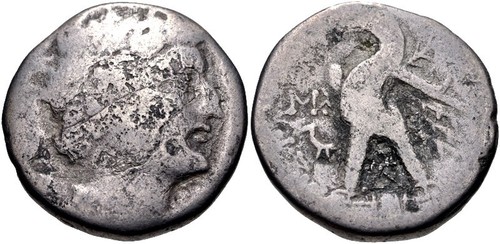
Tetradrachm of Ptolemy XII
80-51 BC
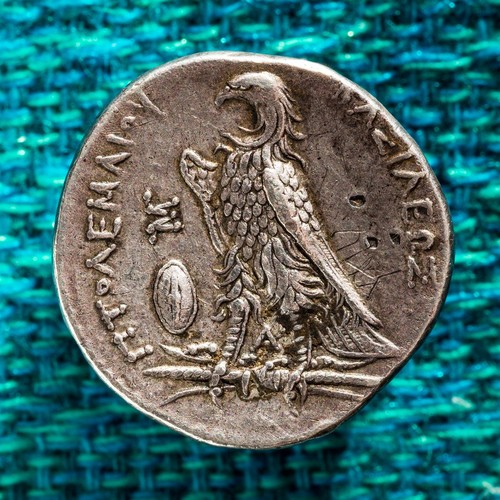
Tetradrachm of Ptolemy I
305-283 BC
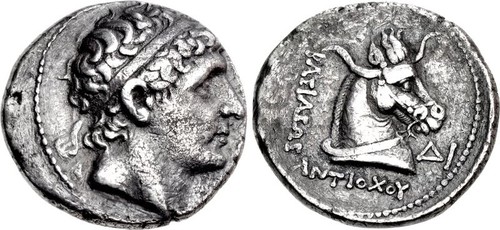
Tetradrachm of Antiochos I Soter
281-261 BC
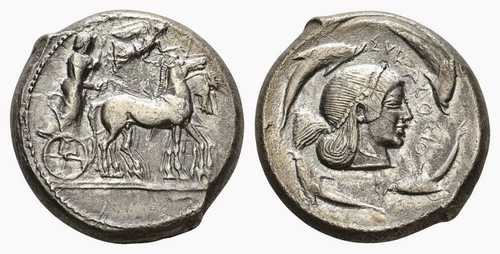
Syracuse Tetradrachm
c. 5th-4th century BC (Classical period)
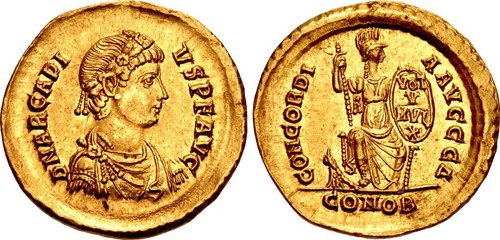
Solidus of Arcadius
AD 395-402
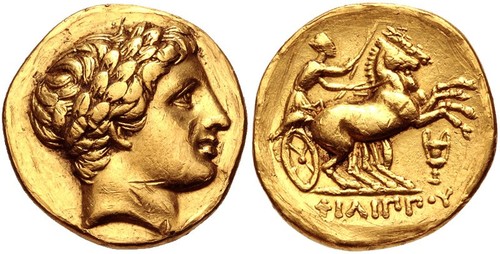
Philip III Gold Stater
323-317 BC
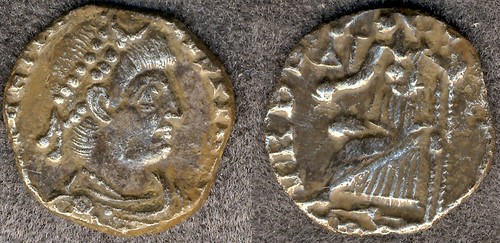
Siliqua of Gratian
AD 367-383
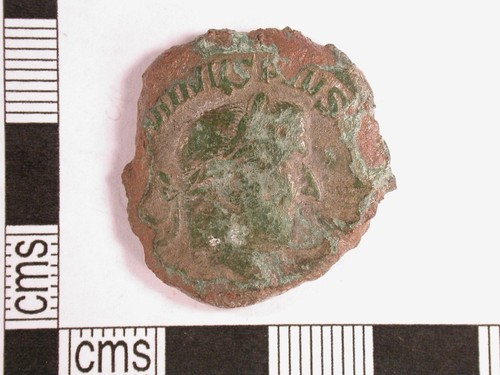
Sestertius of Maximinus Thrax
235-238 AD
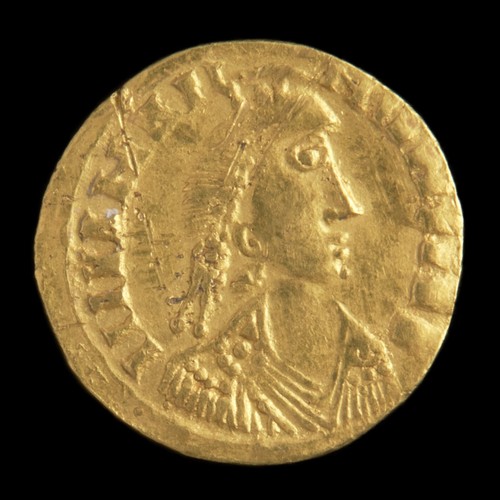
Solidus of Valentinian III
AD 425-455
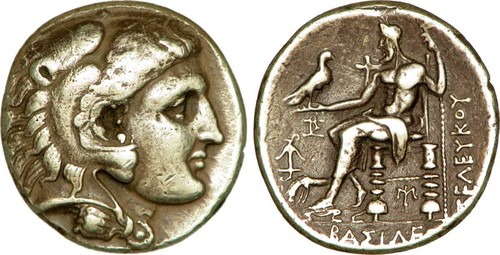
Seleucus I Nicator Tetradrachm
Late 4th-3rd century BC
Nummus of Magnentius
AD 350-353
Follis of Galerius
AD 308-310