
How to Identify the Sestertius of Didius Julianus
Collector checks for a Didius Julianus sestertius — reading the obverse name, the S C reverse, size and metal, look-alikes, and forgery cautions.
Read the full Sestertius of Didius Julianus encyclopedia entry →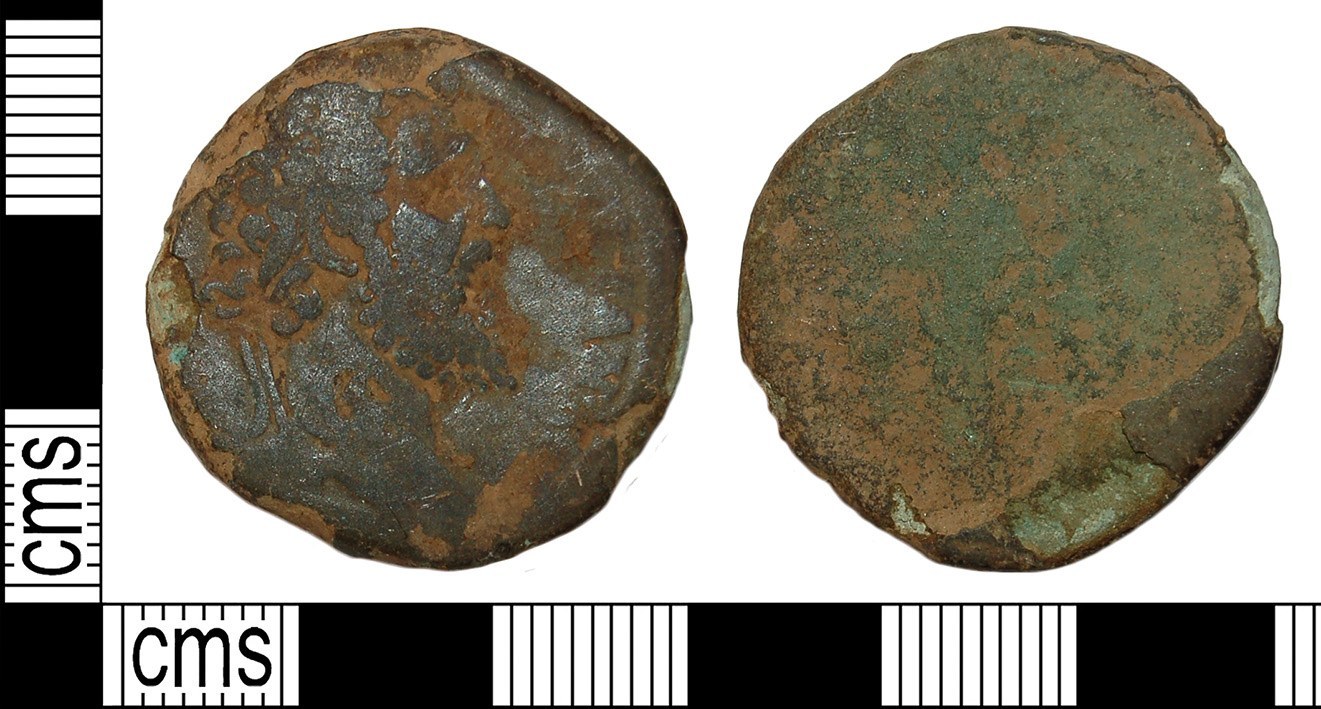
The identification hinges on the obverse legend, not the face. Roman portraits of the late 2nd century look broadly alike — a mature bearded head facing right — so you must read the name around the bust. Look for the elements of IMP CAES M DID(IVS) IVLIAN(VS) AVG. Only when the legend names Didius Julianus is the coin his; a similar portrait with a different name belongs to another emperor.
Check the reverse next. Expect a single standing personification — a draped figure such as Fortuna or Concordia holding a rudder, cornucopia, patera or standard — with a short virtue legend and the letters S C in the field. That S C marks the piece as senatorial bronze coinage and is normal for a genuine sestertius; its absence on a large bronze is a warning sign.
Verify the physical type. A sestertius should be a big coin, roughly 28–32 mm in diameter and about 20–25 g, struck in golden-brassy orichalcum that has usually toned to a brown, green or red-brown patina. Do not confuse it with the much smaller silver denarius of the same emperor, which carries similar legends and reverse figures but is a fraction of the size and made of silver. There are no modern-style mint marks; the relevant "marks" are the legends and the S C.
Be alert to look-alikes and fakes. Because coins of this emperor are scarce and valuable, they are disproportionately forged: watch for cast copies with soft, blurred detail, seams on the edge, and bubbly or unnaturally smooth surfaces; tooled coins where a weak portrait has been re-cut; and artificially applied green "patina." Genuine ancient bronze shows crisp struck detail and a hard, layered natural patina.
For any purchase of consequence, get independent authentication from a reputable ancient-coin specialist or auction house, and compare the exact obverse legend, reverse type and style against published references for Didius Julianus. Provenance history adds significant confidence for a rarity like this.
Frequently asked questions
How do I know a portrait is Didius Julianus and not another emperor?
Read the obverse legend, not the face. Late 2nd-century Roman portraits look similar, so the deciding factor is the name in the inscription — look for the forms of M DIDIVS IVLIANVS AVG. Only that name confirms the ruler.
What does the S C on the reverse mean?
It stands for Senatus Consulto ("by decree of the Senate") and appears on Roman imperial bronze denominations like the sestertius. Seeing S C on a large bronze of this era is expected and normal.
How can I spot a fake?
Look for soft, blurred detail, edge seams and bubbly surfaces that indicate a cast copy, re-cut (tooled) portraits, and artificial green paint posing as patina. Genuine struck bronze has crisp detail and a hard natural patina. Because this emperor is heavily forged, authenticate before buying.
How is the sestertius different from his denarius?
The sestertius is a large orichalcum bronze around 30 mm and 20–25 g, while the denarius is a small silver coin. They can share legends and reverse figures, so use size and metal to tell them apart.