
Coin Encyclopedia
Search and identify coins from around the world — with country, denomination, metal, mint, history, and how to tell them apart.
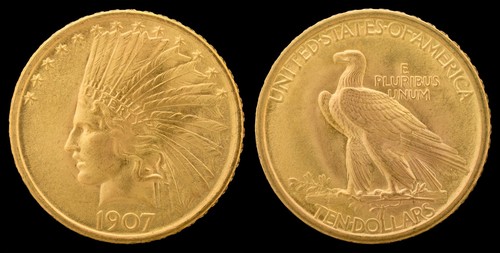
Indian Head Eagle
U.S. $10 gold eagle struck 1907–1933, designed by Augustus Saint-Gaudens, with a feathered-headdress Liberty and a standing eagle reverse.
Eagle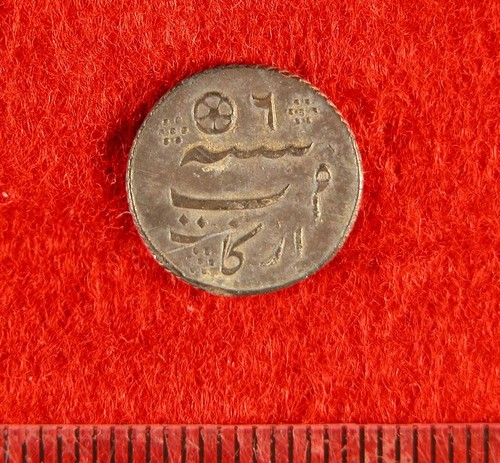
Indian Silver Coin
A silver coin of British India bearing Persian/Urdu calligraphy and a mint mark, in the Mughal-derived inscriptional style of Company-era coinage.
British India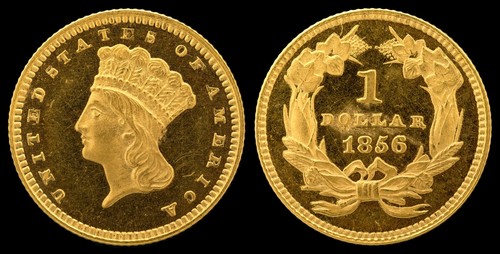
Indian Head Gold Dollar
Tiny U.S. one-dollar gold coin (1854–1889) with an Indian-princess Liberty in a feathered headdress and a denomination-and-date wreath reverse.
Gold Dollar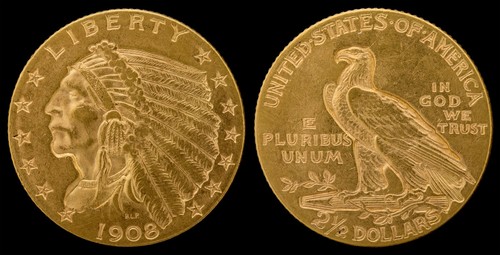
Indian Head Quarter Eagle
U.S. $2.50 gold coin of 1908–1929 with a sunken (incuse) design: an Indian in a feathered war bonnet on the obverse and a standing eagle reverse.
Quarter Eagle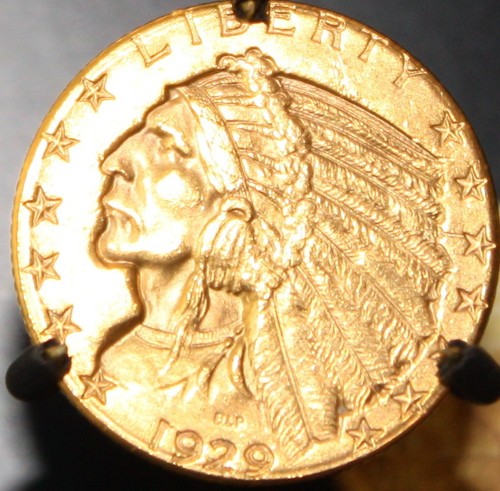
Indian Head Half Eagle
U.S. $5 gold half eagle struck 1908–1929, with an unusual sunken (incuse) design: a headdressed Native American obverse and a standing eagle reverse.
Half Eagle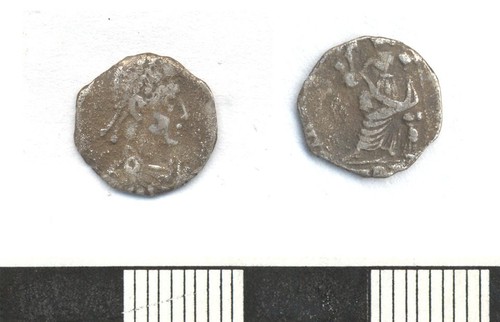
Roman Siliqua
Small late-Roman silver coin of the 4th century AD, with an emperor's portrait facing right and a standing robed figure on the reverse.
Ancient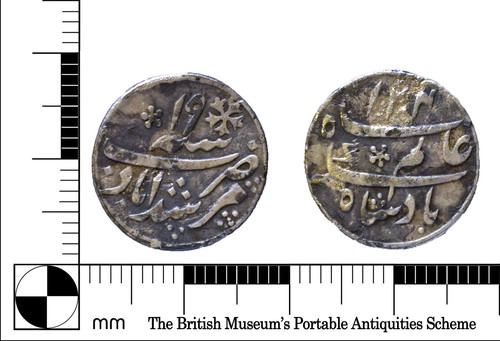
Mughal Islamic Rupee
A hand-struck silver rupee of the Mughal Empire, filled edge to edge with Persian and Arabic script naming the emperor, mint, and regnal year.
Islamic
Victoria One Rupee
Silver 1-rupee coin of British India bearing Queen Victoria's crowned bust, struck from 1862 to 1901 under Crown rule.
British India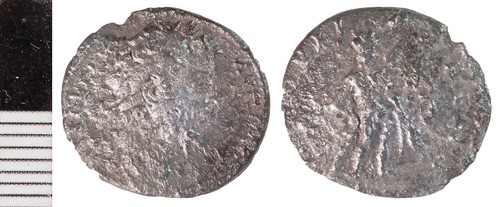
Roman Imperial Denarius (Unidentified)
A silver denarius of the Roman Empire, 2nd century AD, showing an emperor's right-facing curly-haired portrait and a standing imperial reverse type.
Ancient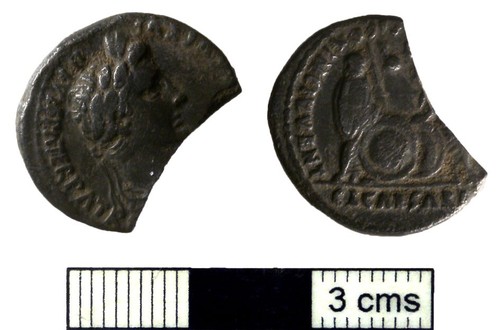
Roman Denarius
A small hammered silver coin of ancient Rome, showing an emperor's portrait and abbreviated Latin titles on one side and a deity or figure on the other.
Ancient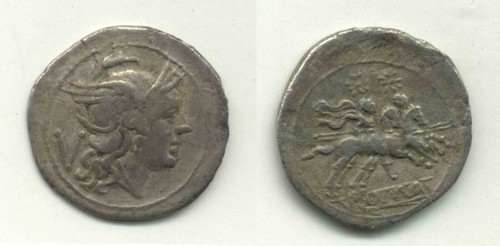
Roman Quinarius
A small Roman silver quinarius, half the value of a denarius, here with a helmeted head of Roma and a prancing horse on the reverse.
Ancient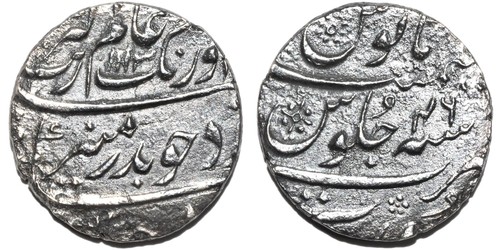
Mughal Rupee (Akbar)
A hand-struck Mughal silver rupee of Emperor Akbar dated AH 1003 (AD 1594), covered on both faces with flowing Persian calligraphy and ornamental borders.
Historic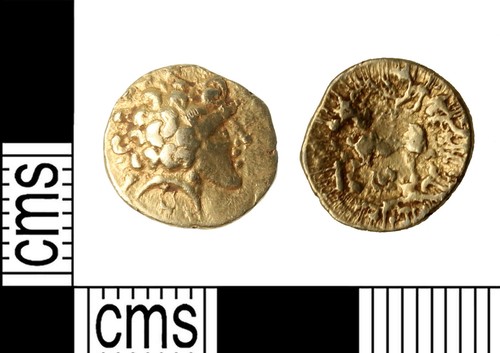
Celtic Gold Quarter Stater
A small Iron Age gold coin struck by the Celtic peoples of ancient Britain, valued at one-quarter of a full stater and marked by abstract, geometric designs.
Ancient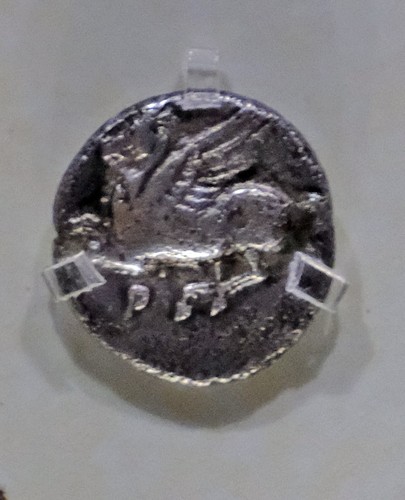
Corinthian Drachm
A silver drachm of ancient Corinth pairing a helmeted head of Athena with the city's emblem, the winged horse Pegasus, struck in the mid-4th century BC.
Ancient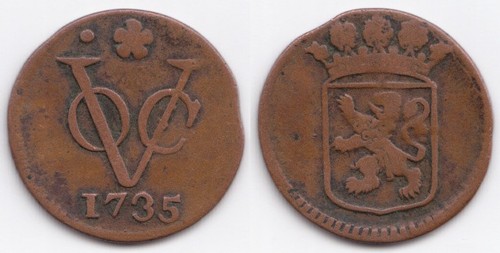
Dutch East Indies Duit
Small copper duit of the Dutch East India Company (VOC), showing the interlaced VOC monogram and a crowned provincial coat of arms, dated 1735.
Southeast Asia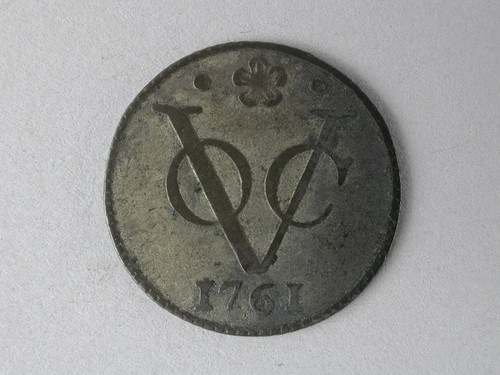
Halve Duit (VOC)
Small copper half-duit of the Dutch East India Company (VOC), bearing the crowned VOC monogram, struck in the 1700s for use in the Dutch trading world.
Early Modern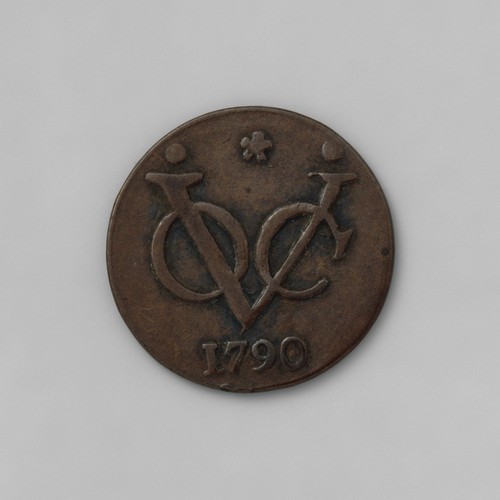
Duit (VOC)
A small copper duit struck for the Dutch East India Company (VOC), showing the crowned VOC monogram and the date 1790 on the obverse.
Early Modern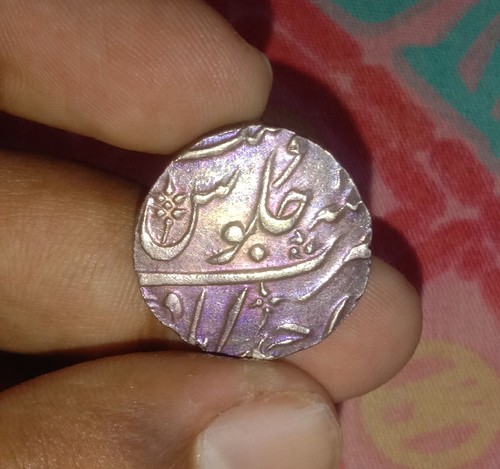
Silver Rupee of Bombay Presidency
British East India Company silver rupee struck at Bombay in the name of Mughal emperor Akbar II, bearing Persian legends.
Princely & Presidency States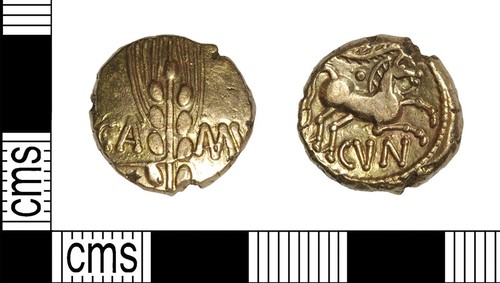
Gold Stater of the Catuvellauni and Trinovantes
An Iron Age British gold stater of the Catuvellauni and Trinovantes, showing stylized wheat/barley ears on one face and a dynamic horse on the other.
Ancient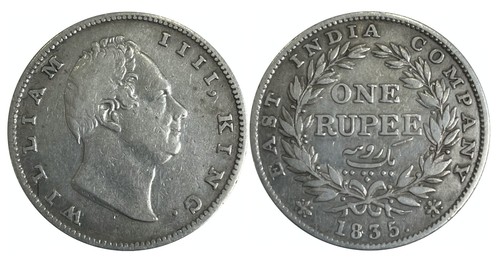
William IV One Rupee
Silver one-rupee coin of British India struck in 1835 under the East India Company, bearing the right-facing bust of King William IV.
British India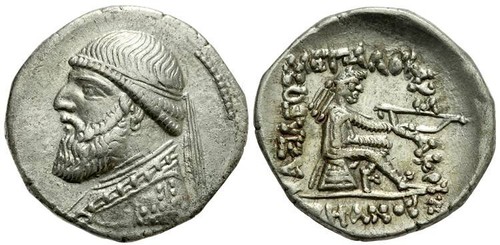
Parthian Drachm
Silver drachm of the Parthian (Arsacid) Empire, pairing a bearded royal profile with a seated archer holding a bow, struck in the era of Mithradates II.
Ancient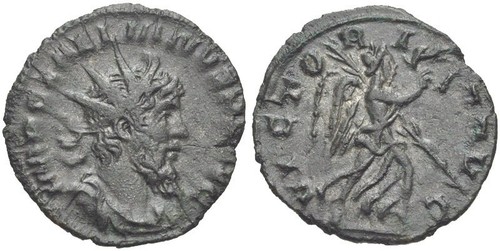
Antoninianus of Laelianus
Rare billon antoninianus of the short-lived Gallic usurper Laelianus, showing his radiate-crowned bust and a Roman deity or personified virtue.
Ancient Coins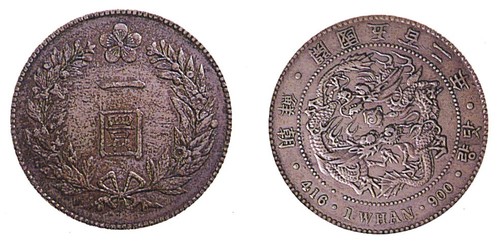
1 Hwan
A late-Joseon Korean bronze coin of one hwan, carrying a chrysanthemum-and-cartouche obverse and a traditional dragon motif with East Asian characters on the reverse.
Historic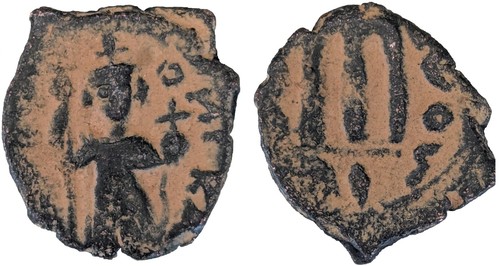
Byzantine Follis
Large bronze follis of the Byzantine Empire, this example under Constans II (from 641 AD), with an imperial portrait and a big M value mark topped by a cross.
Medieval