
Dutch East Indies Duit
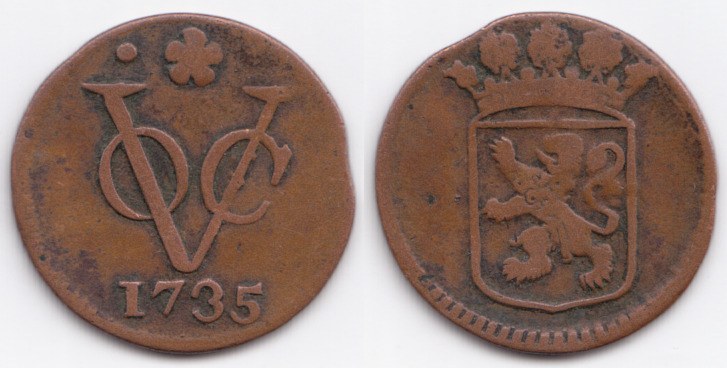
Small copper duit of the Dutch East India Company (VOC), showing the interlaced VOC monogram and a crowned provincial coat of arms, dated 1735.
- Country
- Netherlands East Indies
- Denomination
- Duit
- Metal
- Copper
Got a coin like this?
Identify any coin from a photo, free.
Overview
The Dutch East Indies Duit is a small copper coin issued by the Vereenigde Oostindische Compagnie (VOC), the United (Dutch) East India Company, for use in its trading territories in the East Indies. The example shown carries the company's famous interlaced VOC monogram with the date 1735 on the obverse, and a crowned heraldic shield, a provincial coat of arms, on the reverse.
The duit was the smallest everyday copper denomination in the Dutch monetary system, valued at one-eighth of a stuiver. Rather than design a wholly separate colonial coin, the VOC had duiten struck to the familiar pattern of the Dutch Republic's provincial coinage, but branded with its own monogram. These coins circulated in enormous numbers across Java and the wider archipelago as small change for daily trade.
History & Background
The VOC was chartered in 1602 and became the dominant European trading power in the Indonesian archipelago, governing from its capital at Batavia (modern Jakarta). For centuries it relied on a mix of imported coin and local money, but from the early eighteenth century it arranged for dedicated copper duiten to be struck in the Netherlands and shipped east to serve as low-value change.
Production of these VOC-monogram duiten ran through much of the eighteenth century, with the individual provincial chambers of the company, such as Holland, West-Friesland, Zeeland, Utrecht, and Gelderland, supplying coins that each bore that province's arms on the reverse. A coin dated 1735 falls within this long series. The VOC was dissolved at the end of 1799 after mounting debts and the upheavals of the era, and its possessions passed to the Dutch state, which continued and later reorganized the coinage of the Netherlands East Indies.
How to Identify
The defining feature is the interlaced VOC monogram, the letters V, O and C combined into a single device, on the obverse, usually with the year beneath or beside it. This monogram is what marks the piece as a company issue rather than an ordinary provincial duit of the home Republic. Above the monogram there is typically a small mint or chamber mark indicating which provincial chamber struck the coin.
The reverse carries a crowned coat of arms, a heraldic shield whose design identifies the issuing province. The specific arms therefore tell you the chamber responsible for that particular coin, so the shield is worth examining closely.
Physically this is a modest copper piece, generally in the region of a couple of grams and roughly 20-23 mm across, though hand-produced flans vary in shape, thickness, and centering. Surfaces are commonly dark brown from age and circulation, and worn or off-center strikes are typical for the type.
Value & Collectibility
VOC duiten were made in vast quantities over many years and provinces, so ordinary circulated examples are among the more affordable eighteenth-century colonial coppers and typically trade at modest collector prices. Condition drives most of the value: heavily worn, corroded, or pitted coins sit at the low end, while pieces with sharp monograms, clear arms, and even, problem-free surfaces command higher premiums.
Scarcer dates, particular provincial chambers, and recognized varieties can be worth considerably more than common examples, so attribution matters. As with any copper of this age, cleaning, corrosion, holing, and heavy verdigris reduce value. For a specific coin, compare against recent sales of the matching province and date rather than a single catalog figure, since prices span a wide range.
Frequently asked questions
What does the VOC monogram stand for?
VOC stands for Vereenigde Oostindische Compagnie, the United (Dutch) East India Company. The interlaced monogram identifies the coin as a company issue struck for use in its East Indies territories.
Is the duit made of silver or copper?
It is a copper coin. The duit was the smallest everyday copper denomination in the Dutch system, worth one-eighth of a stuiver, and was never a precious-metal piece.
Whose coat of arms is on the reverse?
The crowned shield is the arms of the Dutch province whose chamber struck the coin, such as Holland, West-Friesland, Zeeland, Utrecht, or Gelderland. The specific design tells you which provincial chamber issued that piece.
Where were these coins used?
They circulated as small change across the VOC's East Indies possessions, especially Java and the surrounding archipelago centered on Batavia, the modern Jakarta.
Are Dutch East Indies duiten valuable?
Most ordinary circulated examples are common and inexpensive, since huge numbers were struck. Scarcer provinces, particular dates, varieties, and unusually well-preserved coins are the ones that carry real premiums.
Dutch East Indies Duit guides
In-depth guides for identifying, valuing, and collecting Dutch East Indies Duit.
Other coins you may enjoy
Straits Settlements Dollar
1904
Philippines 20 Centavos
1937–1945 (this example dated 1944)
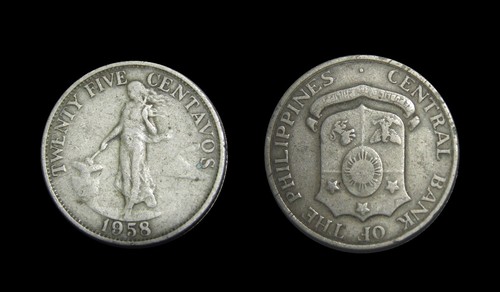
Philippines 25 Centavos
Dated 1958, part of the Republic of the Philippines "English Series" coinage struck from 1958 to 1966
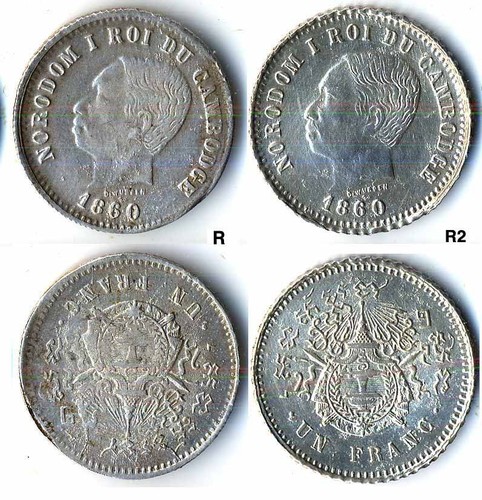
Cambodia One Franc
1950s–1960s
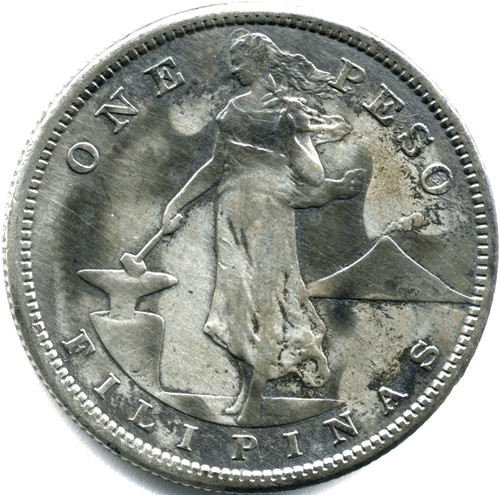
Philippines One Peso
1903–1912
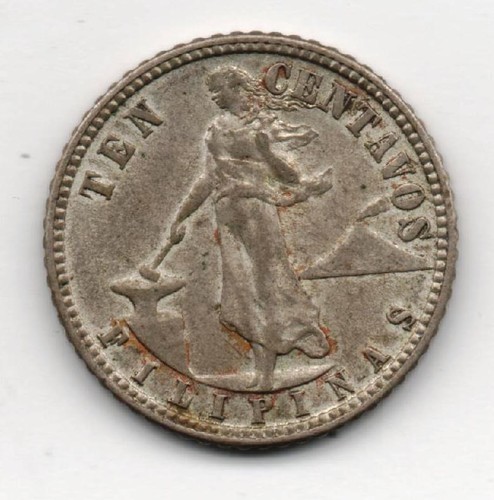
Philippines 10 Centavos
1907–1935 (this example dated 1911)
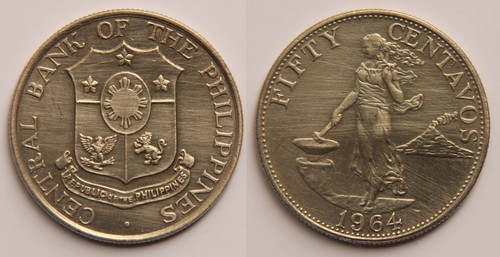
Philippines 50 Centavos
1958–1966 (English series); example dated 1964
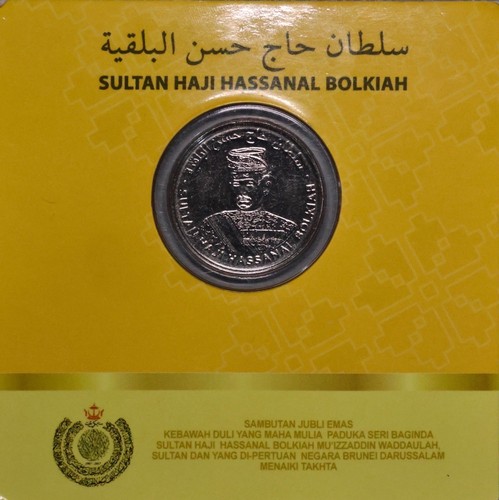
Brunei Golden Jubilee 50 Cents
Golden Jubilee issue, 2017
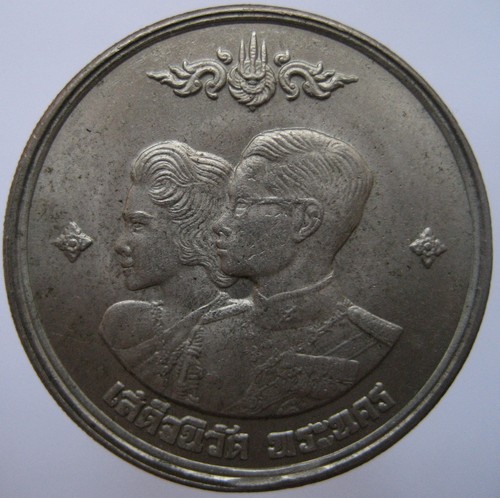
Thailand One Baht Commemorative
1961
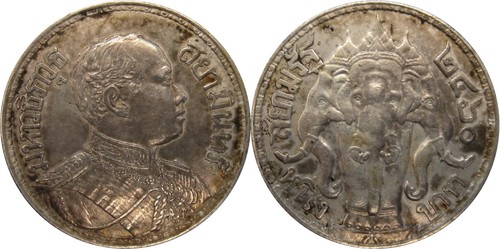
Thailand One Baht
1917
Vietnam 2 Tien - Bao Dai
1926-1945
Indonesia 5 Rupiah
2003