
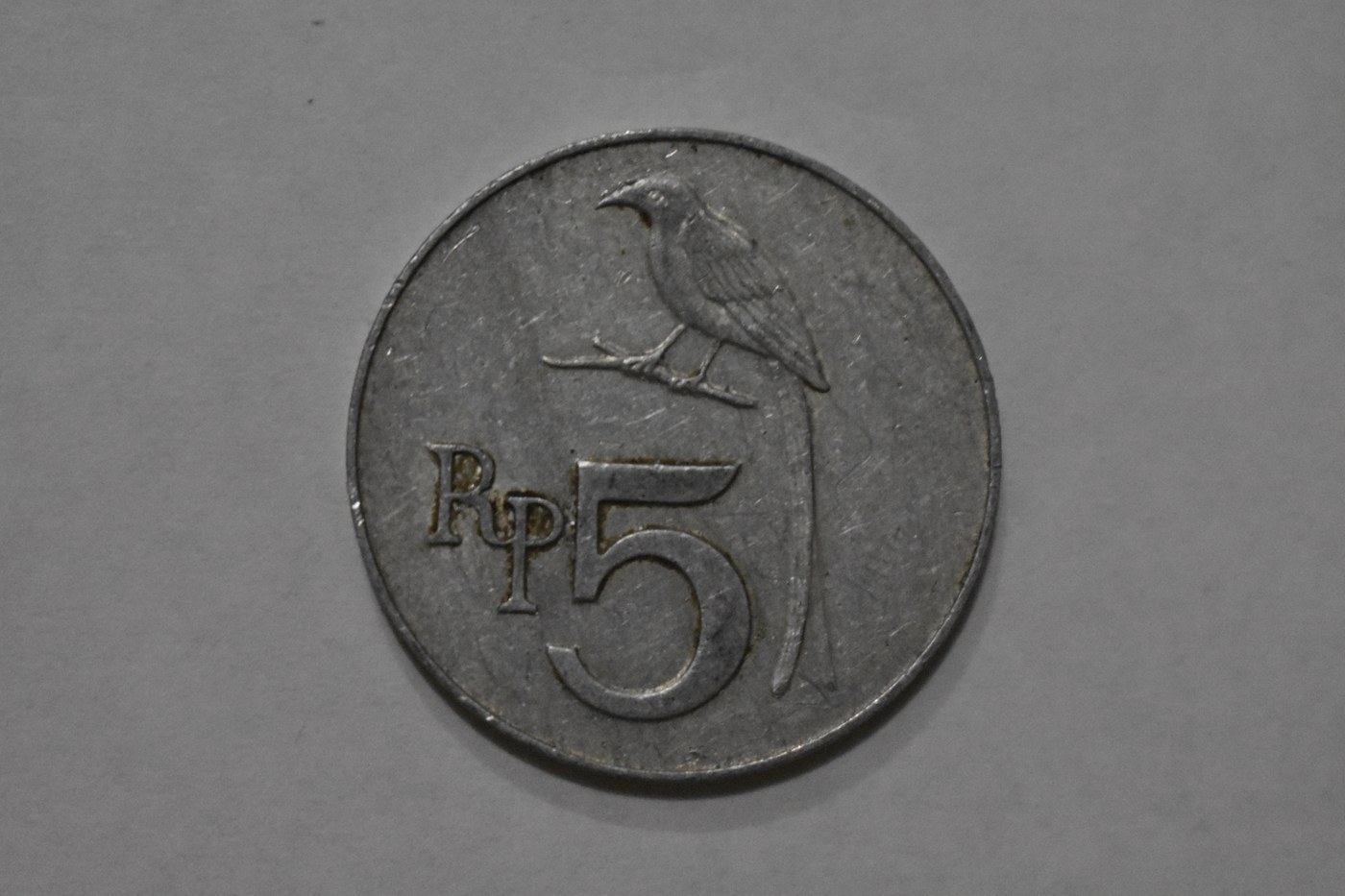
Indonesia 5 Rupiah
A lightweight aluminum 5-rupiah coin of the Republic of Indonesia dated 2003, carrying the Garuda eagle emblem and the legend Bank Indonesia.
- Country
- Indonesia
- Denomination
- 5 Rupiah
- Metal
- Aluminum
Got a coin like this?
Identify any coin from a photo, free.
Overview
The Indonesia 5 Rupiah is a small circulation coin of the Republic of Indonesia, and the example shown here is dated 2003. It is struck in aluminum, giving it a pale silvery-grey color and a distinctly light weight in the hand. One face carries the Garuda eagle emblem together with the legend "BANK INDONESIA," the name of the country's central bank and note-issuing authority; the other face carries the denomination and the year.
As a very low value in the rupiah system, this coin was minor change during its period of use. Aluminum was chosen precisely because it kept production costs low for a coin whose face value was tiny, and the resulting piece is thin and easily bent, characteristics typical of Indonesia's small aluminum coinage of the era.
Because it was produced for everyday circulation rather than as a collector item, the 5 rupiah is commonly encountered in worn, spotted or lightly corroded condition, and it is a familiar type among collectors of modern Southeast Asian coins.
History & Background
The rupiah has been the currency of Indonesia since the independence era, and over the decades the smallest denominations were repeatedly reissued in cheaper metals as their purchasing power fell. By the early 2000s the 5 rupiah had become a very minor unit, and coins of this size were struck in aluminum to keep them economical to produce.
Bank Indonesia, the central bank named on the coin, is responsible for issuing the nation's currency, which is why its name rather than a monarch or head of state appears in the legend. The 2003 date places this piece within Indonesia's modern small-change coinage, part of a family of low-denomination aluminum coins circulating in that period.
With continued inflation, the very smallest rupiah coins gradually fell out of practical use, and pieces like the 5 rupiah are now more often seen in collections and accumulations than in active circulation.
How to Identify
Identify this coin first by metal and feel: it is aluminum, so it is unusually light for its size, pale grey in color, and soft enough that circulated pieces are often nicked or slightly bent. This lightness alone separates it from heavier bronze, brass or cupro-nickel coins of similar diameter.
Read the design next. One side shows the Garuda eagle emblem with the legend "BANK INDONESIA," identifying the issuing authority. The opposite side carries the denomination, expressed with the numeral 5 and the word "RUPIAH," together with the year of striking — 2003 on the coin photographed here. The presence of both "BANK INDONESIA" and "RUPIAH" confirms the country and currency.
Use the year and denomination together to pin down the exact type, since Indonesia issued several low aluminum denominations that share a similar look. A coin reading 5 RUPIAH with the date 2003 is this issue; different numerals or dates indicate a related but distinct coin from the same coinage family.
Value & Collectibility
The 5 rupiah is a common circulation coin of very low face value, so ordinary worn examples carry only a token premium and are valued mainly as inexpensive additions to a Southeast Asia or world-coin collection. Aluminum coins also corrode and spot easily, and damaged or heavily oxidized pieces are worth little.
Where modest value lies is in condition. Bright, uncirculated coins with full original luster and no spotting are more desirable than the typical worn, dull examples, because aluminum survives poorly and clean survivors are less common than the large mintages might suggest.
Prices depend on grade, eye appeal and demand rather than on scarcity of the type itself, so any figures should be treated as general context. As a rule this is a budget-friendly coin best acquired in the nicest grade available rather than as a rarity.
Frequently asked questions
What country is this coin from?
It is from the Republic of Indonesia. The legend "BANK INDONESIA" names the country's central bank, and "RUPIAH" is the Indonesian currency.
What is the bird on the coin?
It is the Garuda, a mythological eagle that serves as the national emblem of Indonesia. It appears alongside the "BANK INDONESIA" legend on this 5 rupiah.
What metal is the 5 rupiah made of?
Aluminum. That is why the coin is so light and pale grey, and why circulated examples are often bent, scratched or lightly corroded.
Is my 2003 5 rupiah worth much?
As a common low-value circulation coin it usually carries only a small premium over face value. Bright, undamaged uncirculated examples are the most collectible because aluminum coins spot and wear easily.
How much is 5 rupiah worth in real money?
Only a tiny fraction of a currency unit — the rupiah is a low-value currency and 5 rupiah is one of its smallest denominations, so its face value is negligible today.
Indonesia 5 Rupiah guides
In-depth guides for identifying, valuing, and collecting Indonesia 5 Rupiah.
Other coins you may enjoy
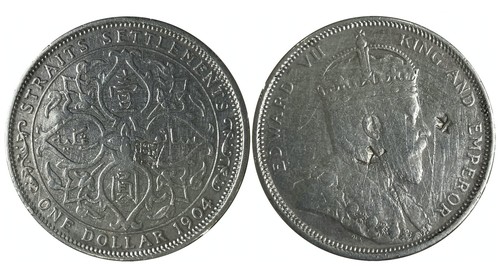
Straits Settlements Dollar
1904
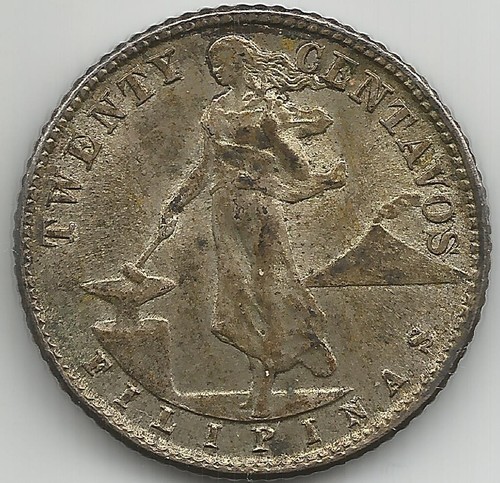
Philippines 20 Centavos
1937–1945 (this example dated 1944)
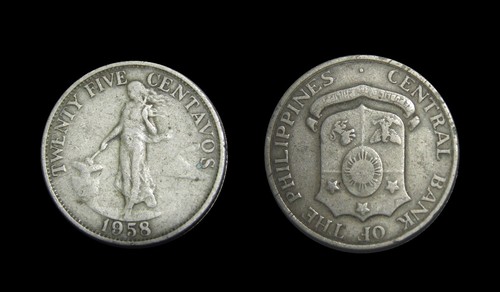
Philippines 25 Centavos
Dated 1958, part of the Republic of the Philippines "English Series" coinage struck from 1958 to 1966
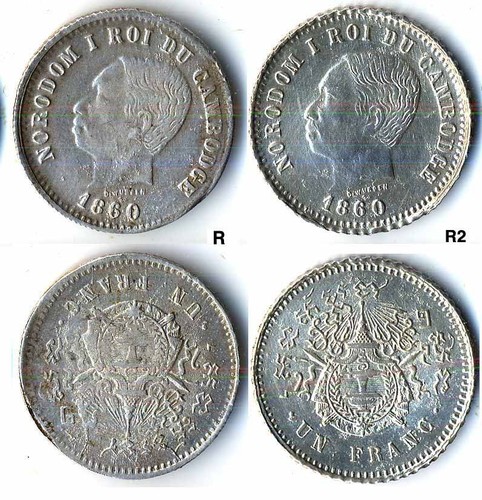
Cambodia One Franc
1950s–1960s
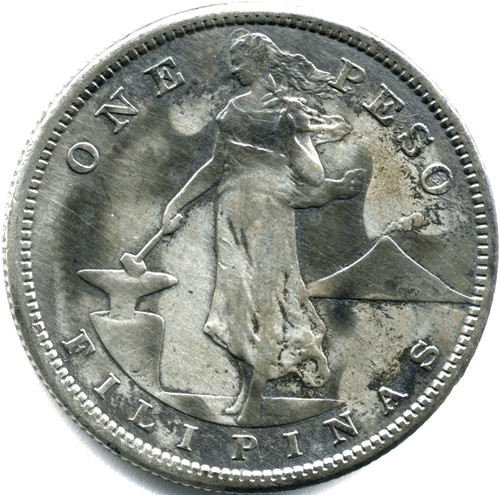
Philippines One Peso
1903–1912
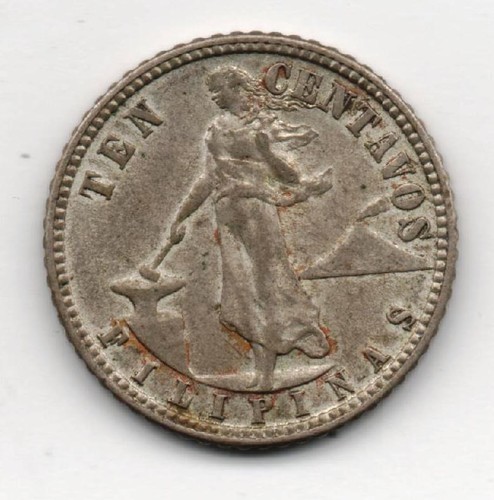
Philippines 10 Centavos
1907–1935 (this example dated 1911)
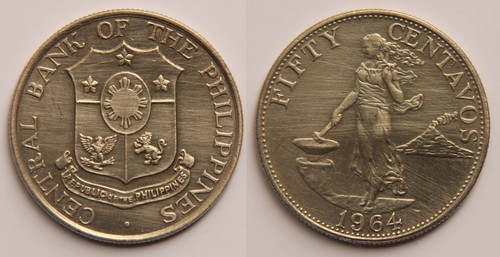
Philippines 50 Centavos
1958–1966 (English series); example dated 1964
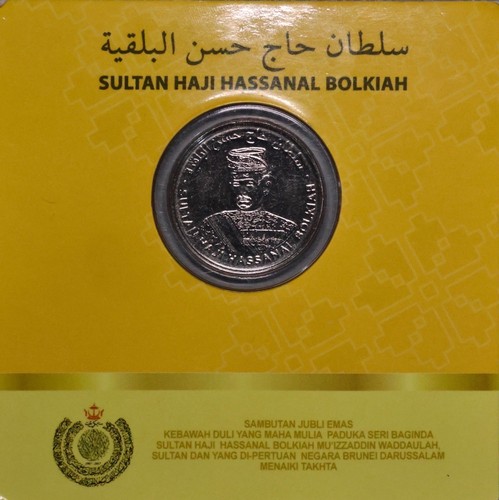
Brunei Golden Jubilee 50 Cents
Golden Jubilee issue, 2017
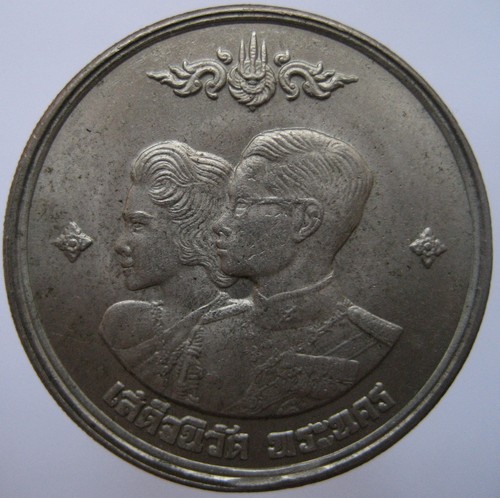
Thailand One Baht Commemorative
1961
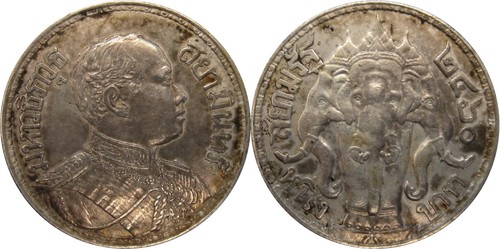
Thailand One Baht
1917
Vietnam 2 Tien - Bao Dai
1926-1945
Indonesia 100 Rupiah
Modern (late 20th–21st century)