
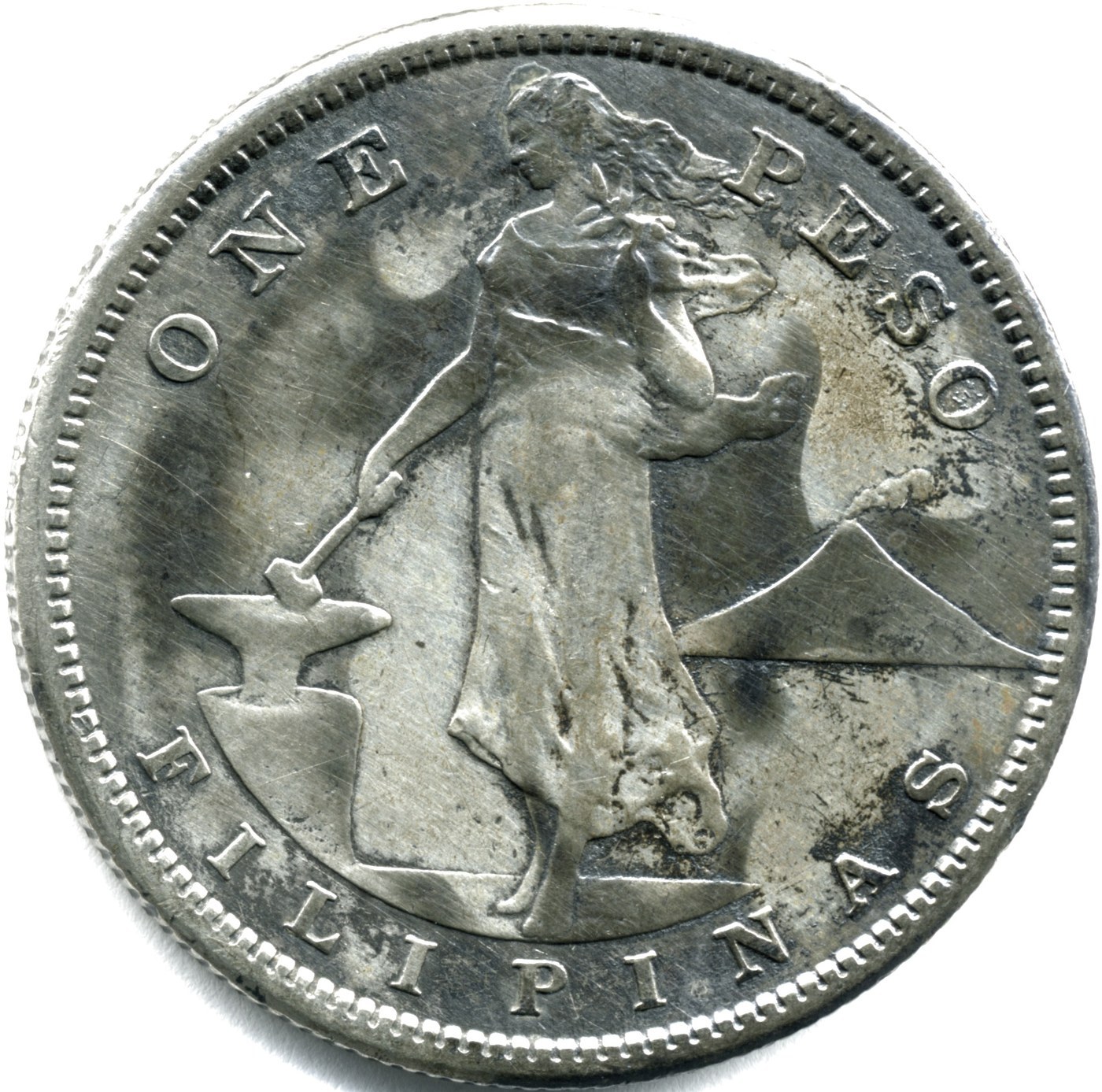
Philippines One Peso
A silver peso struck for the U.S.-administered Philippine Islands, with a standing Liberty and torch and an eagle-over-shield reverse naming the United States.
- Country
- Philippines
- Denomination
- 1 Peso
- Metal
- Silver
Got a coin like this?
Identify any coin from a photo, free.
Overview
The Philippines One Peso is a silver crown-sized coin struck for the Philippine Islands during the period of United States administration in the early 20th century. The 1907 example photographed here shows the classic design: a standing allegorical Liberty figure holding a torch and hammer beside an anvil on the obverse, with the inscriptions "ONE PESO" and "PHILIPPINE ISLANDS," and an eagle perched above a shield on the reverse, encircled by "UNITED STATES OF AMERICA."
The peso was the largest silver denomination of the series and the flagship of the U.S.-Philippine coinage. The design work is credited to the Filipino engraver Melecio Figueroa, making it a coin that blends American sovereignty with Filipino artistry.
Within the wider Southeast Asian series, this peso is a historically layered piece: struck under the flag of the United States yet made for and circulated in the Philippines, it carries the names of both on its two faces and remains one of the most recognizable coins of the colonial-era Pacific.
History & Background
Following the Spanish–American War, the United States took control of the Philippines in 1898, and a new coinage was authorized for the islands under the Philippine Coinage Act of 1903. The peso, together with its fractional silver and minor coins, replaced the older Spanish-colonial money and gave the archipelago a modern decimal currency tied to the U.S.-administered government.
The series began in 1903 with a large peso of higher silver fineness and greater weight. A revision in 1907 reduced the size, weight and fineness of the peso—a response to rising silver prices that had made the earlier coin worth more as metal than as money. The 1907-dated coin photographed here belongs to this later, smaller type, which continued through 1912.
Coins of the series were produced at United States mints, with strikings at Philadelphia (no mint mark), San Francisco (S) and, later, at a mint in Manila (M). The peso circulated as everyday high-value money in the islands until silver coinage of this pattern was wound down, leaving it as a lasting emblem of the U.S.-Philippine period.
How to Identify
Read the two faces first. The obverse shows a standing female Liberty in flowing drapery, holding a torch aloft in one hand and resting the other on a hammer beside an anvil, with a volcano and rising sun in the background; the legends "ONE PESO" and "PHILIPPINE ISLANDS" and the date surround her. The reverse shows an eagle with spread wings perched atop a heraldic shield of stars and stripes, ringed by "UNITED STATES OF AMERICA." This obverse-and-reverse pairing is the core diagnostic of the type.
Physically it is a silver crown. The 1903–1906 pesos are the larger, heavier, higher-fineness pieces; the 1907-onward pesos, like this one, are noticeably smaller and lighter with a lower silver content. Expect a round, white-metal coin with a reeded edge that can tone to grey or gold at the rims.
Check the date and mint mark to complete the attribution. A mint mark, when present, sits on the reverse near the eagle—"S" for San Francisco or "M" for Manila—while Philadelphia coins carry none. The combination of the standing-Liberty obverse, the eagle-and-shield reverse, the "PHILIPPINE ISLANDS" and "UNITED STATES OF AMERICA" legends, and a date in the 1903–1912 range confirms the coin.
Value & Collectibility
The Philippines One Peso is a genuine silver coin, so even worn examples carry a base value from their precious-metal content, and collector demand adds to that. The larger 1903–1906 pesos contain more silver than the reduced 1907–1912 coins, which affects their melt-based floor.
Value is driven by date, mint mark and condition. Common dates in circulated grades are affordable and trade near bullion-plus-a-premium levels, while scarcer date-and-mint combinations, low-mintage issues and high-grade uncirculated coins with original luster can command significant premiums. Certain keys in the series are notably sought after by specialists.
Because prices move with the silver market, grade and demand, the figures here are general context rather than fixed quotes. A clean, problem-free peso is both an attractive silver piece and a collectible artifact of the U.S.-Philippine era; heavily worn or damaged coins trade closer to their metal value.
Frequently asked questions
Why does a Philippine coin say "United States of America"?
The peso was struck while the Philippines was administered by the United States, following the Spanish–American War. The reverse names the United States as the sovereign power, while the obverse names the "Philippine Islands" for which the coin was made.
Is the 1907 peso the same as the 1903 peso?
They share the same designs but differ in size. The 1903–1906 pesos are larger, heavier and higher in silver fineness; the 1907-onward pesos, including this one, were reduced in size, weight and fineness after silver prices rose.
Who designed the coin?
The designs are credited to the Filipino engraver Melecio Figueroa. The standing Liberty and the eagle-over-shield motifs are his work, giving the series a distinctly Filipino artistic contribution.
Is this coin real silver?
Yes. The peso is a silver coin, though the fineness changed during the series—higher in the 1903–1906 issues and lower in the reduced 1907–1912 issues. Both carry meaningful precious-metal content.
Where was it minted?
Coins were struck at United States mints: Philadelphia (no mint mark), San Francisco (S) and later Manila (M). The mint mark, when present, appears on the reverse near the eagle.
Philippines One Peso guides
In-depth guides for identifying, valuing, and collecting Philippines One Peso.
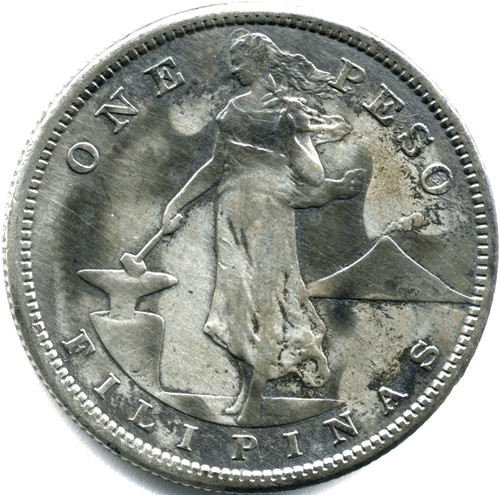
Philippines One Peso identified by the community
Real coins identified with Coin Identifier.
Other coins you may enjoy
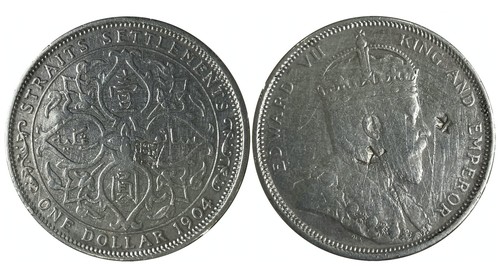
Straits Settlements Dollar
1904
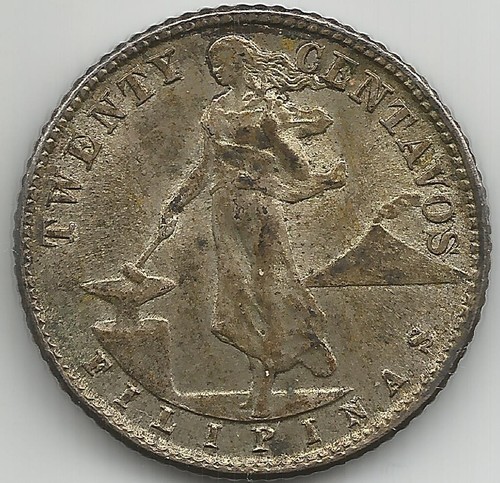
Philippines 20 Centavos
1937–1945 (this example dated 1944)
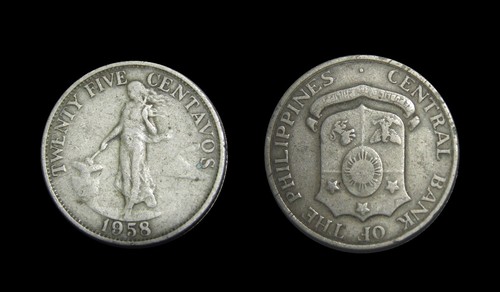
Philippines 25 Centavos
Dated 1958, part of the Republic of the Philippines "English Series" coinage struck from 1958 to 1966
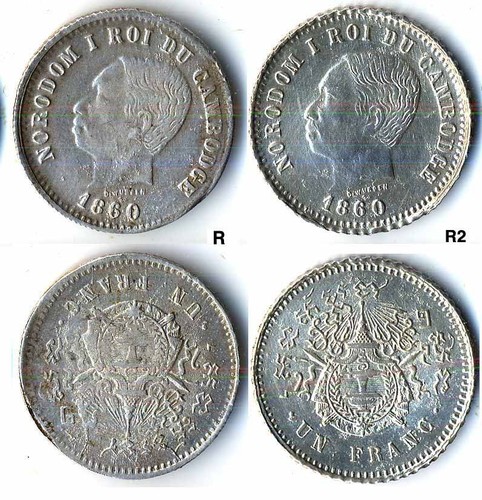
Cambodia One Franc
1950s–1960s
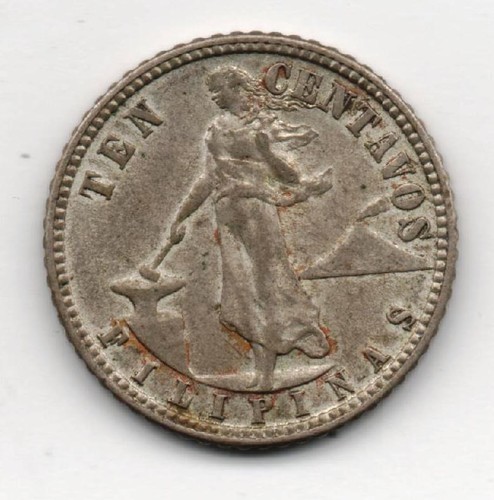
Philippines 10 Centavos
1907–1935 (this example dated 1911)
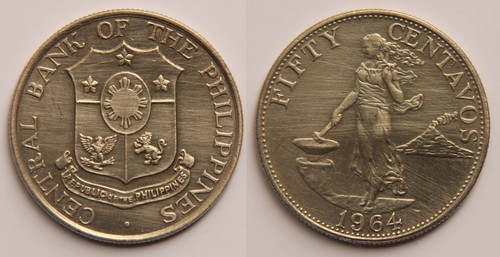
Philippines 50 Centavos
1958–1966 (English series); example dated 1964
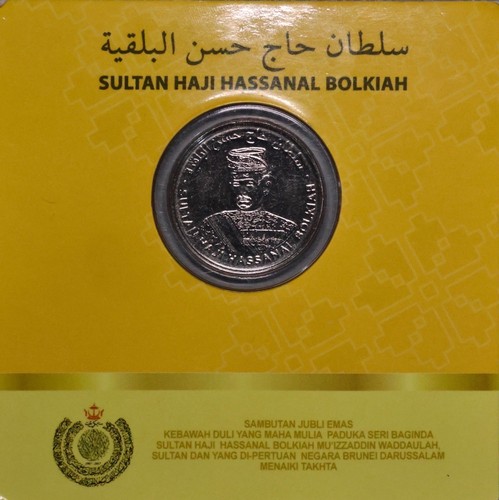
Brunei Golden Jubilee 50 Cents
Golden Jubilee issue, 2017
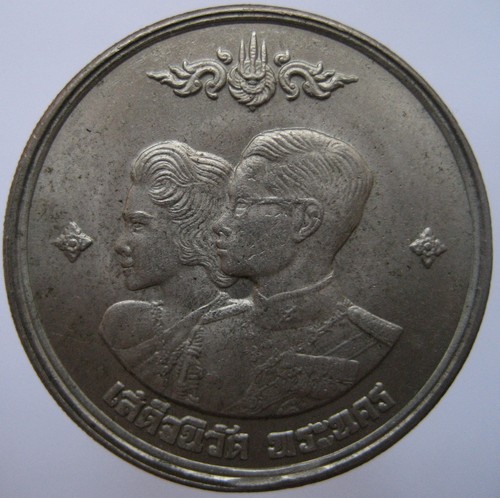
Thailand One Baht Commemorative
1961
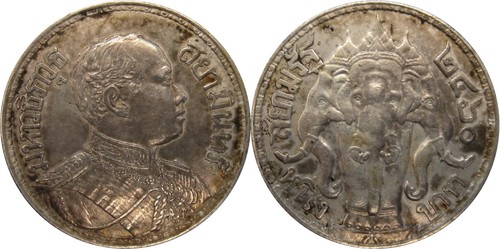
Thailand One Baht
1917
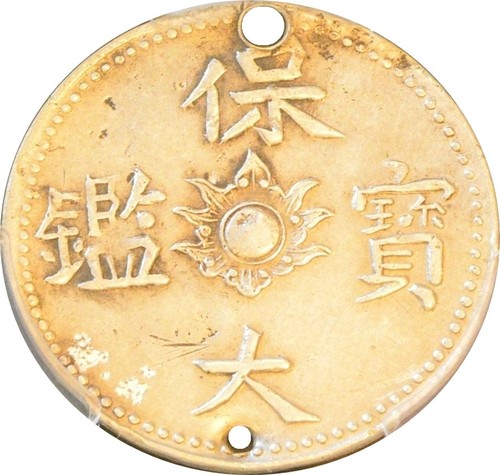
Vietnam 2 Tien - Bao Dai
1926-1945
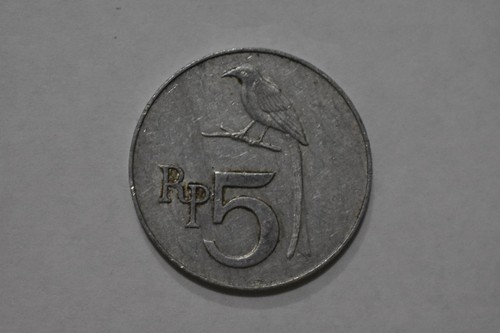
Indonesia 5 Rupiah
2003
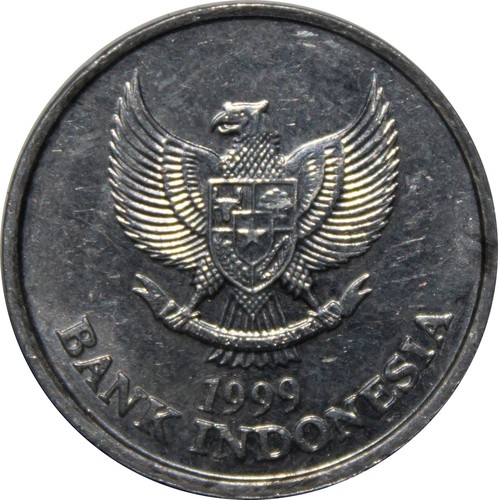
Indonesia 100 Rupiah
Modern (late 20th–21st century)