
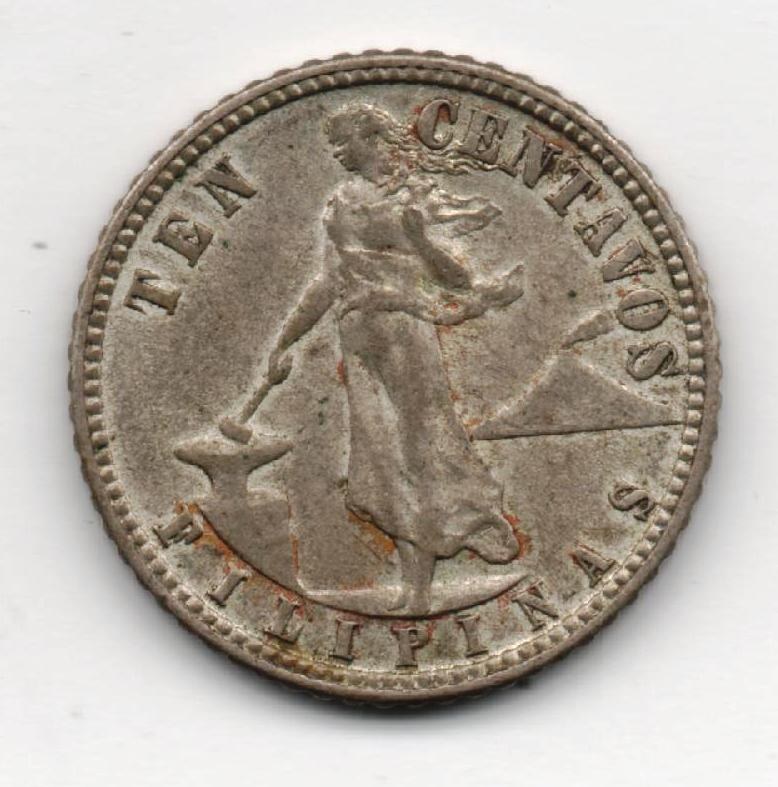
Philippines 10 Centavos
A small silver 10 centavos of the American-era Philippines: a standing Liberty figure and Mayon volcano on one side, the U.S. eagle and shield on the other.
- Country
- Philippines
- Denomination
- 10 Centavos
- Metal
- Silver
Got a coin like this?
Identify any coin from a photo, free.
Overview
The Philippines 10 Centavos shown here is a small silver coin from the period when the Philippine Islands were administered by the United States. The obverse carries an allegorical standing female figure — often described as Liberty or the Filipina — with a hammer resting on an anvil and the volcano Mayon in the background, surrounded by the inscription "TEN CENTAVOS FILIPINAS" and the date 1911. The reverse displays the American eagle perched above a shield, ringed by "UNITED STATES OF AMERICA."
This piece belongs to the reduced-size silver series struck from 1907 onward, which replaced a slightly larger and higher-fineness design used in 1903–1906. It is a genuinely bimetallic-looking dual identity: a coin denominated in the Spanish-derived centavo and legended in part in Spanish ("FILIPINAS"), yet bearing the sovereign emblem of the United States.
The 10 centavos was an everyday circulating denomination, worth one-tenth of a peso, and it saw heavy use across the islands during the American colonial period.
History & Background
After the Spanish–American War, the United States took control of the Philippines and, in 1903, introduced a new national coinage for the islands to replace the older Spanish colonial and provisional money. The designs were the work of Filipino artist Melecia Figueroa. The silver denominations — the 10, 20 and 50 centavos and the peso — shared the standing female allegory, while the minor bronze and copper-nickel coins used a seated male figure; both designs feature Mount Mayon in the distance.
The original 1903–1906 silver coins were relatively large and of higher fineness. Rising silver prices made those coins worth more as metal than as money, so in 1907 the silver pieces were reduced in size, weight and fineness to keep them in circulation. The 1911 coin in these photographs is part of that later, smaller series, which continued through 1935.
Coins of this type were struck at United States mints — principally San Francisco, marked S — and, from the 1920s, at a mint established in Manila that used the mark M. The series ended in 1935 when the Commonwealth of the Philippines was established and new coin designs followed.
How to Identify
The obverse is the quickest identifier: a standing female figure holding a hammer that rests on an anvil, with the cone of Mayon volcano rising behind her, framed by "TEN CENTAVOS FILIPINAS" and the year. The word FILIPINAS (Spanish for "Philippines") and the centavo denomination distinguish it at a glance. The reverse shows the U.S. eagle with wings spread above a shield of stars and stripes, encircled by "UNITED STATES OF AMERICA," with the date and any mint mark at the base.
Physically this is a small, thin silver coin. The reduced series 10 centavos is about 16.5 mm across and roughly 2 grams, struck in .750 fine silver — noticeably smaller than a U.S. dime. A mint mark, when present, sits to the left of the date on the reverse: S for San Francisco or M for Manila; early Philadelphia strikings carry no mark.
Use the standing (rather than seated) figure to confirm the denomination family: the silver 10, 20 and 50 centavos all show the standing woman, while the bronze half/one centavo and copper-nickel five centavos show a seated man. The value legend "TEN CENTAVOS" then fixes this specific coin within that silver group.
Value & Collectibility
Value for an American-era Philippines 10 centavos depends heavily on the date, mint mark and condition. Most circulated examples from common years carry a modest premium tied largely to their small silver content, while scarce dates and high-grade, lustrous survivors are worth considerably more to collectors of the series.
The 1911 issue seen here is a San Francisco striking of moderate mintage; well-worn examples are affordable, whereas sharp, problem-free coins with original surfaces are more sought after. As with the whole series, key and semi-key dates — and any early-series or Manila-mint rarities — stand well above common material.
Because prices swing with grade, eye appeal and collector demand, treat any figure as general context rather than a fixed quote. Accurate attribution of the date and mint mark, plus an honest assessment of wear, cleaning and damage, is the single biggest driver of where a given coin sits in the market.
Frequently asked questions
Why does a Philippine coin say "UNITED STATES OF AMERICA"?
The Philippines was administered by the United States after 1898. From 1903 the islands had their own coinage denominated in centavos and pesos, but it carried the U.S. eagle and the legend UNITED STATES OF AMERICA to reflect American sovereignty.
Is this coin actually silver?
Yes. The reduced-size 10 centavos of 1907–1935, including this 1911 piece, was struck in .750 fine silver. It is small and light, so the silver content is modest, but it is a genuine silver coin.
What does "FILIPINAS" mean on the coin?
"Filipinas" is Spanish for "Philippines," a legacy of the long Spanish colonial period. It identifies the coin as Philippine money even though the reverse bears United States wording.
Who is the woman on the front?
She is an allegorical figure, usually described as Liberty or the Filipina, holding a hammer on an anvil with Mount Mayon behind her — a design by Filipino artist Melecia Figueroa used on the silver denominations.
Where is the mint mark?
On the reverse, to the left of the date. S indicates San Francisco and M indicates Manila; some early dates struck at Philadelphia have no mint mark at all.
Philippines 10 Centavos guides
In-depth guides for identifying, valuing, and collecting Philippines 10 Centavos.
Other coins you may enjoy
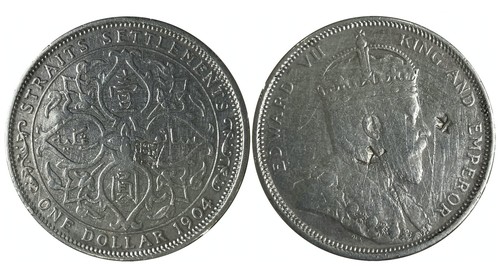
Straits Settlements Dollar
1904
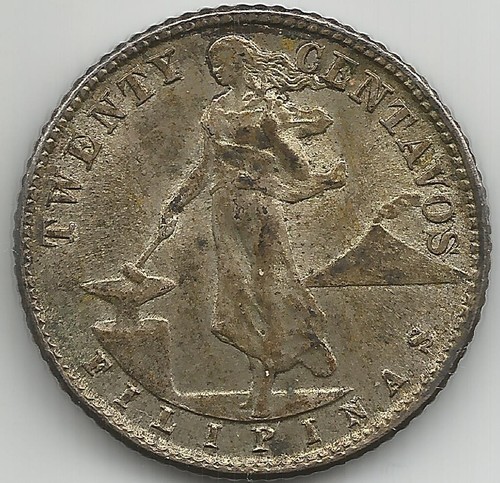
Philippines 20 Centavos
1937–1945 (this example dated 1944)
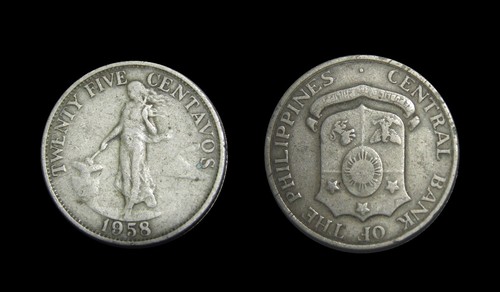
Philippines 25 Centavos
Dated 1958, part of the Republic of the Philippines "English Series" coinage struck from 1958 to 1966
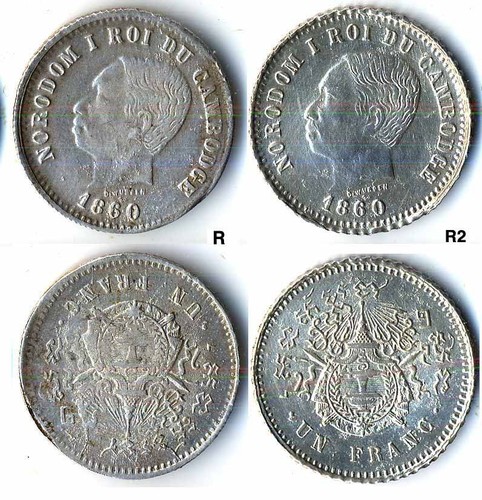
Cambodia One Franc
1950s–1960s
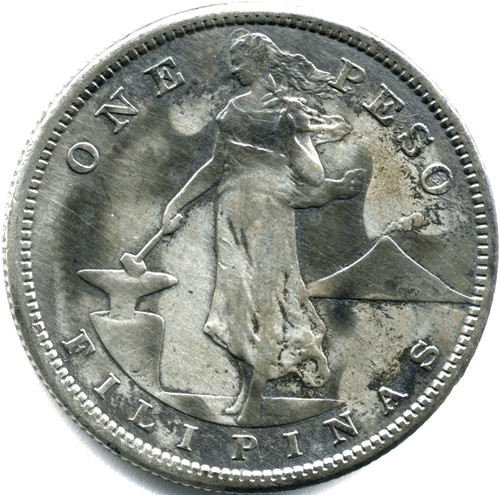
Philippines One Peso
1903–1912
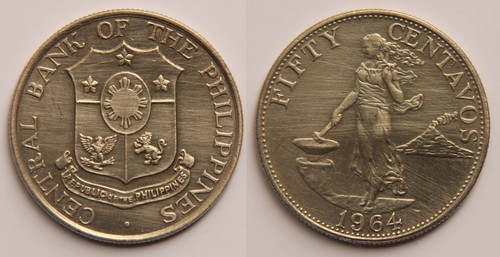
Philippines 50 Centavos
1958–1966 (English series); example dated 1964
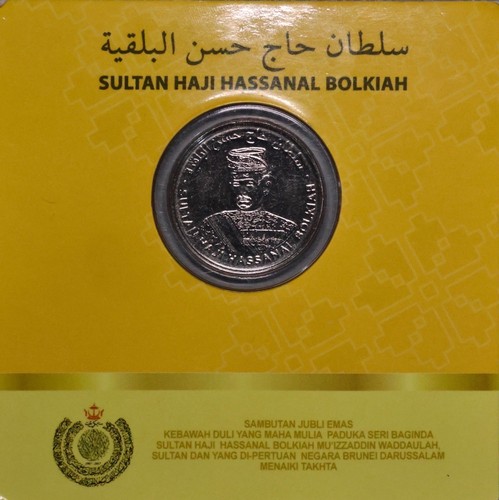
Brunei Golden Jubilee 50 Cents
Golden Jubilee issue, 2017
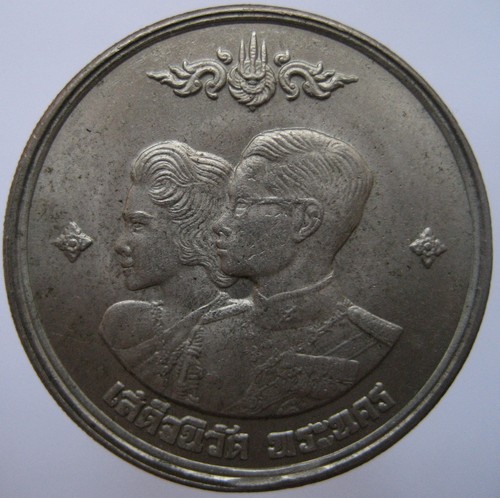
Thailand One Baht Commemorative
1961
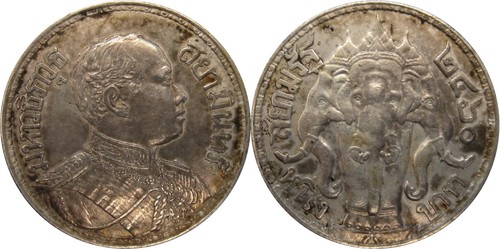
Thailand One Baht
1917
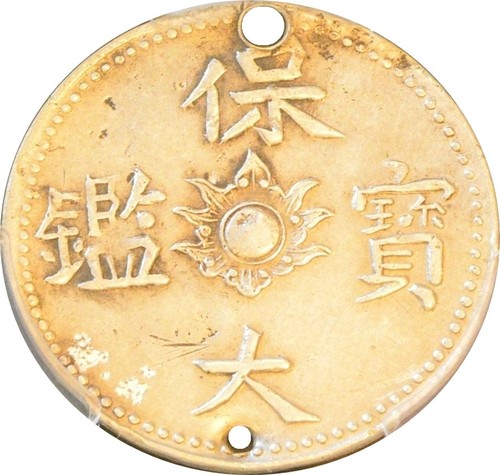
Vietnam 2 Tien - Bao Dai
1926-1945
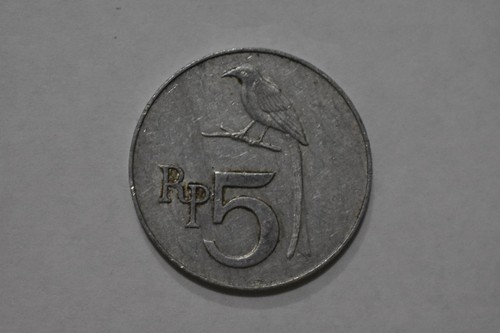
Indonesia 5 Rupiah
2003
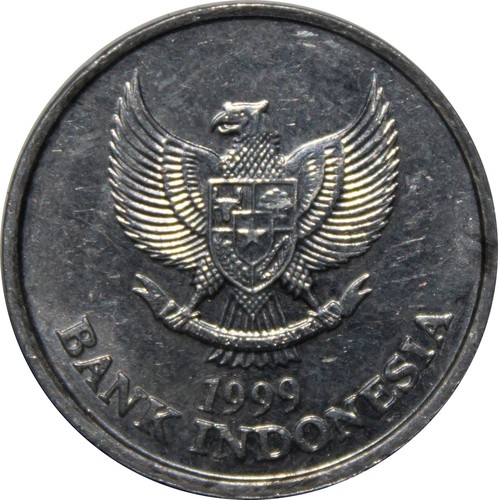
Indonesia 100 Rupiah
Modern (late 20th–21st century)