
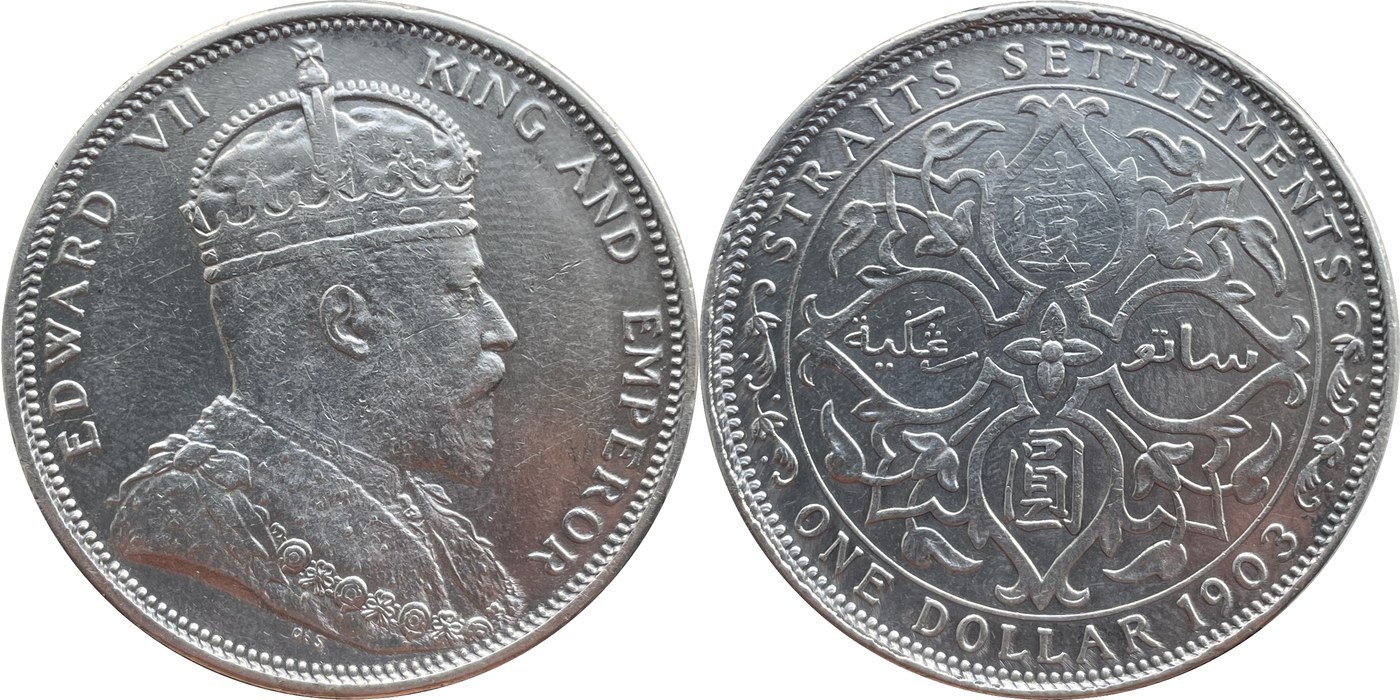
Straits Settlements Dollar
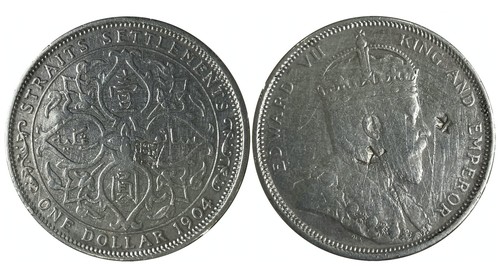
A 1904 silver dollar of the British Straits Settlements, one face showing an emblem and ONE DOLLAR, the other a right-facing portrait of King Edward VII.
- Country
- Straits Settlements
- Denomination
- 1 Dollar
- Metal
- Silver
Got a coin like this?
Identify any coin from a photo, free.
Overview
The Straits Settlements Dollar is the large silver dollar issued for Britain's Straits Settlements, the crown colony that gathered Singapore, Penang and Malacca. The example shown here is dated 1904 and belongs to the reign of King Edward VII: one face carries a heraldic-style emblem and the denomination legend ONE DOLLAR, while the other bears a profile portrait of the king facing right.
This is a one-dollar denomination struck in silver, the flagship coin of the colony's currency and a piece roughly the size and heft of a contemporary silver crown or trade dollar. It was designed to serve the busy entrepôt trade of the Straits, where silver dollars of many origins circulated side by side.
Because it is a substantial, cleanly designed silver coin tied to a well-defined British colonial series, the Straits Settlements dollar is a recognizable and collectible type among enthusiasts of world and colonial coinage.
History & Background
The Straits Settlements were governed as a British crown colony centered on the ports of Singapore, Penang and Malacca, a hub through which enormous volumes of regional trade passed. To give the colony its own standard silver dollar rather than relying on the assorted foreign trade dollars circulating locally, Britain introduced a dedicated Straits dollar in the early twentieth century, of which this 1904 Edward VII issue is an early date.
The first dollars of this series were large, high-fineness silver pieces on the scale of the international trade dollars they were meant to stand beside, such as the Mexican peso and the British trade dollar. As the world silver price moved, the colonial authorities later revised the coin's size and fineness, so the earlier big dollars like this one differ in weight and diameter from the reduced dollars struck in following years.
By the time of this 1904 issue the Straits dollar was establishing itself as the colony's principal silver unit. The denomination continued under later British monarchs before the wider currency arrangements of British Malaya and its successor states eventually replaced the colonial dollar.
How to Identify
Read both faces together. One side carries a portrait of King Edward VII in profile facing right, in the style of British imperial coinage of his reign. The other side shows an ornamental, heraldic-style emblem together with the denomination spelled out as ONE DOLLAR and the date, here 1904; the value also appears in the scripts used across the colony alongside the English legend.
The coin is a large silver piece on the trade-dollar scale, a round crown-size type of roughly 38 mm in diameter and a substantial weight in the region of about 27 grams for the early dollars of this series, struck in silver of high fineness. A reeded edge and a pale, often gray-toned silver surface are consistent with a coin of this format.
The pairing of a right-facing Edward VII portrait with the ONE DOLLAR emblem-and-legend side is what fixes the type and separates it from the many other Asian silver dollars of the period. Small mint marks found on some issues of the series denote the striking facility and are of interest to specialists pinning down the exact variety.
Value & Collectibility
The Straits Settlements dollar carries value on two counts: its silver content and its collector appeal as a well-known British colonial trade coin. Because the early dollars are large, high-fineness silver pieces, even a worn common example holds a floor of bullion value that tracks the silver market, while collectible pieces trade above that.
Condition and date drive the premium. Coins with a sharp Edward VII portrait, crisp emblem and legends, original untampered surfaces and attractive toning command more than heavily circulated, cleaned or damaged pieces. Scarcer dates and mint varieties within the series are more sought after than common years, so the exact date and any mint mark matter to buyers.
Treat any figures as general context rather than fixed quotes, since prices move with the silver price and with demand among world-coin collectors. A problem-free 1904 dollar is a solidly collectible silver crown; worn or impaired pieces trade closer to their metal value.
Frequently asked questions
What were the Straits Settlements?
A British crown colony in Southeast Asia centered on the ports of Singapore, Penang and Malacca. The dollar was issued as the colony's own standard silver coin for its heavy entrepôt trade.
Who is on the coin?
The portrait is King Edward VII, shown in profile facing right, reflecting that this 1904 dollar was struck during his reign. The other face carries an emblem and the ONE DOLLAR denomination.
Is this dollar made of real silver?
Yes. The early Straits dollar is a large silver trade coin struck in high-fineness silver, giving it both bullion and collector value. Its size and weight are comparable to a silver crown.
What is a Straits Settlements dollar worth?
Value depends on date, condition and the silver price. Every genuine example carries a floor of silver bullion value, with collectible and scarcer-date coins trading at a premium above that.
Where was it used?
It circulated as the principal silver dollar of the Straits Settlements and the surrounding trade, standing alongside other Asian silver dollars in the ports of Singapore, Penang and Malacca.
Straits Settlements Dollar guides
In-depth guides for identifying, valuing, and collecting Straits Settlements Dollar.
Other coins you may enjoy
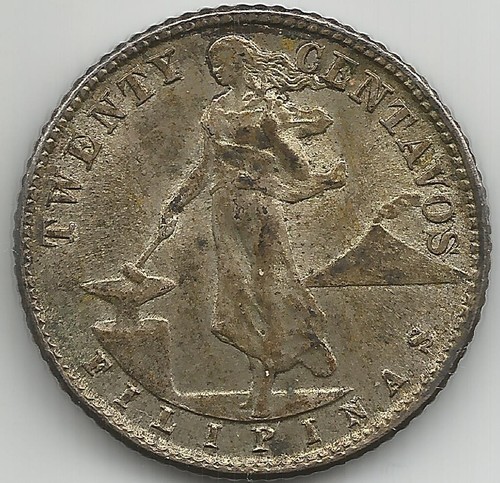
Philippines 20 Centavos
1937–1945 (this example dated 1944)
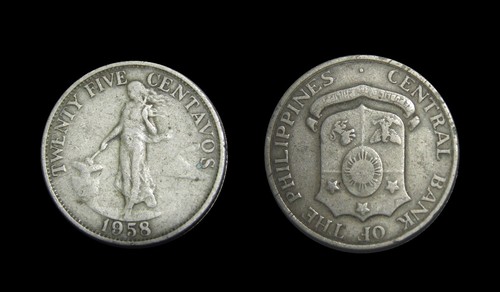
Philippines 25 Centavos
Dated 1958, part of the Republic of the Philippines "English Series" coinage struck from 1958 to 1966
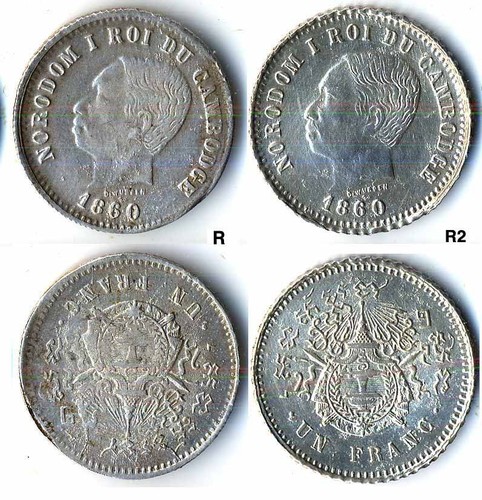
Cambodia One Franc
1950s–1960s
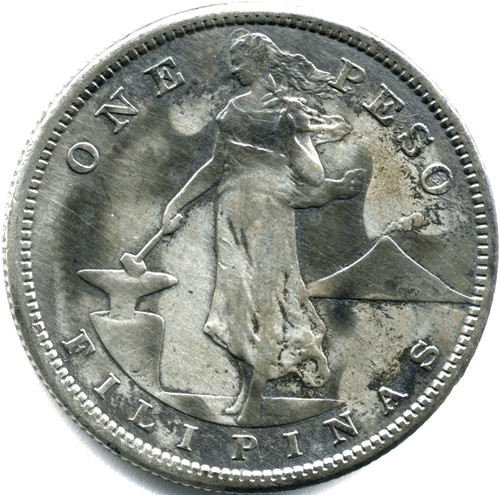
Philippines One Peso
1903–1912
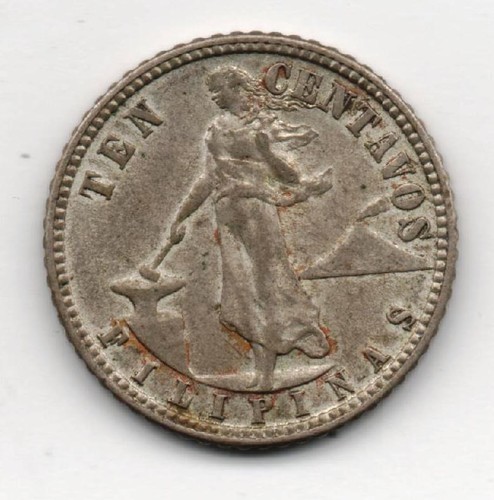
Philippines 10 Centavos
1907–1935 (this example dated 1911)
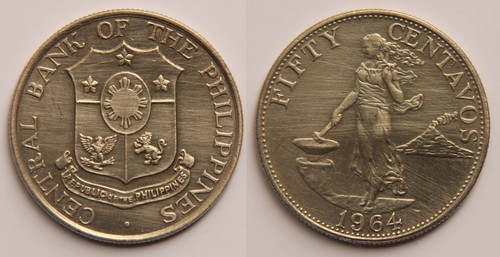
Philippines 50 Centavos
1958–1966 (English series); example dated 1964
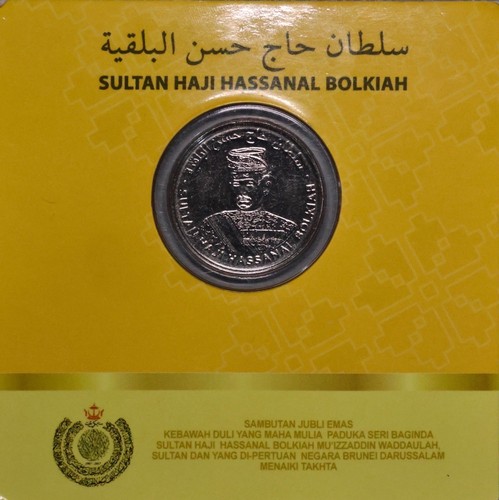
Brunei Golden Jubilee 50 Cents
Golden Jubilee issue, 2017
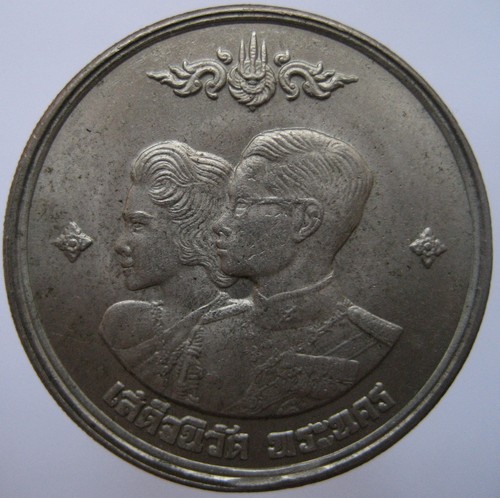
Thailand One Baht Commemorative
1961
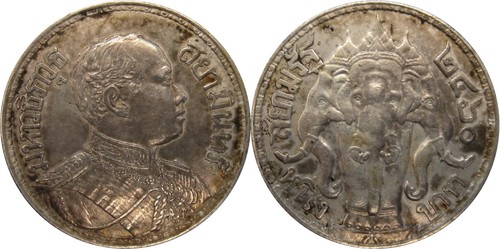
Thailand One Baht
1917
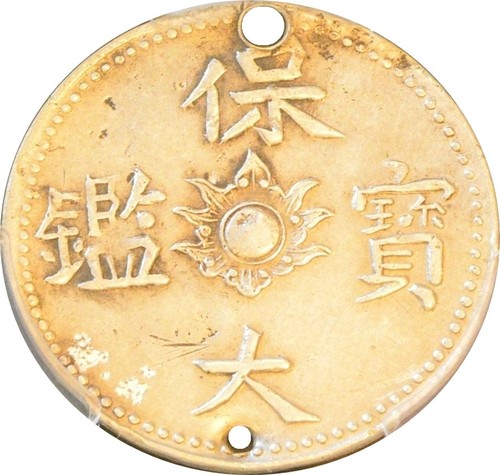
Vietnam 2 Tien - Bao Dai
1926-1945
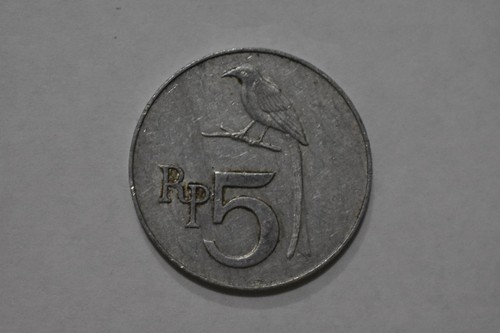
Indonesia 5 Rupiah
2003
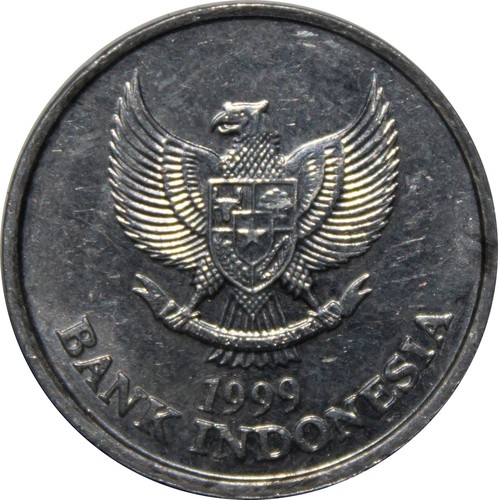
Indonesia 100 Rupiah
Modern (late 20th–21st century)