
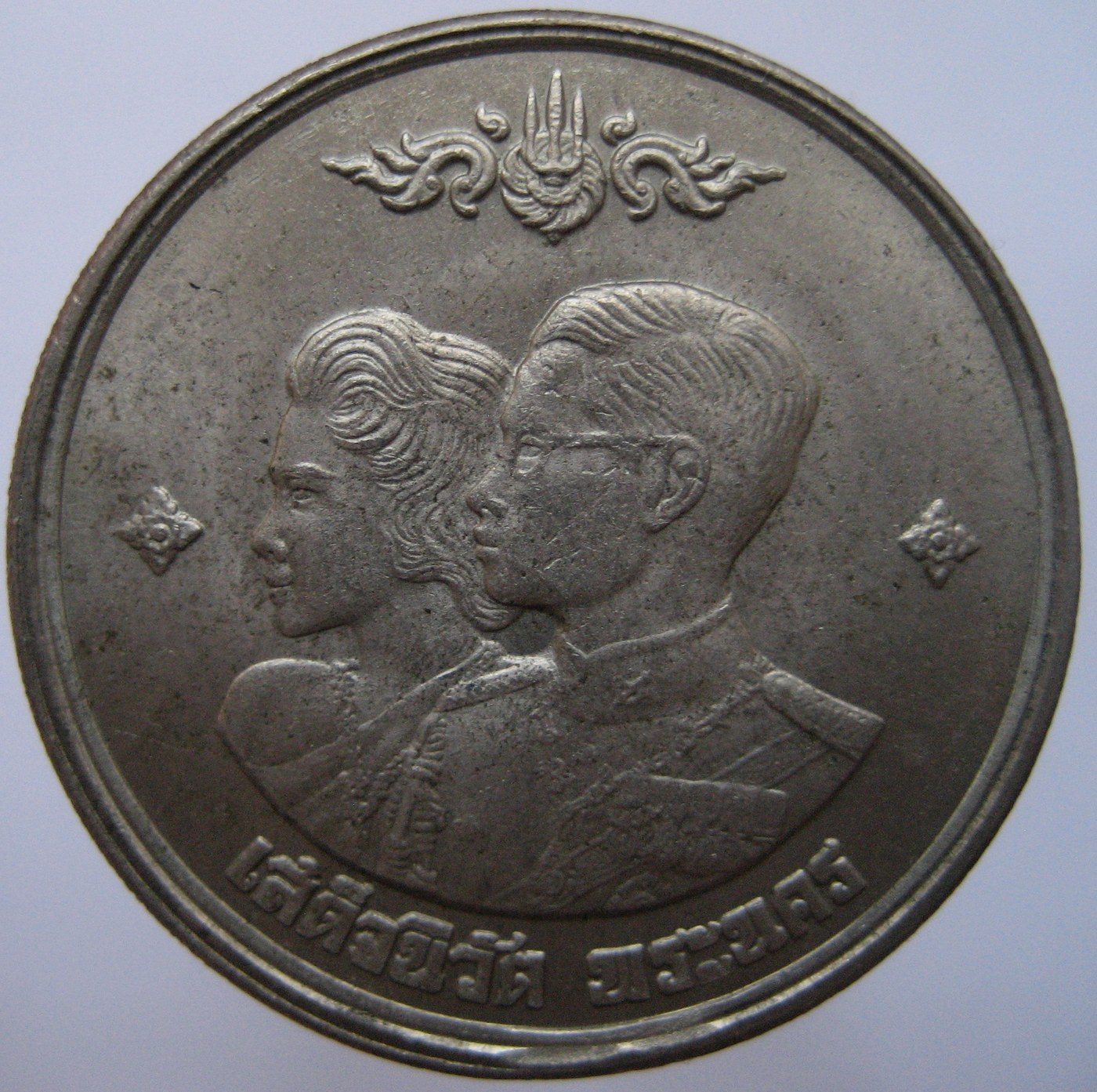
Thailand One Baht Commemorative
A 1961 Thai one-baht commemorative bearing the conjoined profiles of King Rama IX and Queen Sirikit, paired with the Thai royal arms on the reverse.
- Country
- Thailand
- Denomination
- 1 Baht
- Metal
- Silver
Got a coin like this?
Identify any coin from a photo, free.
Overview
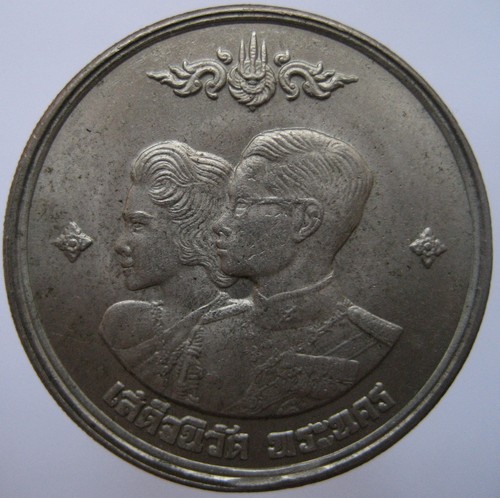
The Thailand One Baht Commemorative shown here is a mid-twentieth-century silver-colored coin of the Kingdom of Thailand dated 1961. Its obverse carries the conjoined left-facing profiles of King Bhumibol Adulyadej (Rama IX) and Queen Sirikit, set beneath a Thai ornamental motif at the top of the field. The pairing of the reigning king and queen is the immediate hallmark of this issue.
The reverse displays the Thai royal coat of arms, an emblem built around crenellated tower-like elements, framed and accompanied by Thai script inscriptions. The design language is formal and heraldic, in keeping with a coin struck to mark a royal occasion rather than for ordinary daily commerce.
As a one-baht denomination in the traditional Thai monetary system, it sits at the heart of the country's coinage while its conjoined-portrait design sets it apart from the plain circulating baht of the era. The example photographed shows the classic obverse-and-reverse pairing that collectors use to attribute the type.
History & Background
King Bhumibol Adulyadej reigned as Rama IX from 1946 until 2016 and, with Queen Sirikit at his side, became the enduring public face of the modern Thai monarchy. The early 1960s were a period of high royal visibility, including celebrated state visits abroad, and commemorative coinage bearing the royal couple's joined portraits belongs to this moment in the reign.
The coin is dated 1961 in the Western reckoning, corresponding to the Buddhist Era year BE 2504 used on Thai issues of the period. Commemorative baht of this kind were produced to honor the monarchy and mark occasions of national significance, placing the images of the king and queen together on a piece intended to be kept and remembered as much as spent.
The conjoined-portrait baht stands among the more recognizable royal commemoratives of Rama IX's long reign, and it prefigures the many later anniversary and event coins that Thailand would issue over the following decades. Its heraldic reverse ties the piece firmly to the institutions of the Thai crown.
How to Identify
The decisive feature is the obverse: two conjoined left-facing profiles, the king in front and the queen behind, with a Thai decorative motif arching over the top of the field. No other common Thai baht of the era pairs two royal busts in this way, so the double portrait alone strongly points to this commemorative type.
Turn the coin to read the reverse, which carries the Thai royal coat of arms centered on crenellated, tower-like heraldic elements and surrounded by Thai-script legends. The date reads 1961 (BE 2504 in the Buddhist calendar). The lettering is entirely in Thai, so non-Thai readers should match the script and the emblem shape rather than trying to transliterate.
Physically it is a round, silver-colored one-baht coin of the traditional Thai standard, modest in diameter and struck in relief with a formal, medallic finish. Confirm the denomination and date on the reverse together with the conjoined-portrait obverse; the combination of the two royal profiles and the tower-bearing royal arms is what fixes the attribution.
Value & Collectibility
As a commemorative baht from the reign of Rama IX, this coin is collected primarily for its royal subject and its status as a well-known early commemorative rather than for great rarity. Many examples survive, so common circulated or handled pieces tend to be affordable and trade for modest sums.
Condition drives the premium. Coins retaining sharp portrait detail, clean fields and original surfaces are worth more than worn or cleaned examples, and pieces preserved in high grade or with attractive toning appeal most to collectors of Thai royal coinage. Silver content adds a small floor of intrinsic value where the alloy is genuinely silver, though the design and preservation usually matter more than melt.
Prices vary with grade, eye appeal and demand among Thai and Southeast-Asian specialists, so any figure should be read as general context rather than a fixed quote. Treat exceptional-condition or well-toned examples as the ones that command real premiums, and ordinary circulated pieces as inexpensive, accessible collectibles.
Frequently asked questions
Who are the two people on the coin?
They are King Bhumibol Adulyadej (Rama IX) and Queen Sirikit of Thailand, shown as conjoined left-facing profiles. Pairing the reigning king and queen this way is the defining feature of the commemorative baht.
Why does the coin say 1961 but references mention BE 2504?
Thailand uses the Buddhist Era calendar, which runs 543 years ahead of the Western calendar. The Western year 1961 corresponds to BE 2504; both refer to the same date on this coin.
What is on the reverse?
The reverse shows the Thai royal coat of arms, an emblem built around crenellated tower-like elements, surrounded by inscriptions in Thai script and the date.
Is it made of silver?
This commemorative baht is a silver-colored issue and is generally collected as a silver type. If precious-metal content matters to you, confirm the specific alloy and weight against a reliable Thai coin reference before buying or selling.
Is the commemorative baht valuable?
Most examples are affordable because the type is well known and widely collected rather than scarce. High-grade, well-preserved or attractively toned coins command the strongest premiums.
Thailand One Baht Commemorative guides
In-depth guides for identifying, valuing, and collecting Thailand One Baht Commemorative.
Other coins you may enjoy
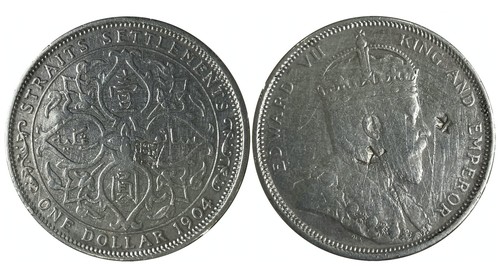
Straits Settlements Dollar
1904
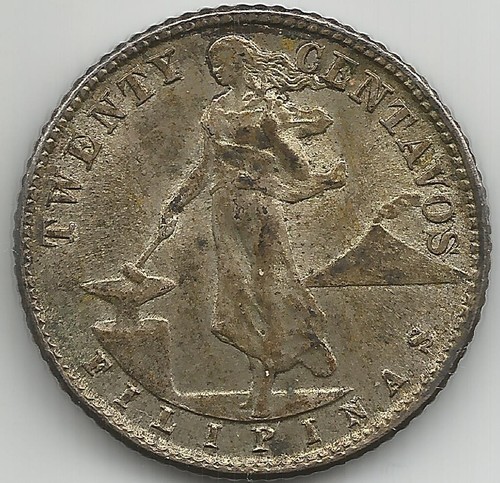
Philippines 20 Centavos
1937–1945 (this example dated 1944)
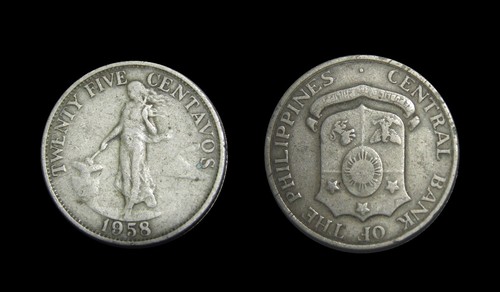
Philippines 25 Centavos
Dated 1958, part of the Republic of the Philippines "English Series" coinage struck from 1958 to 1966
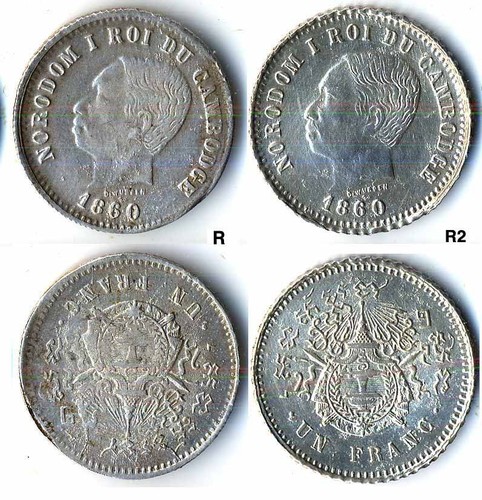
Cambodia One Franc
1950s–1960s
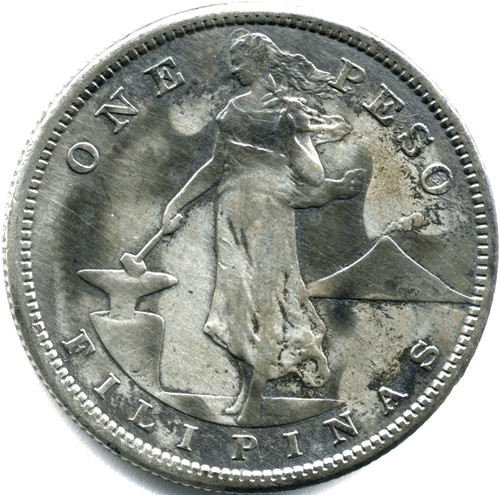
Philippines One Peso
1903–1912
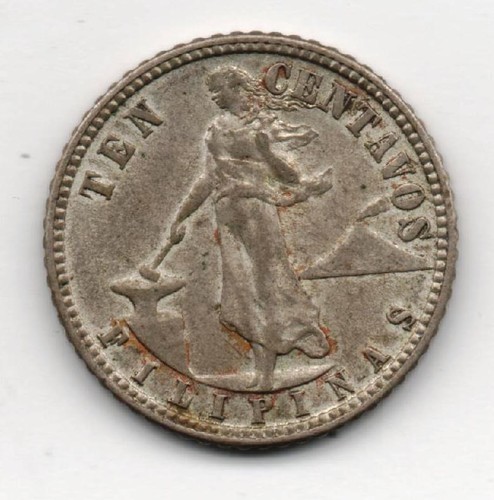
Philippines 10 Centavos
1907–1935 (this example dated 1911)
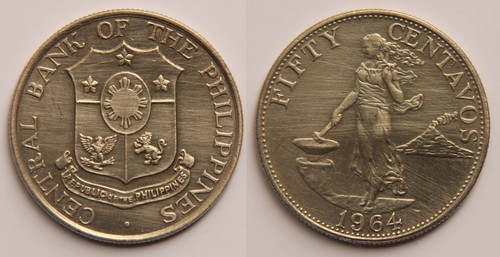
Philippines 50 Centavos
1958–1966 (English series); example dated 1964
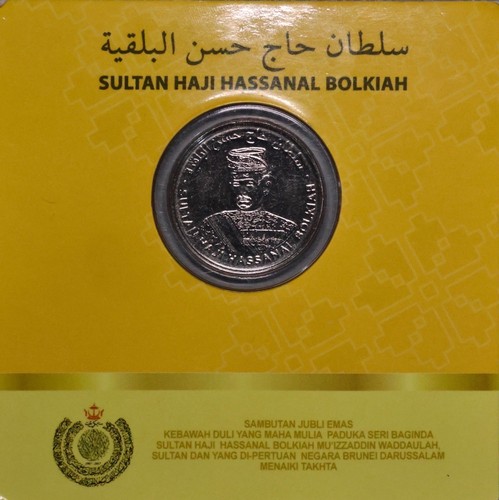
Brunei Golden Jubilee 50 Cents
Golden Jubilee issue, 2017
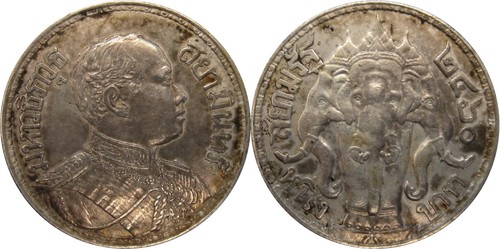
Thailand One Baht
1917
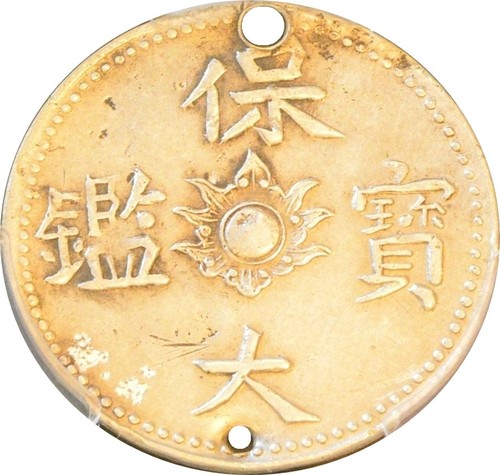
Vietnam 2 Tien - Bao Dai
1926-1945
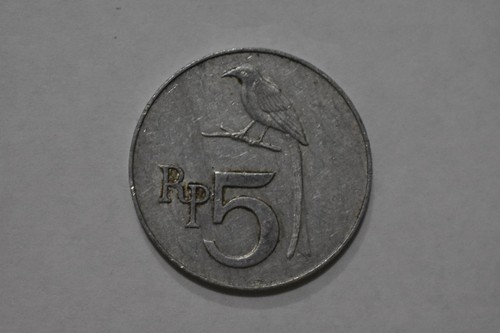
Indonesia 5 Rupiah
2003
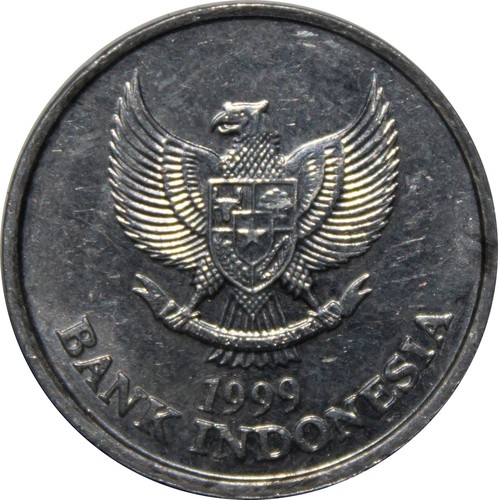
Indonesia 100 Rupiah
Modern (late 20th–21st century)