
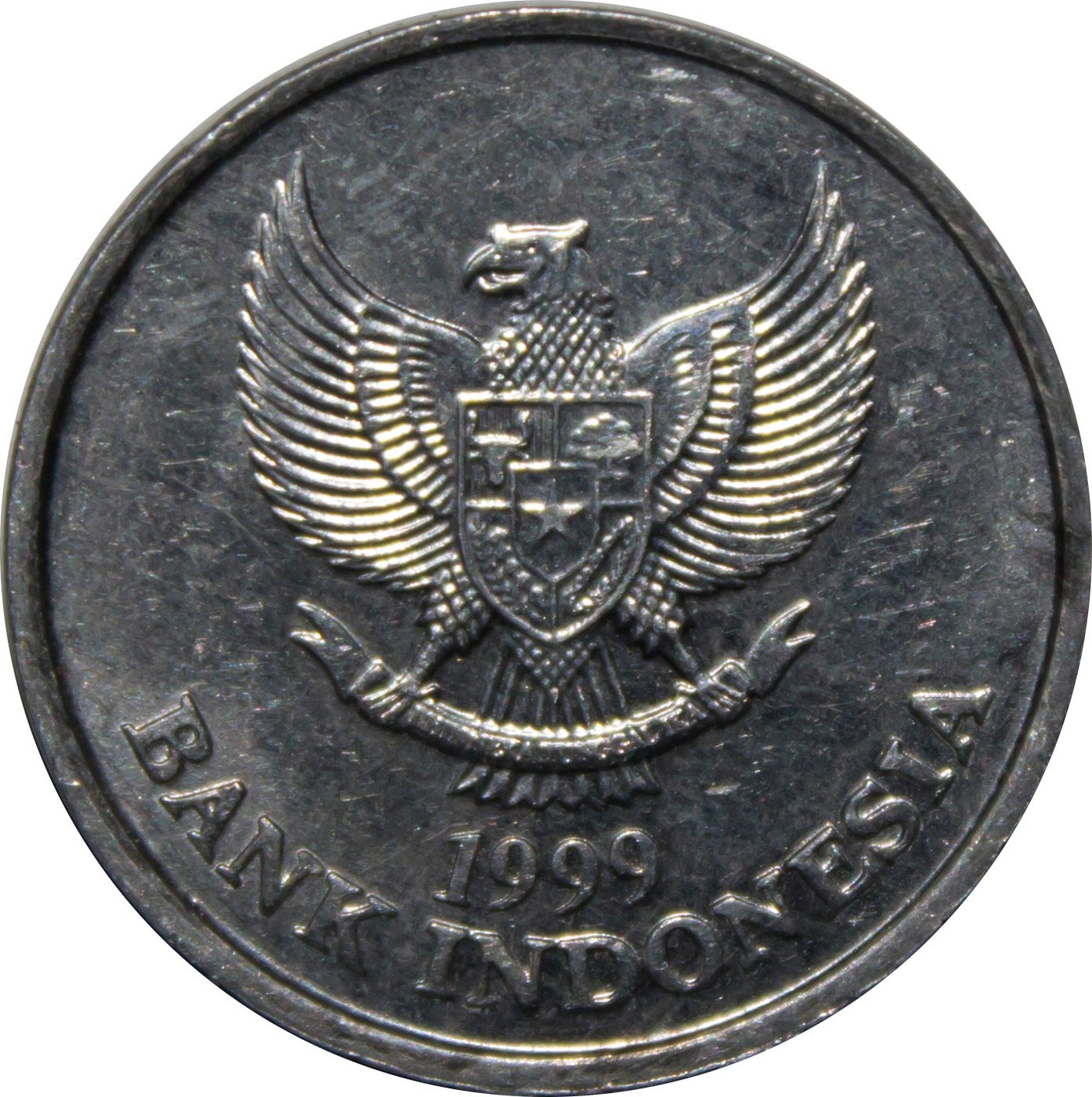
Indonesia 100 Rupiah
A modern lightweight aluminium 100 Rupiah of Indonesia, carrying the Garuda Pancasila national emblem, the BANK INDONESIA legend and the 100 denomination.
- Country
- Indonesia
- Denomination
- 100 Rupiah
- Metal
- Aluminum
Got a coin like this?
Identify any coin from a photo, free.
Overview
The Indonesia 100 Rupiah shown here is a modern circulating coin of the Republic of Indonesia, struck in aluminium and issued under the authority of the central bank, Bank Indonesia. One face carries the Garuda Pancasila — the national emblem of Indonesia — together with the legend BANK INDONESIA and the large numeral value marking it as a 100 Rupiah piece.
As an aluminium coin it is notably light and thin, silver-grey in colour rather than gold-toned, and small in the hand. It represents one of the lowest-value coins in everyday Indonesian change, sitting near the bottom of the rupiah coin series and used mainly for making up small amounts and returning change.
Because it is a recent, mass-produced circulation issue, this 100 Rupiah is common and inexpensive. It is of interest chiefly as a representative example of contemporary Indonesian coinage and of the Garuda national emblem that appears across the country's money.
History & Background
Indonesia adopted the rupiah as its national currency after independence, and over the following decades Bank Indonesia issued the denomination in a succession of coin types as metal prices and circulation needs changed. The 100 Rupiah began as a heavier coin in base metal and was later re-struck in lightweight aluminium, the version represented by the coin shown here.
The move to aluminium reflected a common trend in modern coinage: as inflation eroded the buying power of small denominations, mints turned to cheap, light metal to keep low-value coins economical to produce. The Garuda Pancasila national emblem and the BANK INDONESIA legend remained the constant identifying elements across the series.
Because it is a recent issue, the 100 Rupiah aluminium coin is still encountered in circulation and in tourist change from Indonesia. Exact dates are read from the coin itself, and the type has been produced in large numbers over multiple years.
How to Identify
Read the two faces together. The obverse of the coin shown carries the Garuda Pancasila — the Indonesian national emblem, a stylised eagle — above the legend BANK INDONESIA, which names the issuing central bank. The value side displays a large numeral 100 with the word RUPIAH and the date, confirming the denomination.
The metal is the quickest physical clue: this is an aluminium coin, so it is very light, thin and silver-grey, and it is non-magnetic. Expect a small coin roughly in the low-20-millimetre range and a weight of only a gram or two — markedly lighter than the older brass or cupro-nickel 100 Rupiah pieces, which feel heavier and are gold- or grey-metal in a denser alloy.
The pairing of the Garuda national emblem and BANK INDONESIA on one side with a bold 100 RUPIAH value on the other identifies the type. Use the date on the coin to pin down the exact year of issue, since the 100 Rupiah has appeared in more than one design and metal over the years.
Value & Collectibility
As a modern base-metal circulation coin, the aluminium 100 Rupiah carries little monetary or bullion value — aluminium is inexpensive, and 100 Rupiah is a very small sum. Ordinary circulated examples are effectively face-value or pocket-change items and are not scarce.
Any premium comes from condition and completeness rather than metal. Uncirculated, spot-free coins with full detail, or coins still in original bank or mint sets, are worth more to a collector than worn pieces, but even these are modest. Particular dates or minor die varieties can attract specialist interest.
Treat any figures as general context rather than firm quotes. For most finders the coin's worth is as an inexpensive, easily obtained example of contemporary Indonesian coinage rather than as a valuable rarity.
Frequently asked questions
Is the Indonesia 100 Rupiah made of silver?
No. This modern 100 Rupiah is struck in aluminium, which is why it is so light and silver-grey. It contains no precious metal and has essentially no bullion value.
What is the eagle on the coin?
It is the Garuda Pancasila, the national emblem of Indonesia — a mythological eagle that appears on the country's coinage, banknotes and official seals. It sits above the BANK INDONESIA legend.
What does BANK INDONESIA mean on the coin?
Bank Indonesia is the central bank and the coin's issuing authority. Its name on the coin serves the same purpose as an issuer or mint statement rather than being a mint mark.
How much is a 100 Rupiah coin worth?
Very little. It is a low-value modern circulation coin in cheap aluminium, so worn examples are essentially face value. Only pristine uncirculated pieces or set coins carry a small collector premium.
How do I find the year?
The date is struck on the coin, usually on the value side near the 100 RUPIAH inscription. Reading it tells you the exact year, since the 100 Rupiah has been issued in more than one design and metal.
Indonesia 100 Rupiah guides
In-depth guides for identifying, valuing, and collecting Indonesia 100 Rupiah.
Other coins you may enjoy
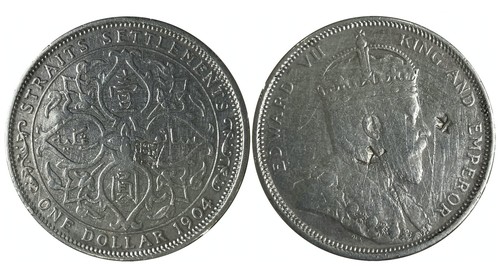
Straits Settlements Dollar
1904
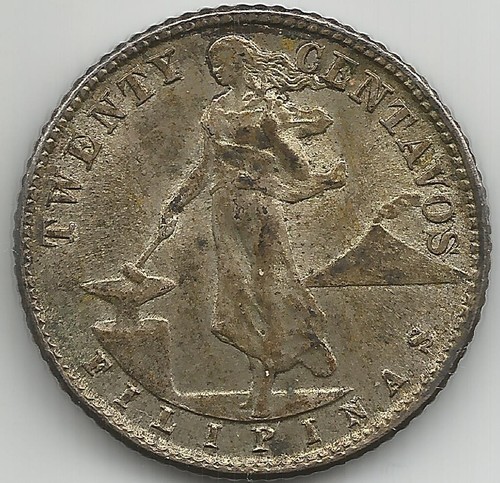
Philippines 20 Centavos
1937–1945 (this example dated 1944)
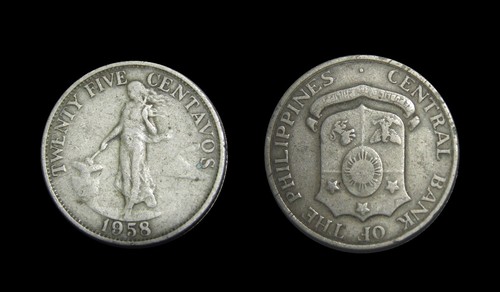
Philippines 25 Centavos
Dated 1958, part of the Republic of the Philippines "English Series" coinage struck from 1958 to 1966
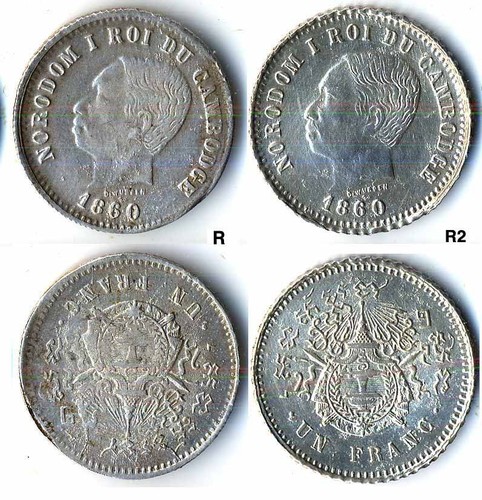
Cambodia One Franc
1950s–1960s
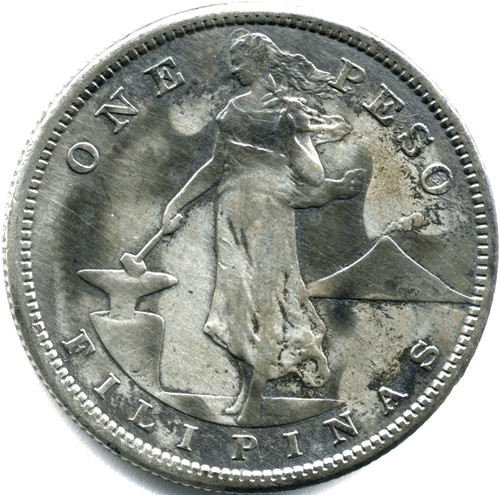
Philippines One Peso
1903–1912
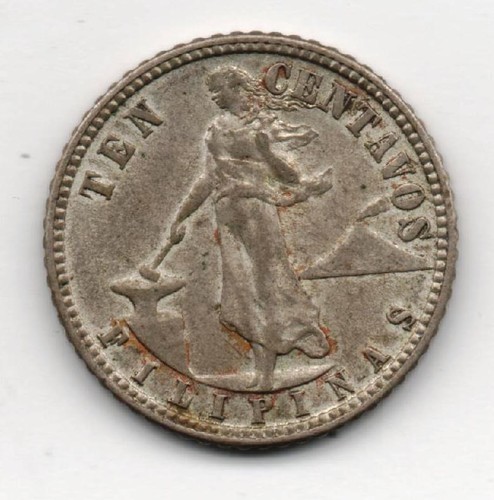
Philippines 10 Centavos
1907–1935 (this example dated 1911)
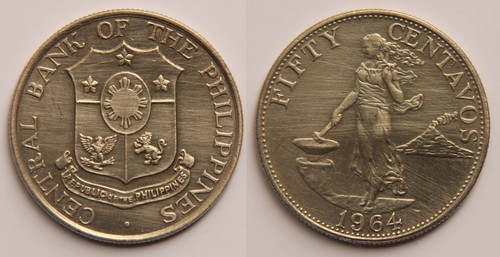
Philippines 50 Centavos
1958–1966 (English series); example dated 1964
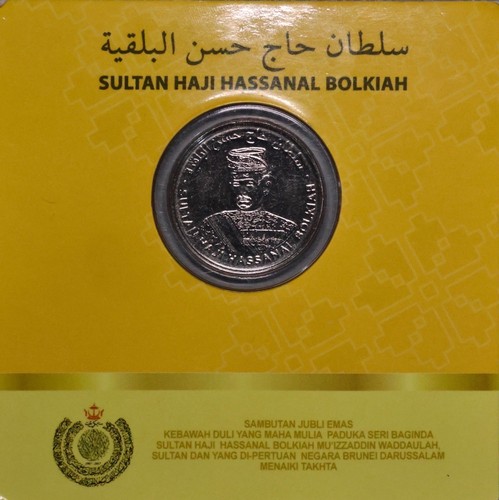
Brunei Golden Jubilee 50 Cents
Golden Jubilee issue, 2017
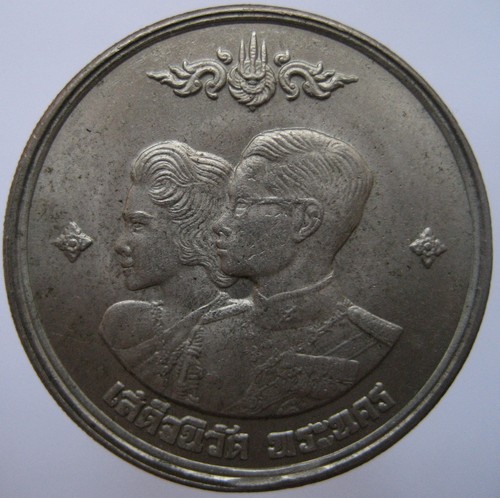
Thailand One Baht Commemorative
1961
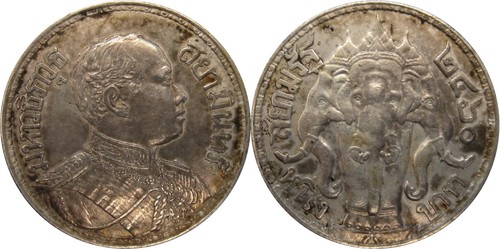
Thailand One Baht
1917
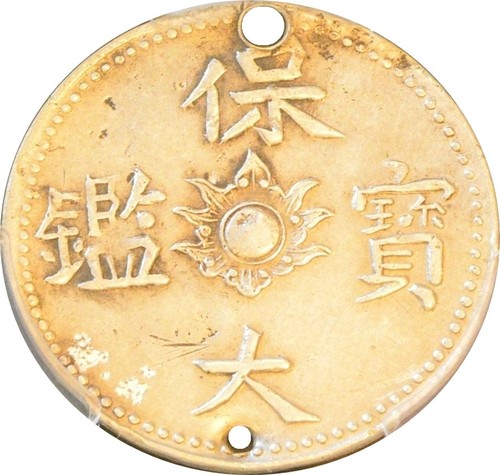
Vietnam 2 Tien - Bao Dai
1926-1945
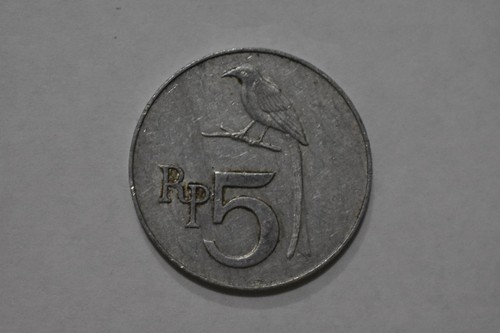
Indonesia 5 Rupiah
2003