
How to Identify the Indonesia 100 Rupiah
A collector's guide to attributing the aluminium 100 Rupiah: the Garuda emblem, BANK INDONESIA legend, the light metal, and separating it from older 100 Rupiah types.
Read the full Indonesia 100 Rupiah encyclopedia entry →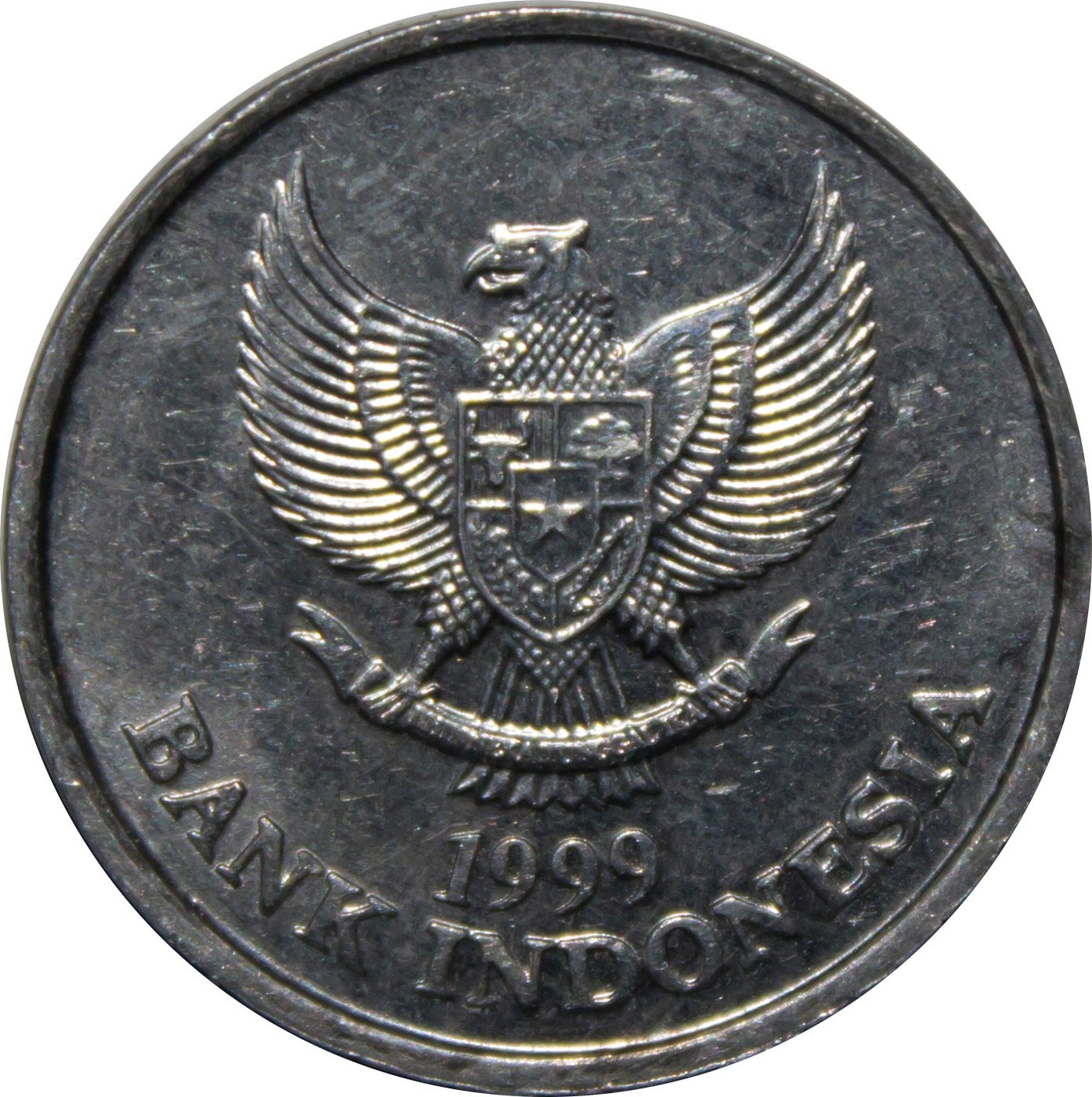
Begin with the legends and devices. The coin shown carries the Garuda Pancasila national emblem — a stylised eagle — with the words BANK INDONESIA identifying the issuing central bank, while the opposite face shows a large numeral 100 with RUPIAH and a date. That combination fixes it as a 100 Rupiah coin of Indonesia; the Garuda and the BANK INDONESIA legend appear across Indonesian coinage and are your primary attribution points.
Confirm the metal, because it separates this issue from earlier 100 Rupiah types. This is an aluminium coin: it is very light and thin, silver-grey rather than gold-coloured, and non-magnetic. If a 100 Rupiah feels dense and heavy or has a warm brass tone, you are holding one of the older base-metal versions of the denomination, not this lightweight aluminium piece.
Check the size and read the date. Expect a small coin in the low-20-millimetre range weighing only a gram or two. The date struck on the value side tells you the exact year and helps you place the coin within the 100 Rupiah series, which has run through more than one design; note it rather than assuming every aluminium 100 Rupiah is identical.
Watch for look-alikes and neighbouring denominations. Indonesia's other small aluminium coins — lower and adjacent rupiah values — share the same light metal and the Garuda-and-Bank-Indonesia layout, so always read the numeral and the word RUPIAH to be sure you have the 100 and not a 50, 200 or similar. Do not confuse this circulation coin with commemorative rupiah issues, which use different designs and are struck in other metals.
Authentication is rarely a concern here. This is a low-value modern circulation coin with no bullion content, so it is not a meaningful target for counterfeiting; there is little to gain from faking it. Concentrate instead on correctly reading the denomination and date and on grading condition — corrosion spots, staining and wear are common on aluminium and are what separate an ordinary example from a clean uncirculated one.
Frequently asked questions
What is the fastest way to identify this coin?
Read both faces: the Garuda Pancasila emblem with the BANK INDONESIA legend on one side and a bold 100 RUPIAH with a date on the other identify it as an Indonesian 100 Rupiah. The very light aluminium confirms the modern type.
How do I tell the aluminium 100 Rupiah from the older versions?
By weight and colour. The aluminium coin is thin, silver-grey and feather-light; the older 100 Rupiah pieces are denser, heavier and often gold- or grey-toned in a base-metal alloy.
Could I mistake it for another denomination?
Yes — several small Indonesian aluminium coins share the same Garuda-and-Bank-Indonesia layout. Always read the numeral and the word RUPIAH to confirm it is the 100 and not a neighbouring value.
Is it worth authenticating?
Not really. It is a low-value modern circulation coin with no precious metal, so counterfeiting is not a concern. Focus on reading the date and judging condition instead.