
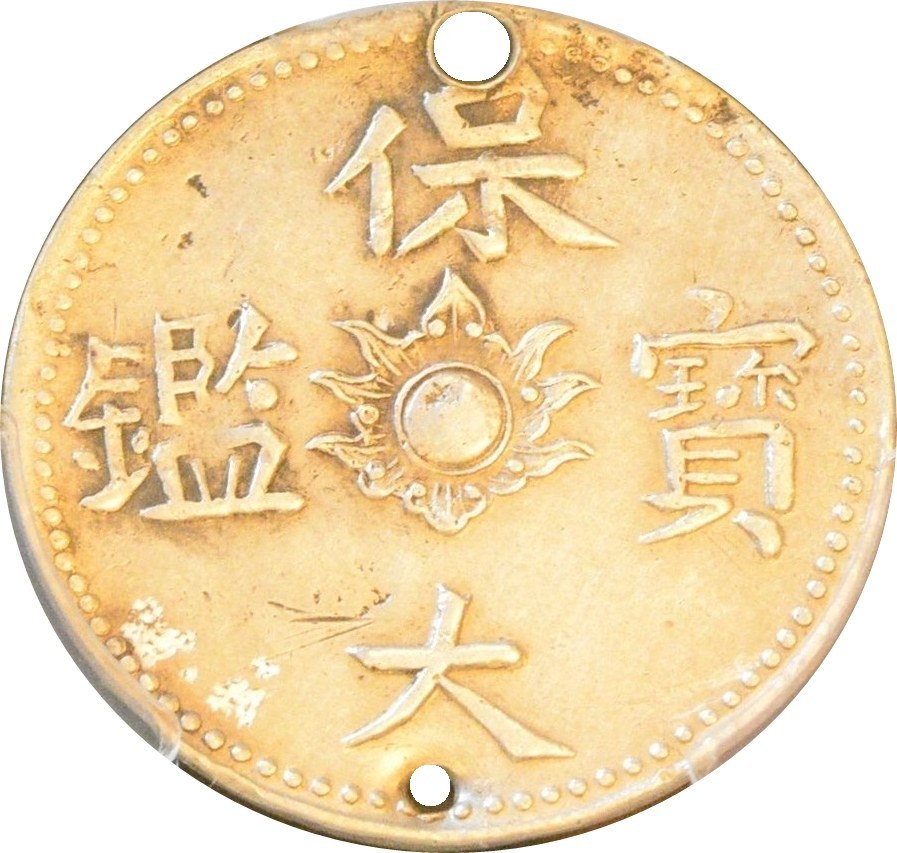
Vietnam 2 Tien - Bao Dai
A gold 2 Tien of Vietnam's last emperor, Bao Dai (1926-1945), its face bearing a radiant sun motif and Chinese-Vietnamese court inscriptions.
- Country
- Vietnam
- Denomination
- 2 Tien
- Metal
- Gold
Got a coin like this?
Identify any coin from a photo, free.
Overview
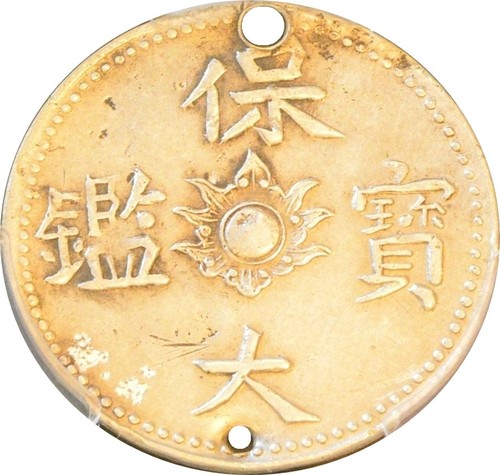
The Vietnam 2 Tien of Bao Dai is a small gold coin of the Nguyen dynasty, issued during the reign of Bao Dai, the last emperor of Vietnam, whose rule ran from 1926 to 1945. The face shown in our photograph carries a decorative design built around a radiant sun motif with rays, framed by inscriptions in Chinese characters (chu Han) of the kind used in the Vietnamese imperial court.
The "tien" (also written "tiền") was a traditional Vietnamese unit of weight and value, and gold pieces denominated in tien were part of a long-standing series of court money. A 2 tien piece represents two of these units. Coins of this class were typically not everyday change but higher-value gold used for court gifts, savings and prestige.
The reverse is not visible in our image. On Nguyen dynasty gold of this era the opposite face commonly carries additional court inscriptions, often a reign or auspicious legend, so the single sun-motif face seen here is the primary diagnostic surface for this piece.
History & Background
Bao Dai (born Nguyen Phuc Vinh Thuy, 1913-1997) came to the throne of the Nguyen dynasty in 1926 and reigned as emperor until his abdication in August 1945, making him the final monarch of a dynasty that had ruled from Hue since 1802. Throughout his reign Vietnam was under French colonial administration, so the emperor's authority was largely ceremonial while everyday commerce increasingly used French Indochinese piastre coinage.
Against that backdrop, the court continued an older Vietnamese tradition of striking gold and silver pieces in indigenous units such as the tien and the lang (tael). These were rooted in the sycee and "bar money" customs of East Asia and served the palace for presentation, reward and store of value rather than for market transactions. Gold tien pieces of the Nguyen emperors, including Bao Dai, belong to this court-money tradition rather than to the decimal colonial currency.
Because such pieces were produced in limited quantity for the imperial household and elite, and because the dynasty ended in 1945, surviving Bao Dai gold is scarce and closely tied to the last chapter of Vietnam's monarchy.
How to Identify
Identify this piece first by its metal and its decorative face. It is a gold coin whose visible side is dominated by a stylized sun with radiating lines, surrounded by Chinese characters used in the Vietnamese imperial court. This ornamental, inscription-heavy appearance is characteristic of Nguyen dynasty court gold rather than of a Western-style coin with a portrait and numerals.
The denomination is 2 tien, a traditional Vietnamese weight-based value. Coins in tien are small and were struck to court weight standards, so a 2 tien piece is heavier than a 1 tien but still a compact gold coin; exact weight and diameter should be measured against reference standards for the series rather than assumed. The inscriptions are in classical Chinese script (chu Han), which the Nguyen court used on its coinage.
The reverse is not shown in our photograph. On related Nguyen gold the second face usually carries further court legends. Attribution to the Bao Dai reign rests on matching the inscriptions and style to that emperor's issues, so reading the characters, or comparing them to catalogued Bao Dai pieces, is the key step; the 1926-1945 window corresponds to his reign.
Value & Collectibility
As a gold coin of a short-lived, historically significant reign, the Bao Dai 2 tien carries value from two sources: its gold content and its collector interest as scarce Nguyen dynasty court money. Both factors typically place it well above the worth of ordinary base-metal coins, but exact figures vary widely with weight, condition and demand.
Because these pieces were produced in small numbers for the imperial household, genuine examples are uncommon and are sought by collectors of Vietnamese and wider East Asian gold. Fineness and precise weight matter, since the metal value forms a floor, while historical appeal and eye appeal drive any premium above it.
Given the scarcity and the prevalence of modern reproductions and fantasy "presentation" pieces in this area, values should be treated as broad context only. A verified, correctly attributed and authenticated example commands a meaningful premium, whereas unverified or replica pieces are worth little regardless of their appearance.
Frequently asked questions
Who was Bao Dai?
Bao Dai (1913-1997) was the last emperor of Vietnam's Nguyen dynasty, reigning from 1926 until his abdication in 1945. Gold coins in traditional units such as the tien were struck by his court.
What is a "tien"?
The tien (tiền) is a traditional Vietnamese unit of weight and value used for court money. A 2 tien coin represents two of these units, so it is a higher-value gold piece than a 1 tien.
Was this coin used for everyday shopping?
No. Gold tien pieces of the Nguyen court were mainly for presentation, reward and store of value. Ordinary commerce in this period largely used French Indochinese piastre coinage.
What is the sun design on the coin?
The visible face features a stylized radiant sun with rays, an ornamental court motif, surrounded by Chinese characters used by the Vietnamese imperial court. The reverse is not shown in our photograph.
Is it valuable?
It carries both gold value and collector interest as scarce Nguyen dynasty court money, so genuine examples sell well above base-metal coins. Exact prices depend on weight, fineness, condition and authentication.
Vietnam 2 Tien - Bao Dai guides
In-depth guides for identifying, valuing, and collecting Vietnam 2 Tien - Bao Dai.
Other coins you may enjoy
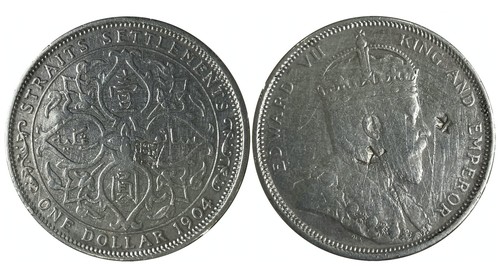
Straits Settlements Dollar
1904
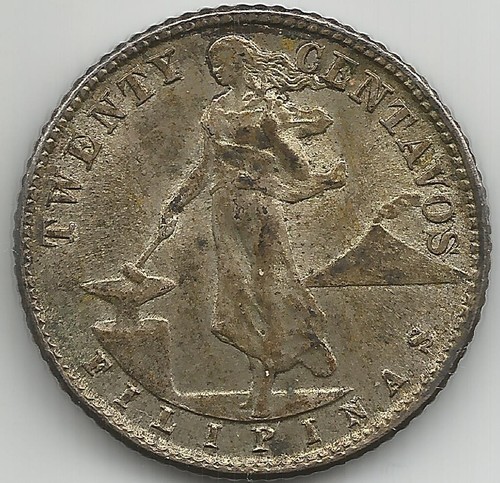
Philippines 20 Centavos
1937–1945 (this example dated 1944)
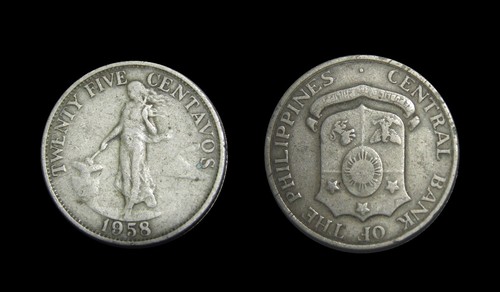
Philippines 25 Centavos
Dated 1958, part of the Republic of the Philippines "English Series" coinage struck from 1958 to 1966
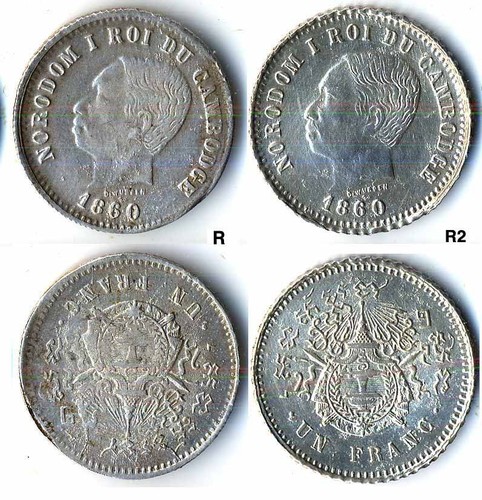
Cambodia One Franc
1950s–1960s
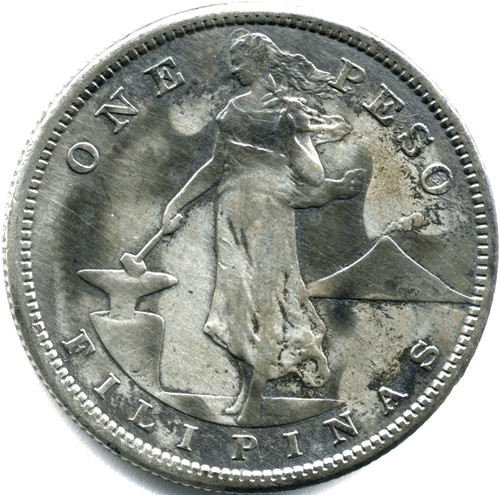
Philippines One Peso
1903–1912
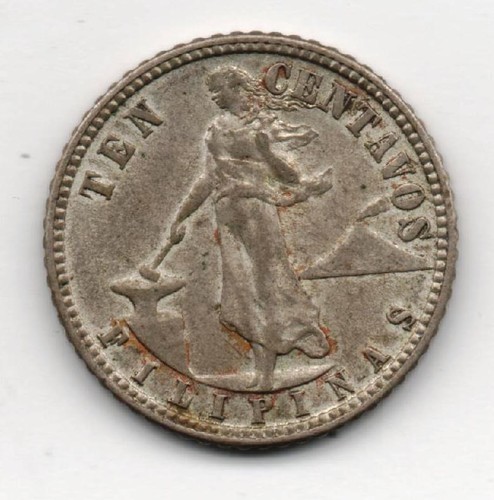
Philippines 10 Centavos
1907–1935 (this example dated 1911)
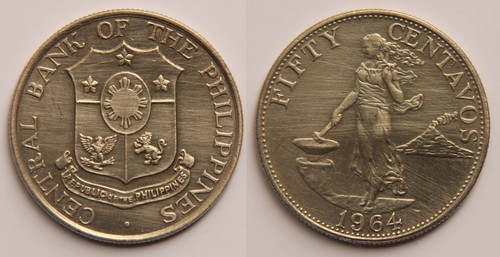
Philippines 50 Centavos
1958–1966 (English series); example dated 1964
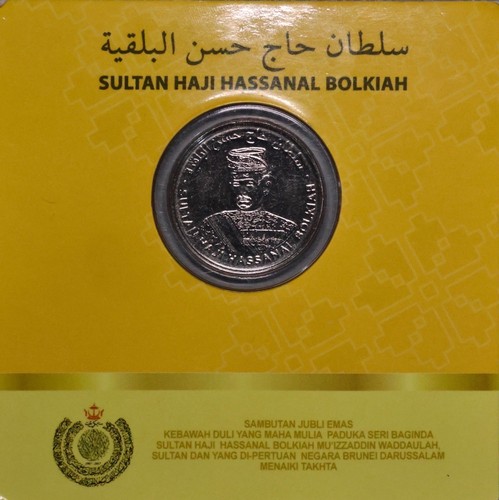
Brunei Golden Jubilee 50 Cents
Golden Jubilee issue, 2017
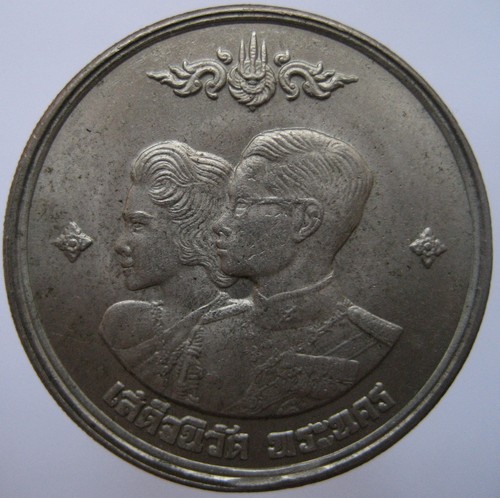
Thailand One Baht Commemorative
1961
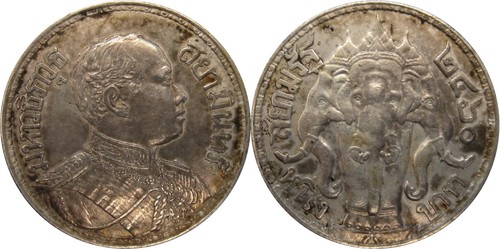
Thailand One Baht
1917
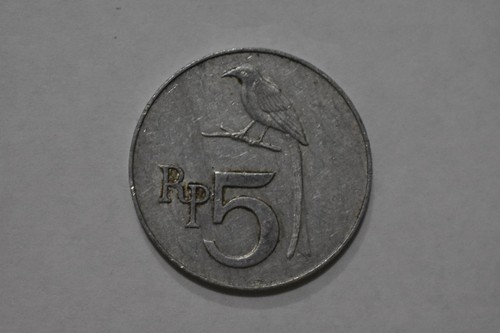
Indonesia 5 Rupiah
2003
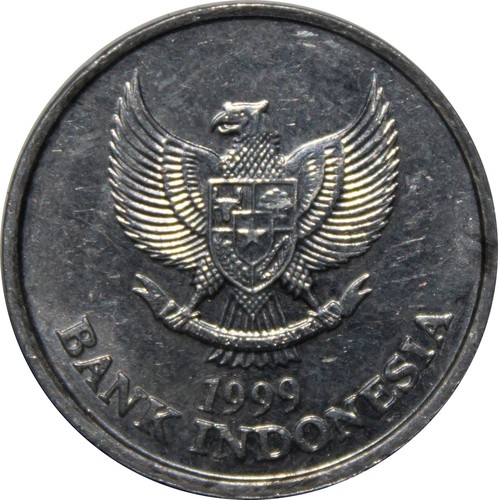
Indonesia 100 Rupiah
Modern (late 20th–21st century)