Victoria One Rupee
Silver 1-rupee coin of British India bearing Queen Victoria's crowned bust, struck from 1862 to 1901 under Crown rule.
- Country
- India
- Denomination
- 1 Rupee
- Metal
- Silver
Got a coin like this?
Identify any coin from a photo, free.
Overview
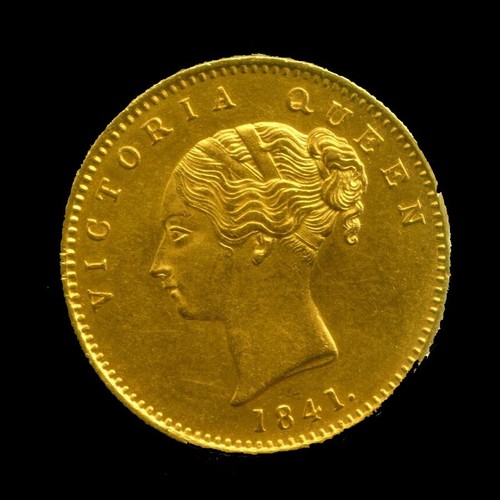
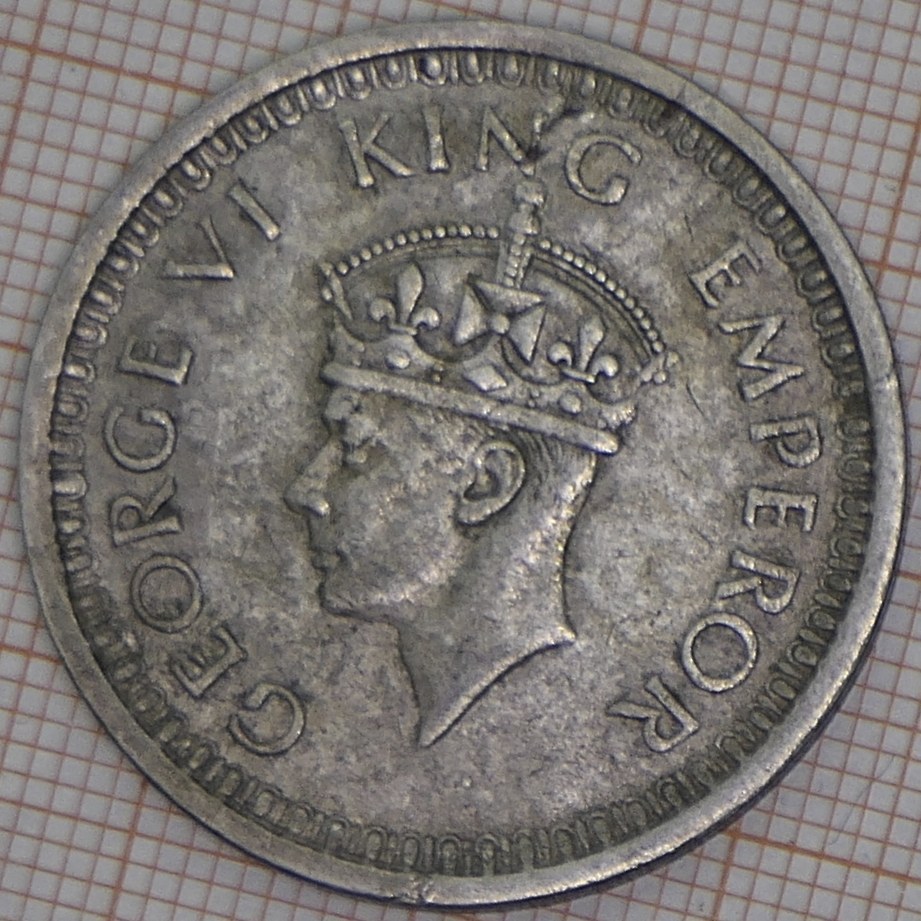
The Victoria One Rupee is the standard silver rupee of British India, issued after the British Crown assumed direct rule of India in 1858. Its obverse carries the crowned, draped bust of Queen Victoria facing left, surrounded by a legend naming her either as "VICTORIA QUEEN" (earlier issues) or "VICTORIA EMPRESS" (from 1877 onward, after she took the title Empress of India). The example shown here is dated 1884, an Empress-type rupee.
Struck in high-grade silver and roughly the size of a US silver dollar in weight, the rupee was the backbone of everyday commerce across the subcontinent for four decades. It was produced in enormous quantities at the Calcutta and Bombay mints, so many survive today, making it one of the most familiar and collectible coins of the British Raj.
History & Background
Following the Indian Rebellion of 1857, control of India passed from the East India Company to the British Crown in 1858. The first Crown-issue rupees bearing Queen Victoria's portrait appeared in 1862 with the legend "VICTORIA QUEEN." These are often referred to as the Queen (or "Regina") type.
In 1876 the Royal Titles Act made Victoria "Empress of India," and from 1877 the rupee legend was changed to "VICTORIA EMPRESS." This Empress type continued through 1901, the year of Victoria's death. An 1884-dated rupee, like the one pictured, belongs to this later Empress series. After Victoria, the design was replaced by portraits of Edward VII.
Coins were struck primarily at the Calcutta and Bombay mints, distinguished by small mint marks on the reverse. Because they circulated heavily and were later melted or hoarded for their silver, condition and mint variety are the main factors that separate a common rupee from a scarce one.
How to Identify
Look first at the obverse: a crowned bust of Queen Victoria facing left, wearing a crown, veil, and draped regalia, encircled by the legend. "VICTORIA QUEEN" marks a 1862-1876 issue; "VICTORIA EMPRESS" marks an 1877-1901 issue such as the 1884 example here. The reverse (not shown on this photo) reads "ONE RUPEE / INDIA" with the date, framed by a wreath of lotus and floral sprays.
Physical characteristics are consistent: the coin is silver, about 30-31 mm in diameter and roughly 11.6-11.7 grams, with a reeded (security) edge. Mint attribution is made from small marks on the reverse, typically on or beneath the lower floral ornament: Calcutta coins carry no mint mark, while Bombay coins show a small dot or bead. The visible year on the pictured coin is 1884.
Value & Collectibility
Most Victoria rupees are common in circulated grades and trade close to their silver content, since each contains roughly a third of an ounce of silver. Well-worn 1884 Empress rupees are generally affordable, entry-level British India coins.
Value rises sharply with condition. Sharp, lightly worn examples and especially uncirculated coins with original luster command significant premiums over bullion. Certain dates, mint varieties, and die combinations are scarcer and sought after by specialists. As with any silver coin of this era, cleaning, tooling, or damage substantially reduces value, so original surfaces matter.
Frequently asked questions
Is the Victoria One Rupee real silver?
Yes. It was struck in high-grade silver (about 91.7% fine) and weighs roughly 11.6-11.7 grams, so it contains close to a third of an ounce of silver.
What is the difference between the Queen and Empress rupees?
The legend around Victoria's bust reads "VICTORIA QUEEN" on issues from 1862-1876 and "VICTORIA EMPRESS" from 1877-1901, after she was proclaimed Empress of India. An 1884 rupee is an Empress type.
How can I tell which mint struck my rupee?
Check the reverse for small mint marks near the lower floral ornament. Calcutta coins have no mint mark, while Bombay coins typically show a small dot or bead.
Are Victoria rupees valuable?
Common dates in worn condition trade near their silver value, but high-grade, lustrous, or scarce mint varieties can be worth considerably more to collectors.
Victoria One Rupee guides
In-depth guides for identifying, valuing, and collecting Victoria One Rupee.