
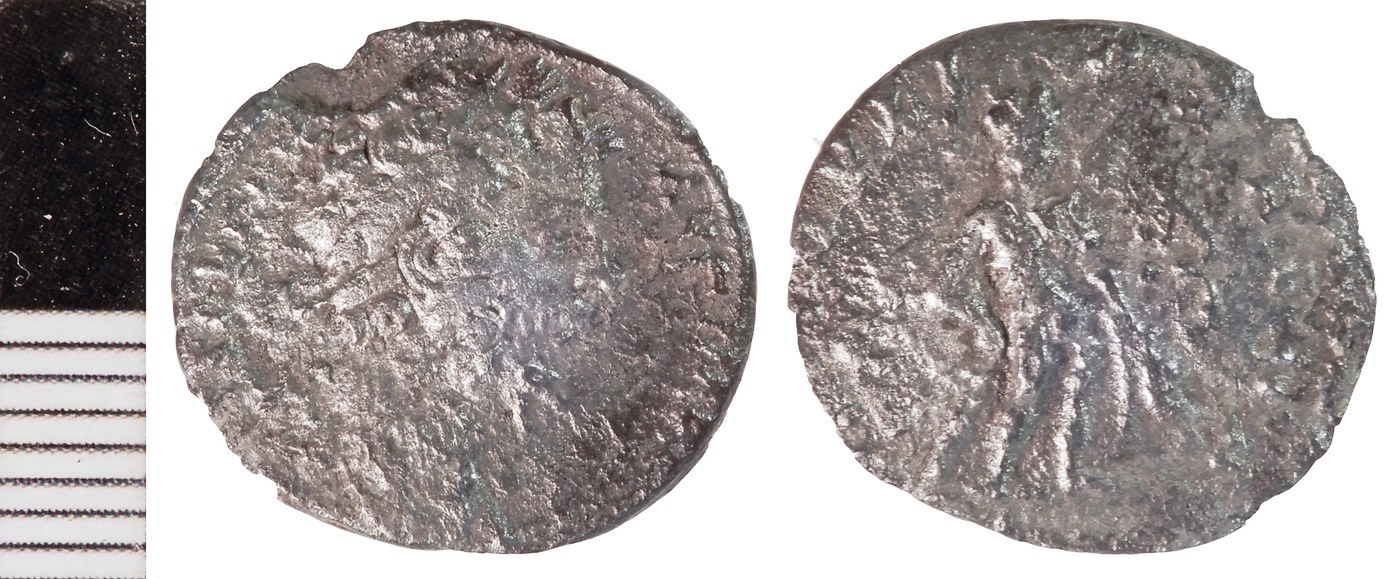
Roman Imperial Denarius (Unidentified)
A silver denarius of the Roman Empire, 2nd century AD, showing an emperor's right-facing curly-haired portrait and a standing imperial reverse type.
- Country
- Roman Empire
- Denomination
- Denarius
- Metal
- Silver
Got a coin like this?
Identify any coin from a photo, free.
Overview
The coin shown here is a Roman Imperial denarius, the standard silver coin of the Roman Empire, dated on stylistic grounds to the 2nd century AD. The obverse carries the right-facing portrait of an emperor with curly hair, while the reverse shows a standing figure or personification typical of imperial reverse types. Because the surrounding legends are worn or otherwise unread, the exact emperor and mint issue have not been pinned down, so it is catalogued here as an unidentified denarius.
This is a small, hand-struck silver coin, not a modern machine-made piece. It represents the workhorse denomination of Roman daily commerce for centuries, and even an unattributed example is a genuine artifact of Roman circulation. Firm attribution would require reading the legend and matching the specific portrait and reverse to a catalogued type.
History & Background
The denarius was the backbone of the Roman monetary system from the late 3rd century BC into the 3rd century AD. By the 2nd century AD — the era of emperors such as Trajan, Hadrian, Antoninus Pius, and Marcus Aurelius — the denarius was a compact silver coin used to pay soldiers, settle taxes, and conduct everyday trade across an empire that stretched from Britain to the Near East.
Each emperor placed his own portrait on the obverse, usually facing right, accompanied by a titling legend. Reverses carried a shifting repertoire of imagery: standing deities and personifications such as Victory, Roma, Pax, Fortuna, or Providentia, along with military and dynastic themes. These designs served as state messaging, broadcasting an emperor's virtues and achievements to everyone who handled the coin.
Over the 2nd century the silver content of the denarius was gradually reduced, and in the early 3rd century it was largely superseded by the double-denarius (the antoninianus). Vast numbers of 2nd-century denarii survive today, recovered from hoards and archaeological finds across the former empire, which is why individual worn examples are common even when a specific attribution is elusive.
How to Identify
Confirm the basics first: this is a small silver coin, typically around 17-20 mm in diameter and roughly 3 grams, hand-struck so the flan is slightly irregular and the design is often off-center. The obverse shows an emperor's head in profile, here facing right with curly hair, and the reverse a standing figure or imperial type.
Attribution depends on the legends. The obverse inscription names and titles the emperor, and the reverse legend labels the figure or commemorates an event. On this example those legends are not clearly read, which is why the specific ruler and issue remain unidentified. Reading even part of the obverse legend, or matching the reverse figure and its attributes (a wreath, spear, cornucopia, patera, or standard), is the path to a firm identification against a reference such as Roman Imperial Coinage (RIC).
Style helps narrow the date: 2nd-century portraiture tends toward realistic modeling with detailed hair and, for later-century emperors, full beards. Do not over-read a worn coin — surface encrustation, wear, and weak strike can hide the very legends needed for attribution.
Value & Collectibility
Unattributed 2nd-century denarii are among the more affordable ancient silver coins because they survive in large numbers. A worn, unidentified example generally trades in the low tens of dollars, valued as a representative piece of genuine Roman silver rather than for a specific rarity.
Value rises sharply once a coin can be attributed and graded. A clear portrait, readable legends, an attractive reverse type, good centering, and problem-free surfaces all add premium, and denarii of scarcer emperors or unusual reverse types can bring substantially more. Conversely, heavy wear, corrosion, tooling, or harsh cleaning reduce value.
Because pricing hinges entirely on attribution and condition, treat any figure as a range until the coin is identified and, ideally, checked by a specialist. For ancient coins, provenance and authenticity matter as much as grade, so confirmed genuineness is central to value.
Frequently asked questions
Why is this denarius listed as unidentified?
The obverse and reverse legends that would name the emperor and issue are worn or unread, so the specific ruler and mint type cannot be confirmed. It is securely a 2nd-century AD Roman silver denarius, just not yet attributed to a particular emperor.
How can I figure out which emperor is on it?
Read as much of the obverse legend as possible and match the portrait and reverse figure to a catalogued type, ideally using Roman Imperial Coinage (RIC). Even partial legends, plus the reverse figure's attributes, often allow a firm identification.
Is it real silver?
Yes. The 2nd-century denarius was struck in silver, though its fineness was gradually reduced over the century. Genuine examples are small, hand-struck coins around 17-20 mm and roughly 3 grams, with slightly irregular flans.
Are 2nd-century denarii rare?
No. They survive in very large numbers from hoards and archaeological finds across the former empire, which is why worn, unattributed examples are common and relatively inexpensive.
Is an unidentified denarius worth collecting?
It can be, as an affordable and authentic piece of Roman history. Its value increases significantly once attributed and graded, so many collectors enjoy the process of identifying the emperor and reverse type themselves.
Roman Imperial Denarius (Unidentified) guides
In-depth guides for identifying, valuing, and collecting Roman Imperial Denarius (Unidentified).
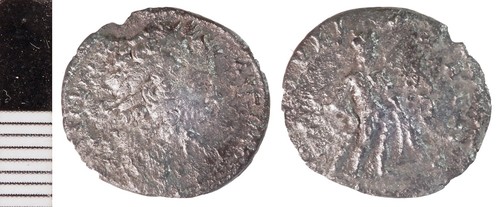
Roman Imperial Denarius (Unidentified) identified by the community
Real coins identified with Coin Identifier.
Other coins you may enjoy
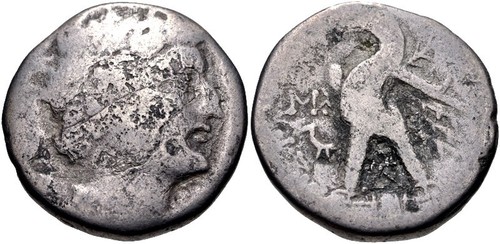
Tetradrachm of Ptolemy XII
80-51 BC
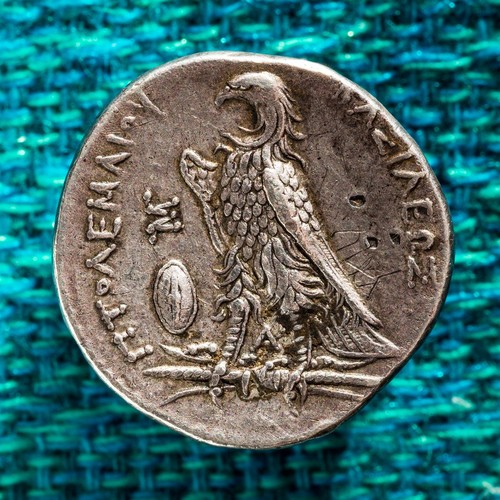
Tetradrachm of Ptolemy I
305-283 BC
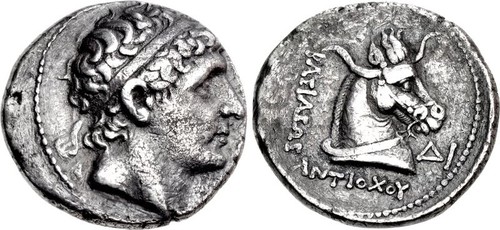
Tetradrachm of Antiochos I Soter
281-261 BC
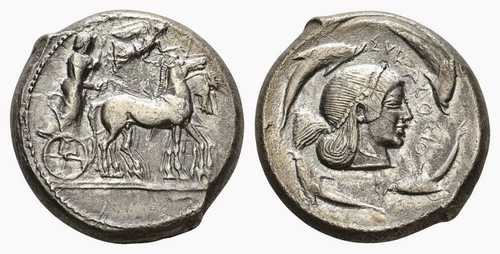
Syracuse Tetradrachm
c. 5th-4th century BC (Classical period)
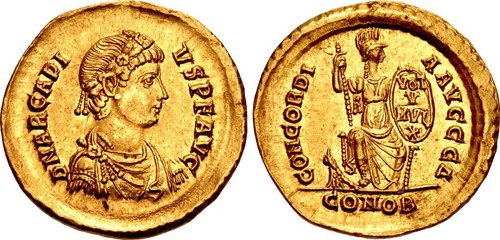
Solidus of Arcadius
AD 395-402
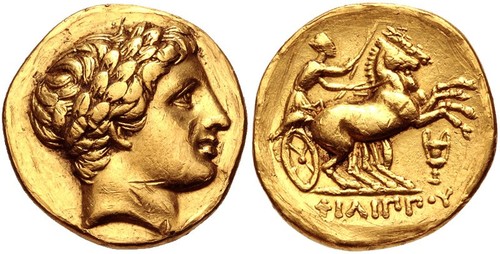
Philip III Gold Stater
323-317 BC
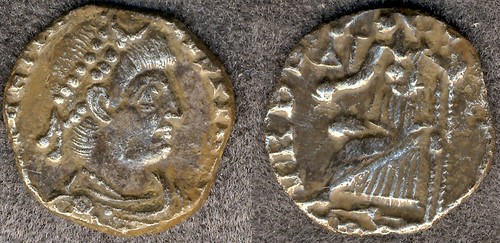
Siliqua of Gratian
AD 367-383
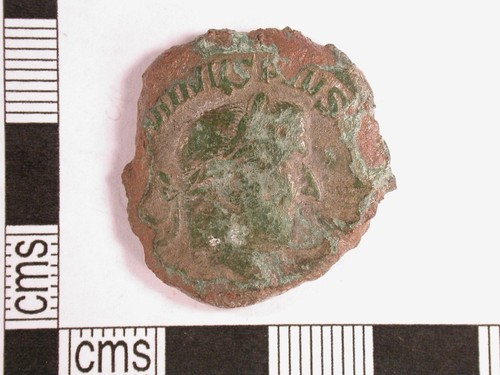
Sestertius of Maximinus Thrax
235-238 AD
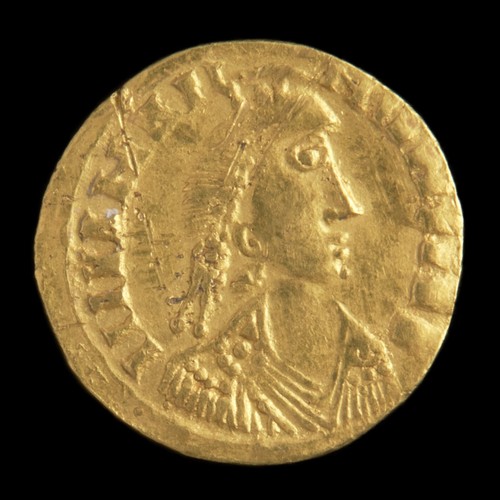
Solidus of Valentinian III
AD 425-455
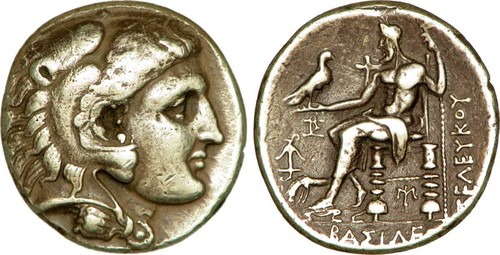
Seleucus I Nicator Tetradrachm
Late 4th-3rd century BC
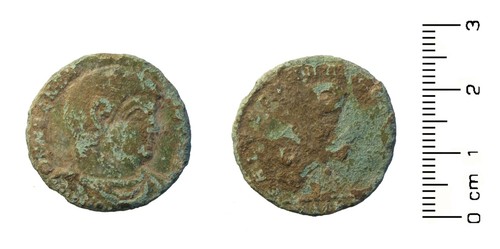
Nummus of Magnentius
AD 350-353
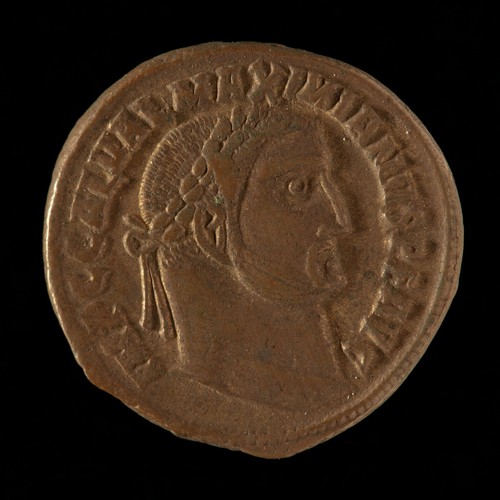
Follis of Galerius
AD 308-310