
Roman Siliqua
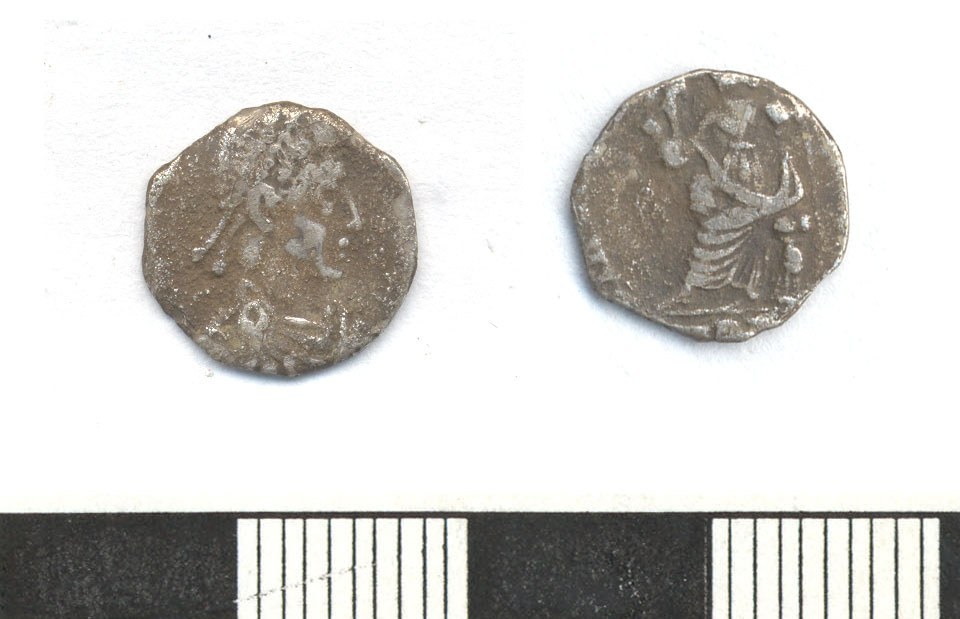
Small late-Roman silver coin of the 4th century AD, with an emperor's portrait facing right and a standing robed figure on the reverse.
- Country
- Roman Empire
- Denomination
- Siliqua
- Metal
- Silver
Got a coin like this?
Identify any coin from a photo, free.
Overview
The Roman Siliqua shown here is a small silver coin of the late Roman Empire, struck in the later 4th century AD. The obverse carries an imperial portrait facing right, rendered in the stiff, angular style typical of late-Roman engraving, while the reverse shows a standing figure in flowing drapery — the sort of allegorical or imperial personification common on silver of the period.
The siliqua was a thin, small-diameter denomination struck in good silver, much smaller and lighter than the earlier Roman denarius or the imperial-era coinage most people picture. It circulated as a workhorse of the late-Roman silver system alongside the gold solidus, and today it is one of the most collected of all late-antique silver types.
History & Background
The siliqua emerged from the currency reforms of the early-to-mid 4th century AD, as the Roman state rebuilt its precious-metal coinage around the gold solidus introduced under Constantine the Great. The silver siliqua served as a fractional silver piece within that reformed system, and it was struck in quantity through the reigns of the later 4th-century emperors.
Over the century the coin's weight was reduced, and numismatists distinguish heavier early issues from the lighter "reduced" siliqua of the later 300s. Mints across the empire — in Gaul, Italy, the Balkans, and the East — produced the type, so surviving coins vary in style and legend depending on where and when they were struck.
Siliquae remained important into the 5th century and circulated widely at the empire's frontiers. Many were later clipped, and hoards of siliquae — especially from Britain and the western provinces — are a major source of the coins collectors see today, reflecting the disruption of the late-Roman West.
How to Identify
Identify a siliqua first by scale and metal: it is a small, thin silver coin, typically only around 15-18 mm across and light in the hand, quite unlike the larger bronze or gold coins of the same era. The silver is usually good quality, showing a bright to lightly toned grey surface rather than the reddish tone of bronze.
The obverse carries a right-facing imperial portrait, generally a diademed or draped-and-cuirassed bust, surrounded by a Latin legend giving the emperor's name and titles. The reverse here shows a standing robed figure — late-Roman reverses of this denomination frequently depict a personification such as Roma or an emperor-type figure, or, on other issues, a wreath enclosing a legend.
Because the coin is ancient and hand-struck, expect irregular flans, off-center strikes, and legends that run off the edge. Many genuine siliquae are also clipped, with the outer legend partly trimmed away — a normal feature of the type rather than damage that rules it out.
Value & Collectibility
Roman siliquae are among the more affordable and available of ancient silver coins, and value depends heavily on emperor, mint, reverse type, and condition. Common, worn, or clipped examples with legible portraits generally sit in the modest range of a typical entry-level ancient silver coin, while sharp, well-centered, and fully-legend pieces of scarcer rulers command substantially more.
Eye appeal matters: a clear portrait, complete legends, good centering, and attractive original toning all raise value, whereas heavy clipping, corrosion, or harsh cleaning lower it. Rare emperors, unusual mints, and exceptional strikes can carry strong premiums well beyond the common baseline.
Because prices swing widely by type and grade, confirm any specific coin against recent auction results for the same emperor and reverse rather than a single figure. Attribution to the correct emperor and mint — and, for higher-value coins, third-party authentication — is the surest guide to worth.
Frequently asked questions
What is a Roman siliqua?
It is a small silver coin of the late Roman Empire, a fractional denomination struck alongside the gold solidus from the 4th century onward. This example dates to the later 4th century AD.
How big is a siliqua and what is it made of?
It is a small, thin silver coin, typically only about 15-18 mm across and quite light. Genuine pieces are good silver, showing a bright-to-grey toned surface rather than a bronze or gold color.
Who is shown on the coin?
The obverse shows a late-Roman emperor in profile facing right, named in the surrounding Latin legend. The reverse of this piece shows a standing figure in flowing robes, a common late-Roman allegorical or imperial type.
Why are many siliquae clipped around the edge?
Clipping — trimming silver from the rim — was widespread in the late-Roman West, especially in Britain. Many surviving siliquae are clipped, so a trimmed outer legend is normal for the type rather than a sign the coin is fake.
Are Roman siliquae valuable?
They are among the more affordable ancient silver coins, but value ranges widely by emperor, mint, reverse, and condition. Common worn examples are modest, while sharp coins of scarce rulers bring much more.
Roman Siliqua guides
In-depth guides for identifying, valuing, and collecting Roman Siliqua.
Other coins you may enjoy
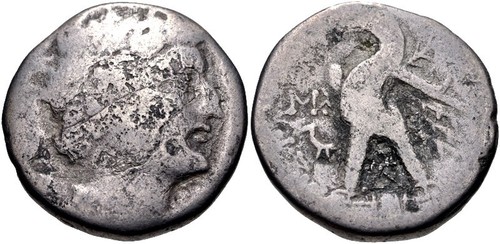
Tetradrachm of Ptolemy XII
80-51 BC
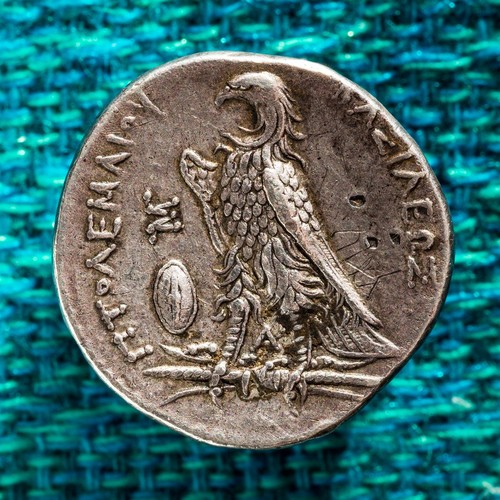
Tetradrachm of Ptolemy I
305-283 BC
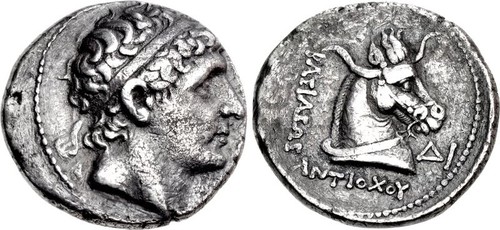
Tetradrachm of Antiochos I Soter
281-261 BC
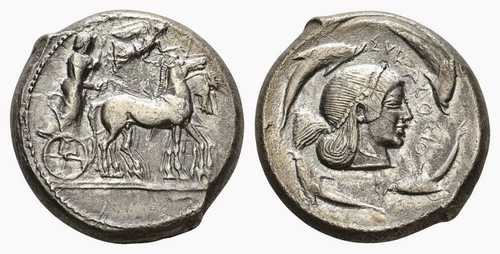
Syracuse Tetradrachm
c. 5th-4th century BC (Classical period)
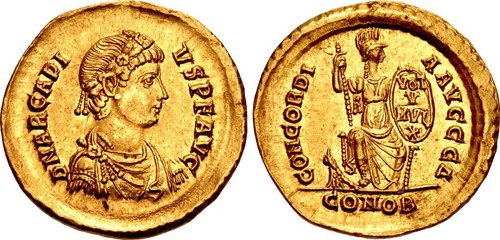
Solidus of Arcadius
AD 395-402
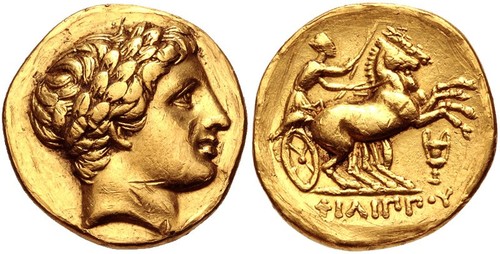
Philip III Gold Stater
323-317 BC
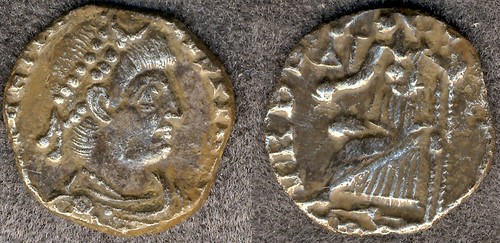
Siliqua of Gratian
AD 367-383
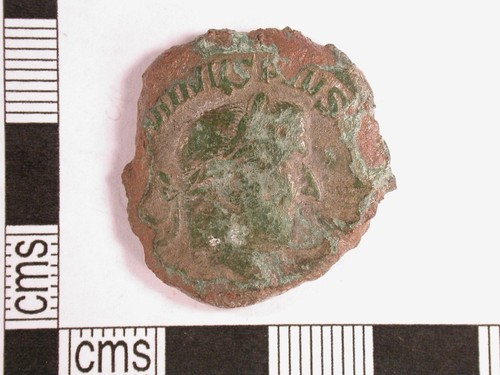
Sestertius of Maximinus Thrax
235-238 AD
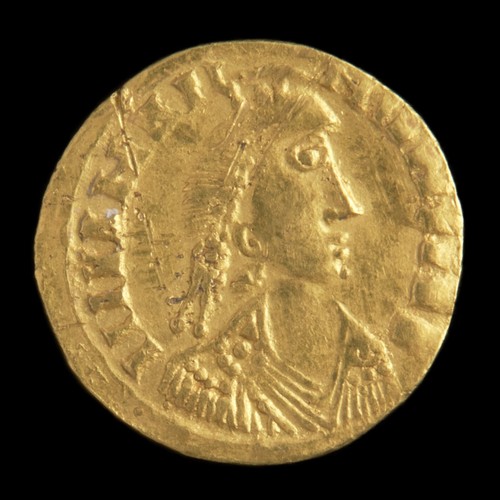
Solidus of Valentinian III
AD 425-455
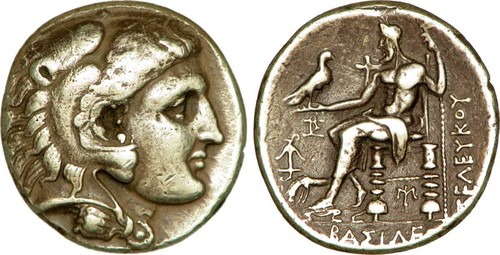
Seleucus I Nicator Tetradrachm
Late 4th-3rd century BC
Nummus of Magnentius
AD 350-353
Follis of Galerius
AD 308-310