
Coin Encyclopedia
Search and identify coins from around the world — with country, denomination, metal, mint, history, and how to tell them apart.
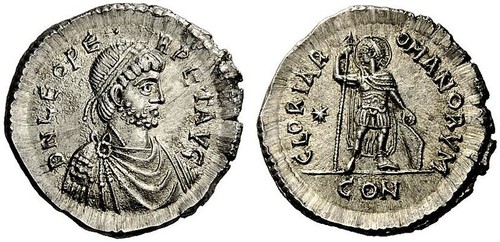
Miliarense of Leo I
Eastern Roman silver miliarensis of Leo I (AD 457-474), showing his diademed bust and a standing military figure with spear and shield.
Ancient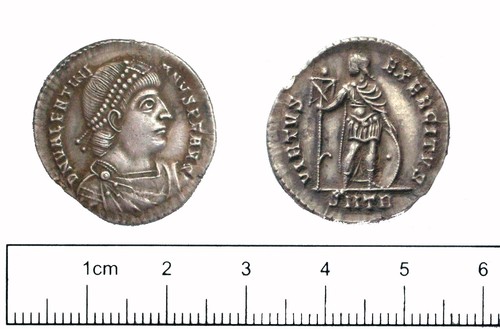
Miliarense of Valentinian I
A late Roman silver miliarensis of Valentinian I (AD 364-375), with a pearl-diademed imperial portrait and an armed standing figure holding spear and shield.
Ancient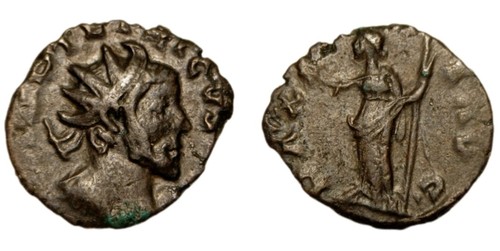
Antoninianus of Tetricus I
A billon antoninianus of the Gallic emperor Tetricus I (270–273 AD), showing his radiate portrait and a standing figure of Pax on the reverse.
Ancient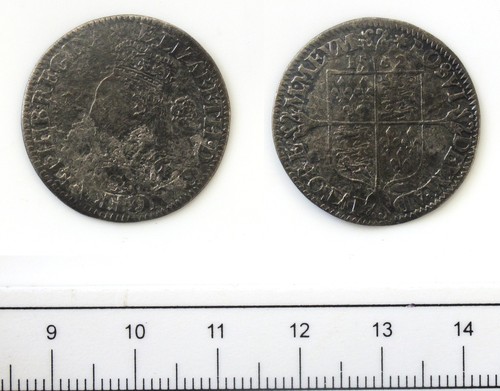
Sixpence of Elizabeth I
A hammered silver sixpence of Elizabeth I, showing the crowned, ruff-collared queen in profile and the royal shield, most bearing a date beside a mint mark.
Hammered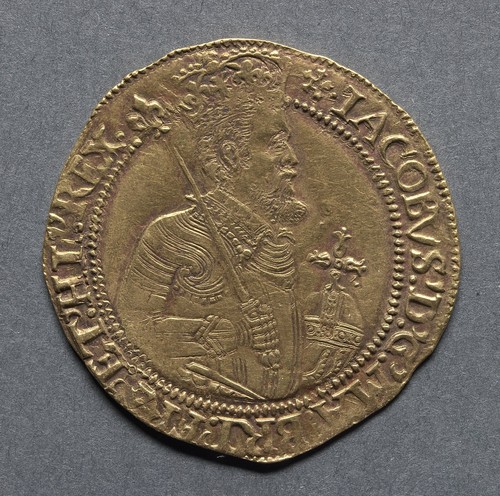
Unite of James I
A hammered gold pound coin of James I, named to celebrate the union of England and Scotland under one crown.
Hammered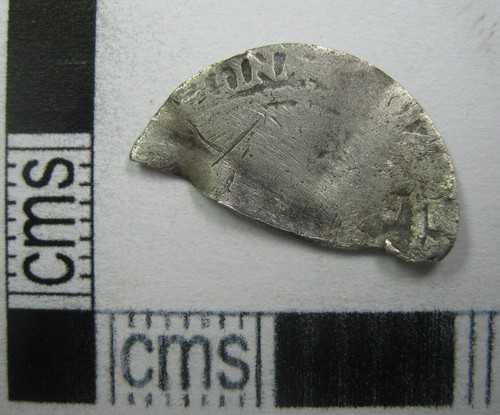
Threepence of Elizabeth I
A hammered silver threepence of Elizabeth I, showing her crowned profile with a rose behind and a dated shield reverse, struck across her long reign.
Hammered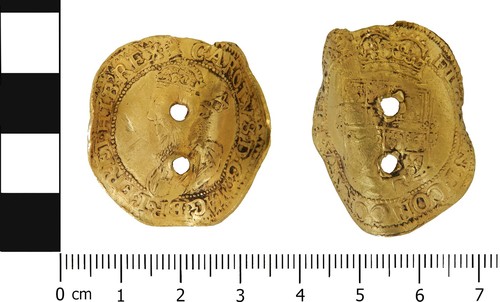
Charles I Unite
A large hammered gold coin of Charles I worth twenty shillings, showing his crowned profile and a crowned quartered shield of lions and fleur-de-lis.
Hammered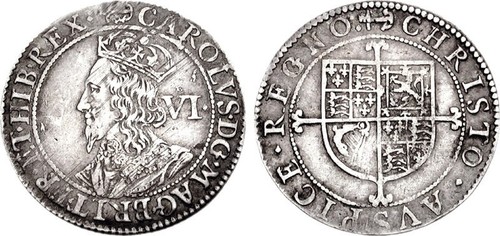
Charles I Sixpence
A hammered Stuart silver sixpence of Charles I, showing his crowned profile bust and a shield of arms, struck during the troubled decade of the English Civil War.
Hammered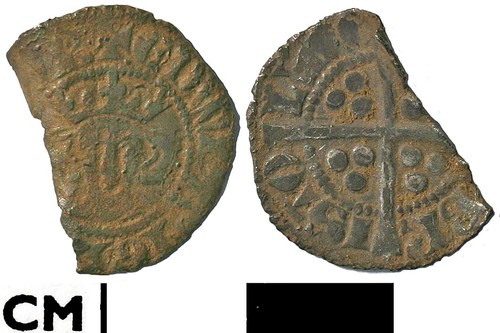
Edward I Groat
Rare early English silver fourpence of Edward I, showing his crowned facing-profile bust and a long-cross reverse with pellets in the quarters.
Medieval Coins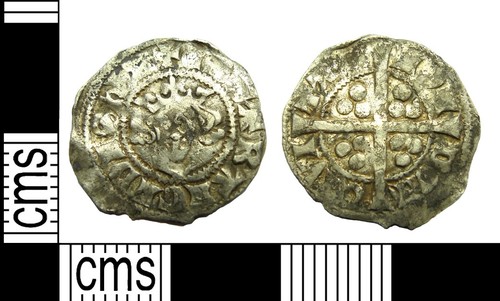
Edward I Penny
Hammered silver penny of Edward I, showing a crowned facing bust on the obverse and a long voided cross with pellets in the quadrants on the reverse.
Medieval Coins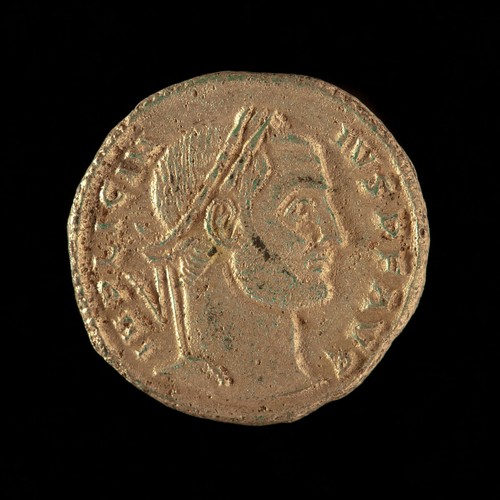
Follis of Licinius I
A small bronze follis of the emperor Licinius I (AD 308-324), showing his portrait and a standing deity reverse, struck around AD 320-321.
Ancient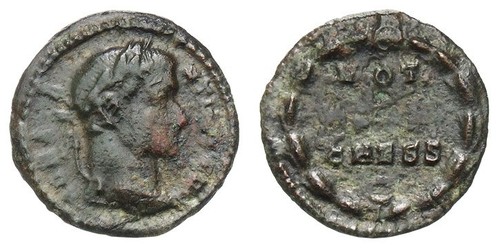
Nummus of Constantine I
Small late Roman bronze nummus (follis) of Constantine I the Great (306-337 CE), identified by his right-facing imperial portrait on the obverse.
Ancient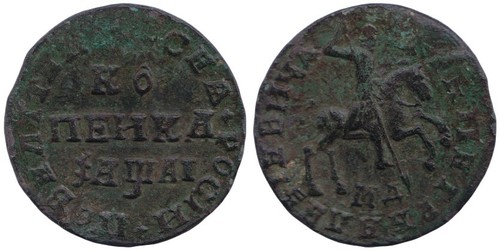
Kopek (Peter I)
An early copper kopek of Peter the Great, showing a profile of Peter I and Cyrillic legends on one side and the Russian double-headed eagle on the other.
Early Modern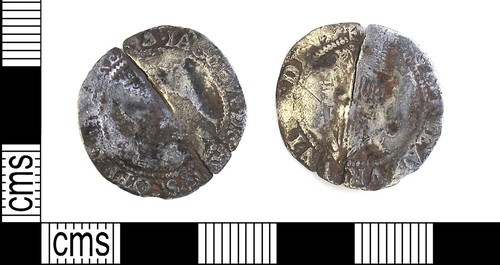
Sixpence of James I
A hammered silver sixpence of James I of England: crowned profile bust with VI value mark, and a dated garnished shield over a cross on the reverse.
Hammered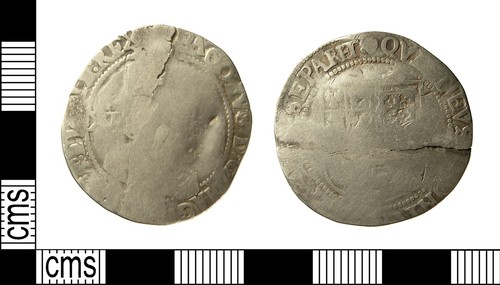
Shilling of James I
Hammered silver shilling of King James I, showing his crowned left-facing bust and a quartered heraldic shield of England, Scotland, Ireland and France.
World Coins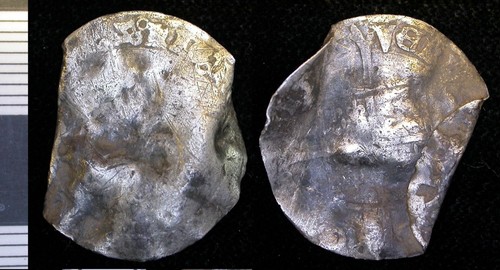
Mary I Groat
Hammered silver fourpence of Mary I (1553-1558), with her crowned bust left and the royal arms over a cross on the reverse.
Hammered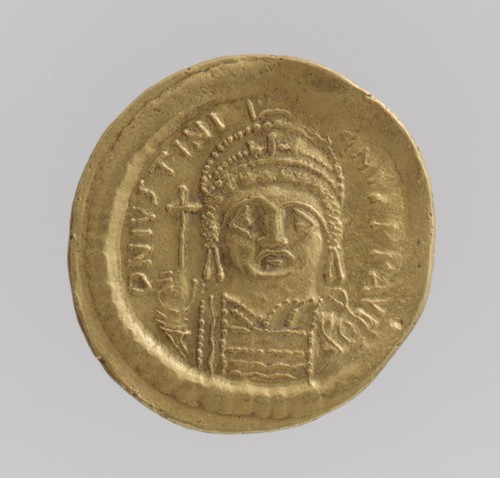
Solidus of Justinian I
Byzantine gold solidus of Emperor Justinian I (527-565 AD), showing his crowned imperial bust with a seated figure on the reverse.
Ancient Coins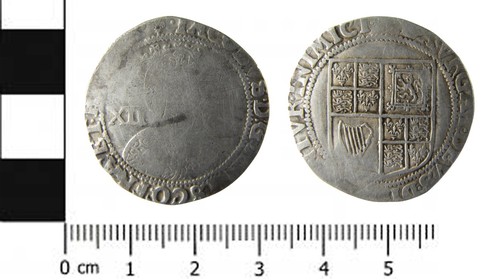
Shilling of Charles I
A hammered silver English shilling of King Charles I, showing his crowned left-facing profile with the value mark XII and a quartered royal shield.
World Coins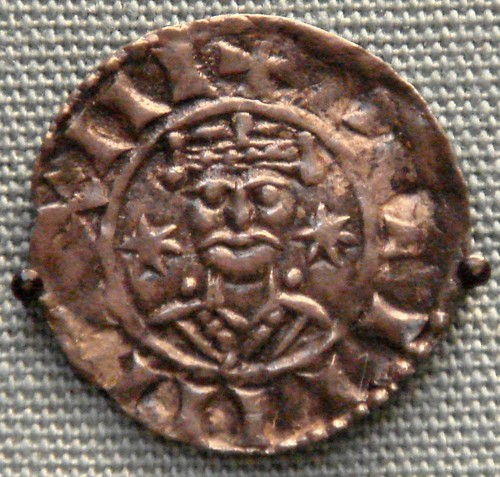
Penny of William I
Hammered silver penny of William the Conqueror, the example showing a profile portrait of the king and a decorated cross reverse, struck circa 1075.
Medieval Coins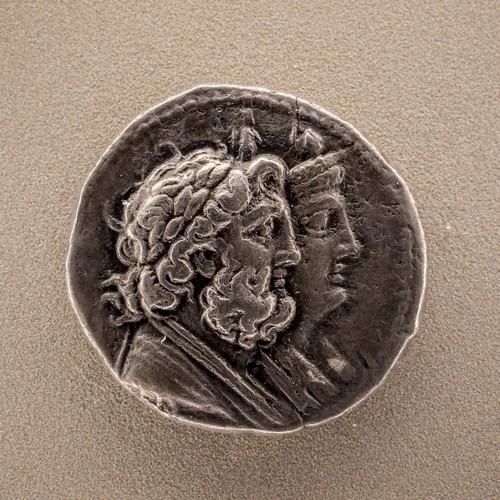
Gold Tetradrachm of Ptolemy II and Arsinoe II
Ptolemaic gold of Egypt, c. 260-240 BC, with paired busts of Ptolemy II and Arsinoe II on one side and Ptolemy I and Berenike I on the other.
Ancient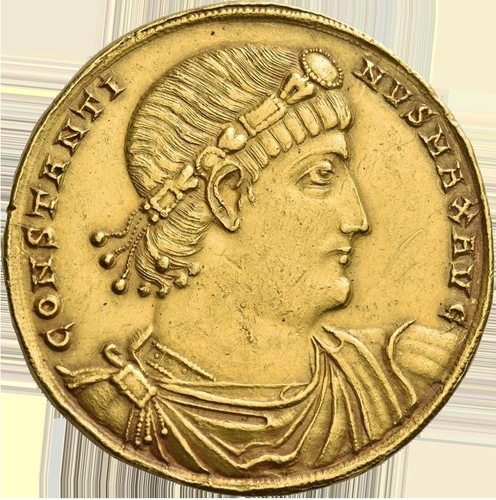
Solidus of Constantine I the Great
Constantine the Great's gold solidus, a high-purity coin struck from about AD 309 that became the standard of late Roman and Byzantine gold.
Ancient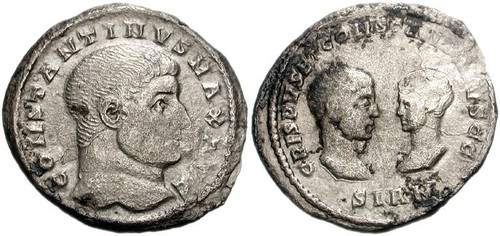
Follis of Constantine I and Crispus
A late-Roman bronze follis linking Constantine the Great to his son Crispus, with the emperor's right-facing portrait and a paired father-and-son bust reverse.
Ancient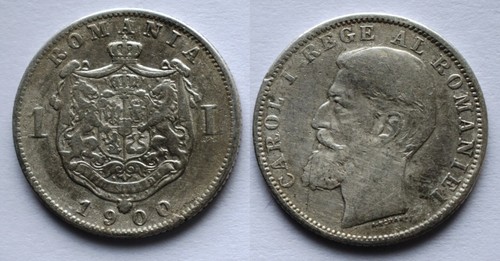
1 Leu (Carol I)
Silver 1 Leu of the Kingdom of Romania under King Carol I, with his left-facing portrait and the crowned national arms, dated 1900.
Modern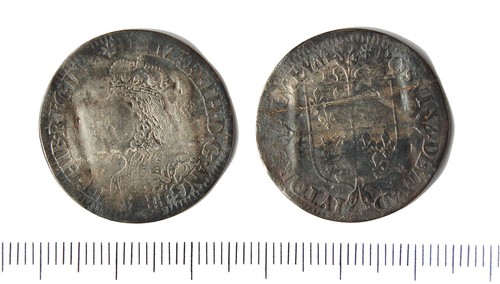
Milled Sixpence of Elizabeth I
An early machine-struck English silver sixpence of Elizabeth I, showing her crowned draped bust with a rose and the royal shield above a date.
Milled