
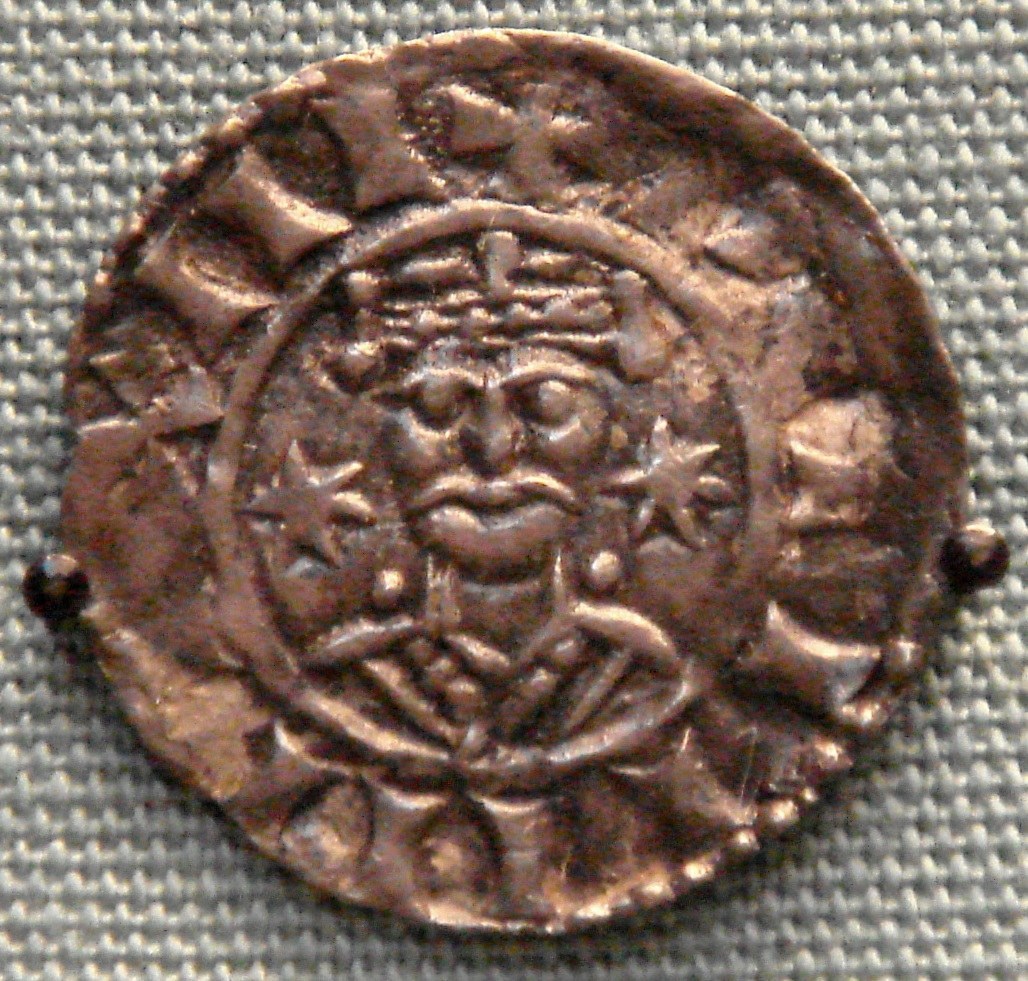
Penny of William I
Hammered silver penny of William the Conqueror, the example showing a profile portrait of the king and a decorated cross reverse, struck circa 1075.
- Country
- England
- Denomination
- Penny
- Metal
- Silver
Got a coin like this?
Identify any coin from a photo, free.
Overview
The Penny of William I is the standard silver coin of England under William the Conqueror, first Norman king of the English. The example shown here carries a profile portrait of the king on the obverse and a cross with decorative elements on the reverse, a design scheme dated to around 1075. It is a thin, broad hammered coin struck on a small flan of good silver, continuing the fabric of the late Anglo-Saxon penny.
Throughout William's reign the penny was effectively the only denomination in circulation, so this coin did the work of an entire currency. Collectors value it as the money of the Norman Conquest itself, and the different portrait styles and cross-based reverses are grouped by numismatists into a sequence of named types issued across the reign.
History & Background
William I took the English throne after his victory at Hastings in 1066 and ruled until 1087. Rather than sweep away the existing money, the Normans inherited and continued the sophisticated late Anglo-Saxon coinage system, keeping the silver penny as the sole regular denomination and maintaining the practice of periodically changing the coin's design across the reign.
Pennies were struck at many mints across England by named moneyers, whose names and mint towns appear in the reverse legend, a system of accountability carried over from before the Conquest. The reverse of this circa-1075 issue is built around a cross with decorative elements, a long-standing motif on English pennies that carried both religious meaning and the practical function of guiding the coin's division into halves and quarters. The penny of William I set the pattern that continued under his son William II and successors.
How to Identify
Look for a thin, broad silver coin roughly 18-20 mm across and light in the hand, typically weighing on the order of about 1.3-1.5 grams, struck by hand so the flan is often slightly irregular or off-center. The obverse shows a profile portrait of William I; the reverse of this type is a cross with decorative elements. Both sides carry Latin legends around the edge.
Read the legends where they survive. The obverse names the king (forms of PILLELM or similar for William), while the reverse gives the moneyer's name and the mint town, so a partly legible reverse can tell you where and by whom the coin was struck. Because the coins were hammered, expect weak areas, uneven borders, and letters that run off the flan; this is normal for the type and not a sign of a problem.
Value & Collectibility
Pennies of William I are genuinely medieval and desirable, and they command meaningful prices even in modest grade, with well-centered, clearly legible examples worth substantially more than worn or clipped pieces. Value is driven strongly by how much of the portrait and legend survives, the completeness of the flan, and the specific type and mint, as some mints and moneyers are much scarcer than others.
Because each coin is individually struck and struck-off flans, cracks, and partial legends are common, prices vary widely and are best judged against recent comparable sales rather than a single figure. Provenance and, for detector finds, lawful reporting under treasure and portable-antiquities rules can also affect both legality and value. Treat any estimate as approximate and confirm with a specialist reference or dealer.
Frequently asked questions
Who was William I on this coin?
William I is William the Conqueror, the Norman duke who became king of England after the Battle of Hastings in 1066 and ruled until 1087. This silver penny was the standard coin of his reign.
What do the two sides show?
The obverse shows a profile portrait of King William I, and the reverse of this circa-1075 type shows a cross with decorative elements. Latin legends run around both sides.
Why is there a cross on the reverse?
The cross was a long-standing motif on English pennies with religious significance, and it also helped when the coin was physically cut into halves and quarters for small change.
What does the reverse writing say?
The reverse legend names the moneyer who struck the coin and the mint town where it was made. On worn examples only part of this may be readable, but it can identify where the coin came from.
Is it real silver?
Yes. Pennies of William I were struck in good silver, continuing the fabric of the late Anglo-Saxon penny. They are thin, broad coins weighing roughly 1.3 to 1.5 grams.
Penny of William I guides
In-depth guides for identifying, valuing, and collecting Penny of William I.
Other coins you may enjoy
Edward IV Ryal
c. 1465-1470
Penny of Offa
c. 757-796 (8th century)
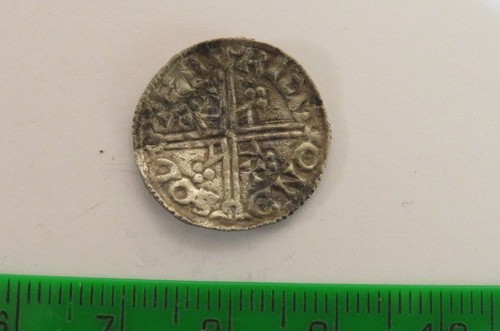
Medieval Penny
c. 8th-15th century
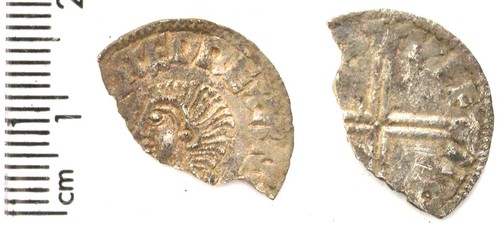
Penny of Aethelred II
978-1013
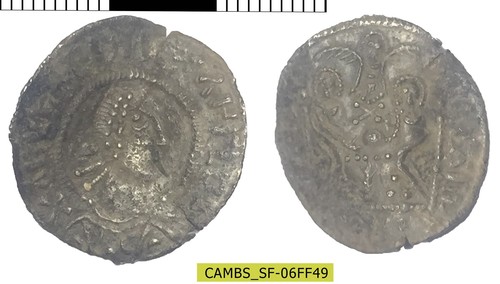
Penny of Alfred the Great
c. 871-899 (late 9th century)
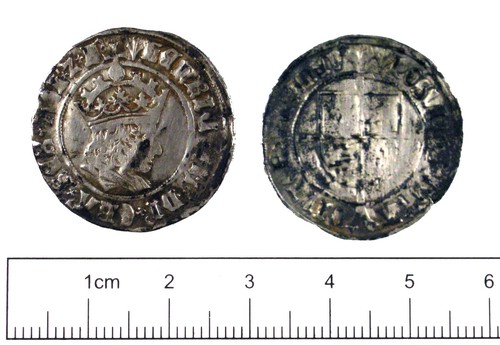
Henry VII Groat
1485-1509
Edward V Angel
1483
Edward IV Half Groat
1461-1483
Penny of Cnut
1024-1030
Henry VII Sovereign
1485-1509
Long Cross Penny
1247-1279 (13th century)
Anglo-Saxon Styca
8th-9th century