
How to Identify the Penny of William I
Practical checks for the Norman silver penny: fabric and size, portrait and cross designs, king and mint legends, look-alikes, and authentication cautions.
Read the full Penny of William I encyclopedia entry →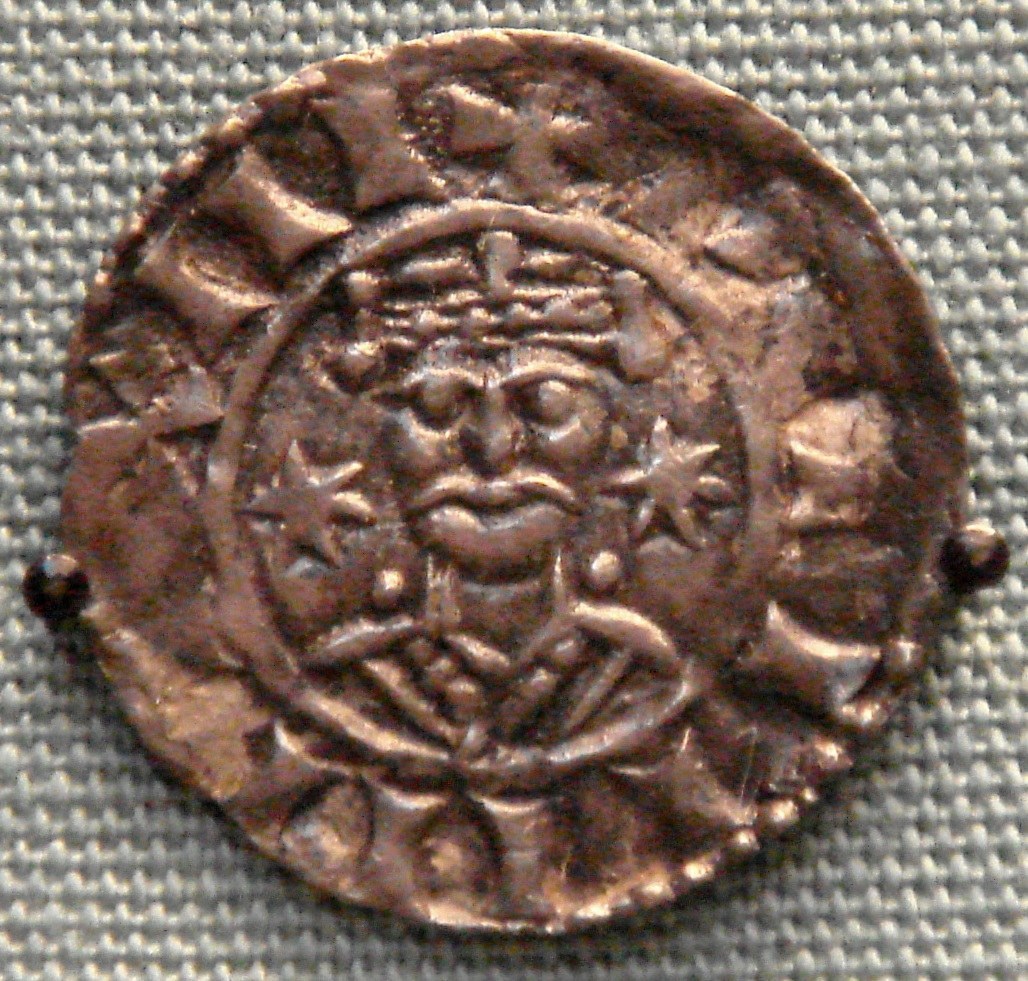
Start with fabric, size, and metal. A penny of William I is a thin, broad hammered silver coin about 18-20 mm across and light in the hand at roughly 1.3-1.5 grams, quite unlike a small thick early coin such as a sceatta or a heavy modern penny. It is struck by hand, so the flan is usually a little irregular and often not perfectly round or centered. If your coin is thick and chunky, or milled with a perfectly even rim, it is not this type.
Read the obverse portrait. This type shows a profile bust of the king facing to the side, surrounded by a Latin legend naming William (look for forms of PILLELM, PILEMVS, or similar, since a doubled V often renders the W sound). The Norman portrait is stylized rather than lifelike, so judge the style and the legend together rather than expecting a realistic likeness.
Work the reverse cross and legend. The reverse is built around a cross with decorative elements; the exact form of the cross and any surrounding symbols define the specific type within the reign. Crucially, the reverse legend gives the moneyer's name and the mint town, so even a partial reading can locate the coin. Matching the cross design and legend layout against a reference is how you pin down the type and mint.
Separate it from look-alikes. Late Anglo-Saxon pennies of Edward the Confessor and Harold II, and later Norman pennies of William II, share the same broad thin silver fabric and cross-based reverses and are easy to confuse; the king's name in the obverse legend is the deciding factor. Cut halfpennies and farthings (coins deliberately cut into fractions) are also common and are genuine, not damage.
Authenticate carefully. Because these coins are valuable, cast and struck forgeries exist. Favor sharp, hand-struck detail with slightly uneven borders over the soft, blurred surfaces and edge seams of casts, and check that diameter and weight fall in the expected range. Legends that run off the flan and weak strike are normal; suspiciously perfect, uniform coins deserve scrutiny. For anything of real value, seek an experienced dealer or specialist opinion, and for finds follow local treasure and reporting rules.
Frequently asked questions
How do I tell a William I penny from a later or earlier one?
Read the king's name in the obverse legend. The broad thin silver fabric and cross reverse are shared with Anglo-Saxon and later Norman pennies, so forms of the name William (PILLELM and similar) are what confirm the reign.
What can the reverse legend tell me?
The reverse names the moneyer and the mint town where the coin was struck. Even a partial reading can identify the mint, and some mints and moneyers are much scarcer and more valuable than others.
Is a coin cut into a fraction damaged or fake?
Neither. Pennies were deliberately cut into halves (halfpennies) and quarters (farthings) to make small change. A cleanly cut fragment of a genuine penny is a real medieval coin, not damage or a forgery.
How can I spot a fake William I penny?
Genuine coins are hand-struck with crisp, slightly uneven detail, while casts look soft and may show seams or bubbles. Check that size and weight fit the type, and get expert help before buying anything expensive.