
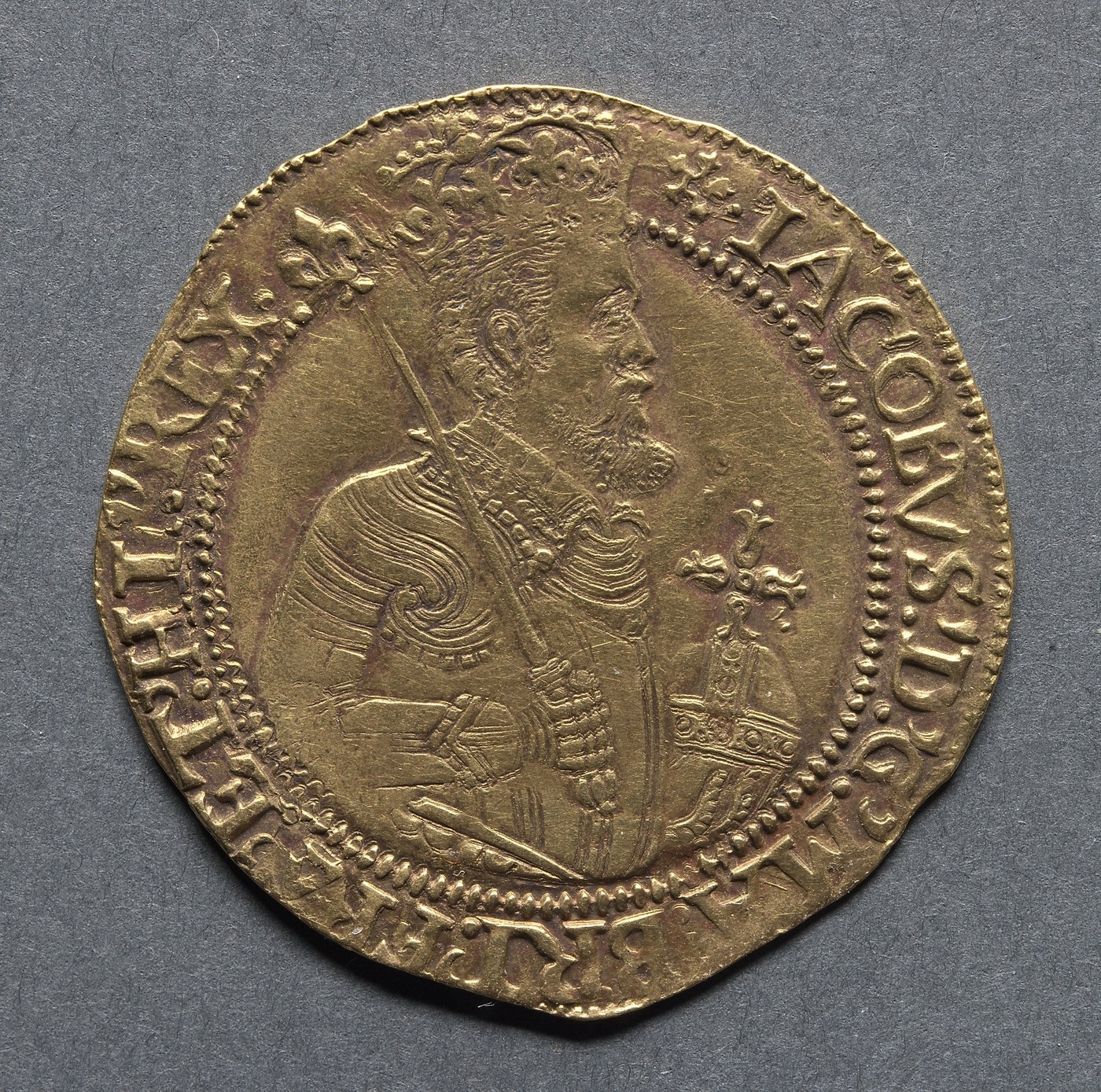
Unite of James I
A hammered gold pound coin of James I, named to celebrate the union of England and Scotland under one crown.
- Country
- England
- Denomination
- Unite
- Metal
- Gold
Got a coin like this?
Identify any coin from a photo, free.
Overview
The Unite of James I is a large hammered gold coin of the English crown, valued at twenty shillings (one pound) when introduced. It takes its name from the union of the crowns of England and Scotland under James, who had ruled Scotland as James VI before succeeding to the English throne in 1603.
The obverse shows a crowned half-length bust of the king in decorated armor, facing right, holding the emblems of sovereignty and encircled by a Latin legend giving his royal titles. The observed example clearly displays this armored, elaborately robed portrait profile. The reverse (not shown here) carries a crowned royal shield with a legend proclaiming the union of his realms.
As the flagship gold denomination of much of the reign, the Unite is one of the most recognisable pieces of early Stuart coinage and a cornerstone coin for collectors of English hammered gold.
History & Background
When James VI of Scotland became James I of England in 1603, he sought to symbolise the joining of the two kingdoms in his coinage. The Unite was introduced in 1604 as part of his Second Coinage, its very name advertising the political union, and its reverse legend — FACIAM EOS IN GENTEM VNAM ("I will make them one nation") — drives the message home.
The coin replaced the earlier sovereign as the principal gold pound piece and was struck at the Tower mint in London. In 1612 the Unite was revalued upward to twenty-two shillings as the market price of gold rose, a common adjustment for gold coins of the period.
Later in the reign, during the Third Coinage from 1619, the Unite was superseded by the Laurel, which showed the king with a Roman-style laureate head. Coins of the whole reign therefore span 1603-1625, with the Unite proper belonging chiefly to the years 1604-1619.
How to Identify
Look for the crowned, armored half-length bust of James facing right, the figure richly dressed and holding an orb and sceptre, ringed by a Latin legend naming James as King of Great Britain, France and Ireland (typically abbreviated forms such as MAG BRIT FRAN ET HIB REX). The British title itself is diagnostic of the post-1603 Stuart coinage.
The reverse, not visible on this image, shows a crowned garnished shield of the quartered royal arms — combining England, Scotland, Ireland and France — with the union legend around it. A mint mark (initial mark) sits at the start of each legend and is the key to dating a given coin within the reign.
The Unite is a broad, thin gold coin of around ten grams, notably larger than the shilling-sized gold fractions. As a hand-struck piece the flan is slightly irregular, the strike may be soft or off-centre, and lettering is not perfectly uniform.
Value & Collectibility
The Unite is among the more available early Stuart gold coins, though as genuine hammered gold of a famous reign it still carries substantial value. Prices are best treated as ranges: heavily worn or damaged examples sit lower, while sharp coins with a full portrait and clear legends command strong premiums.
As contextual guidance rather than a quotation, presentable examples commonly change hands in the low-to-mid four figures (GBP or USD), with choice, well-centred coins and scarcer mint marks reaching higher. Grade, strike, mint mark, and eye appeal drive wide swings.
Because the coin is valuable and forgeries and cast copies of Stuart gold exist, third-party authentication and grading are advisable for any significant purchase. Never value the coin on bullion weight alone — numismatic demand far exceeds its gold content.
Frequently asked questions
Why is it called a 'Unite'?
The name celebrates the union of the crowns of England and Scotland under James, who was already James VI of Scotland when he became James I of England in 1603. The reverse legend even reads 'I will make them one nation.'
How much was a Unite worth?
It was introduced in 1604 valued at twenty shillings (one pound). In 1612 it was revalued upward to twenty-two shillings as the price of gold rose.
What is shown on the coin?
The obverse shows a crowned, armored half-length bust of James facing right with his royal titles. The reverse carries a crowned quartered royal shield with the union legend around it.
What is the difference between a Unite and a Laurel?
Both are gold pound coins of James I. The Unite (from 1604) shows a crowned armored bust; the Laurel, which replaced it in the Third Coinage from 1619, shows a Roman-style laureate head.
Where was the Unite struck?
The Unite was produced at the Tower mint in London. The initial (mint) mark on each coin helps identify the period of striking within the reign.
Unite of James I guides
In-depth guides for identifying, valuing, and collecting Unite of James I.
Other coins you may enjoy
English Sixpence
Early 1600s (James I, 1603-1625)
Sixpence of James I
1603-1625
Thistle Merk
1567–1625
James VI Ryal
1567–1571
Quarter Merk
c. 1580–1691
Sixpence of Elizabeth I
1560–1603
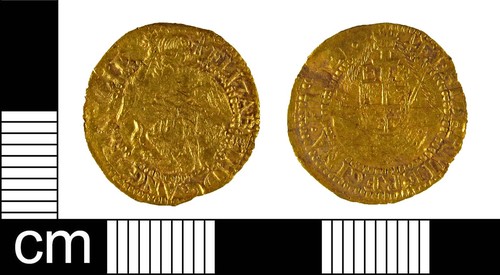
Quarter Angel of Elizabeth I
1581-1583
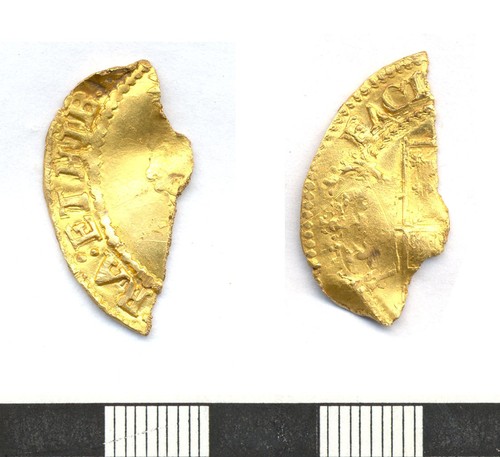
Laurel
1619-1625
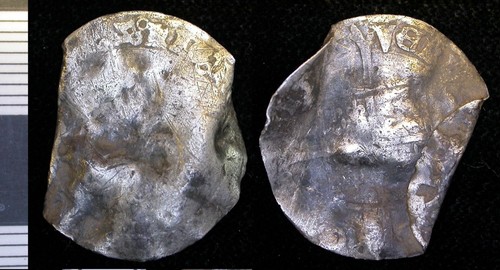
Mary I Groat
1553-1558
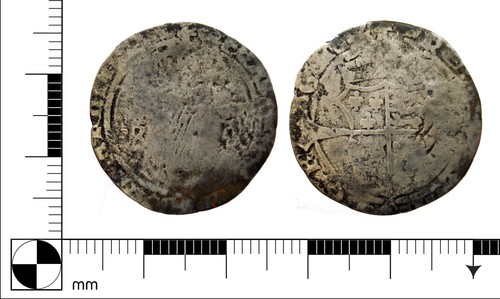
Medieval Coin
c. 500–1500 (Medieval)
Half Thistle Merk
1567-1625
Irish Pistole
1640s (17th century)