
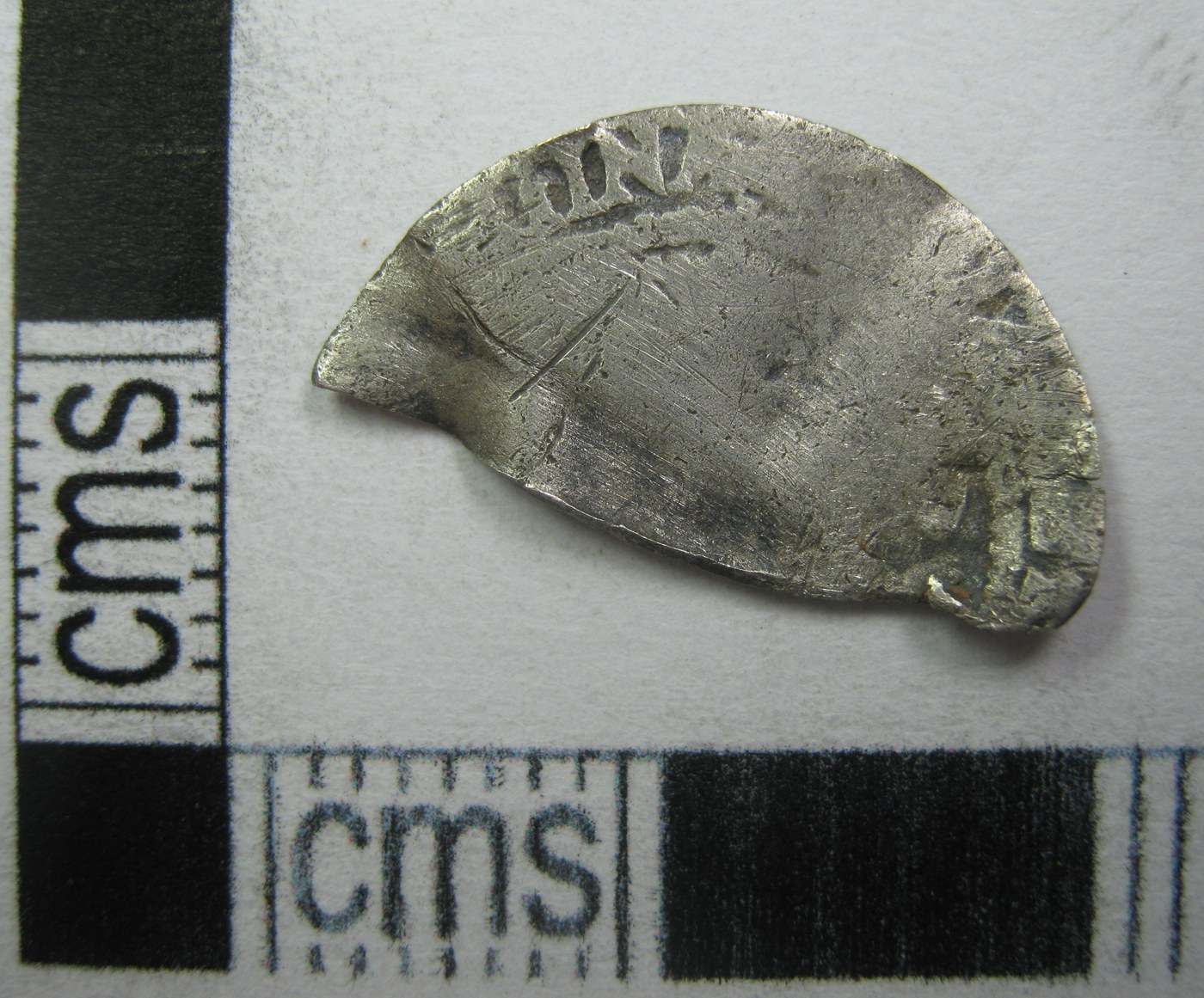
Threepence of Elizabeth I
A hammered silver threepence of Elizabeth I, showing her crowned profile with a rose behind and a dated shield reverse, struck across her long reign.
- Country
- England
- Denomination
- Threepence
- Metal
- Silver
Got a coin like this?
Identify any coin from a photo, free.
Overview
The Threepence of Elizabeth I is a small hammered silver coin of Tudor England, worth three pence. It shows the crowned bust of Queen Elizabeth I in profile on one side and a heraldic shield of the royal arms, quartered by a cross, on the other. It was one of the many silver denominations produced during her long reign from 1558 to 1603.
Like all English coins of the period, it was struck by hand between two dies, so each surviving piece has a slightly irregular flan and its own character. The threepence sat in the middle of Elizabeth's silver series, above the penny, halfgroat and small fractions but below the sixpence, shilling and larger crowns.
The coin is a familiar and collectable Tudor type, valued for its portrait of one of England's most celebrated monarchs and for the dates and mint marks that let collectors place each example within her reign.
History & Background
Elizabeth I inherited a coinage badly debased by the earlier Tudor monarchs, and one of the defining acts of her reign was the great recoinage of 1560–1561, which restored English silver to a reliable fine standard. The threepence was introduced as part of this reformed 'fine' silver coinage, joining new denominations such as the sixpence in giving people a wider range of everyday coins.
The denomination was distinguished from the sixpence and other pieces partly by the rose placed behind the queen's bust, a device that helped an often-illiterate public tell the values apart, and by the date shown above the shield on the reverse. Threepences were struck at the Tower mint in London through much of the reign, though not continuously in every year.
Production spanned Elizabeth's long rule, which ended with her death in 1603, and the coins passed through the hands of ordinary Tudor subjects as ordinary spending money. They remain among the most commonly encountered silver denominations from the period today.
How to Identify
The obverse shows Elizabeth I in left-facing crowned profile, usually with a rose behind her head and a Latin legend naming her as queen running around the edge. The rose is a key diagnostic that separates the threepence and other 'rose' denominations from similar coins that lack it, such as the sixpence's non-rose issues in some years.
The reverse carries a shield of the royal arms overlaid with a long cross whose arms extend to the edge of the coin, with a Latin legend around it. On most threepences a date appears above the shield, and a small mint mark (the initial mark) sits at the start of the legend, both of which help pinpoint the year of striking. The photographed example shows this crowned profile and cross-and-shield pairing clearly.
The coin is small hammered silver with hand-cut lettering and a slightly uneven, sometimes clipped flan. Genuine strikes show the soft, occasionally doubled detail typical of hammered work rather than the crisp uniform edges of machine-made coins.
Value & Collectibility
As a genuine Tudor hammered silver coin more than four centuries old, the Threepence of Elizabeth I is very collectable but not rare, so most examples trade for modest sums rather than large ones. Values are driven by grade, sharpness of the portrait, the specific date and mint mark, and overall eye appeal.
Well-worn but honest examples commonly change hands for low-to-moderate two-figure sums, while sharp, well-centred coins with a clear date and attractive portrait can reach higher two-figure or occasionally low three-figure prices. Scarcer dates and mint marks command a premium, and clipped, holed or badly corroded pieces are worth less.
Anyone valuing a specific coin should compare recent sales of the matching date and mint mark and treat any single quoted figure as context rather than a fixed price.
Frequently asked questions
How can I tell an Elizabeth I threepence from a sixpence?
They share the same basic design, so size and weight are the main guide: the threepence is smaller and lighter than the sixpence. Both typically show a rose behind the bust and a date, so measuring the coin is the reliable test.
What does the rose behind the queen's head mean?
The rose marks the coin as one of the 'fine' silver rose denominations and helped people distinguish values by sight. It is a standard feature of the threepence and does not indicate rarity by itself.
Is the date on the coin the year it was struck?
Yes. Most Elizabeth I threepences carry a date above the shield showing the year of striking, which together with the mint mark helps collectors attribute the coin precisely.
Is it made of real silver?
Yes. After the 1560–1561 recoinage the threepence was struck in good fine silver, a deliberate move away from the debased coinage Elizabeth inherited.
Threepence of Elizabeth I guides
In-depth guides for identifying, valuing, and collecting Threepence of Elizabeth I.
Other coins you may enjoy
English Sixpence
Early 1600s (James I, 1603-1625)
Sixpence of James I
1603-1625
Thistle Merk
1567–1625
James VI Ryal
1567–1571
Quarter Merk
c. 1580–1691
Sixpence of Elizabeth I
1560–1603
Quarter Angel of Elizabeth I
1581-1583
Laurel
1619-1625
Mary I Groat
1553-1558
Medieval Coin
c. 500–1500 (Medieval)
Half Thistle Merk
1567-1625
Irish Pistole
1640s (17th century)