
How to Identify the Threepence of Elizabeth I
A collector's guide to attributing Elizabeth I's hammered silver threepence by its rose, portrait, dated cross-shield reverse and mint marks.
Read the full Threepence of Elizabeth I encyclopedia entry →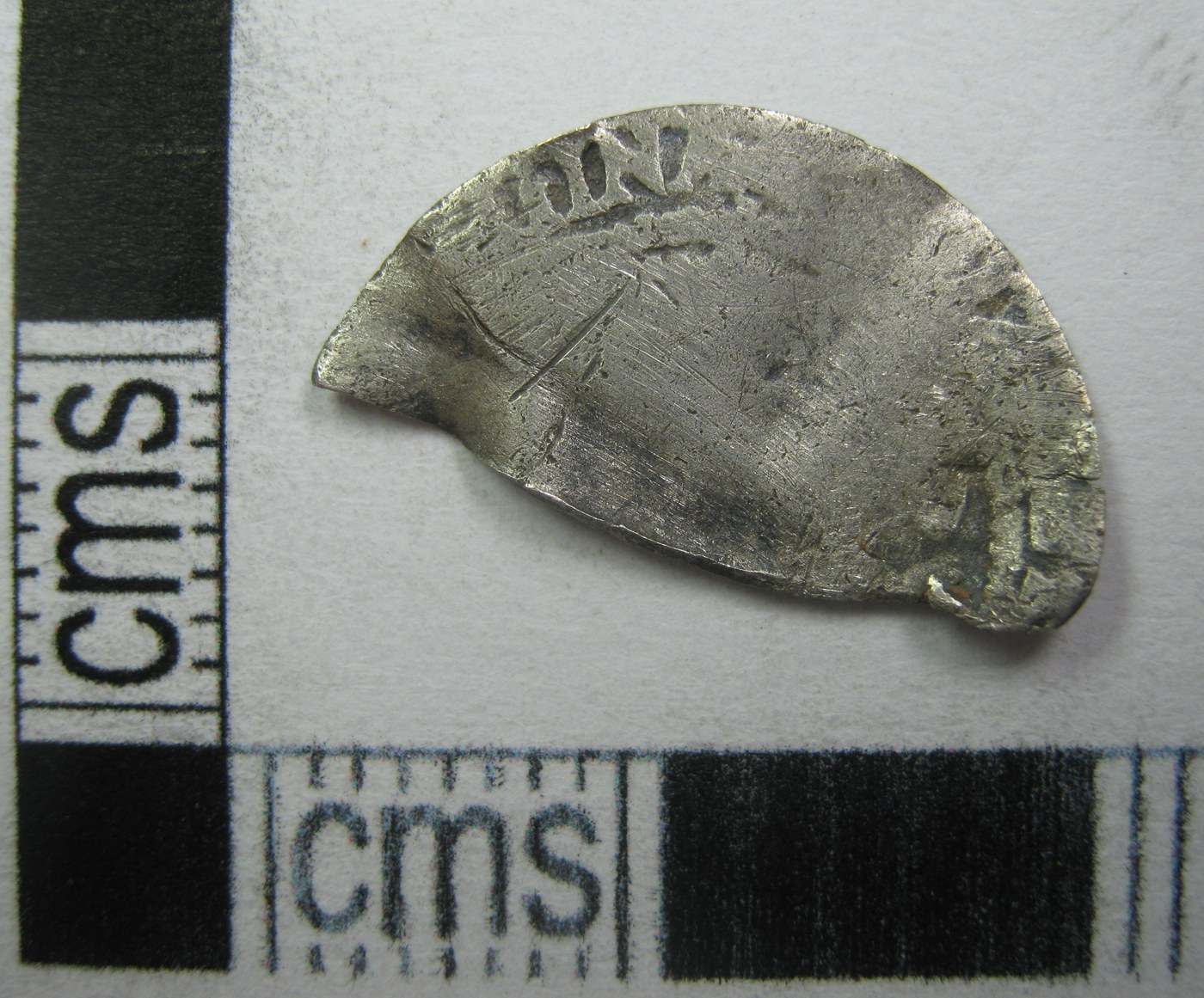
Begin with the portrait side. A threepence of Elizabeth I shows the queen crowned and in left-facing profile, with a Latin legend naming her around the rim. Look for a rose behind her head: this device marks the 'fine' silver rose denominations and is one of the first things to confirm. The lettering is hand-cut, so expect slight unevenness rather than machine-perfect type.
Turn to the reverse to read the shield and cross. The royal arms sit on a shield overlaid by a long cross whose arms reach the edge of the coin, surrounded by a Latin legend. Most importantly, look above the shield for a date, and at the start of the legend for a small mint mark (initial mark). Together the date and mint mark are the single most useful attribution tools, placing the coin within a specific span of the reign.
Measure and weigh the coin, because size is what separates the threepence from its near-identical relatives. The threepence, sixpence and other rose denominations share design but differ in diameter and weight; the threepence is small and light. Compare your measurements against published specifications for the denomination rather than judging by eye alone, since worn coins can be hard to tell apart.
Watch for look-alikes and later imitations. Similar crowned-bust, cross-and-shield silver was struck for other Tudor and Stuart monarchs, so read the legend to confirm it names Elizabeth. Halfgroats and other small silver can resemble the threepence at a glance; the rose, the date and the size are what confirm the type.
Be cautious about authentication and condition. Genuine pieces are hand-struck, with slightly irregular flans and soft, sometimes doubled detail; be wary of casting seams, bubbles, unnaturally smooth fields, or lettering that lacks hand-cut variation. Clipping was common in period, so a badly reduced or non-round flan affects both authenticity confidence and value. For any doubtful or higher-grade coin, consult a specialist in English hammered silver.
Frequently asked questions
Which side is the obverse?
The crowned profile portrait of Elizabeth I is treated as the obverse, and the cross-and-shield with the date is the reverse. Both should be present to confirm the type.
How do I read the date and mint mark?
The date usually appears above the shield on the reverse, and the mint mark is a small symbol at the start of the legend. Cross-reference both against a standard catalogue of Elizabeth I silver to pin down the issue.
Could my coin be a halfgroat or sixpence instead?
Possibly, since they share the design. Measure the diameter and weight and check for the rose and a date; the threepence is smaller and lighter than the sixpence and, unlike the halfgroat, normally carries a date.