
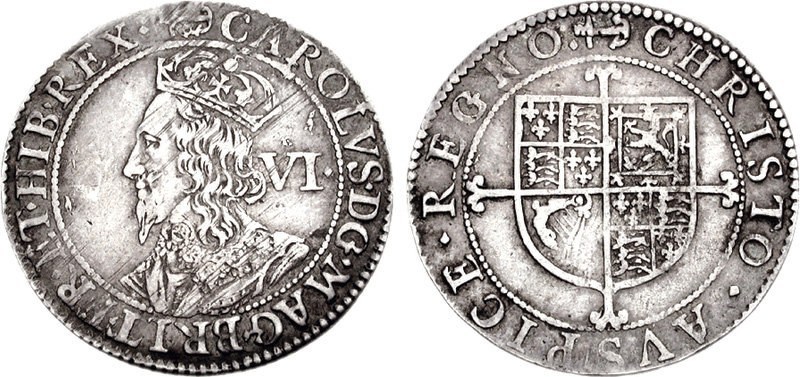
Charles I Sixpence
A hammered Stuart silver sixpence of Charles I, showing his crowned profile bust and a shield of arms, struck during the troubled decade of the English Civil War.
- Country
- England
- Denomination
- Sixpence
- Metal
- Silver
Got a coin like this?
Identify any coin from a photo, free.
Overview
The Charles I Sixpence is a small hammered silver coin of the English Stuart period, struck during the reign of Charles I (1625-1649). The obverse carries a crowned profile bust of the king facing left, with long curled hair, surrounded by an abbreviated Latin legend reading a form of CAROLVS D G BRITT REX ("Charles, by the grace of God, King of Britain"). The reverse shows a heraldic shield of arms with a cross-and-quartering design and floral ornament, encircled by a Latin motto.
As a hammered coin, each piece was struck by hand between two dies, so surviving examples typically have slightly irregular flans, uneven striking, and legends that can be weak or run partly off the edge. Valued at six pence, the sixpence sat between the shilling and the smaller groat and threepence in the silver series.
Because much of Charles I's later coinage was produced during the upheaval of the Civil War (1642-1649), sixpences of this reign are collected both as attractive small Stuart silver and as tangible relics of one of the most turbulent periods in English history.
History & Background
Charles I ruled from 1625 until his execution in 1649, a reign that ended in the English Civil War between the king's supporters and Parliament. His silver coinage, including the sixpence, was struck first at the Tower of London mint under royal control and later, once war broke out, at a series of emergency and provincial mints raised to fund the royalist cause.
The reverse motto observed on this coin is a worn rendering of the wartime "Declaration" legend associated with Charles's cause, referring to the Protestant religion, the laws of England, and the liberty of Parliament. Legends of this kind belong to the propaganda coinage of the 1640s, when both sides used money to assert the legitimacy of their position. Tower issues of the same period more commonly carry the earlier peacetime religious motto, so the exact wording is a useful clue to when and where a given sixpence was made.
Each mint identified its work with an initial mark, or mint mark, placed at the start of the legend, and these marks changed over time. Because the coinage spans peacetime Tower production and hectic wartime striking at scattered locations, the sixpences of Charles I vary considerably in style, quality, and neatness of manufacture.
How to Identify
Begin with the obverse. It shows a crowned bust of Charles I in profile facing left, with the long curled hair characteristic of his portraits, surrounded by a Latin legend naming him as king; on the observed coin this reads as a contracted form such as CARO ... D G BRITT REX. A mark of value, usually a small numeral VI, often appears in the field behind or beside the bust to confirm the sixpence denomination.
Turn to the reverse, which carries a heraldic shield combining the royal arms in a cross-and-quartering arrangement, sometimes with floral or garnished ornament, and a Latin motto around the rim. On this example the motto is a Declaration-type legend referring to religion, the laws of England, and the liberty of Parliament. The legends are abbreviated and, because the coin is hammered, may be partly weak or off-center.
Genuine examples are struck in silver on a small, thin, slightly irregular flan of a diameter and weight appropriate to a sixpence, noticeably smaller than a shilling of the same reign. A mint mark at the beginning of the legend helps pin down the mint and date. Because bust styles, mint marks, and mottoes differ between the Tower and the wartime mints, precise attribution normally relies on matching those details to published references on Charles I coinage.
Value & Collectibility
Value depends on the mint, the type of reverse motto, the strength of strike, and overall condition. Common Tower-mint sixpences in worn grades are an affordable entry into genuine Stuart hammered silver, while sharply struck pieces with full portraits and clear legends, or coins from scarcer Civil War mints, command substantially more.
As with all hammered coinage, eye appeal counts as much as technical grade. A sixpence with a well-centered, complete bust, readable legends, and an identifiable mint mark is worth considerably more than a weakly struck, clipped, or corroded example of the same type. Wartime issues from provincial mints, and coins tied to notable historical events, sit at the higher end of the range.
Because values range widely, from modest sums for heavily worn common pieces to significant amounts for choice or scarce-mint examples, it is wise to confirm authenticity and grade through a specialist dealer or reputable auction record before paying a premium.
Frequently asked questions
How can I tell a Charles I Sixpence from a shilling of the same reign?
The sixpence is a smaller, lighter coin, and it usually carries a mark of value in the field, a small VI, whereas the shilling shows XII. The portrait and legends are similar, so size, weight, and the value numeral are the surest way to separate the two.
What does the reverse motto mean?
The observed reverse is a worn form of the wartime Declaration legend, referring to the Protestant religion, the laws of England, and the liberty of Parliament. It was used on royalist Civil War coinage to assert the legitimacy of Charles's cause.
Why is my sixpence uneven or off-center?
It is a hammered coin, struck by hand between two dies on an irregular blank. Off-center legends, weak areas, and slightly irregular flans are entirely normal for this type and are not by themselves signs of damage or forgery.
Are Charles I Sixpences valuable?
They range widely. Worn common Tower-mint pieces are relatively affordable, while well-struck examples and coins from scarcer Civil War mints can be worth considerably more. Condition, mint, and reverse type drive the price.
Charles I Sixpence guides
In-depth guides for identifying, valuing, and collecting Charles I Sixpence.
Other coins you may enjoy
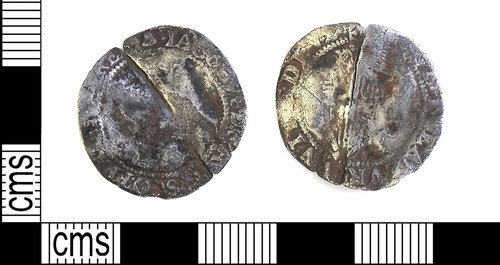
English Sixpence
Early 1600s (James I, 1603-1625)
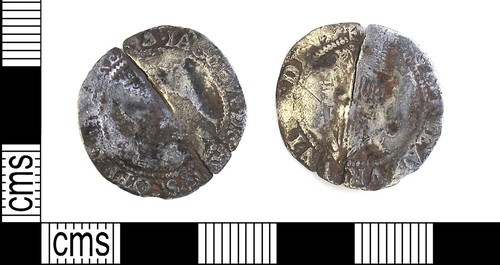
Sixpence of James I
1603-1625
Thistle Merk
1567–1625
James VI Ryal
1567–1571
Quarter Merk
c. 1580–1691
Sixpence of Elizabeth I
1560–1603
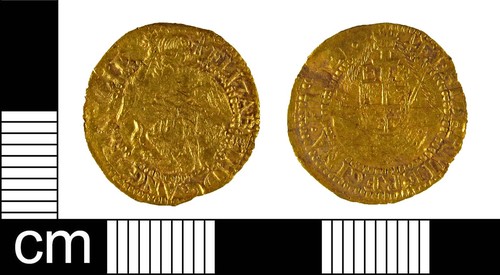
Quarter Angel of Elizabeth I
1581-1583
Laurel
1619-1625
Mary I Groat
1553-1558
Medieval Coin
c. 500–1500 (Medieval)
Half Thistle Merk
1567-1625
Irish Pistole
1640s (17th century)