
Coin Encyclopedia
Search and identify coins from around the world — with country, denomination, metal, mint, history, and how to tell them apart.
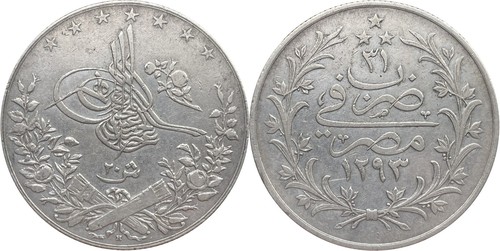
Egypt 20 Qirsh
The 20 qirsh was Egypt's largest silver coin under the Khedivate, bearing the Ottoman sultan's tughra; this example dates to 1905.
World
Egyptian 10 Piastres
A modern Egyptian 10 piastres in cupro-nickel, its face carrying Arabic script framed by geometric ornament and diamond-shaped decorative patterns.
World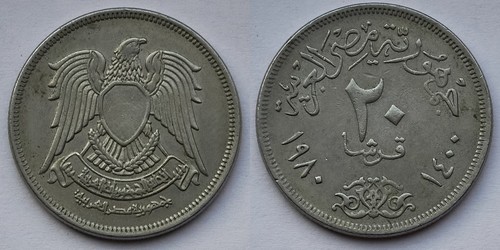
Egyptian 20 Piastres Commemorative
A cupro-nickel Egyptian 20 piastres commemorative dated 1980, with an ornate Arabic calligraphic obverse and a heraldic double-headed eagle reverse.
World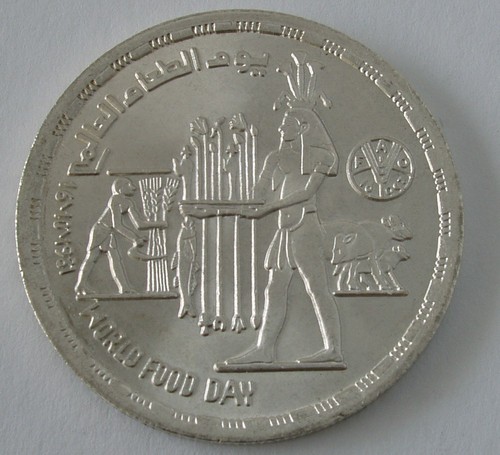
Egyptian 1 Pound
An Egyptian cupro-nickel 1 Pound commemorative marking World Food Day 1981, its reverse showing standing figures with wheat sheaves.
World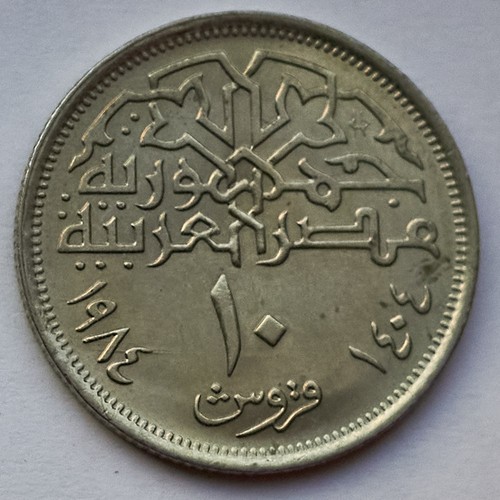
Egyptian 10 Piastres Commemorative
A cupro-nickel Egyptian 10 piastres commemorative dated 1984, showing a domed mosque on one face and Arabic legends throughout.
World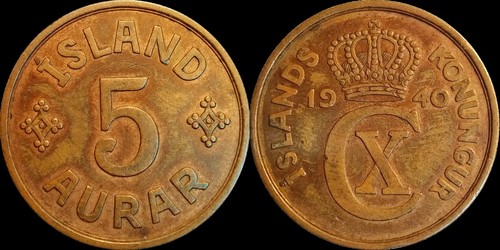
5 Aurar
Icelandic bronze 5 aurar of the Kingdom era, marked ÍSLAND with a crowned KONUNGDÓMUR ÍSLANDS reverse, struck 1926-1942.
World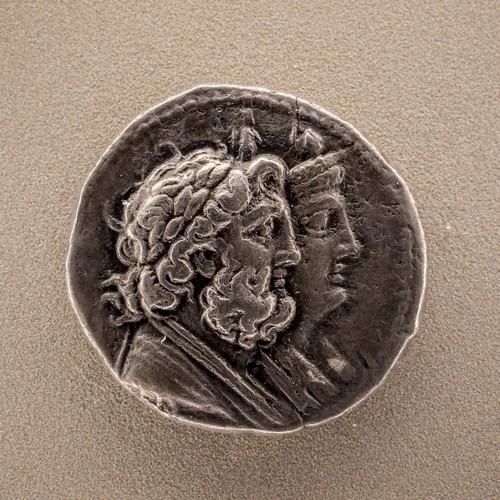
Gold Tetradrachm of Ptolemy II and Arsinoe II
Ptolemaic gold of Egypt, c. 260-240 BC, with paired busts of Ptolemy II and Arsinoe II on one side and Ptolemy I and Berenike I on the other.
Ancient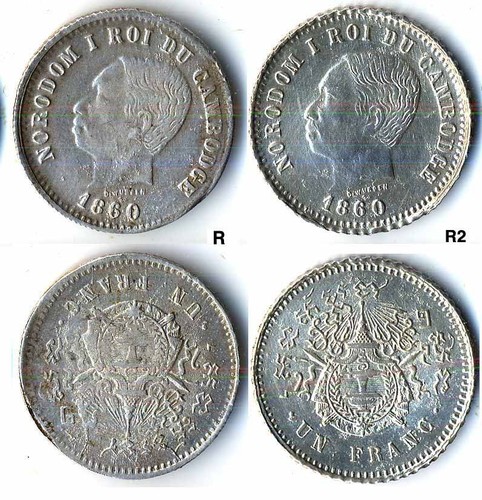
Cambodia One Franc
A mid-20th-century one-franc coin of the Kingdom of Cambodia, its obverse bearing a royal Norodom profile and its reverse a heraldic coat of arms.
Southeast Asia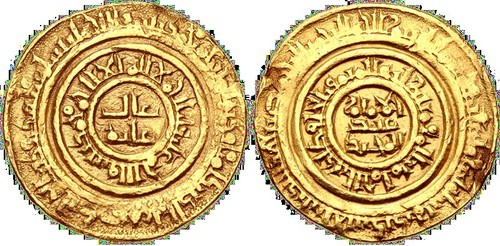
Gold Dinar of al-Hafiz li-Din Allah
A hand-struck Fatimid gold dinar of the caliph al-Hafiz li-Din Allah, carrying only Arabic calligraphy in concentric ring borders and dated AH 544.
Islamic (Medieval)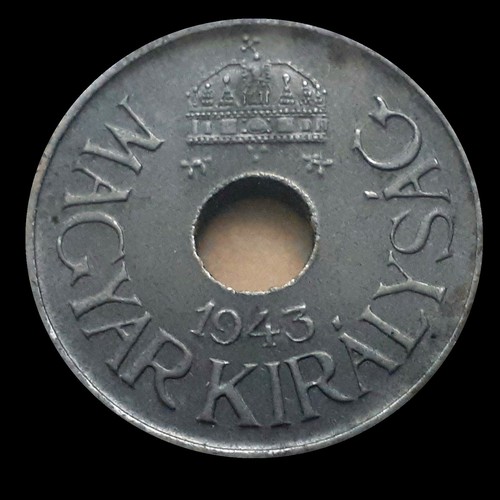
20 Fillér
An early 20th-century Hungarian 20 fillér, a small base-metal coin showing the crowned Hungarian coat of arms and the FILLÉR minor denomination.
Modern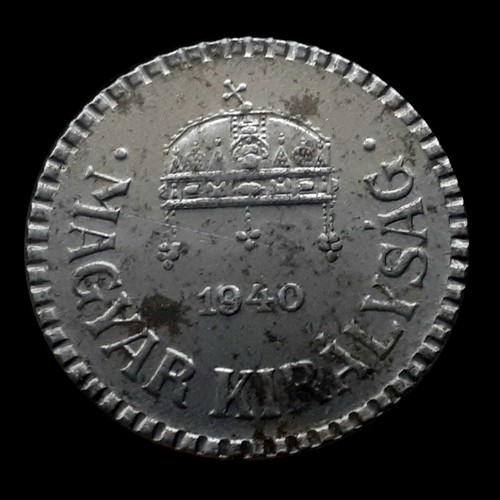
2 Fillér
A small early-20th-century Hungarian 2 fillér in copper-based bronze, showing the crowned Hungarian coat of arms on the obverse and the value with date on the reverse.
Modern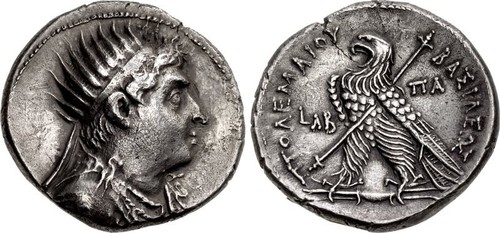
Tetradrachm of Ptolemy VIII
Silver tetradrachm of Ptolemy VIII of Egypt, c. 170-116 BC, with a diademed royal head on the obverse and an eagle on a thunderbolt reverse.
Ancient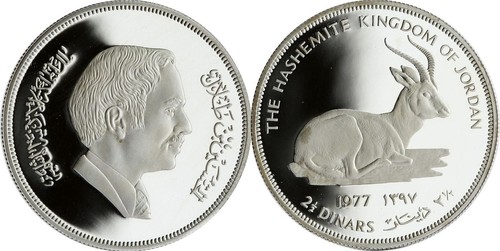
Jordanian 2½ Dinars
A crown-sized 1977 silver commemorative of the Hashemite Kingdom of Jordan, pairing King Hussein's portrait with a standing gazelle from the wildlife-conservation coin theme.
World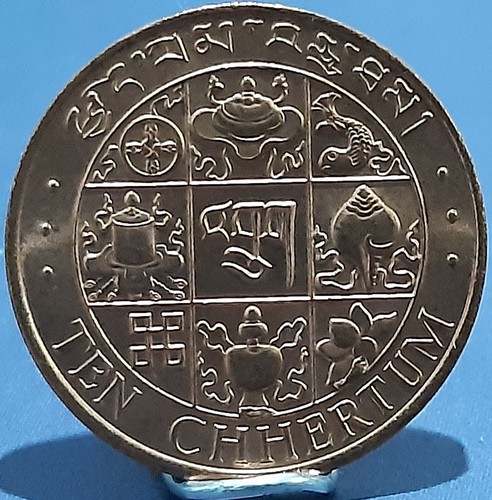
Bhutan 10 Sengtrum
A 1979 cupro-nickel minor coin of the Kingdom of Bhutan, worth one-tenth of a ngultrum, with the national arms on one face and an ornamental gateway on the other.
Himalayan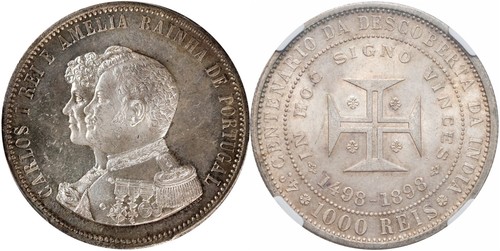
1000 Reis (Discovery of India)
A late Kingdom of Portugal 1000 Reis of the Carlos I period, showing a king's right-facing profile and the crowned Portuguese royal arms on the reverse.
Modern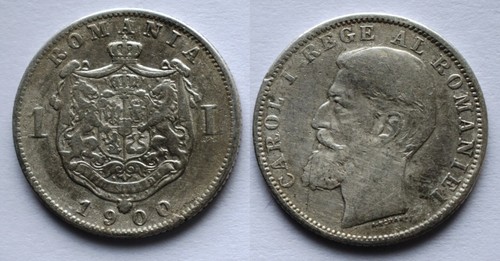
1 Leu (Carol I)
Silver 1 Leu of the Kingdom of Romania under King Carol I, with his left-facing portrait and the crowned national arms, dated 1900.
Modern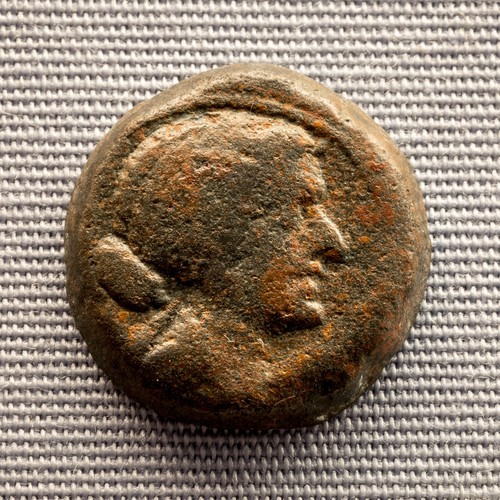
Bronze Coin of Cleopatra VII
Ptolemaic bronze coin of Cleopatra VII of Egypt, 51-30 BC, showing her draped diademed bust in profile as sole named female ruler of the dynasty.
Ancient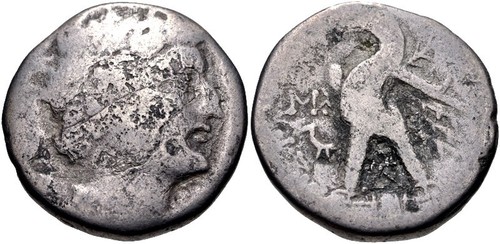
Tetradrachm of Ptolemy XII
Silver tetradrachm struck under Ptolemy XII of Egypt, father of Cleopatra VII, bearing a diademed royal Ptolemaic head and the dynasty's eagle-on-thunderbolt reverse.
Ancient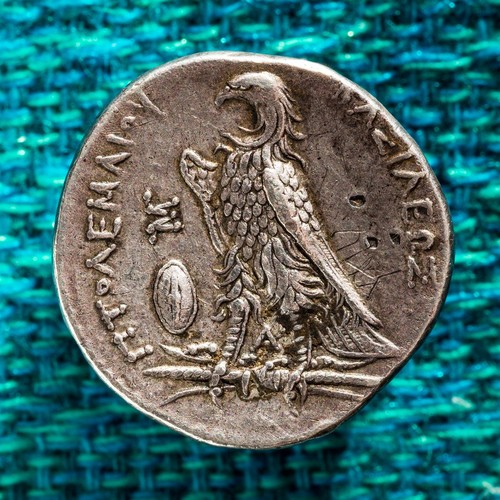
Tetradrachm of Ptolemy I
Silver tetradrachm of Ptolemy I Soter of Egypt, c. 305-283 BC, with his diademed portrait and the Ptolemaic eagle standing on a thunderbolt.
Ancient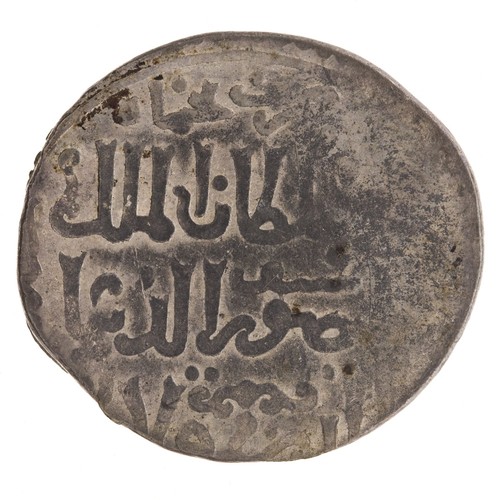
Silver Dirham of Sultan Qalawun
A hand-struck Mamluk silver dirham of Sultan Qalawun of Egypt, covered on both faces with Arabic calligraphy and struck AD 1279–1290.
Islamic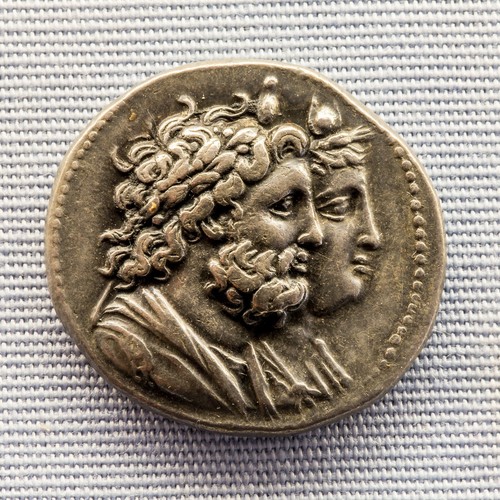
Tetradrachm of Ptolemy IV
Silver tetradrachm of Ptolemy IV Philopator, 221-204 BC, with the jugate busts of Sarapis and Isis on the obverse and an eagle on a thunderbolt on the reverse.
Ancient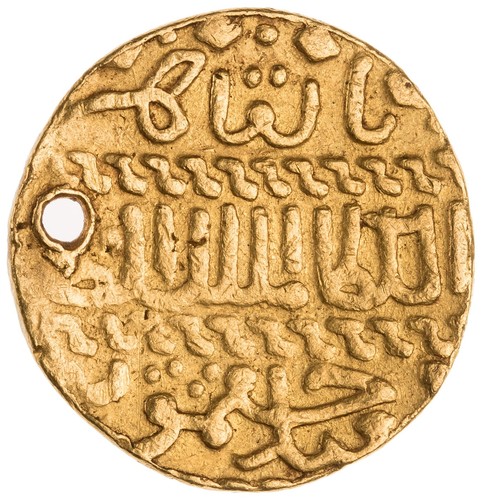
Gold Dinar of Jaqmaq
A hand-struck Mamluk gold dinar of Sultan al-Zahir Jaqmaq (r. 1438-1453 CE), covered in Arabic calligraphy with no figural imagery; this example is pierced.
Islamic (Medieval)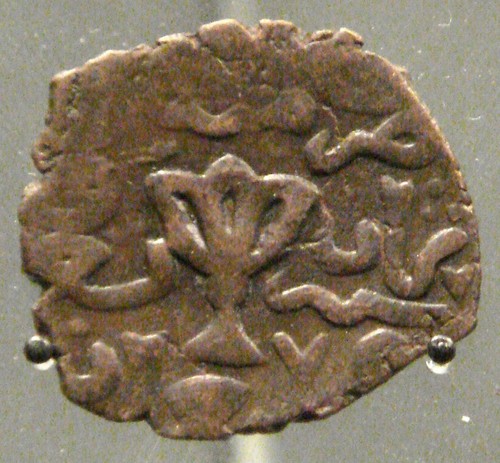
Copper Fals of Barquq
A hand-struck Mamluk copper fals of Sultan Barquq, struck at Damascus (1382–1389 CE), covered entirely in Arabic calligraphy with no figural imagery.
Islamic (Medieval)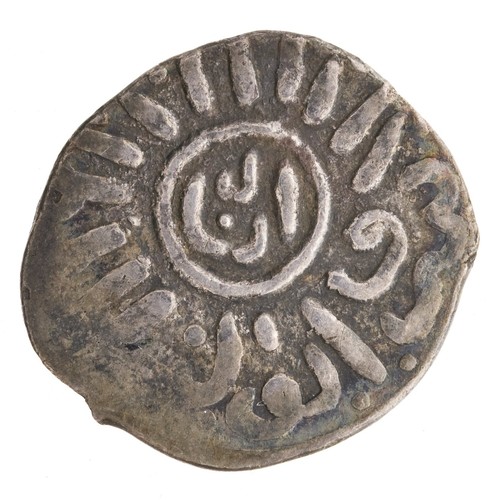
Silver Dirham of Sayf ad-Din Inal
A thin Mamluk silver dirham of Sultan al-Ashraf Sayf ad-Din Inal (r. 1453–1461), covered on both faces with Arabic inscriptions naming the sultan and his titles.
Islamic