
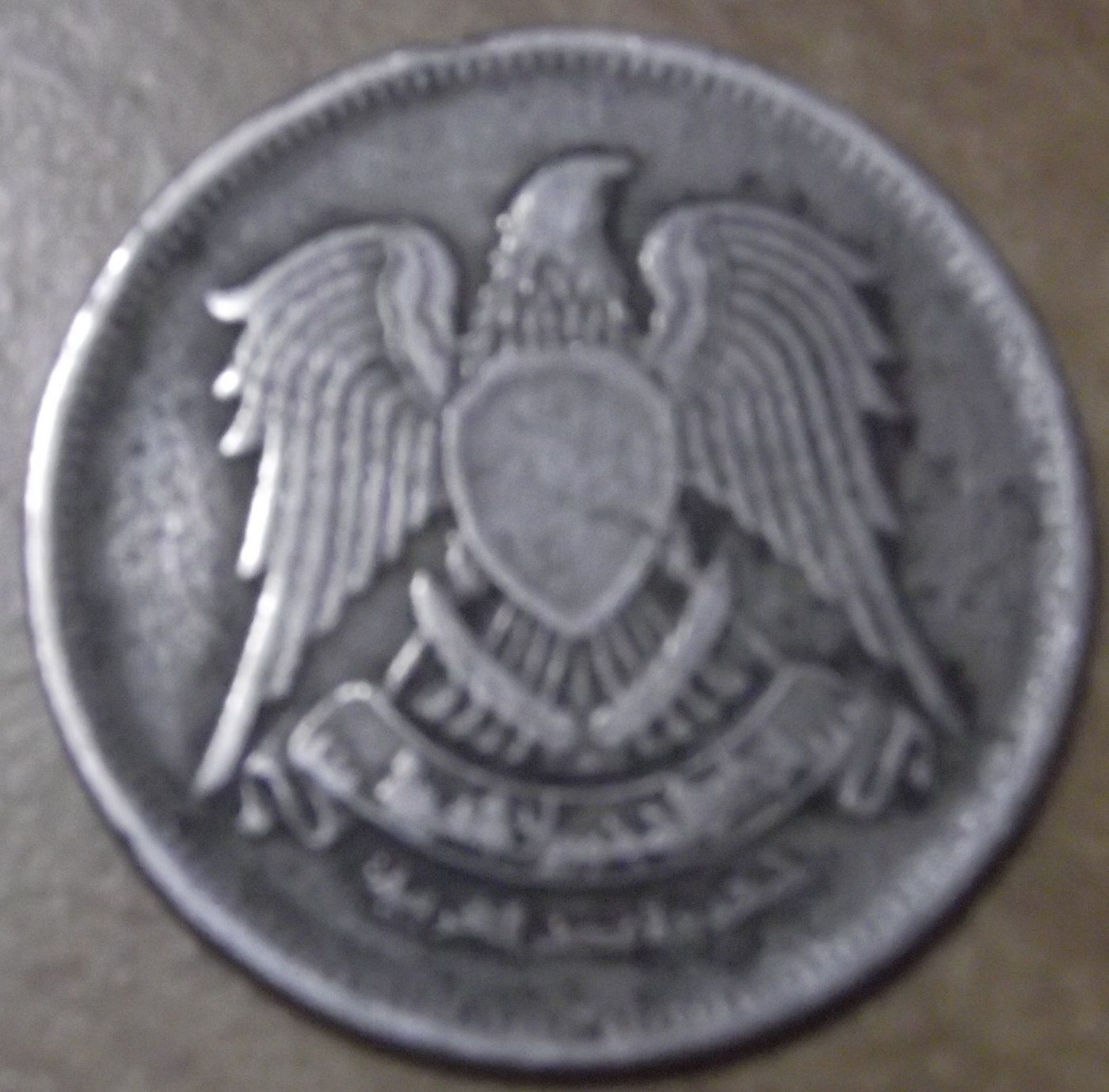
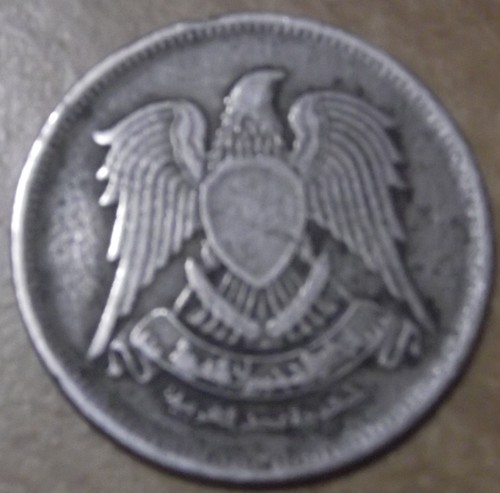
Egyptian 10 Piastres
A modern Egyptian 10 piastres in cupro-nickel, its face carrying Arabic script framed by geometric ornament and diamond-shaped decorative patterns.
- Country
- Egypt
- Denomination
- 10 Piastres
- Metal
- Cupro-nickel
Got a coin like this?
Identify any coin from a photo, free.
Overview
The Egyptian 10 piastres is a mid-range denomination of the modern Egyptian pound system, in which 100 piastres (qirsh) make up one pound. The example shown here is struck in cupro-nickel, a silvery-gray base-metal alloy used for Egypt's circulating coinage in the later 20th century, and its visible face is entirely calligraphic and decorative, with Arabic inscriptions set among geometric ornament and diamond-shaped motifs.
Modern Egyptian coinage in this style follows an Islamic decorative tradition rather than using a portrait: the design relies on Arabic legends giving the country name and the value, arranged with borders, panels, and stylized geometric patterns. The denomination of ten piastres placed it as everyday circulating money, above the small change but below the pound itself.
Because only one face is shown in these photographs, the coin is identified here from its obverse ornament and Arabic script together with its cupro-nickel fabric; the opposite face would normally carry the balance of the legends, the value, and the date.
History & Background
Egypt reorganized its currency over the 20th century around the pound divided into 100 piastres, and the piastre (qirsh) remained the country's principal small unit. As the Arab Republic of Egypt issued circulating coinage through the later decades of the century, base-metal alloys such as cupro-nickel were used for the middle denominations, including the 10 piastres, in place of the silver used in earlier eras.
Egyptian coins of this period favored calligraphic and geometric designs drawn from Islamic decorative art. Rather than a monarch's or leader's portrait, the coins present Arabic inscriptions framed by ornamental borders and repeating geometric figures, a style seen across many of Egypt's modern circulation and commemorative pieces.
The 10 piastres appeared in more than one design and metal across the modern era, with cupro-nickel among the alloys used before later issues moved toward other base metals. The result is a family of similar-looking coins that share Arabic legends and geometric ornament but differ in detail, metal, and date.
How to Identify
On the face shown, the key features are Arabic script combined with geometric decorative patterns and diamond-shaped motifs, with no portrait or Latin lettering. The legends, read in Arabic, name the issuing state and state the value; the value of ten piastres and the date would be confirmed by reading the Arabic numerals and words rather than from the ornament alone.
The coin is cupro-nickel: a silvery-gray, non-magnetic base metal that is lighter and less bright than silver. That fabric, together with the modern geometric styling, distinguishes it from Egypt's earlier silver piastre coinage and from higher-value pound denominations. The reverse (not visible in these photographs) would normally carry the remaining legends, the numeral of value, and the dual date.
Because Egypt used similar Arabic-and-geometric designs across several denominations and dates, the surest identification comes from reading the denomination and date in the Arabic legend and matching the specific design and metal to a standard reference for modern Egyptian coinage, rather than from the general decorative appearance.
Value & Collectibility
As a modern base-metal circulating coin, the Egyptian 10 piastres is an inexpensive collector item rather than a bullion piece. Common dates in circulated condition trade for small amounts, and even uncirculated examples are modestly priced, with condition and eye appeal accounting for most of the difference in value.
Scarcer dates, particular design varieties, or high-grade uncirculated pieces can carry a small premium, and coins retained in original mint or set packaging may bring slightly more. Worn, cleaned, or damaged examples sit at the low end.
Because values depend on the specific date, variety, and grade, any single figure is best treated as a general guide rather than a fixed price. For an exact attribution and valuation, compare the coin's Arabic date and design against a catalog of modern Egyptian coinage.
Frequently asked questions
What is the Egyptian 10 piastres?
It is a mid-range denomination of modern Egyptian coinage, equal to ten piastres (qirsh), with 100 piastres making one Egyptian pound. This example is struck in cupro-nickel for everyday circulation.
Is 'piastres' the same as 'qirsh'?
Yes. Qirsh is the Arabic term and piastre the European term for the same Egyptian unit, so a 10 piastres coin is also called a 10 qirsh coin.
Why is there no portrait, just Arabic script and patterns?
Modern Egyptian coins follow an Islamic decorative tradition, using Arabic calligraphy and geometric ornament — including the diamond-shaped and paneled motifs seen here — instead of a portrait.
Is this coin made of silver?
No. This example is cupro-nickel, a silvery-gray base-metal alloy with no precious-metal content. It is lighter and less bright than the silver piastre coins Egypt struck in earlier eras.
Is it valuable?
As a modern base-metal circulating coin it is generally inexpensive. Value depends mainly on date, design variety, and condition, with scarcer dates and high grades bringing small premiums.
Egyptian 10 Piastres guides
In-depth guides for identifying, valuing, and collecting Egyptian 10 Piastres.
Other coins you may enjoy
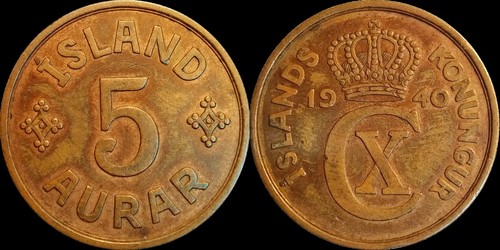
5 Aurar
1926-1942
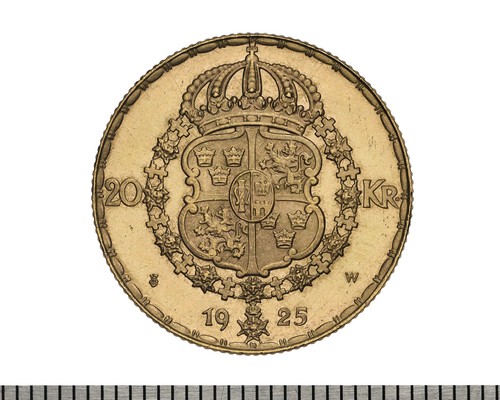
20 Kronor
1925 (denomination struck 1873-1925)
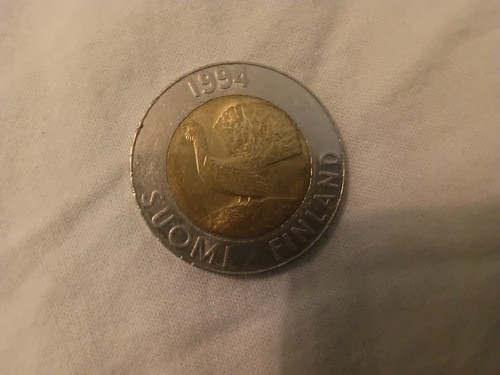
10 Markka
1993–2001
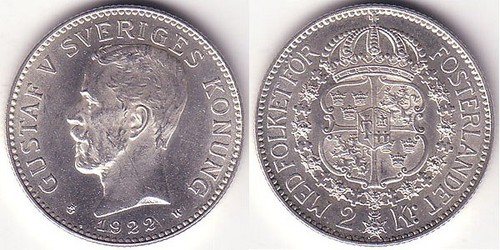
2 Kronor
1910-1940 (this example dated 1922)
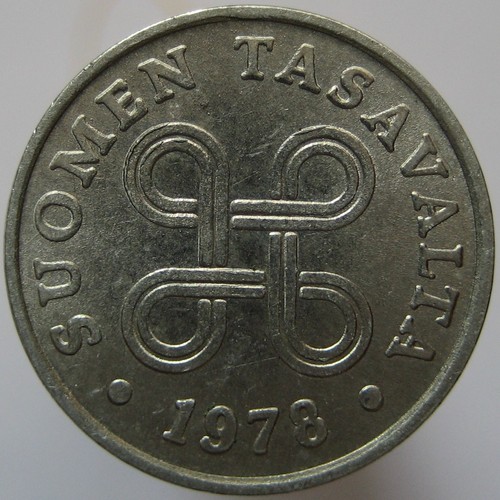
1 Penni
1969–1979
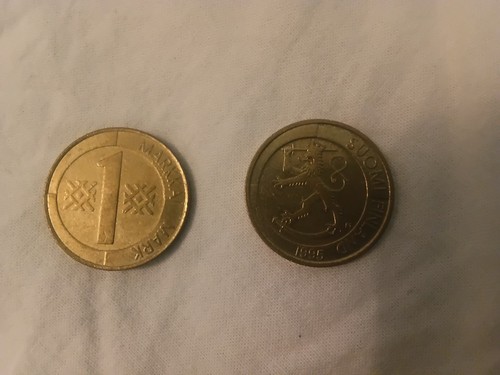
1 Markka
1993–2001
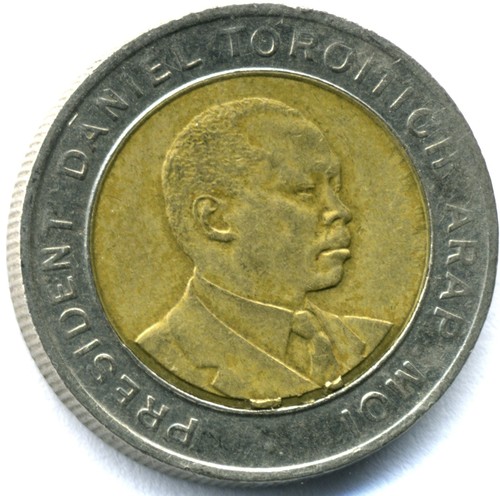
Kenya 5 Shillings
Bimetallic issues (2005–2010)
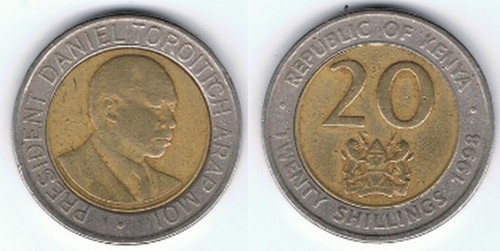
Kenya 20 Shillings
Modern issue (late 1990s–2000s)
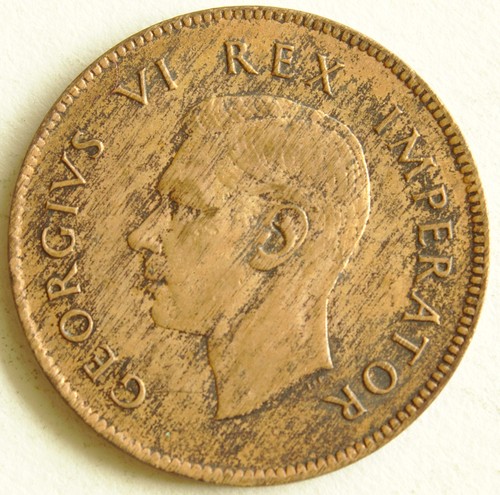
South Africa Farthing
1923-1960
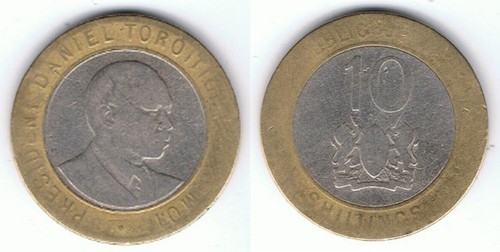
Kenya 10 Shillings
Republic of Kenya, bimetallic issues (mid-1990s to c. 2010)
Gold Sovereign
1817–present
Henri V Five Francs
1831