
How to Identify the Egyptian 10 Piastres
A collector's guide to identifying the modern Egyptian 10 piastres by its Arabic legends, geometric ornament, cupro-nickel fabric, and look-alikes.
Read the full Egyptian 10 Piastres encyclopedia entry →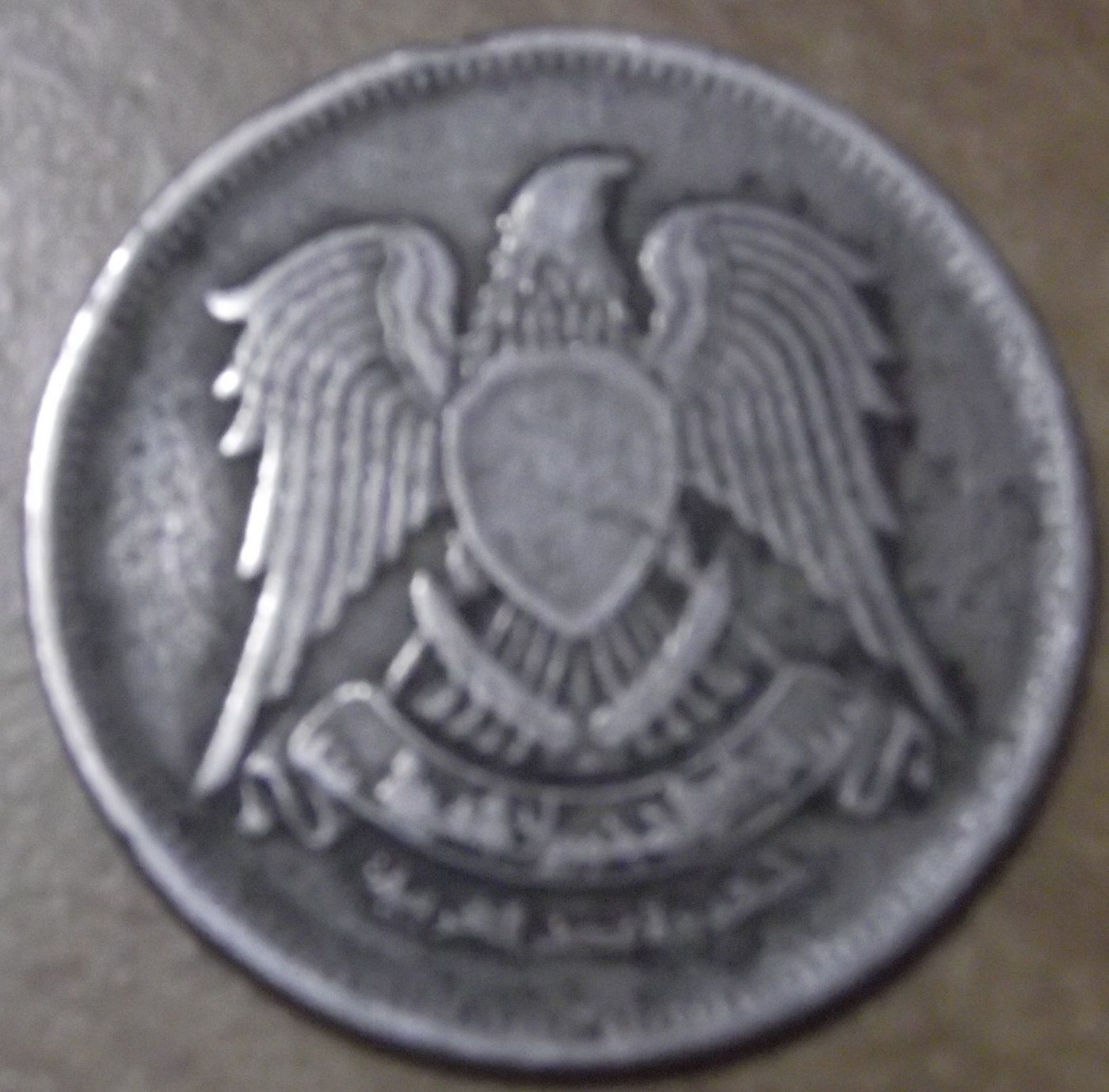
What This Coin Is
The Egyptian 10 piastres is a modern circulating denomination of the Arab Republic of Egypt, worth ten piastres (qirsh) within the 100-piastre pound. Identifying one starts with recognizing an all-calligraphic coin: Arabic script arranged with geometric ornament and diamond-shaped decorative panels, with no portrait and no Latin lettering. The piece shown here is struck in cupro-nickel.
Reading the Design
The visible face combines Arabic legends with repeating geometric patterns and diamond motifs. Rather than treating the ornament as generic decoration, read the Arabic text: it should name the issuing state and state the value. The numeral for ten and the word for piastres, together with the date, are the elements that actually pin down the denomination — the geometric styling alone is shared across several Egyptian coins.
Metal, Size, and Fabric
This is a cupro-nickel coin: silvery-gray, non-magnetic, and lighter and duller than silver. That fabric is a useful first check, because Egypt's earlier piastre coins were silver and feel heavier and brighter in hand. Weigh and measure any candidate and compare the figures against a reference for the specific 10 piastres type, since Egypt issued the denomination in more than one design and metal over time.
Reading the Date
Modern Egyptian coins commonly carry a dual date — the Islamic Hijri year and the Gregorian year — written in Arabic numerals. Locating and reading that date is the reliable way to separate one issue from another, because visually similar geometric designs were used across different years. If the ornament matches but the date differs, you are looking at a related but distinct coin.
Look-Alikes and Authentication Cautions
Other modern Egyptian denominations use the same Arabic-and-geometric styling and can be confused with the 10 piastres if the value is not read, so always confirm the denomination in the legend and check diameter and weight. Later 10 piastres issues struck in other base metals can also resemble this cupro-nickel type. As a low-value circulating coin, it is rarely faked, but watch for cleaned or corroded surfaces, and confirm any uncertain attribution against a standard catalog of modern Egyptian coinage rather than by appearance alone.
Frequently asked questions
How do I confirm this is a 10 piastres and not another Egyptian coin?
Many modern Egyptian coins share the Arabic-and-geometric look, so read the value in the Arabic legend and measure the coin. The denomination stated in the script, not the ornament, is what identifies it as 10 piastres.
How can I tell it is cupro-nickel and not silver?
Cupro-nickel is lighter, non-magnetic, and duller silvery-gray, while silver is heavier and brighter. Weigh the coin and compare against catalog figures; Egypt's silver piastre coins belong to earlier eras.
Where do I find the date on this coin?
Modern Egyptian coins usually carry both a Hijri and a Gregorian year in Arabic numerals. Locate and read that dual date to separate one issue from another, since similar designs span several years.
Is the geometric pattern a clue to the specific issue?
It helps narrow the family, but similar geometric and diamond motifs appear on multiple Egyptian coins. Use the pattern together with the value and date to match the piece to a specific catalog entry.