
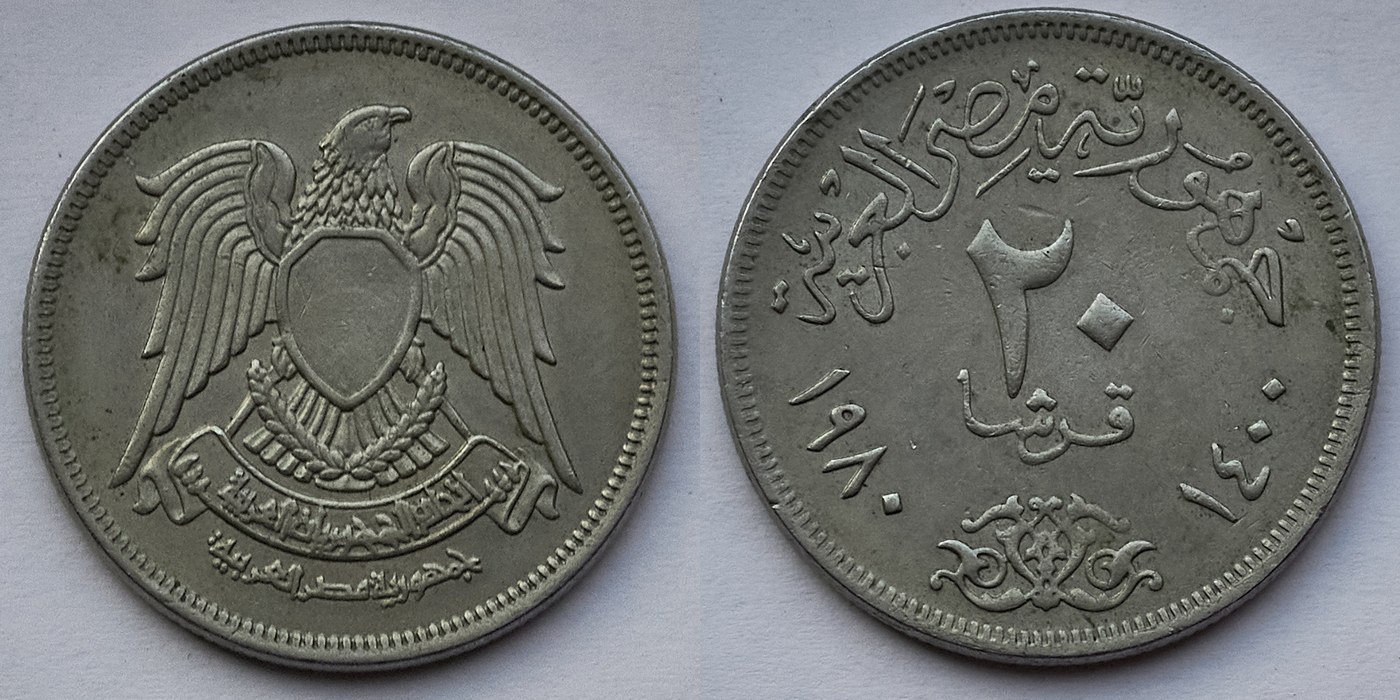
Egyptian 20 Piastres Commemorative
A cupro-nickel Egyptian 20 piastres commemorative dated 1980, with an ornate Arabic calligraphic obverse and a heraldic double-headed eagle reverse.
- Country
- Egypt
- Denomination
- 20 Piastres
- Metal
- Cupro-nickel
Got a coin like this?
Identify any coin from a photo, free.
Overview
The Egyptian 20 piastres commemorative is a mid-size cupro-nickel coin issued as part of Egypt's modern circulating and commemorative coinage. This example is dated 1980 and pairs an ornamental Arabic calligraphic design on one face with a heraldic eagle on the other.
Unlike Egypt's earlier silver 20 qirsh, this later 20 piastres piece is struck in cupro-nickel, a hard silver-colored base-metal alloy used across much of Egypt's 20th-century coinage. It carries no portrait; the design is entirely calligraphic and heraldic, in keeping with the wider tradition of modern Egyptian and Islamic coinage.
Coins of this type are collected both as examples of modern Egyptian numismatics and as affordable world-coin representatives of Egypt's national emblems and Arabic script.
History & Background
By the second half of the 20th century Egypt had moved away from silver for everyday coinage and issued its middle and higher denominations in cupro-nickel and other base-metal alloys. The piastre (qirsh) remained the working subdivision of the Egyptian pound, and the 20 piastres sat among the larger circulating denominations of the era.
During this period Egypt regularly issued commemorative coins marking national anniversaries, institutions, and events, often reusing standard denominations such as the 20 piastres for special designs. A 1980 dating places this coin in that active commemorative program of the late 1970s and early 1980s. The precise event a given piece marks is read from its Arabic legends rather than assumed from the denomination alone.
The heraldic eagle used on Egyptian coinage derives from the national arms adopted after the mid-century republic, a symbol of Egyptian statehood that appears across the country's coins, notes, and official emblems.
How to Identify
The obverse shown here is filled with ornate Arabic calligraphy set within a decorative frame, with no portrait or figure — the legends carry the denomination, date, and any commemorative wording. The reverse displays a heraldic double-headed eagle bearing a shield on its breast, the central device of the coin.
The piece is struck in cupro-nickel, giving it a silver-gray color and a hard, ringing feel that is distinct from the softer look of true silver. The denomination is 20 piastres (20 qirsh), and the date reads 1980. Egyptian coins of this era commonly show a Western (Gregorian) year alongside or in place of an Islamic-Hijri date, so check for both when reading the coin.
Key diagnostics are the eagle reverse with its shield, the calligraphic obverse without a portrait, the cupro-nickel fabric, and the 20 piastres denomination. Confirm the specific issue by reading the Arabic legends and matching the design and date to published references for modern Egyptian coinage rather than relying on general appearance.
Value & Collectibility
As a modern base-metal coin, the Egyptian 20 piastres is generally an affordable collector item rather than a high-value rarity. Cupro-nickel carries no precious-metal content, so value rests on collector demand, condition, and the appeal of the particular commemorative design rather than on bullion.
Circulated examples typically trade at modest world-coin levels, while crisp, lightly handled, or uncirculated pieces — and less common commemorative varieties — bring more. Original luster, sharp eagle and calligraphic detail, and absence of cleaning or damage are the main drivers of grade and price.
Prices vary by specific issue, condition, and where a coin is sold, so any single figure should be treated as a rough guide. For a particular variety, comparing recent sales of the same date and design gives a more reliable sense of value than the denomination alone.
Frequently asked questions
What is the Egyptian 20 piastres commemorative?
It is a mid-size Egyptian coin denominated 20 piastres (20 qirsh), struck in cupro-nickel. This example is dated 1980 and carries a commemorative-style design with an ornate calligraphic face and a heraldic eagle.
What is the eagle on the reverse?
The reverse shows a heraldic eagle bearing a shield, drawn from Egypt's national emblem. On this coin it appears as a double-headed eagle with a shield on its breast as the central device.
Is the coin made of silver?
No. This 20 piastres is struck in cupro-nickel, a silver-colored base-metal alloy. It has a silvery look but contains no precious metal, unlike Egypt's earlier silver 20 qirsh.
What does the Arabic writing say?
The calligraphic obverse carries the denomination, the date, and any commemorative wording. Reading the specific legends is the best way to confirm which issue and event a given coin represents.
Is it valuable?
As a modern cupro-nickel coin it is generally affordable, with value driven by condition and collector demand rather than metal content. Uncirculated or scarcer commemorative varieties command higher prices.
Egyptian 20 Piastres Commemorative guides
In-depth guides for identifying, valuing, and collecting Egyptian 20 Piastres Commemorative.
Other coins you may enjoy
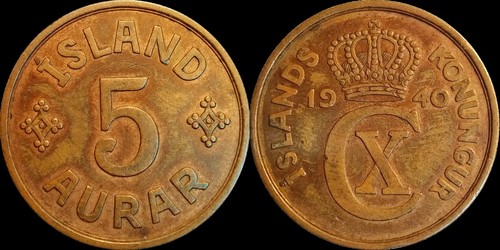
5 Aurar
1926-1942
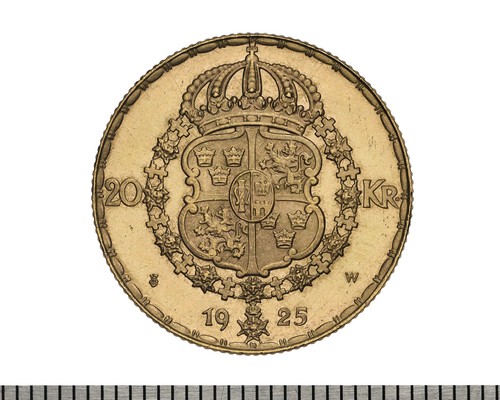
20 Kronor
1925 (denomination struck 1873-1925)
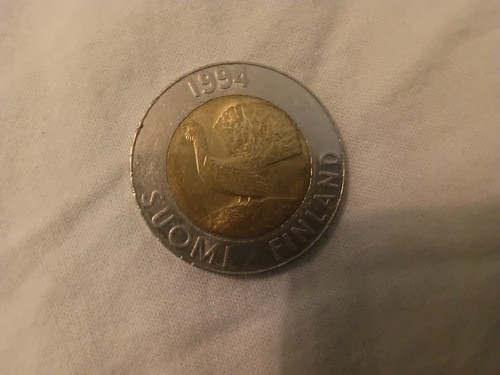
10 Markka
1993–2001
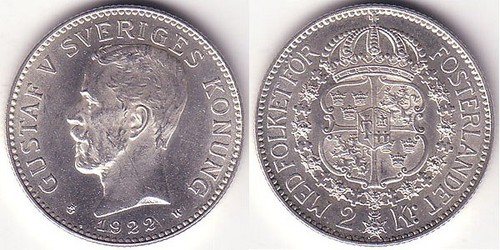
2 Kronor
1910-1940 (this example dated 1922)
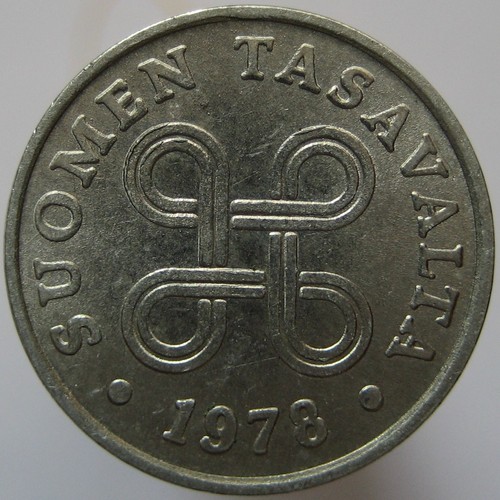
1 Penni
1969–1979
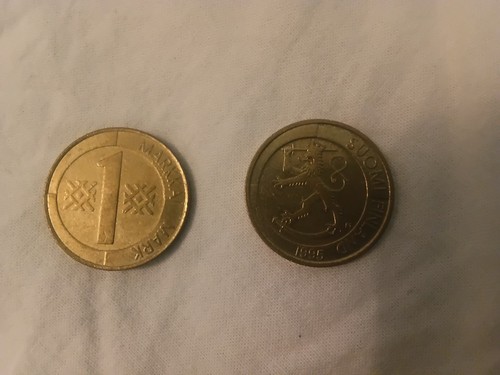
1 Markka
1993–2001
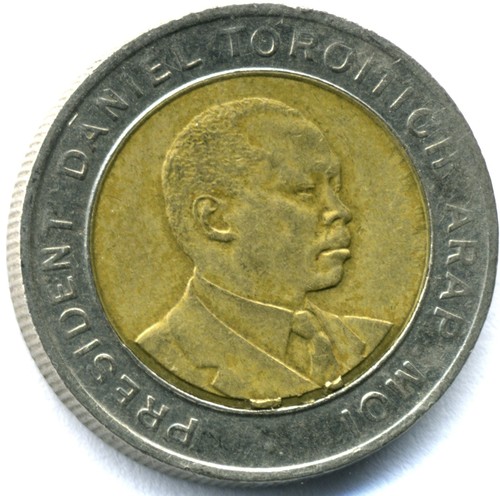
Kenya 5 Shillings
Bimetallic issues (2005–2010)
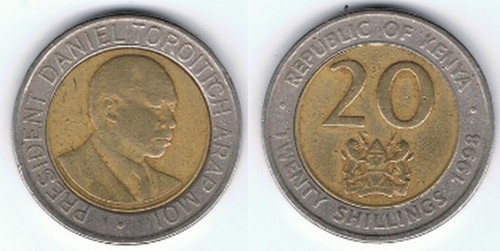
Kenya 20 Shillings
Modern issue (late 1990s–2000s)
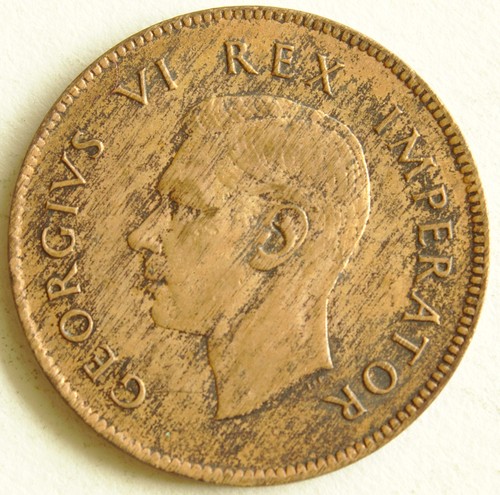
South Africa Farthing
1923-1960
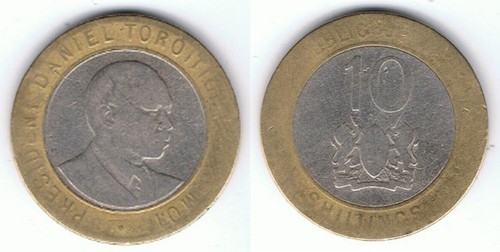
Kenya 10 Shillings
Republic of Kenya, bimetallic issues (mid-1990s to c. 2010)
Gold Sovereign
1817–present
Henri V Five Francs
1831