20 Fillér
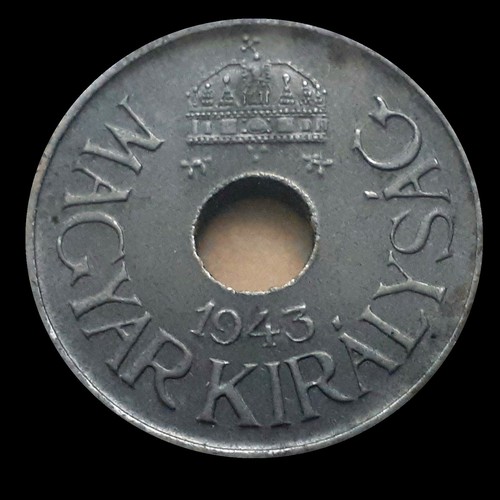
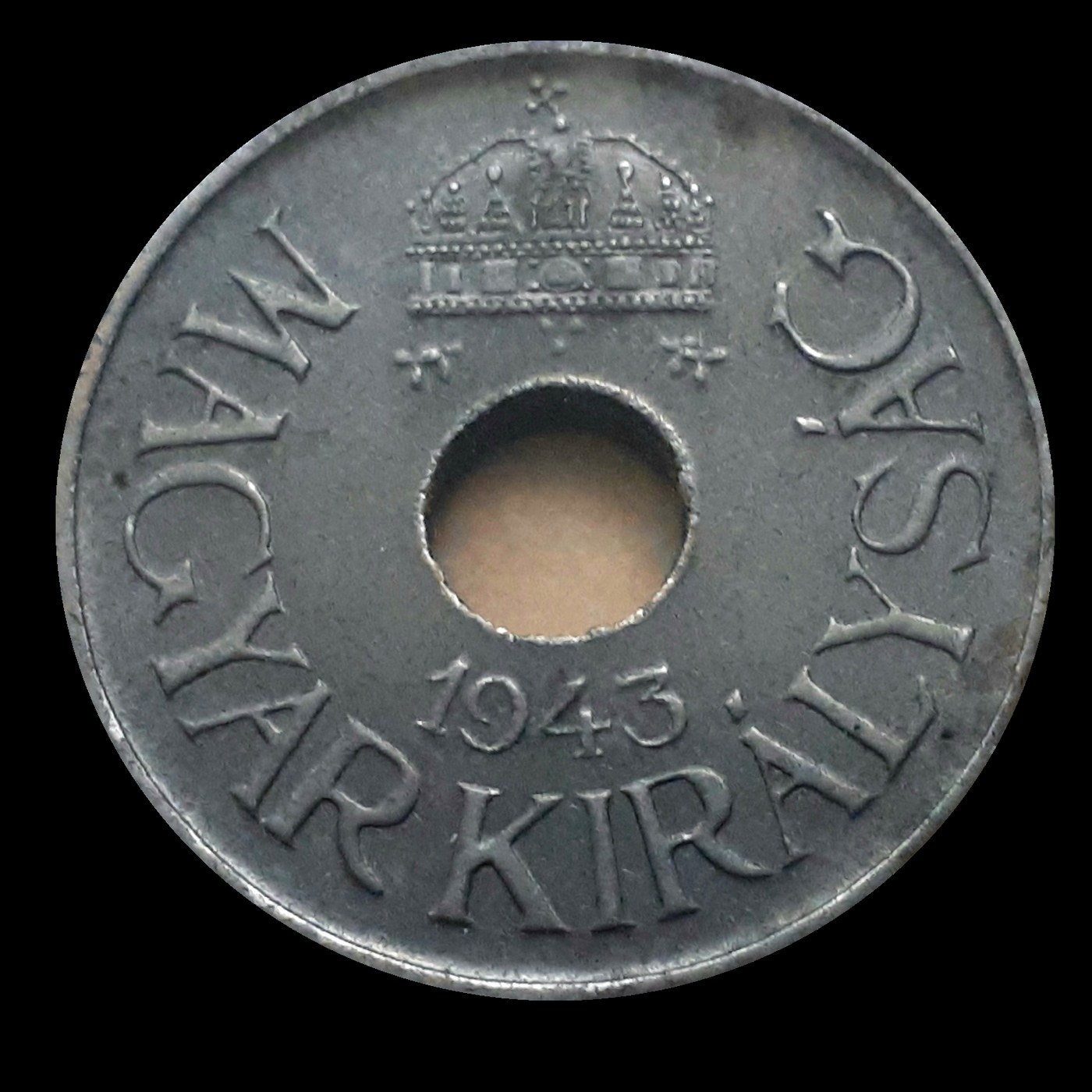
An early 20th-century Hungarian 20 fillér, a small base-metal coin showing the crowned Hungarian coat of arms and the FILLÉR minor denomination.
- Country
- Hungary
- Denomination
- 20 Fillér
- Metal
- Copper
Got a coin like this?
Identify any coin from a photo, free.
Overview
The 20 Fillér is a small minor coin of Hungary from the early twentieth century. The fillér was the fractional unit of Hungarian currency, with one hundred fillér making up the larger unit, so a 20 fillér piece functioned as everyday small change rather than a store of value.
The observed example shows the Hungarian coat of arms surmounted by a crown on one face, the classic national emblem used on Hungarian coinage of the period. It is a base-metal piece with a coppery tone; minor Hungarian coins of this era were struck in several base metals, so surface color and weight can vary between examples of the same denomination.
As a common circulating denomination, the 20 fillér is widely collected today as an accessible and inexpensive example of early modern Hungarian coinage and of the crowned national arms it carries.
History & Background
Fillér coins were introduced as the minor coinage of Hungary in the late nineteenth century, when the country formed part of the Austro-Hungarian monarchy and issued its own coins under the Hungarian crown alongside the Austrian heller. The 20 fillér sat among the middle of these small denominations, above the smallest bronze pieces and below the larger silver and base-metal coins.
Through the early twentieth century these coins circulated heavily as ordinary pocket money, and the turbulence of the First World War and its aftermath affected the metals used for minor coinage as raw materials grew scarce. As a result, small denominations like the 20 fillér can be found in more than one base-metal composition across the period, reflecting wartime and postwar economic pressures rather than any change in their everyday role.
Because the type spans a period of political change for Hungary, from the dual monarchy toward the successor states that followed the war, the crowned coat of arms it carries is often collected as a marker of that era of Hungarian history.
How to Identify
The observed obverse shows the Hungarian coat of arms topped by a crown, the national emblem of the Hungarian crown lands. Look for the shield and the crown together as the primary identifier; the crowned arms are the key marker that ties the coin to Hungary rather than to a neighboring issuer of similar small change.
The reverse is not visible on the observed example, but on coins of this denomination it typically carries the value and the word FILLÉR together with the date. Confirming the identity therefore rests on matching the crowned Hungarian arms with the FILLÉR denomination and the value 20 where the reverse can be read.
This is a small coin struck in base metal. The observed piece has a coppery tone, though minor Hungarian coins of this period appear in more than one composition, so weight and color are useful supporting cues rather than a single fixed standard. Measure the diameter, note the metal color, and read any visible legend to separate the 20 fillér from the smaller and larger fillér denominations that share the same general style.
Value & Collectibility
The early twentieth-century 20 Fillér is a common minor coin, so most examples carry modest collector value. Well-worn circulated pieces typically trade for only a small amount, while cleaner, sharply struck examples with original surfaces command higher premiums relative to worn ones.
Date, metal composition, and condition drive most of the price spread. Because minor Hungarian coins of this era were made in more than one base metal, scarcer compositions or particular dates can be worth noticeably more than ordinary circulated pieces, while corroded, cleaned, or damaged coins trade below problem-free examples.
Treat any figures as general context rather than firm quotes, since prices depend on the exact date, grade, metal, and current collector demand. For a small, widely available coin like this, condition and originality usually matter more than rarity for the typical example.
Frequently asked questions
What is a fillér?
The fillér was the fractional unit of Hungarian currency, with one hundred fillér making up the larger unit. A 20 fillér coin was everyday small change rather than a high-value piece.
What is shown on the coin?
The observed obverse shows the Hungarian coat of arms topped by a crown, the national emblem of the period. The value and the word FILLÉR typically appear on the reverse with the date.
Is the 20 Fillér made of silver?
No. It is a base-metal minor coin. The observed example has a coppery tone, and coins of this denomination were struck in more than one base metal, none of them precious.
How old is this coin?
The observed example dates to the early twentieth century, when Hungary issued fillér coinage under the Hungarian crown. Read the date on the reverse to pin down the exact year.
Is the 20 Fillér valuable?
It is a common minor coin, so most examples are inexpensive. Value depends mainly on the exact date, metal, and condition, with crisp examples worth more than heavily worn ones.
20 Fillér guides
In-depth guides for identifying, valuing, and collecting 20 Fillér.