
How to Identify the 20 Fillér
A collector's guide to confirming the Hungarian 20 fillér by its crowned coat of arms, FILLÉR denomination, small base-metal format, and date.
Read the full 20 Fillér encyclopedia entry →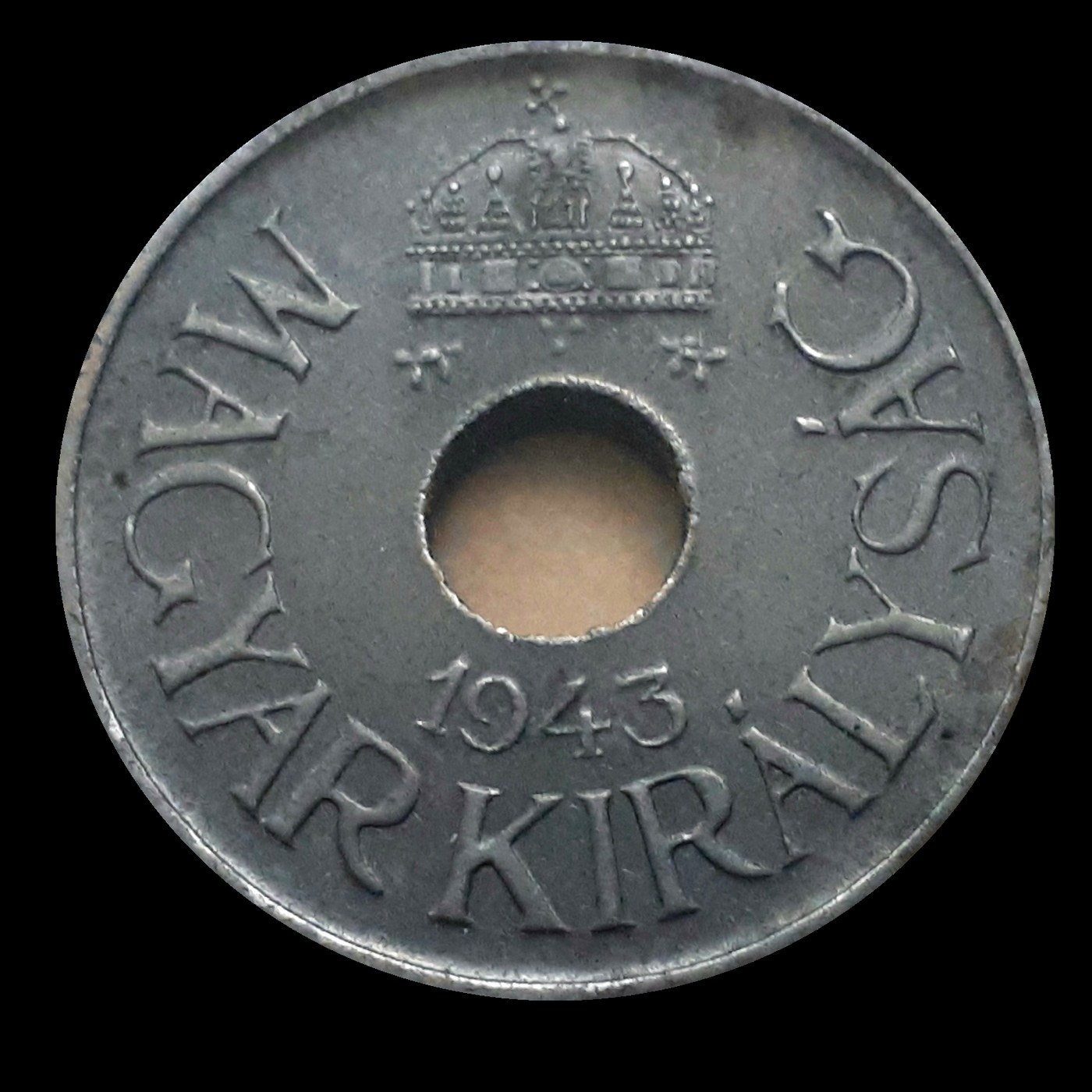
Start With the Crowned Coat of Arms
Begin with the emblem on the coin. A genuine piece of this type shows the Hungarian coat of arms surmounted by a crown, the national arms of the Hungarian crown lands. That crowned shield is the strongest single clue that ties the coin to Hungary rather than to Austria or a neighboring state that struck similar small change in the same era. If the emblem is a different national arms or lacks the crown, you are looking at another issuer.
Read the Denomination and Date
Confirm the value where the reverse can be seen. Coins of this denomination carry the numeral 20 with the word FILLÉR and a date. Reading the numeral is essential, because Hungary issued a matching family of fillér coins in smaller and larger values that share the same general style; only the number and the word FILLÉR pin down the 20 fillér specifically. Note the date as well, since it places the coin within the early twentieth-century series.
Check Size and Metal
This is a small base-metal coin, so diameter and weight are practical diagnostics. The observed example has a coppery tone, but minor Hungarian coins of this period appear in more than one composition, so color alone is not decisive. Measure the diameter and weigh the coin, then compare against reference figures for the denomination and date to confirm which version you have.
Distinguish It From Look-Alikes
The closest look-alikes are the other fillér values in the same series and the Austrian heller coins circulating alongside them under the dual monarchy. Separate them by reading the legend and value: a Hungarian coin names FILLÉR and shows the Hungarian crowned arms, while an Austrian piece names HELLER and carries different devices. Always match emblem, denomination word, and numeral together rather than relying on size or color alone.
Authentication Cautions
As a common, low-value coin, the 20 fillér is rarely counterfeited, so the main concerns are correct attribution and condition rather than forgery. Watch for corrosion on base metal, harsh cleaning that dulls the surface, and heavy wear that obscures the date or the denomination. When the metal composition matters for value, weighing and measuring the coin is the most reliable check, and for anything unusual compare it against trusted reference images of the denomination and year.
Frequently asked questions
How do I know the coin is Hungarian and not Austrian?
Read the emblem and the denomination word. A Hungarian coin shows the crowned Hungarian coat of arms and names FILLÉR, while an Austrian piece of the same era carries different devices and names HELLER.
How do I confirm it is the 20 fillér and not another value?
Read the numeral next to FILLÉR on the reverse. Hungary struck a family of fillér coins in several values that share this style, so the number is what fixes the denomination as 20 fillér.
What if the metal color does not look like copper?
That is expected. Minor Hungarian coins of this period were struck in more than one base metal, so tone can vary. Weigh and measure the coin and compare against reference figures for the date to determine the composition.
Is it worth authenticating?
Usually not, since it is a common, inexpensive coin rarely worth faking. Focus instead on confirming the emblem, denomination, and date, and on judging condition, which drives most of the value.