
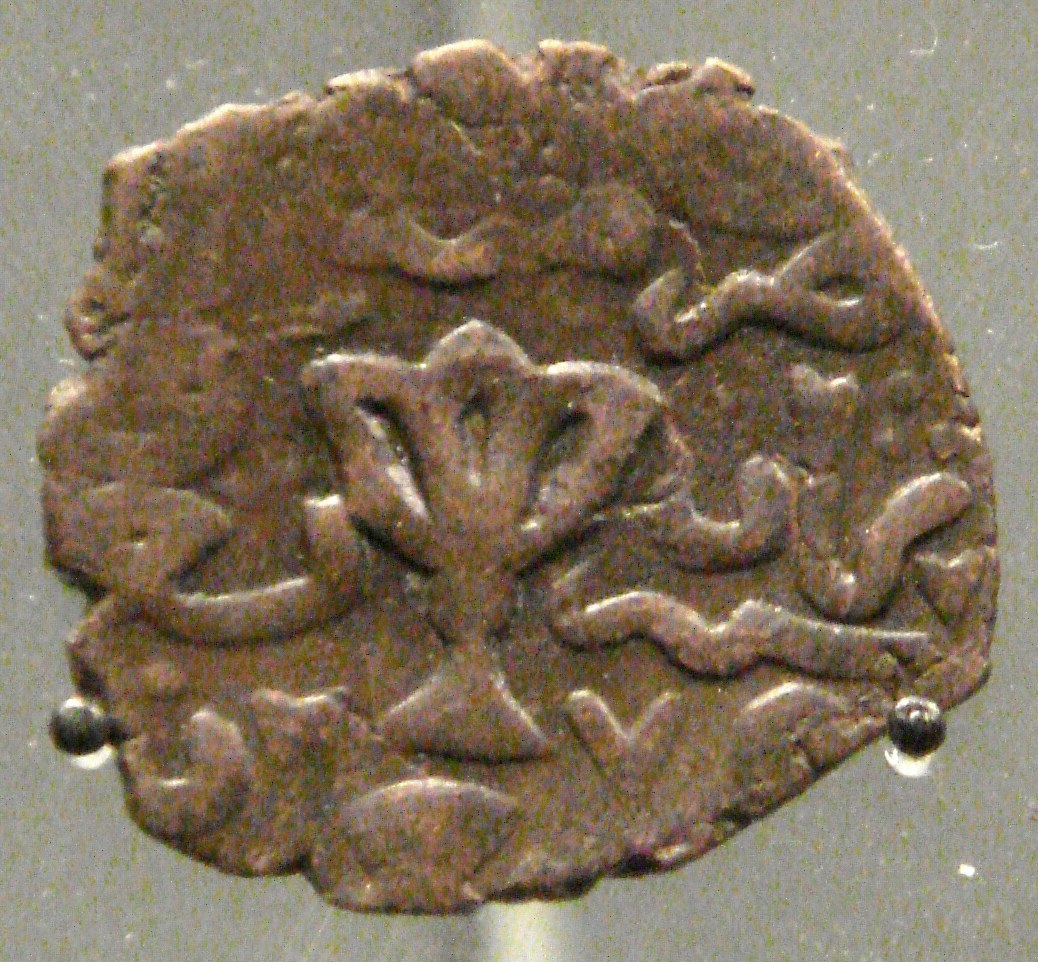
Copper Fals of Barquq
A hand-struck Mamluk copper fals of Sultan Barquq, struck at Damascus (1382–1389 CE), covered entirely in Arabic calligraphy with no figural imagery.
- Country
- Egypt (Mamluk)
- Denomination
- Fals
- Metal
- Copper
Got a coin like this?
Identify any coin from a photo, free.
Overview
The Copper Fals of Barquq is a base-metal coin of the Mamluk Sultanate, issued in the name of al-Zahir Sayf al-Din Barquq, the first sultan of the Burji (Circassian) Mamluk line. The example shown carries Arabic calligraphy on both faces, with the reverse legend naming the mint of Damascus, and dates to Barquq's first reign, roughly 1382–1389 CE.
The fals (plural fulus) was the everyday copper denomination of the medieval Islamic monetary system, ranking below the silver dirham and the gold dinar. Under the Mamluks copper fulus circulated heavily as the small change of markets and daily transactions, and their size, weight, and striking quality vary considerably from piece to piece.
Like other Mamluk copper coinage, this fals is aniconic: it bears no portrait or figural image, only Arabic inscriptions giving the ruler's name and titles together with the mint. It is a modest, workaday coin rather than a prestige issue, but it ties directly to one of the most important figures of late-14th-century Egypt and Syria.
History & Background
Barquq rose from the ranks of the Mamluk military elite to seize the sultanate in 1382 CE, ending the Bahri Mamluk line of Qalawun's descendants and founding the Burji dynasty, named for the Circassian guard regiments quartered in the towers (burj) of the Cairo citadel. His first reign ran to 1389, when he was briefly deposed, before he recovered the throne and ruled again until 1399.
The Mamluk Sultanate governed Egypt and Syria and had risen to prominence for halting the Mongols and expelling the last Crusader strongholds. Its economy leaned heavily on copper fulus for daily commerce, and copper coinage became especially prominent in this period. Coins were struck at mints across the realm, with Cairo, Damascus, and Aleppo among the principal centers; this piece names Damascus, the great Syrian capital of the sultanate.
Mamluk coinage followed the long Islamic tradition of purely epigraphic design, replacing images with Arabic text that proclaims the sultan's name and honorifics and records the mint. A copper fals of Barquq therefore functioned both as everyday money and as a small statement of the ruler's authority across his territories in Egypt and Syria.
How to Identify
A copper fals of Barquq is a small, hand-struck coin, generally roughly circular but often irregular in outline and unevenly centered because each piece was struck individually from dies larger than the flan. Copper fulus of this period are modest in size and weight and frequently show part of the legend running off the edge.
Both faces are covered in Arabic calligraphy rather than imagery. The inscriptions give the name and titles of the sultan — including the honorific al-Zahir associated with Barquq — while the reverse legend names the mint, here Damascus. There is no ruler's portrait, animal, or Latin lettering; attribution rests entirely on reading the Arabic legends.
The metal is copper, so expect a reddish-brown to dark, oxidized surface, sometimes with green corrosion. The surest attribution comes from matching the ruler's name and the Damascus mint in the legend against a reference for Mamluk copper coinage. Because striking is often uneven and dies were frequently reused, individual coins of this type differ noticeably in how much of the text is legible.
Value & Collectibility
Mamluk copper fulus are, as a class, among the more affordable medieval Islamic coins. Copper was the metal of everyday small change and large quantities were struck, so ordinary circulated examples generally trade at modest prices rather than at scarce-coin levels.
Value depends heavily on the completeness and legibility of the inscriptions, the mint, and the state of preservation. Well-centered strikes with a clear reading of Barquq's name and the Damascus mint, and coins with stable, attractive surfaces, are more desirable than worn, corroded, or partially struck pieces where the legend cannot be read. A coin tied by name to a named sultan and mint carries more collector interest than an anonymous or illegible fals.
Because copper coins are prone to corrosion and pricing turns on grade, legibility, and demand among specialists, any figures should be treated as general context rather than fixed quotes. For this type, a clear reading of the ruler and the mint is the single biggest factor in its interest and value.
Frequently asked questions
Who was Barquq?
Barquq (al-Zahir Sayf al-Din Barquq) was the first sultan of the Burji Mamluk dynasty in Egypt and Syria. He seized power in 1382 CE, and this copper fals was issued in his name during that first reign.
What is a fals?
A fals (plural fulus) was the copper coin of the Islamic monetary system, used as everyday small change. It ranked below the silver dirham and gold dinar and served for minor daily transactions.
Where was this coin made?
The reverse legend names Damascus, one of the principal Mamluk mints in Syria. The Mamluk state also struck copper fulus at Cairo, Aleppo, and other mints.
Why are there no pictures on the coin?
Mamluk and other Islamic coinage is aniconic by design, avoiding portraits and figural images. Instead it carries Arabic inscriptions giving the ruler's name and titles along with the mint.
Is a copper fals of Barquq valuable?
Most Mamluk copper fulus are common and affordable because they were struck in large numbers as small change. Value depends mainly on legibility, the mint, and how well the coin has survived corrosion.
Copper Fals of Barquq guides
In-depth guides for identifying, valuing, and collecting Copper Fals of Barquq.
Other coins you may enjoy
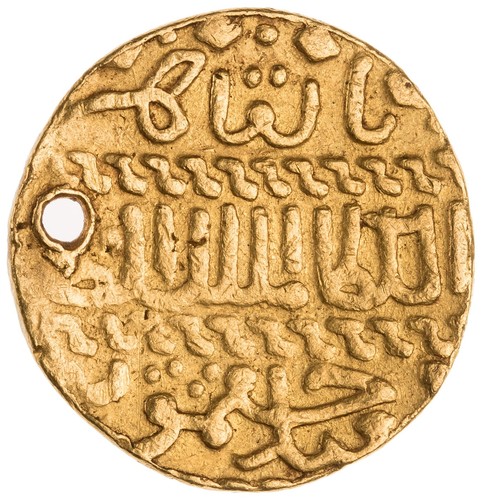
Gold Dinar of Jaqmaq
1438-1453 CE
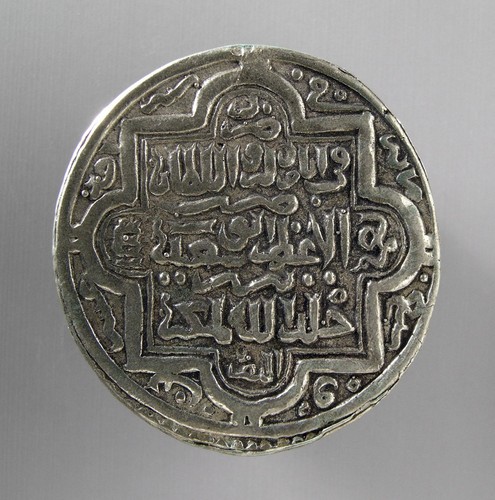
Ilkhanid Dirham
13th–14th century (Ilkhanate, c. 1256–1335 CE)
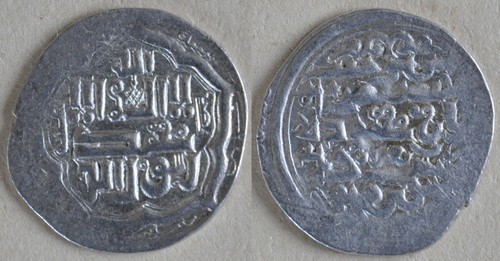
Ilkhanid Dirham of Ghazan
14th century (c. 1295-1304 CE)
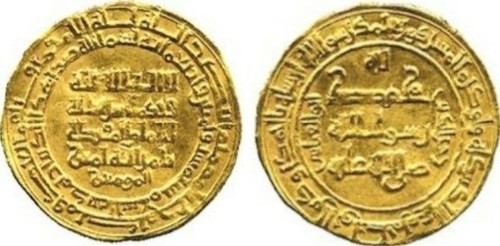
Gold Dinar of al-Muqtadi
c. 467-475 AH (1074-1082 CE)
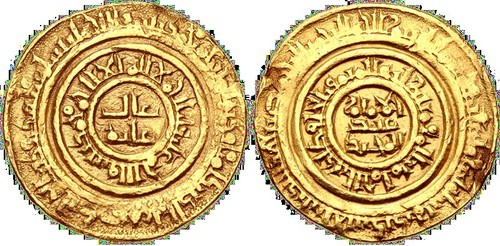
Gold Dinar of al-Hafiz li-Din Allah
AH 544 (AD 1149–1150)
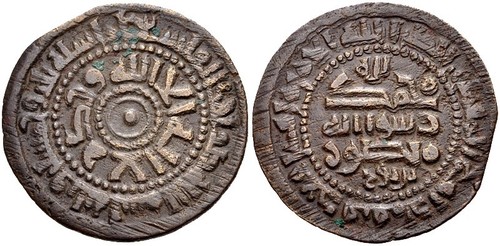
Samanid Dirham
9th–10th century CE (roughly AH 3rd–4th century)
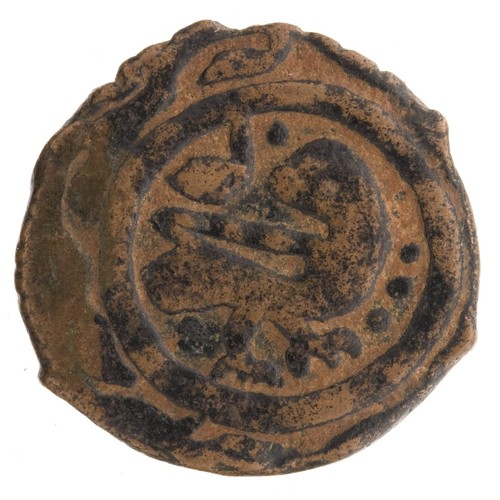
Copper Fals of as-Salih Salih
Mid-14th century CE (reign of as-Salih Salih, AH 752–755 / 1351–1354 CE)
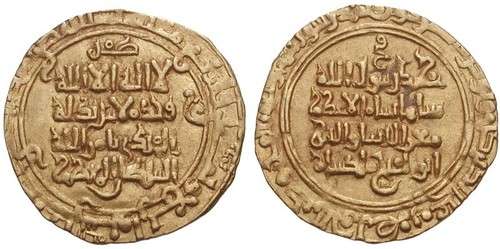
Gold Dinar of Malik Shah I
AH 465–485 (1072–1092 CE)
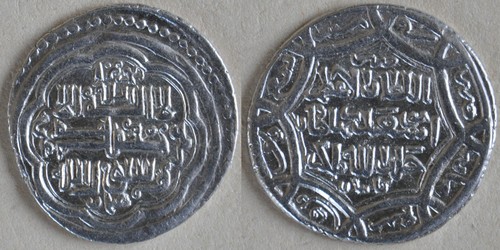
Ilkhanid Dirham of Abu Said
c. 1316-1335 CE (AH 716-736)
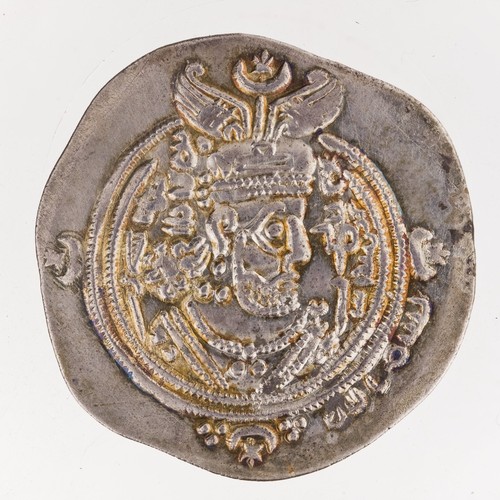
Silver Dirham of Salm ibn Ziyad
c. 682-683 CE
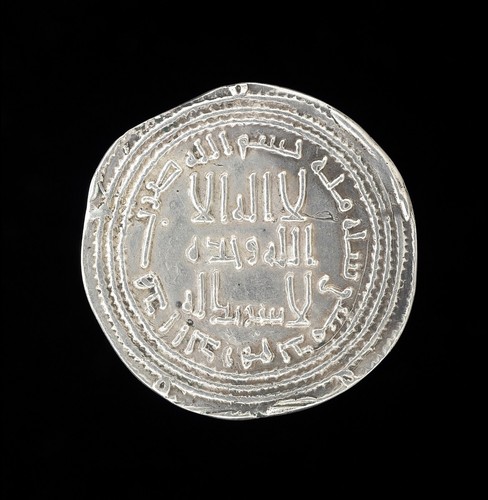
Silver Dirham (LACMA M.2002.1.437)
8th century CE (roughly AH 80s–190s)
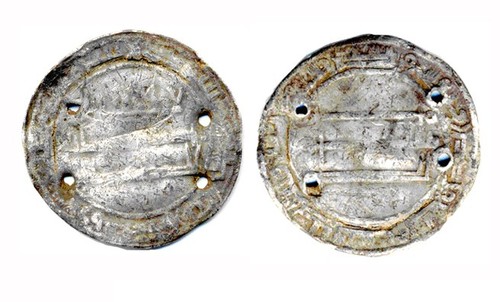
Imitation Abbasid Dirham
8th–9th century CE