2 Fillér
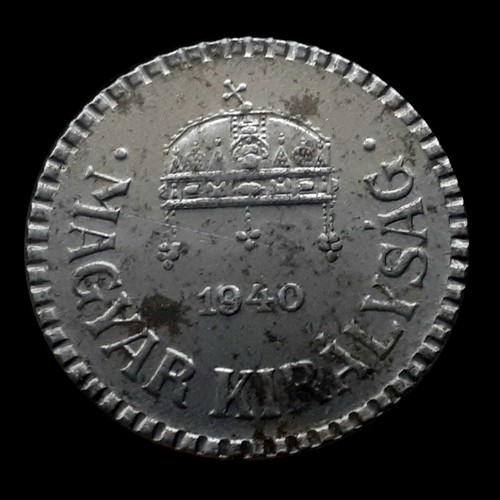
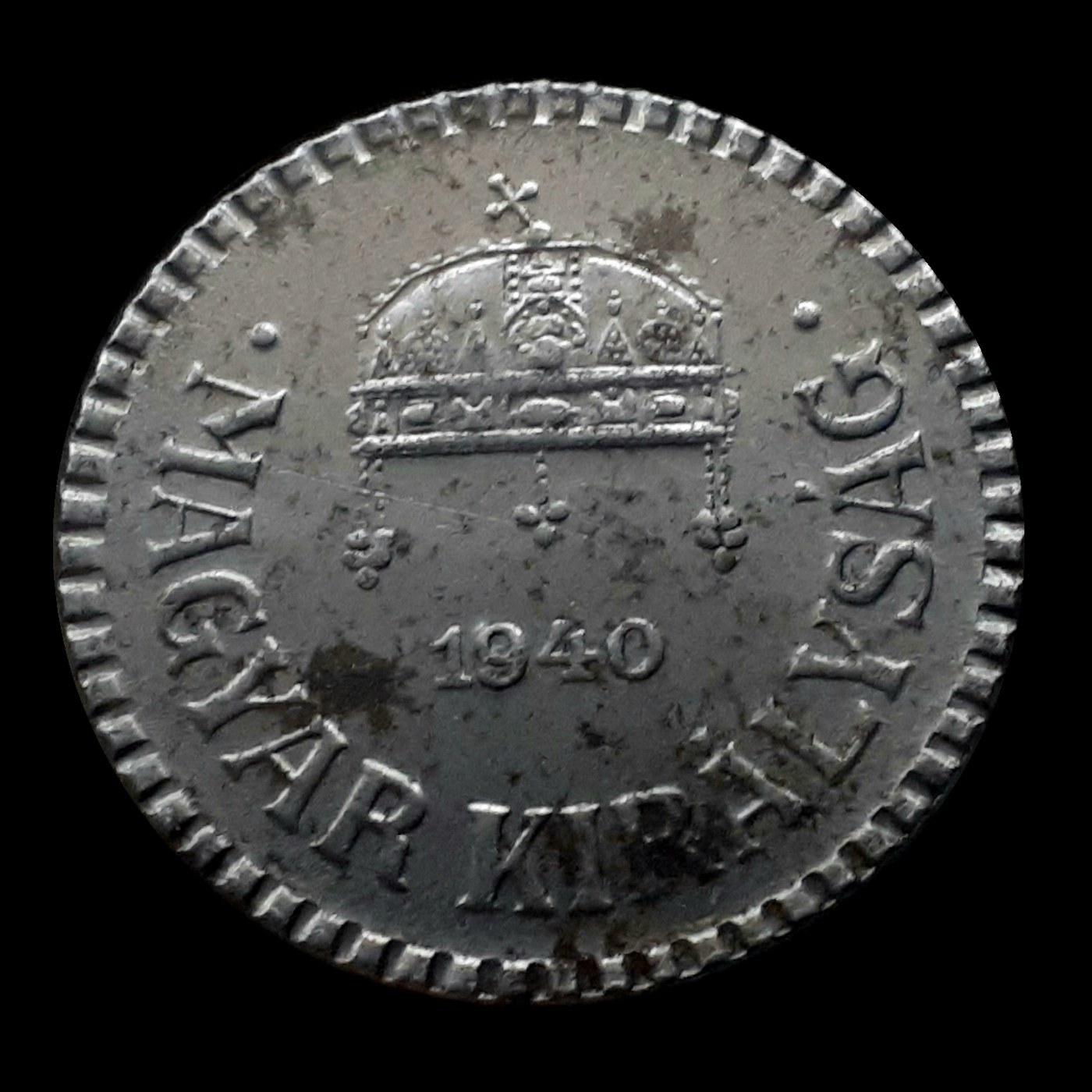
A small early-20th-century Hungarian 2 fillér in copper-based bronze, showing the crowned Hungarian coat of arms on the obverse and the value with date on the reverse.
- Country
- Hungary
- Denomination
- 2 Fillér
- Metal
- Copper
Got a coin like this?
Identify any coin from a photo, free.
Overview
The 2 Fillér is a small, low-denomination Hungarian coin from the era when Hungary formed part of the Austro-Hungarian monarchy. The fillér was the minor unit of the Hungarian korona, with one hundred fillér making a korona, so this piece served as everyday small change.
The observed coin shows the crowned Hungarian coat of arms on the obverse. It is a copper-based bronze piece, giving it a warm brown to reddish tone when original and a darker patina with age and circulation. The reverse of this type carries the denomination and date, though it is not visible in the photographed example.
As a common minor coin of the period, the 2 fillér is widely collected as an inexpensive and accessible example of Kingdom-of-Hungary coinage and of the crowned national arms used before the First World War.
History & Background
The Hungarian fillér coinage was introduced in the 1890s when Austria-Hungary reformed its currency and Hungary adopted the korona and its fillér subdivision. Within the dual monarchy, Hungary struck its own coins bearing Hungarian legends and the national arms, distinct from the Austrian issues that used the same denominations in German.
The 2 fillér was produced across the years leading up to the First World War to supply small change for daily transactions. These pieces circulated heavily and were made in large numbers, reflecting their role as ordinary pocket money rather than as commemorative or precious-metal issues. Hungarian minor coins of this era were struck at the Kremnica mint, historically known in Hungarian as Körmöcbánya.
Because the type belongs to the pre-1918 Kingdom of Hungary under Habsburg rule, the crowned coat of arms it carries is characteristic of that period, before the political changes and later coinage that followed the collapse of the monarchy.
How to Identify
The obverse shows the Hungarian coat of arms surmounted by a crown, representing the Holy Crown of Hungary. This crowned shield, rather than a monarch's portrait, is the key marker of the Hungarian fillér series of this period and distinguishes it from Austrian coins of the same monarchy, which carry different designs and German inscriptions.
The reverse of the type carries the value, expressed with the numeral and the word FILLÉR, together with the date, though the reverse is not visible on the photographed example. The plain value-and-date layout, with no portrait, is typical of the minor coins of this era.
This is a small coin struck in copper-based bronze, which gives it a warm brown to reddish color when original and a darker tone with wear. Confirm the identification by matching the cues together: the crowned Hungarian arms on the obverse, the FILLÉR denomination, and the small bronze format. The observed year is early twentieth century, consistent with the pre-First-World-War issues of this type.
Value & Collectibility
The 2 Fillér is a common minor coin, so most examples carry modest collector value. Well-worn circulated pieces typically trade for only a small amount, on the order of a few dollars or less, while clean, sharp examples with original surfaces bring higher premiums relative to worn ones.
Date and condition drive most of the price spread. The type was struck across several years, and scarcer dates or examples in exceptional preservation can be worth noticeably more than ordinary circulated coins, while corroded, cleaned, or damaged pieces trade below problem-free examples. As a copper-based coin, surface quality and the presence of original color matter to collectors.
Treat any figures as general context rather than fixed quotes, since prices depend on grade, exact date, eye appeal, and current collector demand. For a small, widely available coin like this, condition and originality usually matter more than rarity for most examples.
Frequently asked questions
What country and period is this coin from?
It is a Hungarian coin from the era when Hungary was part of the Austro-Hungarian monarchy, before the First World War. The fillér was the minor unit of the Hungarian korona at that time.
What is shown on the obverse?
The obverse shows the Hungarian coat of arms topped by a crown, representing the Holy Crown of Hungary. This crowned shield, rather than a ruler's portrait, marks it as part of the Hungarian fillér series.
Is the 2 Fillér made of silver?
No. It is a base-metal coin struck in copper-based bronze, which gives it a brown to reddish tone. It contains no silver or other precious metal.
How does it differ from Austrian coins of the same monarchy?
Although Austria and Hungary shared the same monarchy and denominations, Hungary struck its own coins with Hungarian legends such as FILLÉR and the crowned Hungarian arms, while Austrian coins used German wording and different designs.
Is this coin valuable?
It is a common minor coin, so most examples are inexpensive. Value depends mainly on the exact date and condition, with crisp examples that retain original color worth more than worn ones.
2 Fillér guides
In-depth guides for identifying, valuing, and collecting 2 Fillér.