
How to Identify the 2 Fillér
A collector's guide to confirming the Hungarian 2 fillér by its crowned coat of arms, FILLÉR value, small bronze format, and date range.
Read the full 2 Fillér encyclopedia entry →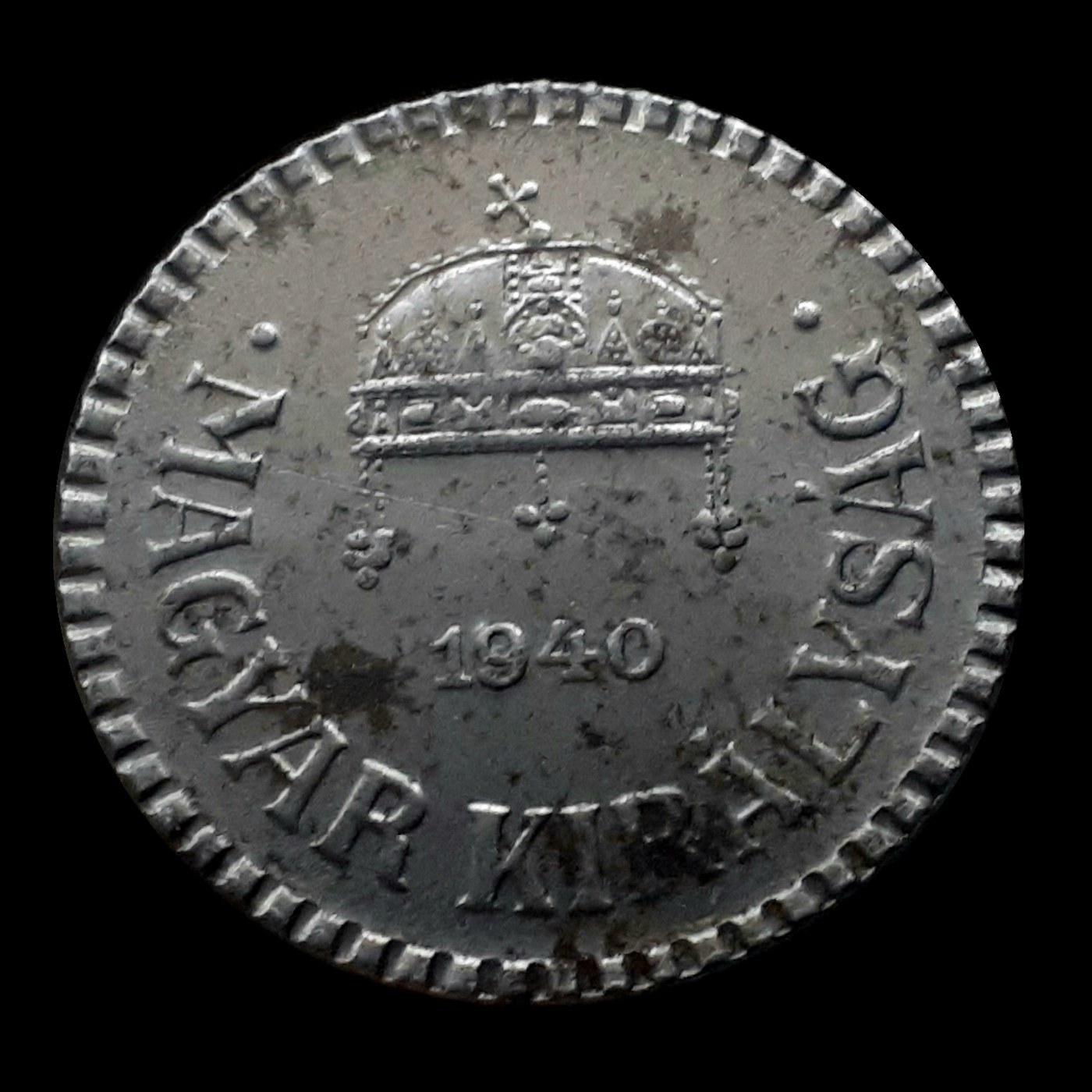
Read the Obverse Arms and Crown
Start with the obverse. A coin of this type shows the Hungarian coat of arms surmounted by a crown, the Holy Crown of Hungary, rather than a monarch's portrait. That crowned shield is the defining marker of the Hungarian fillér series of this period. If the coin shows a ruler's head or a different emblem, you are looking at another issue, possibly the Austrian counterpart from the same monarchy.
Confirm the Reverse Value and Date
The reverse should state the value as a numeral together with the word FILLÉR, and carry the date. On the photographed example the reverse is not visible, so when identifying your own coin, turn it over and read the denomination and year directly. The Hungarian word FILLÉR is itself a useful cue, since it separates the piece from Austrian heller coins of the same monarchy, which use German wording.
Check Size and Metal
This is a small coin struck in copper-based bronze. Original examples show a warm brown to reddish color, darkening to a deeper brown patina with circulation. Weigh and measure the coin and note its color: a light silvery or gray tone would point to a different metal or a different coin altogether, while the bronze color and small diameter are consistent with the 2 fillér denomination.
Distinguish It From Related Denominations and Later Types
Hungary issued a matching series of fillér values, so read the numeral carefully to separate the 2 fillér from the 1, 10, or 20 fillér and other values that share the crowned-arms style but state a different number. Be aware, too, that Hungary struck fillér coins again in later decades under different governments, with different designs and dates, so confirm both the pre-1918 crowned-arms style and the specific date to place the coin correctly.
Authentication Cautions
As a common, low-value coin, the 2 fillér is rarely counterfeited, so the main concerns are correct attribution and condition rather than forgery. Watch for corrosion and verdigris on the bronze, harsh cleaning that strips original color, and heavy wear that blurs the crown and the value. When the exact date matters for value, read it directly from the reverse, and for anything unusual compare the coin against trusted reference images of the Hungarian fillér series.
Frequently asked questions
How do I tell this Hungarian coin from the Austrian one?
Look at the wording and design. The Hungarian coin uses the word FILLÉR and shows the crowned Hungarian coat of arms, while the Austrian counterpart from the same monarchy uses the German word Heller and a different design.
How can I confirm the denomination?
Read the reverse. It states the value as a numeral with the word FILLÉR. On the photographed example the reverse is not shown, so check the number on your own coin to separate the 2 fillér from the 1, 10, or 20 fillér.
What metal is it, and how does that help identify it?
It is copper-based bronze, with a warm brown to reddish tone when original and a darker patina with age. A silvery or gray color would suggest a different metal or a different coin, so the bronze color is a useful check.
Is it worth authenticating?
Usually not, since it is a common, inexpensive coin rarely worth faking. Focus instead on confirming the crowned arms, the FILLÉR denomination, and the exact date, and on assessing condition, which drives most of the value.