
Coin Encyclopedia
Search and identify coins from around the world — with country, denomination, metal, mint, history, and how to tell them apart.
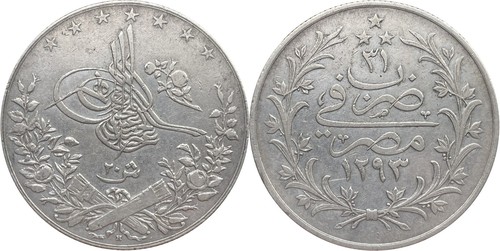
Egypt 20 Qirsh
The 20 qirsh was Egypt's largest silver coin under the Khedivate, bearing the Ottoman sultan's tughra; this example dates to 1905.
World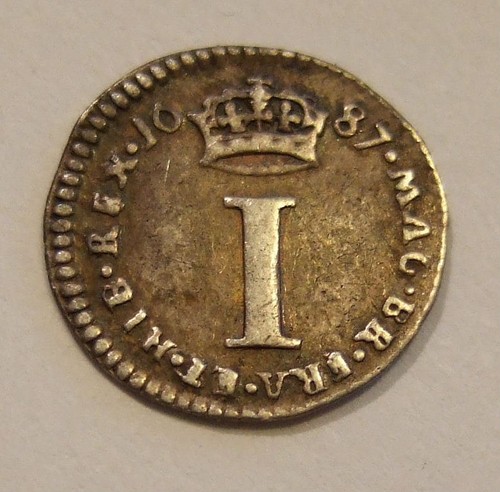
Maundy One Penny
The smallest British Maundy silver coin, bearing a crowned Roman numeral I; this example was struck in 1687 under James II.
Maundy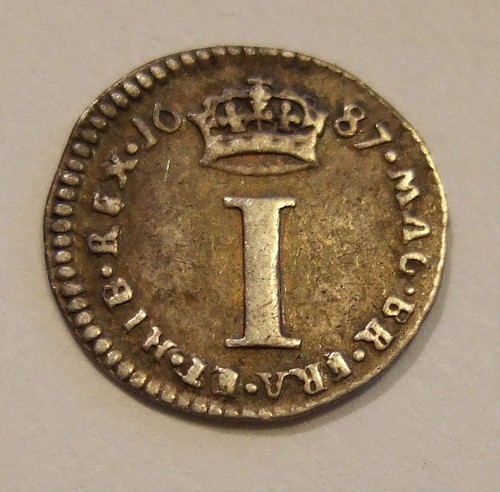
Maundy Money Penny
Tiny silver penny given as royal alms; this James II example (1687) shows a crowned bust and a crowned Roman numeral I reverse.
Maundy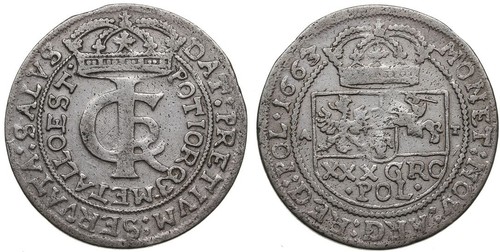
Tymf
A debased Polish silver coin of 1663 tariffed at 30 groszy, famous for a Latin motto declaring the state's safety worth more than the metal.
Early Modern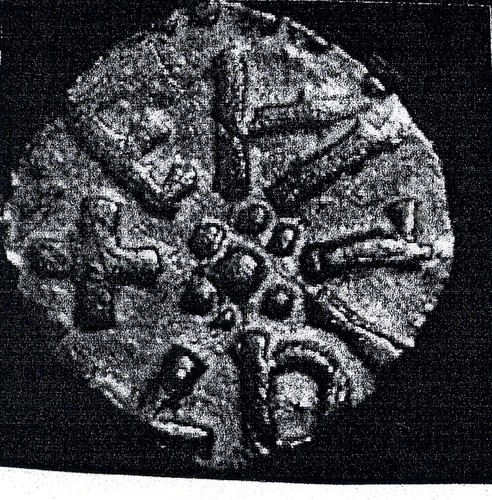
Styca of Aethelred
Small base-metal coin of the Anglo-Saxon kingdom of Northumbria, naming King Aethelred, with a central device and legend on one face and a cross on the other.
Medieval Coins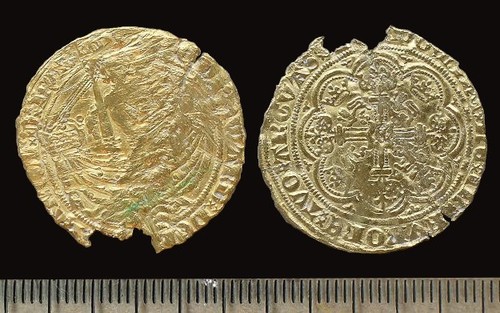
Edward III Half Noble
Medieval English gold coin worth half a noble, this example showing King Edward III crowned with heraldic devices and a shielded, ornamented reverse.
Medieval Coins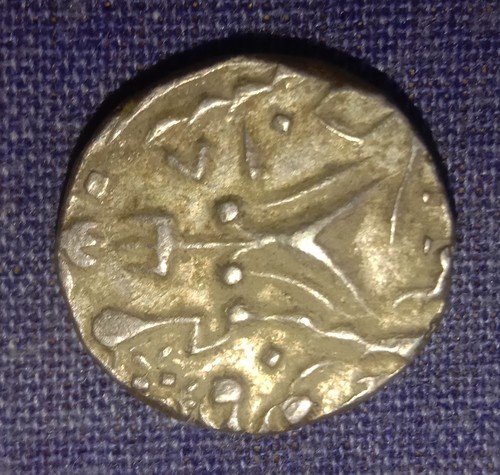
Silver Rupee of Bhopal State
Silver rupee of the princely state of Bhopal, struck at the Daulatgarh mint in the name of Mughal emperor Muhammad Akbar II, marked by a trident symbol.
Princely & Presidency States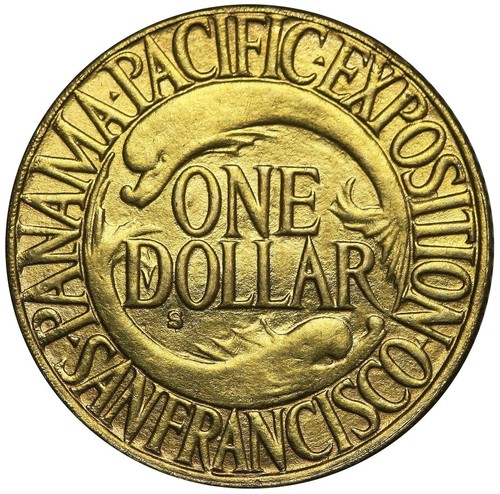
Panama-Pacific Exposition Dollar
An 1915 U.S. gold dollar struck for the Panama-Pacific International Exposition, showing a canal laborer and two dolphins encircling the denomination.
Classic Commemorative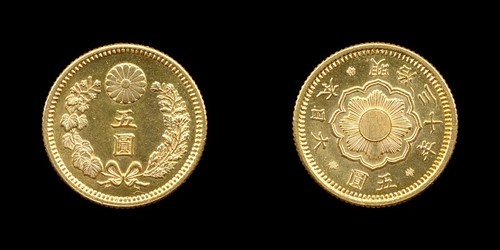
Japanese 5 Yen
Small Meiji-era Japanese gold coin with an imperial chrysanthemum and characters on the obverse and a floral wreath framing the 5 Yen value.
World Coins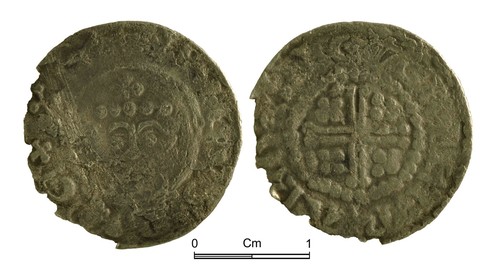
Short Cross Penny
Hammered silver penny of Henry II showing a crowned facing-left royal portrait and a cross-crosslet (cross-and-crosslets) reverse.
Medieval Coins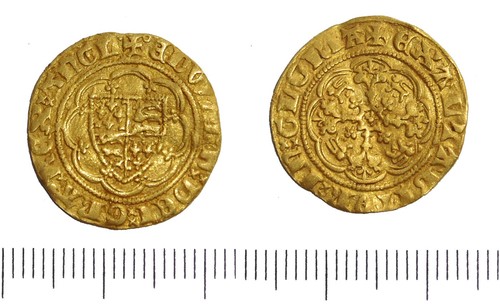
Edward III Quarter Noble
Small medieval English gold coin of Edward III, showing a crowned shield of arms on the obverse and an ornate floral cross design on the reverse.
Medieval Coins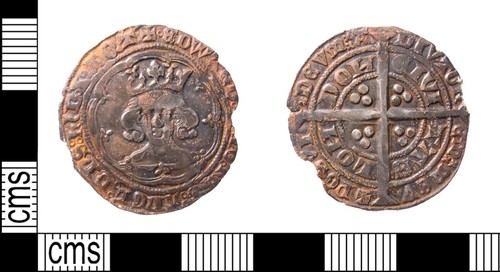
Edward III Groat
Hammered silver fourpence of King Edward III, showing a crowned bust of the king and a long cross with pellets in the quarters.
Medieval Coins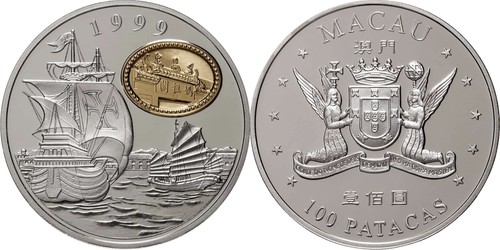
Macao 100 Patacas Return to China Commemorative
A 1999 Macao 100 patacas commemorative marking the return to China: a Portuguese ship with a gold center on one side, the Macao coat of arms on the other.
Commemorative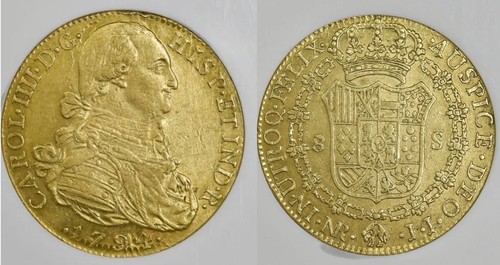
8 Escudos (Carolus)
The largest Spanish gold coin of the age, the 8 Escudos or doubloon, struck under the Habsburg Carolus rulers with the crowned quartered royal arms.
Early Modern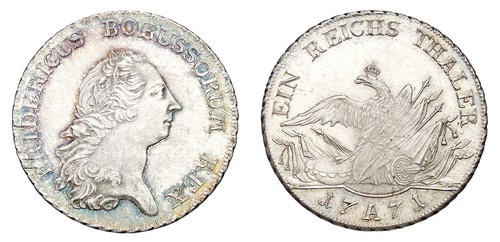
Prussian Taler
A large silver taler of the Kingdom of Prussia showing the crowned profile of Frederick II and a heraldic coat of arms, struck through the mid-to-late 1700s.
German States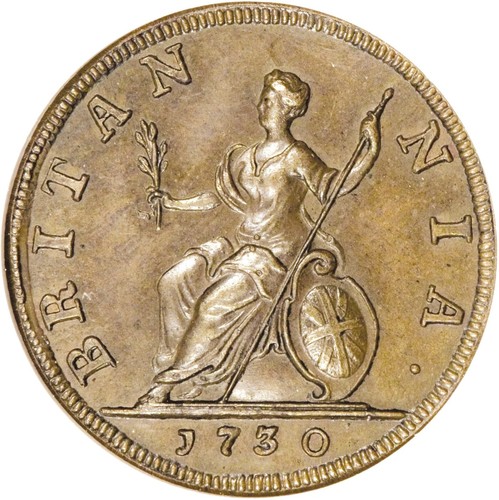
British Farthing
Small copper farthing of King George II, with his laureate bust facing left and a seated Britannia on the reverse; struck in the 1730s.
British Isles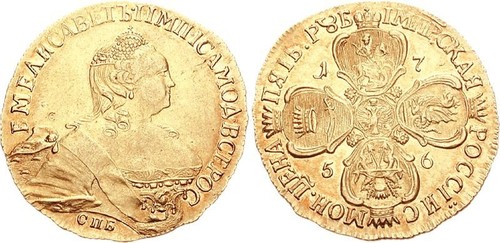
5 Roubles (Alexander III)
An Imperial Russian gold 5 Roubles of Alexander III, showing the tsar's bearded profile and the crowned double-headed eagle, struck in the late 1880s.
Modern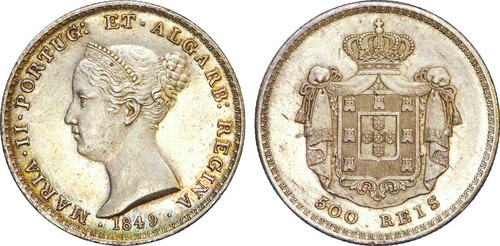
500 Reis
A Portuguese silver 500 Reis of Queen Maria II, with her left-facing draped bust on the obverse and a crowned coat of arms on the reverse.
Modern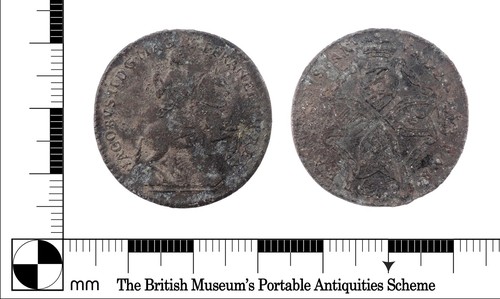
American Plantations Token
A 1688 tin token struck under James II for England's American colonies, valued at 1/24 of a Spanish real — the first regal-authorized coinage for British America.
Colonial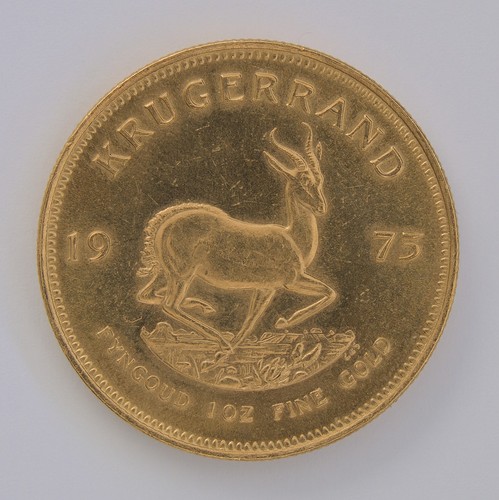
Krugerrand
South Africa's 1 oz gold bullion coin, with Paul Kruger's portrait on the obverse and a leaping springbok on the reverse; this piece is dated 1975.
Bullion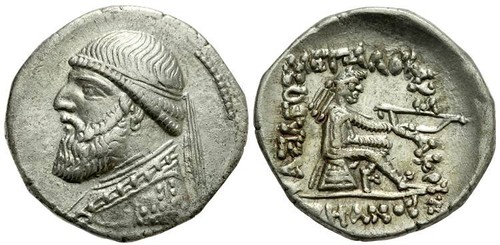
Parthian Drachm
Silver drachm of the Parthian (Arsacid) Empire, pairing a bearded royal profile with a seated archer holding a bow, struck in the era of Mithradates II.
Ancient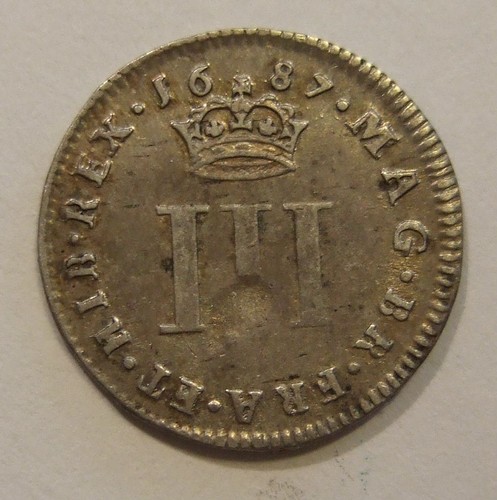
Maundy Money Threepence
A tiny sterling-silver British threepence; the 1687 James II example shows a crowned bust and a crowned Roman numeral III on the reverse.
Maundy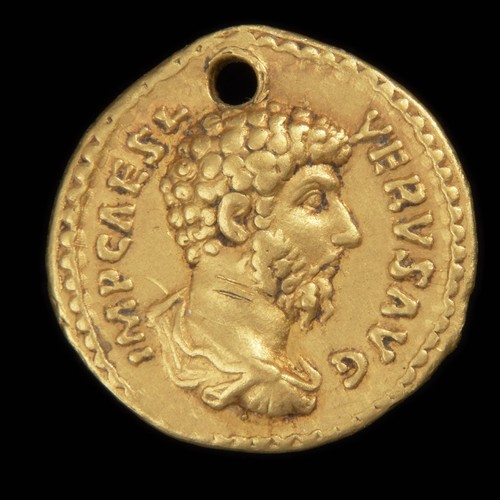
Aureus of Marcus Aurelius
Small Roman gold coin of the reign of Marcus Aurelius; this piece shows a diademed portrait and a standing deity or personification, dated to 163 AD.
Ancient Coins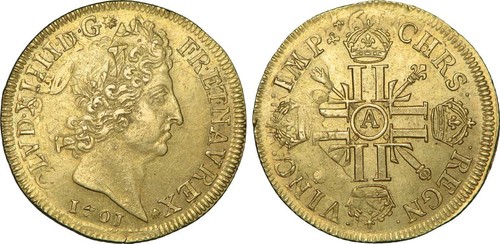
Double Louis d'Or
A large gold coin of Louis XIV dated 1701: the king's laureate profile and 'LUDOVICUS MAGNUS' obverse, an ornate cross of arms reverse.
Royal