
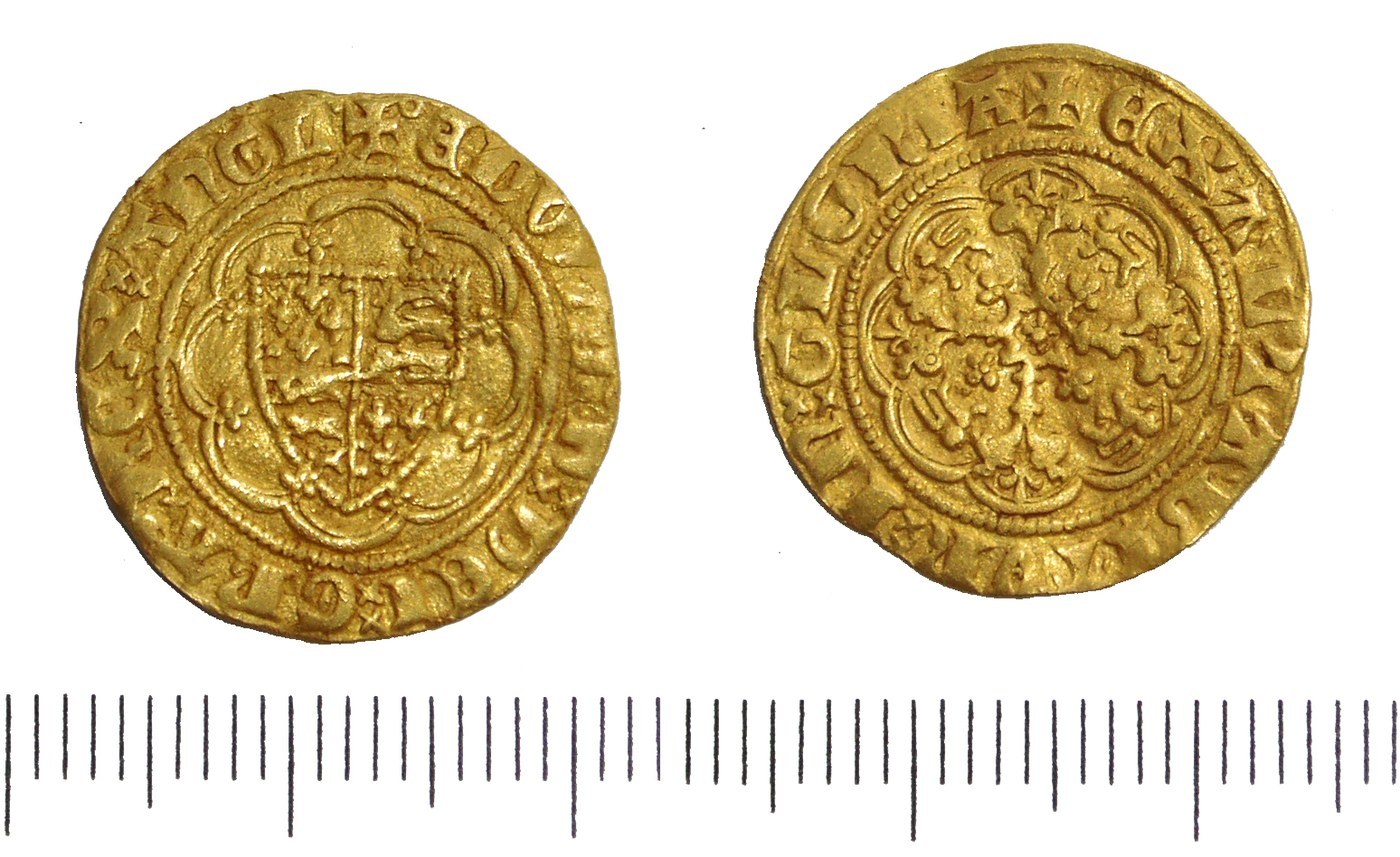
Edward III Quarter Noble
Small medieval English gold coin of Edward III, showing a crowned shield of arms on the obverse and an ornate floral cross design on the reverse.
- Country
- England
- Denomination
- Quarter Noble
- Metal
- Gold
Got a coin like this?
Identify any coin from a photo, free.
Overview
The Edward III Quarter Noble is a small gold coin of medieval England, worth one quarter of the gold noble. The example shown carries a crowned heraldic shield within an ornamental border on the obverse and, on the reverse, an elaborate floral and heraldic design built around a central cross with tracery in the angles. It was struck during the long reign of Edward III (1327-1377).
As the smallest denomination of Edward III's gold coinage, the quarter noble made gold money usable for more modest transactions than the full noble or half noble. Its compact size and finely detailed dies make it a popular and recognizable type among collectors of English hammered gold.
History & Background
Edward III reformed England's coinage in the mid-14th century, and after early experiments a lasting gold series was established from 1344 onward based on the noble and its fractions, the half noble and the quarter noble. The quarter noble was the smallest of these gold pieces and circulated alongside the larger denominations through the rest of the reign.
Edward III's gold coinage is traditionally divided into successive phases, often described in terms of pre-treaty, treaty, and post-treaty periods reflecting the shifting course of the Hundred Years' War with France and Edward's claim to the French throne. These phases are marked by changes in the royal titles in the legends, small design details, and the mint marks used, which allow specialists to assign a given quarter noble to a particular period within the 1327-1377 span. Most were struck at the Tower mint in London.
How to Identify
Look for a small, thin gold coin with a crowned shield of arms at the center of the obverse, enclosed by a beaded and ornamental border, and a Latin legend running around the rim. The shield typically quarters the arms of England (lions) and France, reflecting Edward III's claim to the French crown. The reverse shows an ornate design centered on a cross with floral tracery and leaf-like ornament filling the angles, again ringed by a Latin inscription and often a central motif or letter.
The quarter noble is markedly smaller than the noble and half noble, so size is a quick guide to the denomination. Because these are hand-struck (hammered) coins, expect slightly irregular flans, some off-centering, and individual variation in the strike. Mint marks and the precise wording of the royal titles in the legends are the main tools for placing a coin within Edward III's gold phases; genuine gold has a warm, soft color and the coin should feel dense for its thin fabric.
Value & Collectibility
As a medieval gold coin roughly seven centuries old, the Edward III quarter noble is a desirable collector piece, and even worn genuine examples carry meaningful value from their gold content, age, and demand. Prices rise substantially with condition, sharpness of the heraldic detail, full clear legends, and a well-centered strike.
Within the type, the particular phase (pre-treaty, treaty, or post-treaty), the exact legend variety, and any scarcer mint marks or die combinations can raise or lower value considerably, so two coins that look similar may differ in price. Because English hammered gold is both valuable and forged, authentication has a large effect on realized prices. Treat any single figure as approximate and check recent auction results and specialist catalogues for comparable examples.
Frequently asked questions
What is a quarter noble?
The quarter noble is a small English gold coin worth one quarter of the gold noble. It was the smallest gold denomination in Edward III's coinage, sitting below the half noble and the full noble.
Is it really made of gold?
Yes. The quarter noble was struck in gold of high medieval fineness. It is a small, thin coin but dense for its size, with the warm soft color typical of high-purity gold.
Why is there a French shield on an English coin?
Edward III claimed the throne of France during the Hundred Years' War, so his coinage quarters the arms of England and France together on the shield to assert that claim.
How can I tell it from a noble or half noble?
Chiefly by size. The quarter noble is noticeably smaller than the half noble and much smaller than the full noble, though the shield-and-cross design themes are related across the series.
Where was it minted?
Most Edward III quarter nobles were struck at the Tower mint in London. The mint mark and the wording of the royal titles help specialists assign a coin to a particular phase of the reign.
Edward III Quarter Noble guides
In-depth guides for identifying, valuing, and collecting Edward III Quarter Noble.
Other coins you may enjoy
Edward IV Ryal
c. 1465-1470
Penny of Offa
c. 757-796 (8th century)
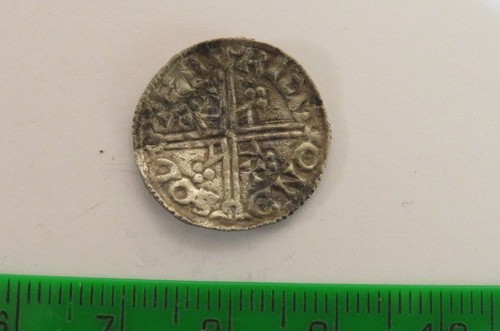
Medieval Penny
c. 8th-15th century
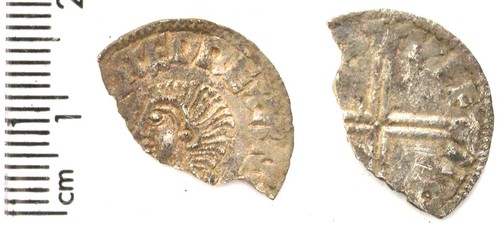
Penny of Aethelred II
978-1013
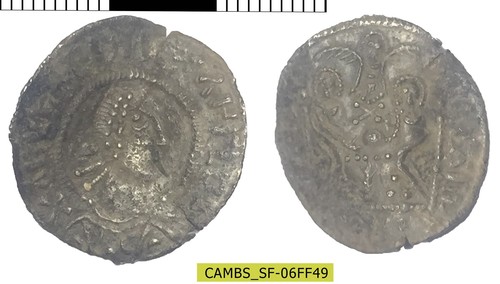
Penny of Alfred the Great
c. 871-899 (late 9th century)
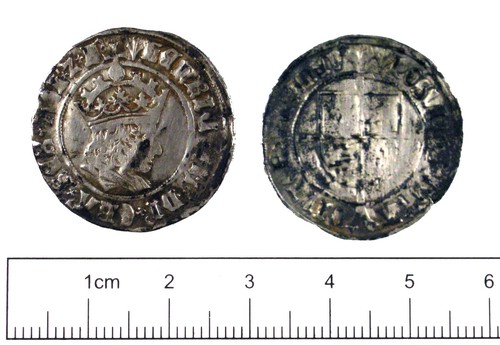
Henry VII Groat
1485-1509
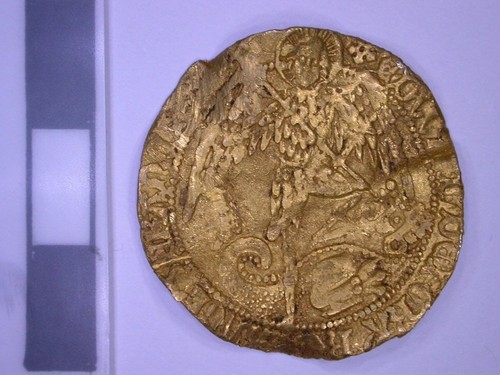
Edward V Angel
1483
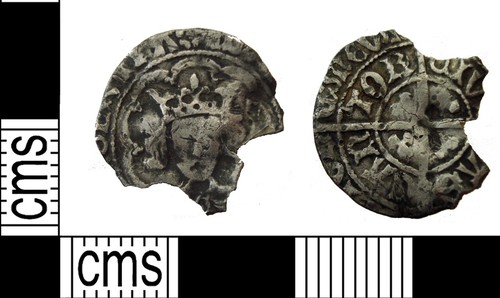
Edward IV Half Groat
1461-1483
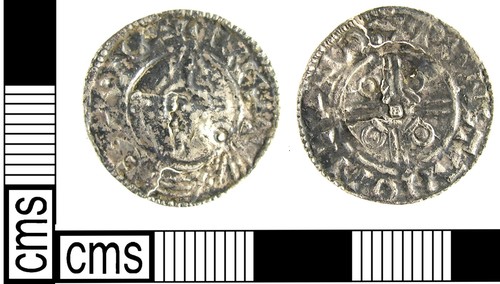
Penny of Cnut
1024-1030
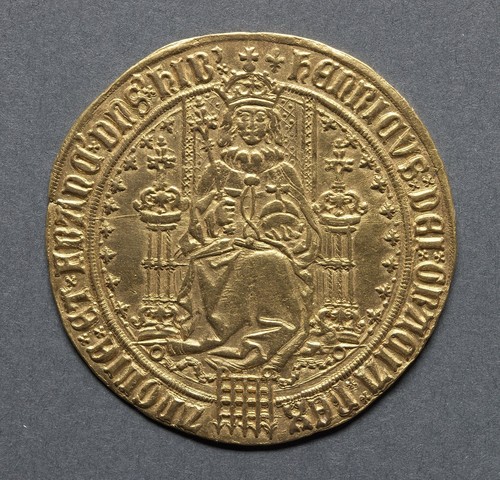
Henry VII Sovereign
1485-1509
Long Cross Penny
1247-1279 (13th century)
Anglo-Saxon Styca
8th-9th century