
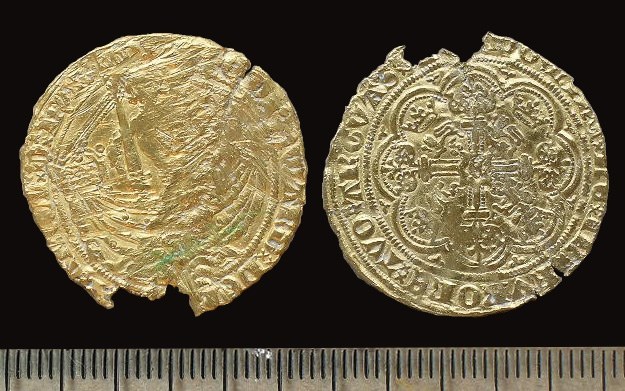
Edward III Half Noble
Medieval English gold coin worth half a noble, this example showing King Edward III crowned with heraldic devices and a shielded, ornamented reverse.
- Country
- England
- Denomination
- Half Noble
- Metal
- Gold
Got a coin like this?
Identify any coin from a photo, free.
Overview
The Edward III half noble is a medieval English gold coin equal to half of the noble, England's large gold denomination of the mid-to-late 14th century. The example shown carries a crowned royal portrait with heraldic elements on the obverse and a reverse dominated by a central shield surrounded by scroll-like ornament, the compact counterpart of the celebrated full noble.
Struck during the reign of Edward III (1327-1377), the half noble belonged to a reformed gold coinage that gave England a stable, high-value currency alongside its long-established silver penny. Its design language, a majestic crowned king paired with an ornate cross-and-shield reverse, made it both a practical unit for large payments and a statement of royal authority.
History & Background
Edward III established a lasting English gold coinage in the mid-14th century after earlier experiments, introducing the noble and its fractions, the half noble and quarter noble, as gold complements to the silver penny. This coinage supported the crown's finances and international trade during a reign marked by war with France and ambitious royal claims, and the half noble served as a convenient half-unit of the leading gold denomination.
The half noble was issued through successive phases of Edward III's reign, and its legends and heraldry echo the political message of the full noble, including the king's assertion of title over France. Because the coinage evolved over decades, half nobles occur in several series that specialists distinguish by lettering, style, and the marks in the fields. The denomination continued to be struck by later medieval English kings, but Edward III's issues are among the foundational examples of the type.
How to Identify
Look for a gold coin noticeably smaller than the full noble but sharing its imagery. The obverse of this example shows the king crowned with heraldic devices, while the reverse centers on a shield bearing a heraldic design framed by scroll-like ornaments, typically set within an ornate tracery around a central cross. Latin legends run around both faces in the Gothic lettering of the period.
Genuine half nobles are hand-struck on thin gold flans and show the slightly irregular shape, uneven borders, and individual variation expected of medieval coins. The specific initial marks, lettering styles, and small symbols in the field are what allow specialists to place a coin within Edward III's coinage phases, so careful attention to these details, rather than the general design alone, is key to close identification.
Remember that the same basic types were continued by later kings such as Richard II and the Lancastrians, so the design alone does not confirm an Edward III attribution; the king's name in the legend and the diagnostic style details must agree.
Value & Collectibility
As a medieval gold coin, the Edward III half noble is a valuable and sought-after piece, and even well-worn examples carry a substantial premium over their gold content because of their age, history, and collector demand. Sharply struck coins with full, clear legends and strong heraldic detail command significantly higher prices than worn, clipped, or damaged pieces.
Value depends heavily on the specific series and mint marks, the state of preservation, the completeness of the flan, and the presence of any damage such as clipping, mounting, or repair, all common on medieval gold. Because individual coins vary so much and the market for medieval English gold moves over time, any figure should be treated as approximate and checked against recent comparable auction results and specialist opinion rather than a single quoted price.
Frequently asked questions
What is an Edward III half noble?
It is a medieval English gold coin worth half of the noble, struck during the reign of Edward III (1327-1377). It shows a crowned royal portrait with heraldry on one side and a heraldic shield with ornament on the other.
What is it made of?
The half noble is a gold coin, part of Edward III's reformed gold coinage. It is smaller than the full noble but struck in the same high-value gold and carries closely related designs.
How does the half noble relate to the noble?
The half noble was worth exactly half of the noble, England's principal gold denomination of the period. It shares the noble's imagery in a smaller format and was accompanied by an even smaller quarter noble.
Did only Edward III strike half nobles?
No. Edward III introduced the enduring gold coinage, but later medieval kings such as Richard II and the Lancastrians also issued half nobles. The king named in the legend and the style details identify whose reign a coin belongs to.
What do the designs mean?
The crowned king asserts royal authority, and the legends and heraldry, including claims to the French title, reflect Edward III's political ambitions. The shielded reverse with its ornament echoes the design of the full noble.
Edward III Half Noble guides
In-depth guides for identifying, valuing, and collecting Edward III Half Noble.
Other coins you may enjoy
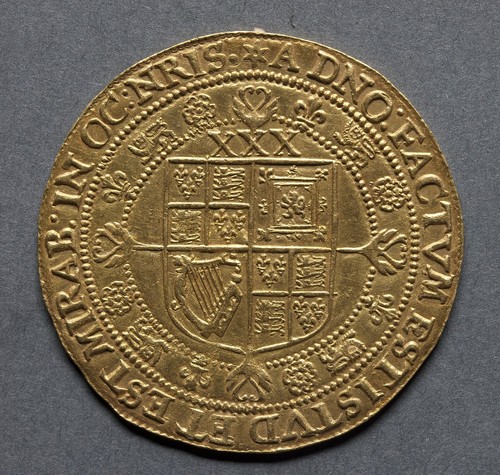
Edward IV Ryal
c. 1465-1470
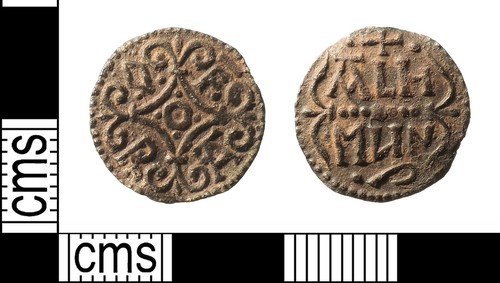
Penny of Offa
c. 757-796 (8th century)
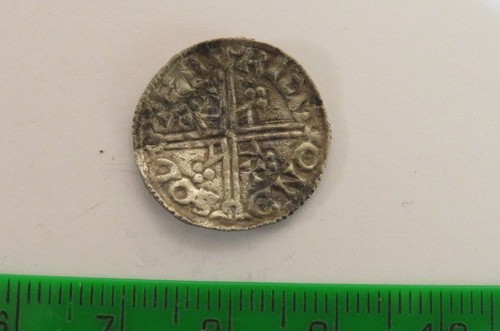
Medieval Penny
c. 8th-15th century
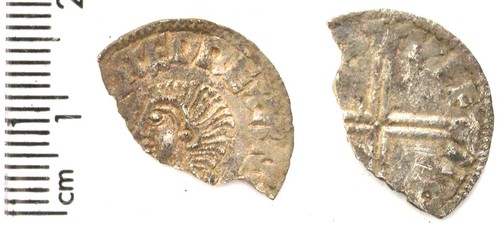
Penny of Aethelred II
978-1013
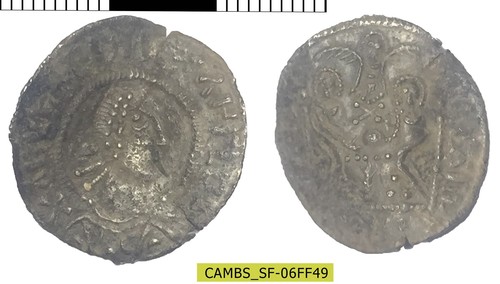
Penny of Alfred the Great
c. 871-899 (late 9th century)
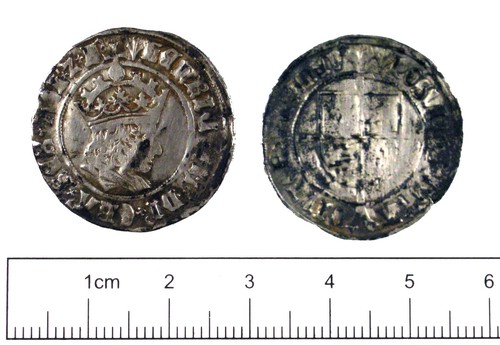
Henry VII Groat
1485-1509
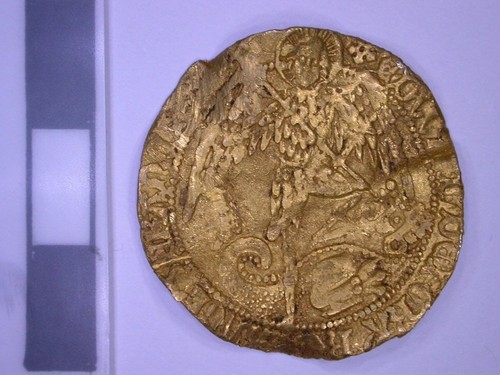
Edward V Angel
1483
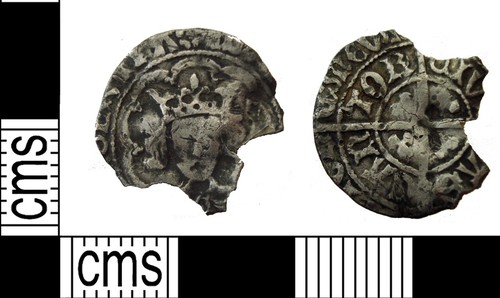
Edward IV Half Groat
1461-1483
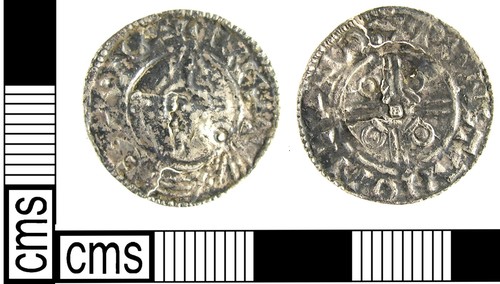
Penny of Cnut
1024-1030
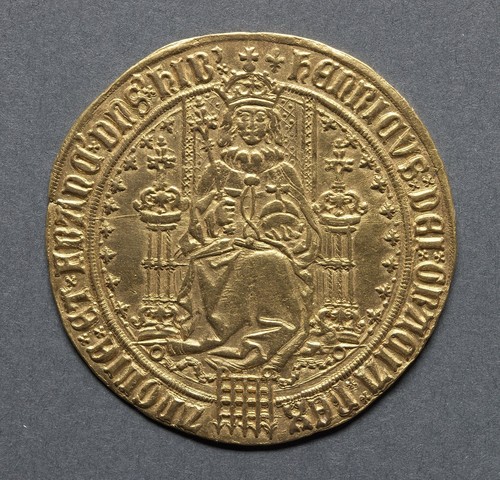
Henry VII Sovereign
1485-1509
Long Cross Penny
1247-1279 (13th century)
Anglo-Saxon Styca
8th-9th century